
Kanchenjunga Region
Discover the Untouched: A Guide to Kanchanjunga Region Trekking
For those seeking a true Himalayan adventure away from crowded trails, the Kanchanjunga trek offers an unforgettable journey into one of Nepal’s most remote and pristine regions. Located in the far northeastern corner of the country, bordering Sikkim and Tibet, this region is home to Mount Kanchanjunga (8,586 m), the world’s third-highest peak. Unlike the well-trodden paths of Everest or Annapurna, Kanchanjunga promises solitude, raw natural beauty, and an authentic cultural experience, making it a hidden gem for adventurous trekkers.
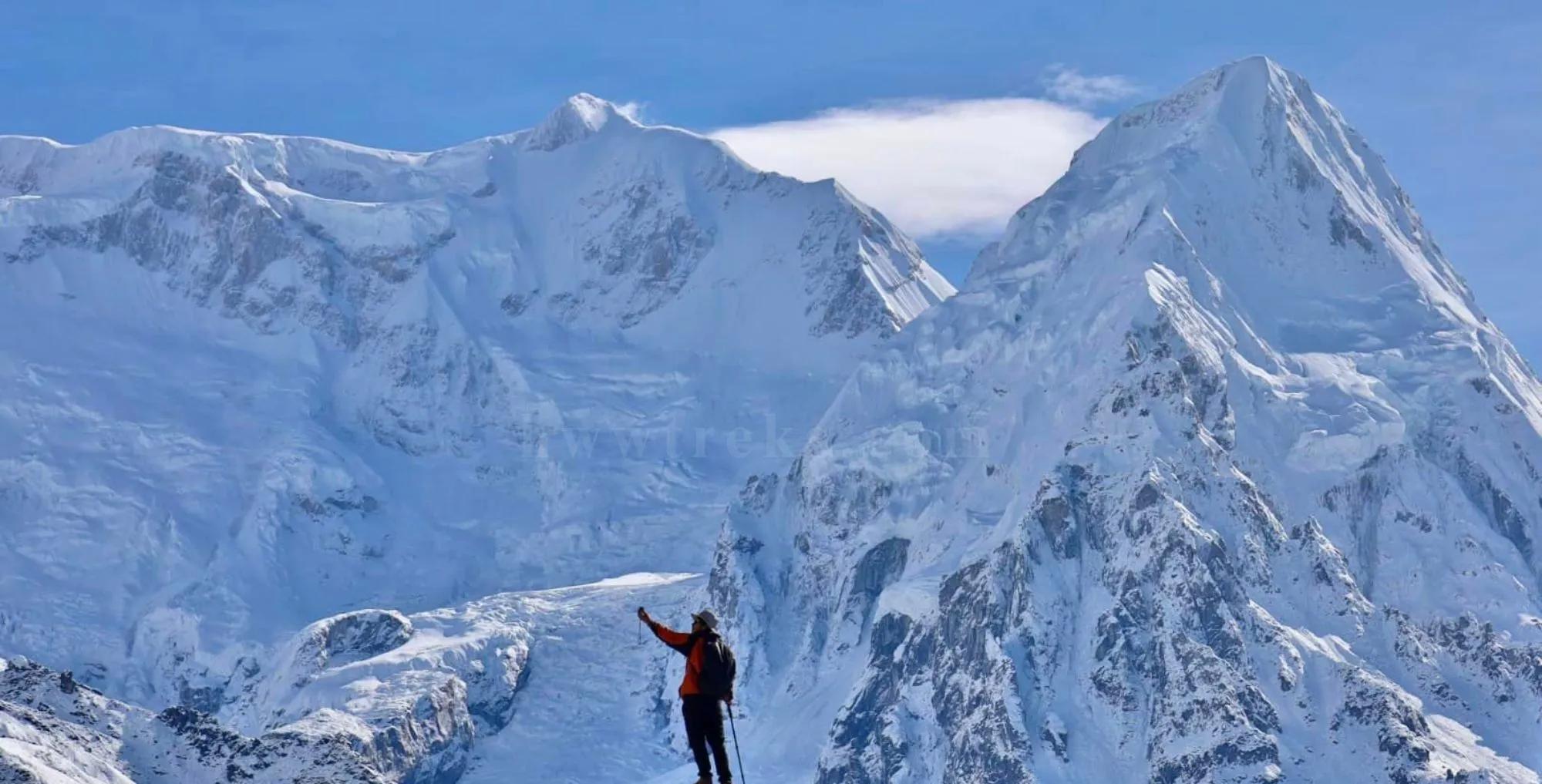
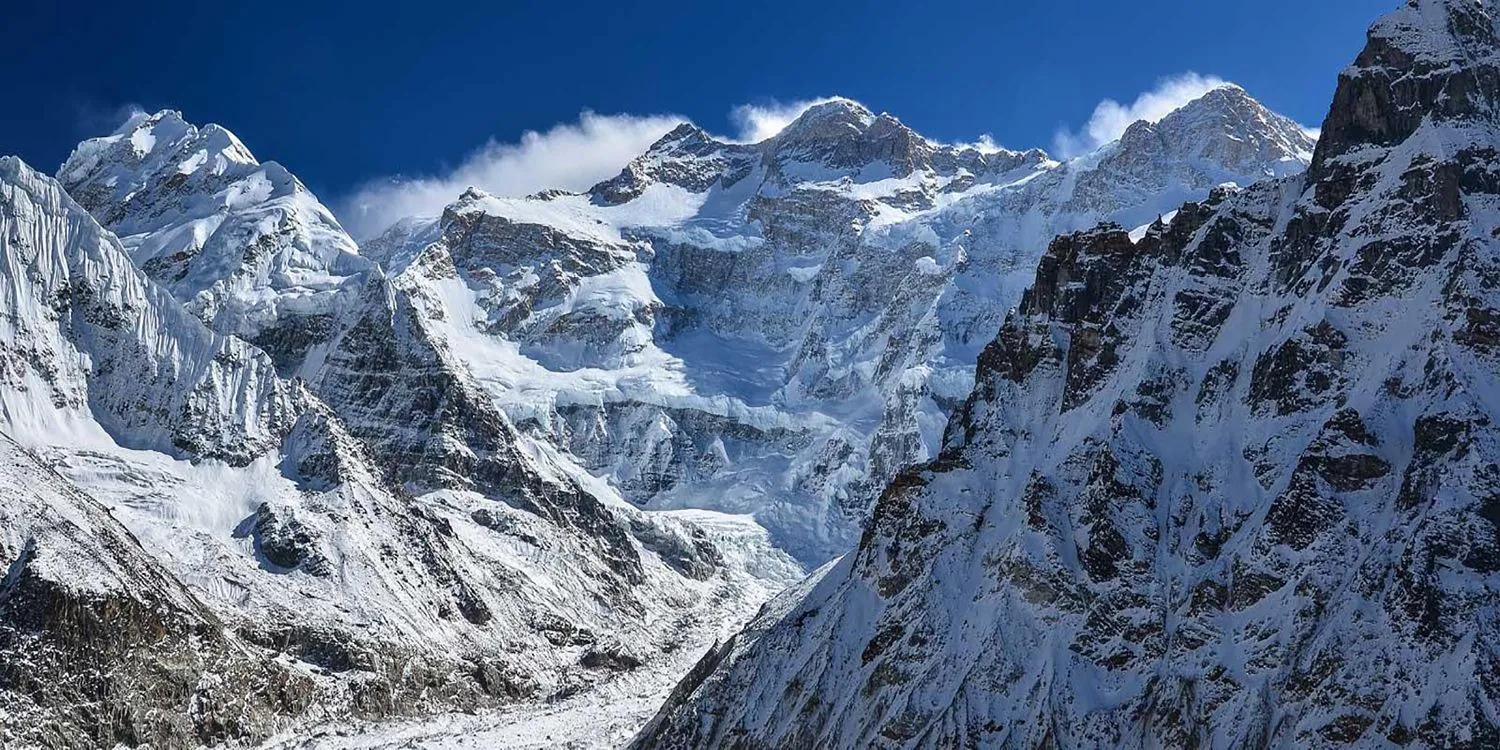
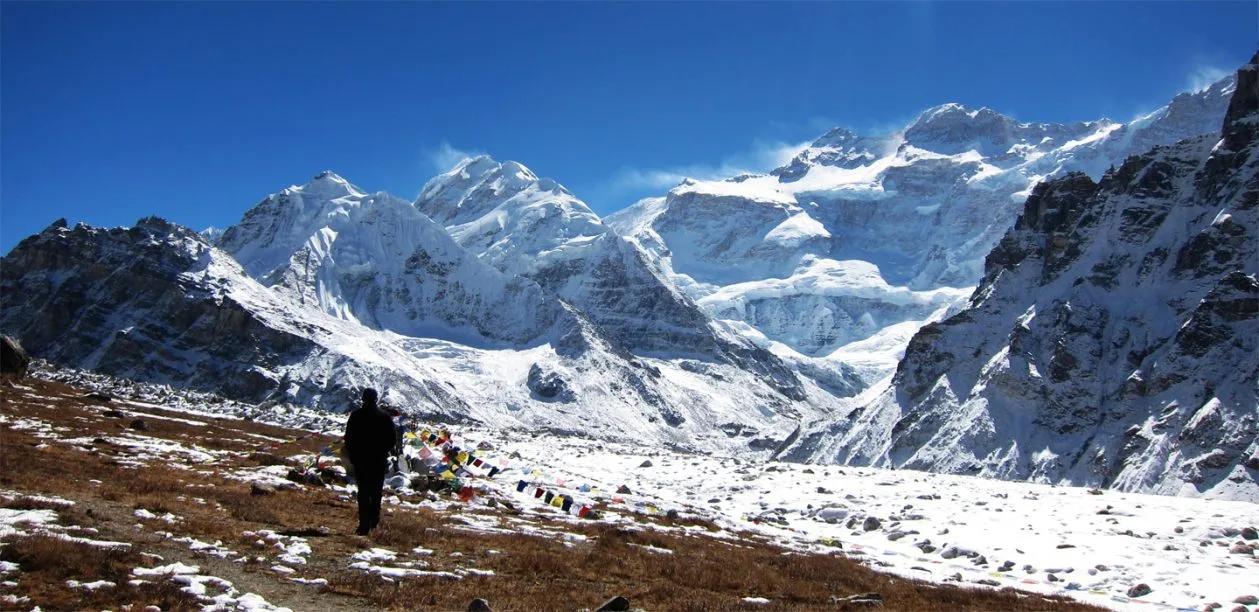
The trek takes you through landscapes that shift dramatically from lush subtropical valleys and blooming rhododendron forests to the stark, haunting expanse of the Yalung Glacier. Along the way, you are treated to breathtaking views of the Five Treasures of Snow, the five towering peaks that form the Kanchanjunga massif. The region’s isolation has helped preserve the traditions of its local communities, including the Limbu, Rai, Sherpa, and Tibetan refugees. Villages like Olangchung Gola and monasteries in Ghunsa offer rare cultural encounters that are both genuine and transformative.
Kanchanjunga is also a sanctuary for rare Himalayan wildlife. Trekkers may spot the elusive Snow Leopard, the endangered Red Panda, Himalayan Black Bears, and Blue Sheep, making each journey a unique opportunity to witness nature at its purest. Whether you choose the North Base Camp (Pangpema), the South Base Camp (Oktang), or the full Kanchanjunga Circuit, the trek is challenging but immensely rewarding, typically requiring 20–25 days for experienced adventurers seeking a deep, immersive expedition.
As the region is restricted, trekking here requires a registered guide and at least two people to secure the necessary permits, ensuring the preservation of its delicate environment and cultural heritage. For those willing to trade crowded trails for the silence of high peaks, the Kanchanjunga trek is more than a journey it is a return to the untamed, rugged heart of the Himalayas, where every step offers awe-inspiring views, unforgettable encounters, and the rare gift of solitude in one of the world’s last untouched mountain landscapes.
Why the Kanchanjunga Trek Stands Out?
While many of Nepal’s famous trekking routes have turned into busy “highways,” the Kanchanjunga region remains a pristine sanctuary for those seeking a truly off-the-beaten-path Himalayan adventure. Choosing this trek means trading Wi-Fi, crowds, and modern conveniences for raw wilderness, serene silence, and an authentic high-altitude experience.
Pristine Remoteness and Untouched Trails
What makes the Kanchanjunga trek so special is its solitude. Unlike the well-trodden trails of Everest or Annapurna, where thousands of trekkers flock each season, Kanchanjunga offers peaceful, quiet paths. You may walk for hours without seeing another group, allowing for a deep, meditative connection with the mountains. The trails are rugged, teahouses are simple, and the experience evokes the “old-school” trekking vibe that has largely disappeared elsewhere in Nepal.
Unrivaled Biodiversity in the Conservation Area
The Kanchanjunga Conservation Area is a living museum of flora and fauna, spanning from subtropical lowlands at 900 m to high-alpine glacial zones above 5,000 m. This ecological diversity makes it a hotspot for over 2,500 plant species and rare wildlife. Trekkers may be lucky enough to encounter:
-
The elusive Snow Leopard prowling the high ridges
-
The endangered Red Panda hidden in dense bamboo and rhododendron forests
-
The vibrant Himalayan Monal, Nepal’s national bird, adding splashes of color to the slopes
Dramatic Panoramic Mountain Views
Dominated by Mount Kanchanjunga (8,586 m), the region offers breathtaking views of four of the world’s five highest peaks: Everest, Lhotse, Makalu, and Kanchanjunga itself. The “Five Treasures of Snow” massif creates a dramatic backdrop, while hanging glaciers and vertical rock walls like Mount Jannu (7,710 m) form a cathedral of ice and stone, especially spectacular from North Base Camp (Pangpema) and South Base Camp (Oktang).
Authentic Cultural Immersion
Kanchanjunga’s isolation means cultural encounters are genuine. Trekkers are welcomed as guests in the ancestral homes of the Limbu and Rai communities in the lowlands, and Sherpa and Tibetan people in the highlands. Highlights include:
-
Ancient Traditions: Witness animist rituals and Buddhist ceremonies preserved for centuries
-
Local Hospitality: Experience the traditional Tongba millet brew and enjoy authentic Dal Bhat meals cooked over wood-fired hearths in stone houses
The Challenge of a True Himalayan Expedition
This trek is more than a scenic journey, it’s a true expedition. Typically lasting 20–26 days, it demands physical stamina, resilience, and a spirit of adventure. Navigating high passes like Sele La (4,290 m) and Mirgin La (4,480 m) offers a sense of accomplishment rarely matched by other trekking routes in Nepal.
Verdict
For seasoned trekkers seeking solitude, wildlife encounters, dramatic landscapes, and authentic Himalayan culture, the Kanchanjunga Circuit Trek is the ultimate off-the-beaten-path adventure. Escape the crowds, embrace the wild, and experience the Himalayas in their most powerful, unedited form.
Choosing the Right Trek in the Kanchanjunga Region
Choosing the right path in the Kanchanjunga region depends on your timeframe, fitness level, and appetite for adventure. Whether you want to explore the north face, the south face, or complete the entire massif, there are three main trekking options to experience this majestic Himalayan landscape.
-
21-Day Kanchanjunga Circuit Trek
The Kanchanjunga Circuit Trek is the ultimate Himalayan journey, combining both the North and South Base Camps into a single, grand loop. It’s widely considered one of the most comprehensive tea-house treks in Nepal.
-
Highlights: Reach both Pangpema (North) and Oktang (South) viewpoints, cross the challenging Sele La Pass, and witness the full transition of flora from subtropical forests to alpine landscapes.
-
Difficulty: Challenging. This trek demands high physical fitness and endurance for three weeks of continuous high-altitude trekking.
-
Best Season: March to May (Spring) for rhododendron blooms and October to November (Autumn) for crystal-clear mountain views.
2. 12-Day Kanchanjunga North Base Camp Trek
For trekkers with limited time who want to see the most dramatic face of Mt. Kanchanjunga (8,586 m), the North Base Camp Trek (Pangpema Trek) is ideal.
-
Highlights: Overnight stays in the Tibetan-influenced village of Ghunsa, breathtaking close-up views of Kanchanjunga’s north wall, and the towering Mt. Jannu (7,710 m).
-
Difficulty: Strenuous. Though shorter than the circuit, the rapid ascent to Pangpema (5,143 m) requires careful acclimatization.
-
Best Season: Late September to early December. Crisp autumn air provides the clearest visibility for the north face’s vertical ice walls.
3. 17-Day Kanchanjunga South Base Camp Trek
The Kanchanjunga South Base Camp Trek focuses on the Yalung Glacier side of the mountain and is praised for its lush forest trails and cultural encounters.
-
Highlights: Explore the Yalung Glacier, visit sacred viewpoints like Ramche and Oktang, and experience the vibrant Limbu and Rai cultures of the lower valleys.
-
Difficulty: Moderate to strenuous. While it avoids some of the highest passes of the circuit, trekkers still face significant elevation gain and rugged terrain.
-
Best Season: March to May, when the southern slopes bloom with spring colors, a paradise for nature lovers and photographers.
Trek Comparison at a Glance
| Trek Route | Duration | Max Altitude | Primary Highlights |
| Kanchanjunga Circuit | 21 Days | 5,143 m | North & South Base Camps + Sele La Pass |
| North Base Camp (Pangpema) | 12–15 Days | 5,143 m | Massive North Face & Mt. Jannu |
| South Base Camp (Oktang) | 17 Days | 4,730 m | Yalung Glacier & Cultural Heritage |
Pro Tip: Regardless of the route, all treks in the Kanchanjunga region require a Restricted Area Permit. Treks must be organized through a registered trekking agency, and groups should have at least two trekkers.
Exploring the Kanchanjunga Conservation Area (KCA)
The Kanchanjunga Conservation Area (KCA) is truly a crown jewel of the eastern Himalayas. Established in 1997, it spans 2,035 square kilometers in Nepal’s Taplejung District and serves as a vital protected area. As part of the “Sacred Himalayan Landscape,” KCA connects habitats across Nepal, India, and China, ensuring that the region’s wild and resilient nature is preserved for generations of trekkers, wildlife enthusiasts, and conservationists alike.
Geography and Landscape
The KCA’s geography is nothing short of dramatic. In just a short distance, elevation rises from subtropical valleys at 1,200 m to the icy summit of Mt. Kanchanjunga (8,586 m). This vertical sweep forms a “stairway of ecosystems,” where deep river valleys carved by the Tamor and Simbuwa Rivers gradually climb into high-altitude glacial plateaus, offering trekkers a constantly changing and mesmerizing landscape.
Wildlife
The KCA is a sanctuary for some of the world’s most elusive and endangered species, largely protected by community-led conservation. Key wildlife highlights include:
-
Snow Leopard: High-altitude ridges near Lhonak and Pangpema are prime habitats for this ghost of the mountains.
-
Red Panda: Rare sightings occur in temperate bamboo forests between 2,200 m and 3,500 m.
-
Other Mammals: The park is home to Himalayan Black Bears, Musk Deer, Blue Sheep (Bharal), and the Himalayan Wolf.
Flora and Avian Life
With over 2,500 species of flowering plants, KCA is a paradise for nature lovers:
-
Forests: Lower slopes are thick with chestnut, maple, and magnolia trees, which transition to vast Rhododendron forests that burst in vibrant red and pink blooms during spring.
-
Birdwatching: Home to more than 250 bird species, including the iridescent Himalayan Monal, Blood Pheasants, and the majestic Bearded Vulture.
Natural Attractions
Beyond its peaks, KCA is a land of water and ice:
-
Glaciers: Massive glaciers like Kanchanjunga Glacier and Yalung Glacier feed the rivers of eastern Nepal.
-
High-Altitude Lakes: Sacred lakes such as Dudh Kunda (Milk Lake) and Nupchu Pokhari offer serene resting spots for trekkers.
-
Mountain Peaks: While Mt. Kanchanjunga dominates, other giants include Mt. Jannu (7,710 m), Kambachen (7,850 m), and Kabru (7,412 m).
Did You Know?
The KCA was the first region in Nepal where management responsibilities were handed over to a local community council, making it a global model for sustainable, community-based conservation.
Best Time for Kanchanjunga Trek 2026: Complete Seasonal Guide
The Kanchanjunga Trek is a challenging yet rewarding journey in eastern Nepal, leading to the base of Mount Kanchenjunga. Choosing the right season is key for safety, visibility, and overall experience.
Spring (March–May)
One of the best times for the trek, especially for nature lovers.
Highlights:
-
Blooming rhododendrons and lush forests
-
Clear mornings with occasional afternoon clouds
-
Comfortable temperatures (10°C–20°C in lower regions)
Best for: Photography, greenery, and pleasant weather
Autumn (September–November)
The most popular and reliable trekking season.
Highlights:
-
Crystal-clear views of Mount Kanchenjunga
-
Dry, stable trails and sunny weather
-
Cultural experience with Dashain and Tihar
Best for: Clear mountain views and safe trekking conditions
Winter (December–February)
-
Very cold with heavy snow
-
Passes like Sele La Pass may be blocked
-
Ideal for experienced trekkers seeking solitude
Monsoon (June–August)
-
Lush landscapes but poor visibility
-
Risk of landslides and flight delays
-
Not recommended for the full trek
Seasonal Comparison Table
| Feature | Spring (Mar–May) | Autumn (Sept–Nov) | Winter (Dec–Feb) | Monsoon (Jun–Aug) |
| Visibility | Good (clear mornings) | Excellent (all day) | Clear but hazy | Poor(cloudy) |
| Temperaure | Mild/Warm (10–20°C / 50–68°F) | Moderate/Cool (5–15°C / 41–59°F) | Extremely Cold (-20°C / -4°F at night) | Hot/Humid (20–30°C / 68–86°F) |
| Trail Condition | Dry/Forest Blooms | Dry/Firm | Snowy/Icy | Muddy/Slippery |
| Crowd Level | Moderate | High | Very Low | Low |
Final Verdict for 2026
-
October is the safest and most rewarding month for trekking, with clear skies and stunning views.
-
April offers the beauty of Nepal’s “Green Himalayas” and blooming forests, perfect for nature lovers.
-
Always plan for a flexible itinerary, as weather in remote Himalayan regions can change rapidly.
Trek Difficulty in the Kanchenjunga Region
The Kanchenjunga region offers one of the most remote and demanding trekking experiences in the Himalayas. Because the trail circumnavigates the world's third-highest peak, the Kanchanjunga trek difficulty is officially graded as strenuous, requiring a high level of self-sufficiency and endurance.
Altitude Challenges and Acclimatization
As a premier high-altitude trekking Nepal destination, the Kanchenjunga circuit pushes trekkers to significant elevations. You will reach 5,143 m (16,873 ft) at Pangpema (Kanchenjunga North Base Camp) and 4,730 m (15,518 ft) at Oktang (South Base Camp).
A major factor in the difficulty is the sustained time spent above 4,000 m (13,123 ft), which increases the risk of Acute Mountain Sickness (AMS). To manage these altitude challenges, 2026 itineraries include dedicated acclimatization days, typically in villages like Ghunsa (3,475 m / 11,400 ft), to allow the body to adjust to the thinning air.
Long Trekking Days and Rugged Terrain
This is a challenging Himalayan trek primarily due to its duration and the nature of the path. A full circuit usually takes between 20 to 26 days, covering approximately 220 km (136 miles).
-
Daily Durations: Expect to walk for 6 to 8 hours daily. The most grueling day involves crossing four high passes, Sele La (4,290 m / 14,075 ft), Sinion La (4,440 m / 14,567 ft), Mirgin La (4,480 m / 14,698 ft), and Sinelapcha La (4,640 m / 15,223 ft), which can take 10 to 12 hours.
-
Terrain: The trails are often "off-the-beaten-path," featuring steep rocky ascents, slippery glacial moraines, and narrow ridgelines that test both balance and joint strength.
Physical Fitness Requirements
To successfully navigate the Kanchenjunga region, trekkers should possess a high level of cardiovascular fitness and leg strength.
-
Cardio: High-stamina activities like long-distance running, cycling, or swimming are recommended for at least 2 to 3 months before departure.
-
Strength Training: Focus on squats, lunges, and step-ups to prepare for the relentless vertical gains and descents.
-
Mental Resilience: Because the region is sparsely populated with basic teahouse facilities, mental toughness is required to handle the isolation and lack of modern comforts.
Who the Trek is Suitable For
The Kanchenjunga trek is ideally suited for experienced trekkers who have previously completed high-altitude routes like Everest Base Camp or the Annapurna Circuit. It is perfect for those seeking solitude and a raw, "Old Nepal" experience away from mass tourism. While it does not require technical mountaineering skills, it is not recommended for first-time hikers or those with significant heart or lung conditions due to the extreme remoteness and limited medical access.
Kanchanjunga Trek Permits and Regulations – Hi Nepal
Planning a Kanchanjunga trek in eastern Nepal requires careful attention to trekking permits and regulations. The Kanchanjunga region is a restricted area bordering India and Tibet, making it essential for all foreign trekkers to secure proper permits. Following these rules ensures a safe, hassle-free, and legally compliant trekking experience.
Restricted Area Permit (RAP) for Kanchanjunga Trek
The Restricted Area Permit (RAP) is mandatory for anyone trekking in the Kanchanjunga region. This permit helps regulate tourism in the sensitive border area and generally replaces the TIMS card used in other trekking regions of Nepal.
-
Cost: $20 USD per person per week for the first four weeks; $25 USD per week for treks longer than 28 days
-
Requirement: Must be arranged through a licensed Nepalese trekking agency; individual applications are not allowed
-
Group Rule: Minimum of two trekkers required, accompanied by a licensed Nepali guide. Solo trekking is prohibited.
Kanchanjunga Conservation Area Permit (KCAP)
To enter the Kanchanjunga Conservation Area, trekkers must also obtain the Kanchanjunga Conservation Area Permit (KCAP). This permit supports conservation efforts and the local communities in the region.
-
Cost for Foreigners: NPR 3,000 (~$22 USD) per person
-
Cost for SAARC Nationals: NPR 1,000 per person
-
Validity: Single entry permit valid for the duration of your trek within the conservation area
How to Get Kanchanjunga Trekking Permits
The permit process for Kanchanjunga is more detailed than popular trekking regions like Everest or Annapurna.
-
Book with a Licensed Trekking Agency: Submit a scanned copy of your passport (valid for at least six months) and Nepal tourist visa.
-
Submit Documents: Two passport-sized photos are required for permit applications.
-
Verification in Kathmandu: Present your original passport for visa verification before the RAP is issued; processing usually takes one working day.
-
Carry Permits During Trek: You will pass several checkpoints, including Taplejung, Yamphudin, and Ghunsa, where authorities will check and record your permits.
Important Tips for Kanchanjunga Trekkers
-
All treks in the Kanchanjunga region must be organized through a registered trekking agency; independent trekking is not allowed.
-
These regulations protect the region’s fragile Himalayan ecosystem and preserve its unique cultural heritage.
-
Hi Nepal Treks handles all permit arrangements, so trekkers can focus on their journey without worrying about administrative procedures.
Culture and Scenic Villages of Kanchanjunga
The Kanchanjunga region is a living museum of Nepal mountain communities, offering trekkers a unique combination of ethnic heritage, traditional lifestyle, festivals, and breathtaking Himalayan scenery. Each village on the trail is a window into centuries-old customs, spiritual practices, and daily life, while also serving as a scenic highlight for photography and nature lovers.
Ghunsa Village (3,475 m / 11,404 ft) – Sherpa & Bhote Heritage
-
Ethnic Communities: Upper-region Sherpa and Bhote villages, heavily influenced by Tibetan culture.
-
Cultural Highlights:
-
Ghunsa Monastery: Witness morning prayers, chanting monks, and meditation rituals surrounded by fluttering prayer flags.
-
Daily Life: Villagers practice yak herding, high-altitude barley and potato farming, and seasonal transhumance, moving livestock between high and low pastures.
-
Festival Dumji: A spectacular cultural event with masked dances, traditional music, and communal feasts.
-
Local artisans produce handmade woolen clothing, yak butter lamps, and prayer flags.
-
Scenic Highlights: Ghunsa is nestled among snow-capped peaks, alpine meadows, and yak pastures, offering incredible sunrise and sunset views. Trekking here also provides access to the high Kanchenjunga passes, with pristine glaciers in view.
Pangpema and Kambachen – Alpine Meadows & High Passes
-
Ethnic Communities: Sherpa herders and yak farmers who live in remote high-altitude villages.
-
Cultural Highlights:
-
Traditional yak-based farming and seasonal grazing.
-
Villagers live in stone-and-wood homes, some of which have been maintained for generations.
-
Transhumance: Experience the seasonal movement of livestock, a practice still alive in this remote region.
-
Scenic Highlights:
-
Expansive glacier views, high alpine ridges, and meadows filled with wildflowers, particularly rhododendrons in Spring.
-
Views of surrounding peaks such as Kanchenjunga West, South, and the surrounding Himalayan range make this a photographer’s paradise.
Yamphudin Village (2,100 m / 6,890 ft) – Limbu & Rai Traditions
-
Ethnic Communities: Limbu and Rai communities, part of the Kirat ethnic group, famous for their bravery, rituals, and hospitality.
-
Cultural Highlights:
-
Taste Tongba, the traditional millet-based alcoholic drink served in wooden containers.
-
Participate in Udhauli and Ubhauli festivals, celebrating seasonal changes, livestock migrations, and agricultural cycles with traditional music and dances.
-
Explore terraced farmlands, forest trails, and sustainably-managed orchards.
-
Local craftsmanship includes woven baskets, ceremonial garments, and traditional jewelry.
-
Scenic Highlights: Rolling hills, forested valleys, and terraced farms offer lush landscapes perfect for photography, especially during Spring rhododendron blooms and autumn harvests.
Kanchenjunga Base Camp Area (5,143 m / 16,864 ft) – Spiritual & Visual Pinnacle
-
Ethnic Communities: Sherpa and Bhote communities living in extreme high-altitude conditions.
-
Cultural Highlights:
-
Mani walls, chortens, and small mountain shrines appear along the trail, reflecting Tibetan Buddhist traditions.
-
Villagers perform offerings and rituals to honor the Kanchenjunga deity, showing the strong spiritual connection between people and the mountains.
-
Daily life includes yak grazing, snow shelter management, and high-altitude farming, demonstrating resilience in harsh conditions.
-
Scenic Highlights:
-
Panoramic views of Mt. Kanchenjunga (8,586 m / 28,169 ft), glaciers, and surrounding Himalayan peaks.
-
Sunrise and sunset create magical Himalayan vistas, perfect for photography and trekking memories.
Additional Scenic & Cultural Highlights Along the Trek
-
Kanchenjunga Glacier Views: Magnificent glaciers along high passes provide spectacular landscapes.
-
High-altitude Meadows: Seasonal alpine flowers bloom in Spring, adding color to the rugged terrain.
-
Forest Trails: Rhododendron and magnolia forests dominate the lower and mid-altitude trails, offering biodiversity and shade.
-
Traditional Tea Houses: Family-run tea houses give trekkers a chance to experience local hospitality, food, and home-style living.
Key Cultural & Scenic Etiquette
-
Respect Monasteries and Shrines: Dress modestly, walk clockwise around mani walls, and spin prayer wheels respectfully.
-
Ask Before Photography: Always request permission before photographing locals, ceremonies, or festivals.
-
Support Local Communities: Purchase handicrafts, food, and tea house stays to directly benefit local families.
-
Engage Respectfully: Observe yak herding, farming, and transhumance practices without interfering with daily life.
-
Leave No Trace: Preserve the fragile Himalayan ecosystem and cultural heritage by keeping the villages and trails clean.
Why These Villages Matter
Visiting ethnic villages in Kanchanjunga combines cultural immersion with scenic splendor. Trekkers witness Nepal mountain communities preserving centuries-old traditions, participate in vibrant festivals, explore ancient monasteries, and enjoy some of Nepal’s most breathtaking Himalayan views. From Yamphudin’s lush foothills to Pangpema’s alpine meadows and the base camp’s towering vistas, each stop offers cultural depth and photographic opportunities, making the Kanchanjunga trek an unforgettable cultural and visual journey.
Summary – Kanchanjunga Trekking Highlights
The Kanchanjunga trek is one of Nepal’s most exclusive and rewarding trekking adventures, offering an extraordinary blend of natural beauty, cultural richness, and Himalayan adventure. Unlike the more frequented Everest or Annapurna regions, Kanchanjunga promises off-the-beaten-path experiences with towering peaks, glacial landscapes, and vibrant alpine meadows.
Why Trek Kanchanjunga?
-
Unique Landscapes: From lush foothills to high-altitude glaciers and panoramic views of Mt. Kanchenjunga (8,586 m / 28,169 ft), the region is a paradise for nature lovers and photographers.
-
Cultural Immersion: Explore ethnic villages in Kanchanjunga, including Limbu, Rai, Sherpa, and Bhote communities, participate in local festivals like Udhauli, Ubhauli, and Dumji, and witness centuries-old traditions at monasteries, mani walls, and chortens.
-
Adventure and Challenge: With remote trails, high passes, and alpine meadows, the trek offers a thrilling Nepal trekking adventure suitable for those seeking solitude and genuine Himalayan exploration.
Key Kanchanjunga Trekking Highlights
-
Ghunsa Village & Upper Sherpa Trails: Scenic alpine villages and monasteries.
-
Pangpema & Kambachen Meadows: Glacier views and vibrant wildflower landscapes.
-
Kanchenjunga Base Camp: Spiritual rituals, panoramic peaks, and unforgettable sunrise and sunset vistas.
-
Yamphudin & Limbu/Rai Villages: Terraced farms, cultural festivals, and immersive local life.
Book Your Kanchanjunga Region Trek Today
If you are seeking a Nepal trekking adventure that combines scenic beauty, cultural depth, and high-altitude challenge, the Kanchanjunga trek is your ultimate choice. Don’t miss the opportunity to experience one of the most unique trekking destinations in the Himalayas.
-
Plan your trek now with Hi Nepal Travels and Treks and enjoy hassle-free permits, expert guides, and authentic cultural encounters.
-
Experience Kanchanjunga trekking highlights and make memories that last a lifetime.
Ready to Trek Kanchanjunga Region in Nepal?
Ready to trek Kanchanjunga? Book with Hi Nepal Treks today and explore one of Nepal’s most scenic and culturally rich Himalayan adventures. With expert guides, hassle-free permits, and authentic village experiences, Hi Nepals Treks ensures your journey is safe, memorable, and truly immersive.
Email: [email protected]
Phone: +977 9856035091
Whether you want to experience Kanchanjunga trekking highlights, immerse yourself in ethnic villages in Kanchanjunga, or challenge yourself on a high-altitude Nepal trekking adventure, now is the time to book Kanchanjunga trek with Hi Nepals Treks.
For personalized itineraries or inquiries, contact Hi Nepals Treks today and start your unforgettable Himalayan journey!
Kanchanjunga Trek FAQ: Everything You Need to Know
How Long Does the Kanchanjunga Trek Take?
The Kanchanjunga trek usually takes 18 to 30 days, depending on the route and pace. This allows trekkers to acclimatize properly, explore remote villages, and enjoy the breathtaking Himalayan scenery. Planning for adequate rest days is essential for a safe and enjoyable trek.
Do I Need a Guide for Kanchanjunga Trekking?
Yes, hiring a licensed local guide is mandatory for the Kanchanjunga trek. Guides not only ensure your safety but also manage permits, navigate the trails, and provide insider knowledge about local culture and wildlife. Traveling with a guide makes your journey smoother and more secure.
What Permits Are Required for the Kanchanjunga Trek?
To trek in the Kanchanjunga region, you need a restricted area permit and a TIMS (Trekkers’ Information Management System) card. Your guide usually assists with permit applications, ensuring you comply with Nepal’s trekking regulations in this restricted area.
Is the Kanchanjunga Trek Safe?
The Kanchanjunga trek is safe when proper precautions are taken. Acclimatization, quality gear, and awareness of altitude sickness are critical. Trekking with a guide and following local advice reduces risks in this remote high-altitude region.
What is the Maximum Altitude of the Trek?
The trek reaches up to 5,143 meters (16,864 feet) at points like Lhonak or Yalung Base Camp. High-altitude preparation and gradual acclimatization are necessary to handle these elevations comfortably.
When is the Best Season for Kanchanjunga Trekking?
The ideal seasons are spring (March to May) and autumn (September to November). These months offer clear skies, moderate temperatures, and spectacular mountain views. Avoid monsoon and winter months due to heavy rainfall, snow, and slippery trails.
What Fitness Level is Required for Kanchanjunga Trekking?
A moderate to high fitness level is recommended. Trekkers should be capable of walking 5–7 hours daily on uneven and steep terrain. Prior trekking experience, strong cardiovascular endurance, and leg strength help make the trek safer and more enjoyable.
What Cultural Experiences Can I Expect on the Kanchanjunga Trek?
The Kanchanjunga trek provides rich cultural experiences, including visits to Sherpa and Limbu villages, traditional monasteries, and local festivals. Trekkers can immerse themselves in the region’s unique customs, cuisine, and Himalayan heritage while enjoying breathtaking natural beauty.