
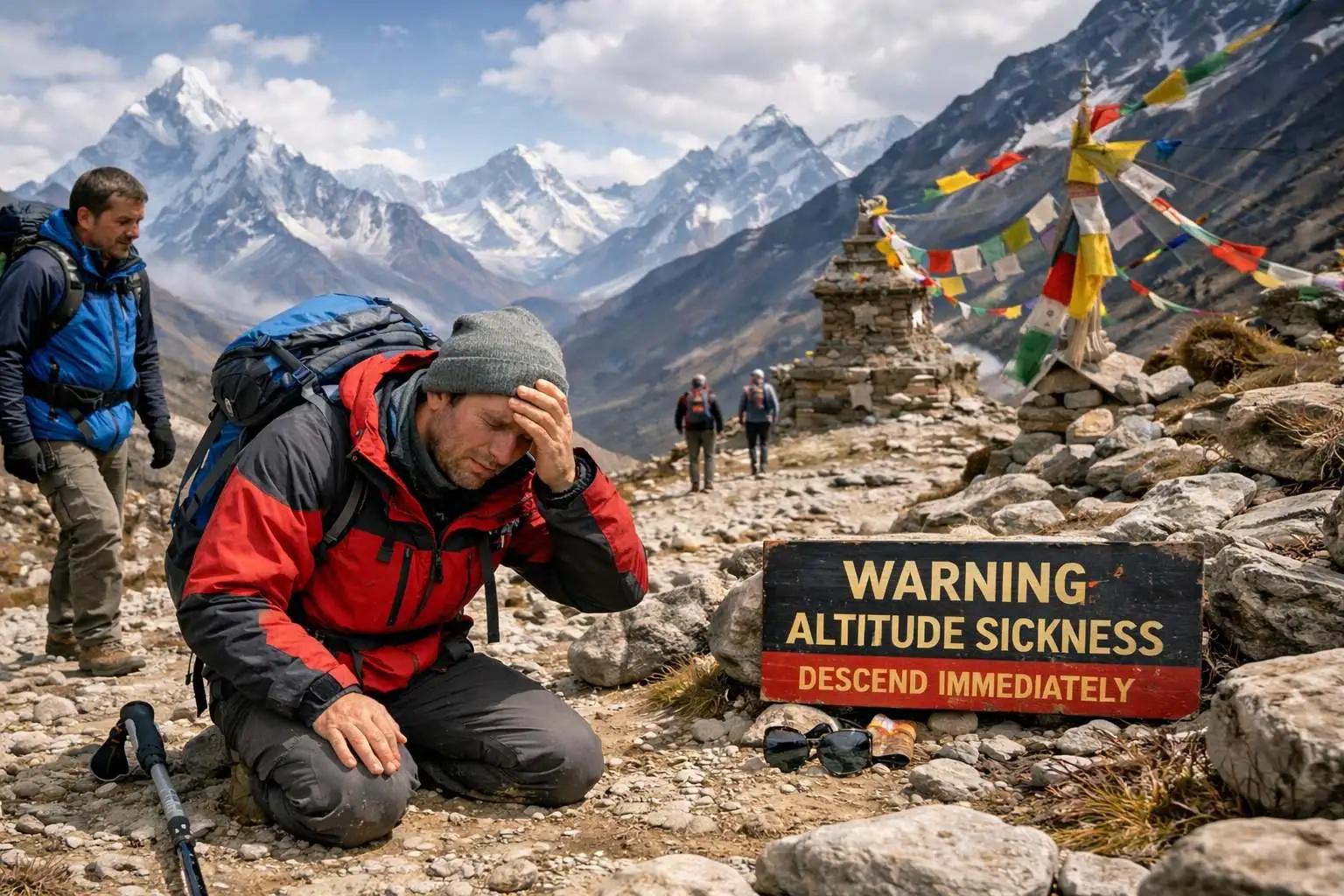
Your lungs work harder, your heart races, and a gentle uphill walk leaves you breathless, that’s what happens when you trek above 3,000 meters without proper preparation. Whether you’re planning to hike to Everest Base Camp, Annapurna Base Camp, Manaslu Circuit Trek, or the iconic Ghorepani Poon Hill, the difference between struggling with altitude sickness and thriving on a Himalayan trail often comes down to proper high altitude trekking preparation in the weeks before you arrive.
This guide covers everything you need: physical training for high altitude hiking, acclimatization strategies, altitude sickness prevention, breathing techniques, nutrition, and the gear that keeps you safe above the clouds.
Key Takeaways
- Start training 6–8 weeks before departure – cardio, strength work, and long practice hikes build the aerobic base you’ll rely on when oxygen is scarce.
- Acclimatization trumps fitness – even elite athletes get altitude sickness; gradual ascent and scheduled rest days matter more than your 5K time.
- Drink 3–4 liters of water daily while trekking – at 4,300 m you can lose up to 1,900 ml/day through breathing alone.
- Know the warning signs early – understanding the difference between mild AMS and life-threatening HAPE or HACE can save your life.
- Trek with experienced local guides – trained Sherpa guides monitor acclimatization, adjust your pace, and know when turning back is the right call.
What Is High Altitude and How Does It Affect Your Body?
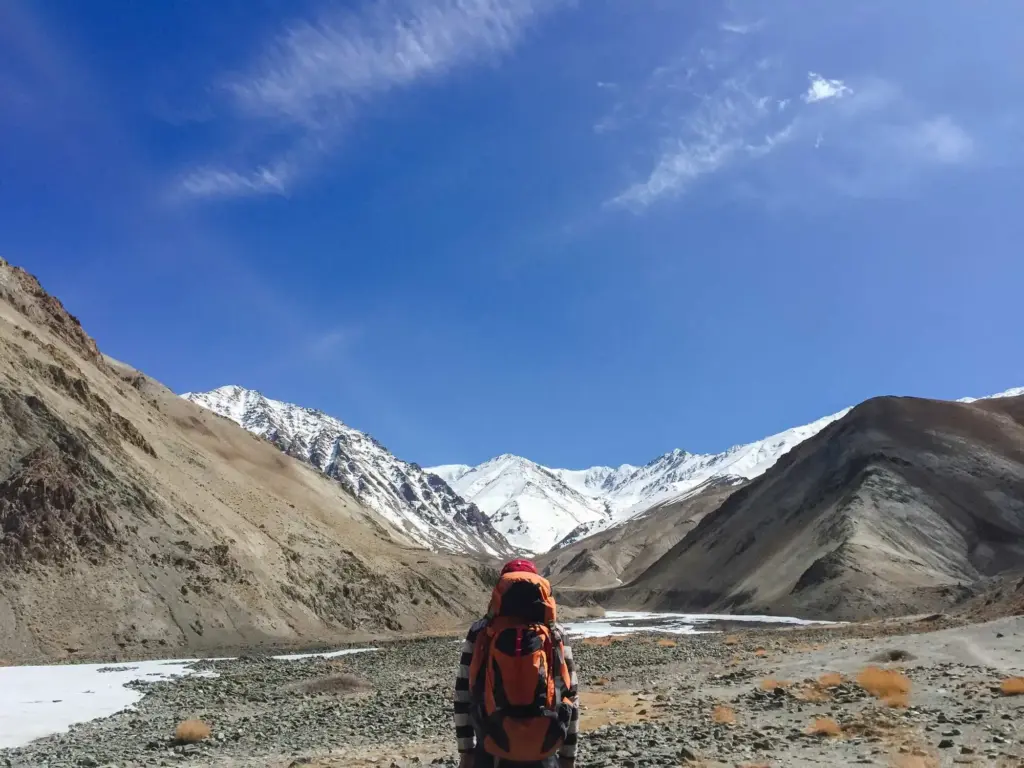
Above 2,400 meters (roughly 8,000 feet), each breath delivers significantly less oxygen than your body expects. At Everest Base Camp (5,364 m), the air contains about half the oxygen available at sea level. Your heart pumps faster, breathing quickens, and even a short uphill walk can leave you winded.
Understanding this and focusing on proper high altitude trekking preparation is essential to help your body adjust and reduce the risk of altitude sickness during Himalayan treks. The physiological effects compound as you climb higher:
- Reduced oxygen saturation – your blood carries less oxygen, making physical effort feel dramatically harder than it would at lower elevations.
- Increased respiration rate – faster breathing compensates partially but also pulls moisture from your body continuously.
- Accelerated dehydration – dry mountain air and rapid breathing combine to dehydrate you far faster than you realize.
- Disrupted sleep – periodic breathing (Cheyne-Stokes respiration) is common above 3,000 m and can reduce sleep quality.
- Reduced appetite – nausea and appetite loss are among the first signs your body is struggling to adjust.
At What Altitude Do You Need to Prepare for Elevation Change?
Not every hike calls for serious altitude sickness prevention. Once you cross certain thresholds, however, your body faces real physiological stress that demands a plan.
| Altitude Zone | Elevation Range | What to Expect | Nepal Treks in This Zone |
|---|---|---|---|
| Moderate | 1,500–2,400 m | Minimal effects for most people | Pokhara (827 m), lower trail sections |
| High | 2,400–3,600 m | Noticeable breathlessness; acclimatization begins | Lukla (2,860 m), Namche Bazaar (3,440 m) |
| Very High | 3,600–5,400 m | Significant altitude stress; rest days essential | ABC (4,130 m), EBC (5,364 m), Thorong La (5,416 m) |
| Extreme | Above 5,400 m | Body cannot fully acclimatize; limited exposure | High Himalayan peaks and mountaineering routes |
Popular Nepal treks span all of these zones. Even shorter routes like Ghorepani Poon Hill reach 3,210 m, high enough to warrant thoughtful preparation and a gradual ascent profile.
How to Prepare for High Altitude Hiking Before Your Trek?
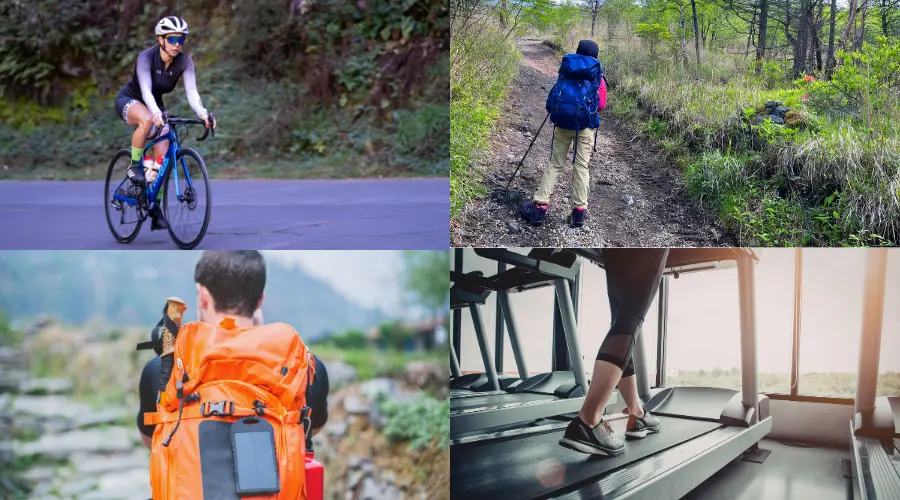
Physical preparation for high altitude hiking combines cardiovascular conditioning, strength building, and trek-specific practice. Starting 6–8 weeks before departure gives your body time to build the reserves you’ll draw on when oxygen is scarce, making high altitude trekking preparation an essential step for a safer and more comfortable Himalayan trekking experience.
1. Start Aerobic Conditioning Early
Cardiovascular endurance forms the foundation of altitude fitness. Running, cycling, or swimming three to five times weekly builds the oxygen-processing capacity your lungs and heart depend on. You don’t need extreme intensity, sustained, moderate effort over 30–45 minutes teaches your cardiovascular system to work efficiently under prolonged aerobic stress.
2. Add Hill Training and Stair Climbing
Flat cardio helps, but incline work directly simulates trekking demands. If you live near hills, incorporate them into your runs or walks. No hills nearby? Stair climbing works remarkably well. Fifteen to twenty minutes of stair climbing with a light pack mimics the repetitive uphill motion of a Himalayan trail and is among the most effective forms of high altitude hiking training.
3. Train With a Weighted Backpack
On trek, you’ll carry a daypack with water, snacks, and spare layers, typically 6–10 kg. Training with weight prepares your body for the added load. Start with 5–7 kg and increase progressively over several weeks. Progressive loading builds both muscular endurance and mental familiarity with sustained effort under weight.
4. Build Leg and Core Strength
Strong legs power you uphill; a stable core keeps you balanced on uneven terrain. Aim for two to three strength sessions weekly:
- Squats — build power for sustained uphill sections
- Lunges — develop stability for stepping over rocks and roots
- Calf raises — prepare ankles and calves for steep ascents and descents
- Step-ups — closely mimic the motion of climbing trail stairs and stone steps
- Planks and dead bugs — support posture and balance when carrying a pack all day
5. Complete Long Endurance Hikes on Weekends
Nothing replaces time on your feet. Weekend hikes of 3–5 hours on varied terrain condition your body for multi-day trekking. If possible, do back-to-back hiking days occasionally, consecutive days reveal how your body recovers overnight and closely simulate the cumulative fatigue of a real Himalayan trek.
Best Cardio Exercises for Preparing for High Altitude
Running and Jogging
Sustained running builds the aerobic base that altitude demands. Even 20–30 minutes of steady jogging improves your body’s ability to process oxygen efficiently. Progressively increase your long run to 60–90 minutes over your training period to closely replicate the sustained effort of a trekking day.
Cycling and Indoor Spinning
Cycling offers a low-impact alternative that still meaningfully challenges your cardiovascular system. Indoor spinning classes add intensity without the joint stress of running on pavement, a good option if you’re managing knee issues before departure.
Swimming for Controlled Breathing

Swimming teaches breath control under exertion, a skill that translates directly to trekking at altitude. The rhythmic breathing patterns developed in the pool help you stay calm and controlled when oxygen feels scarce on a steep climb, making it a valuable part of high altitude trekking preparation.
Stair Climbing and Step Machines
Stair climbing most closely mimics the mechanics of high altitude hiking. The repetitive stepping motion, especially with a weighted pack, directly prepares your legs and cardiovascular system for mountain trails. This is the single most transferable gym exercise for Nepal trekking preparation.
How to Train Your Lungs for High Elevation Hiking?
Your lungs can become more efficient at extracting oxygen, even if you can’t change the air itself. Targeted training improves VO2 max, your body’s maximum oxygen uptake during exercise, which directly affects how you feel at altitude.
Interval Training to Boost VO2 Max
Alternating high-intensity bursts with recovery periods forces your lungs to work harder and adapt. Hill sprints, cycling intervals, or fast stair climbing all work well. A simple protocol: 30 seconds of hard effort followed by 90 seconds of recovery, repeated 8–10 times. This pushes your respiratory system meaningfully beyond its comfort zone.
Diaphragmatic Breathing Practice
Most people breathe shallowly, using only the upper chest. Diaphragmatic breathing, expanding your belly as you inhale, maximizes oxygen intake with each breath. Practice lying down with one hand on your chest and one on your belly; the belly hand should rise first on the inhale. Five minutes of daily practice builds this pattern into an automatic habit on the trail.
High-Intensity Interval Workouts (HIIT)
Full-body HIIT sessions create the kind of oxygen debt you’ll experience on steep high-altitude sections. Burpees, jump squats, and mountain climbers challenge your respiratory system while building functional, trek-relevant strength. These sessions are especially valuable in the 3–4 weeks before departure.
Understanding Altitude Sickness: Symptoms and Warning Signs

Altitude sickness, medically known as Acute Mountain Sickness (AMS) and its more severe forms, can affect anyone, regardless of age, fitness level, or previous high-altitude experience. Knowing the symptoms is one of the most important parts of high altitude trekking preparation.
Mild Acute Mountain Sickness (AMS)
AMS is the most common form. Symptoms appear within 6–12 hours of arriving at a new elevation and include headache, nausea, fatigue, dizziness, and loss of appetite. Most cases resolve with rest, hydration, and staying at the same elevation. Do not ascend further until all symptoms have resolved.
Serious High Altitude Pulmonary Edema (HAPE)
HAPE involves fluid accumulating in the lungs. Warning signs include a persistent dry cough (sometimes producing pink frothy sputum), breathlessness even at complete rest, reduced exercise tolerance, and chest tightness. HAPE is a medical emergency, immediate descent is required. This is the leading cause of altitude-related death.
Critical High Altitude Cerebral Edema (HACE)
HACE occurs when fluid builds up on the brain. Symptoms include severe headache unresponsive to painkillers, confusion, loss of coordination (a simple “walk the line” test is useful), altered behavior, and eventually unconsciousness. HACE is life-threatening, descend immediately and seek emergency medical help. Understanding these risks is an important part of high altitude trekking preparation for anyone trekking in Himalayas.
Risk Factors That Increase Vulnerability to Altitude Sickness
- Previous history of altitude sickness on past trips
- Rapid ascent without adequate acclimatization
- Dehydration or poor pre-trek nutrition
- Pre-existing respiratory conditions (asthma, COPD)
- Alcohol consumption at altitude (nearly quadruples AMS risk)
- Overexertion in the first 24–48 hours at a new elevation
How Long Does It Take to Adjust to High Altitude?
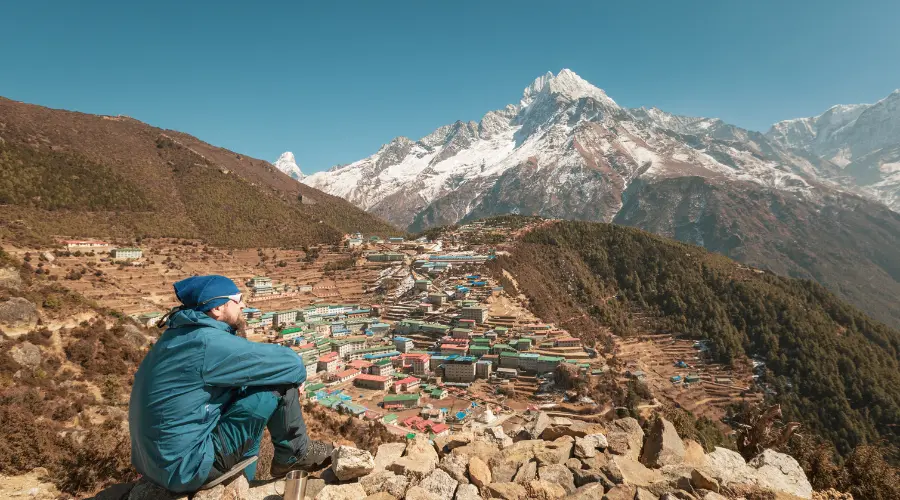
Acclimatization is gradual and varies significantly between individuals, even between the same individual on different trips. A Nepal study found AMS incidence reached 51% at 4,500–5,000 m, underscoring why well-designed itineraries with built-in flexibility matter so much.
Moderate Altitude (2,400–3,600 m)
Most people adjust within 1–2 days at moderate elevations. Many Nepal treks begin in this zone, Lukla sits at 2,860 m. Minor symptoms like mild headache and increased fatigue are common and typically resolve quickly with rest and hydration.
High Altitude (3,600–5,400 m)
This zone requires deliberate acclimatization. The CDC recommends limiting sleeping altitude gains to no more than 500 m per night above 3,000 m. Well-designed itineraries for the Everest Base Camp Trek and Annapurna Circuit Trek build this in automatically, with strategic rest days at key elevations like Namche Bazaar and Manang.
Extreme Altitude (Above 5,400 m)
The human body cannot fully acclimatize above 5,400 m. Time spent at extreme altitude is carefully managed, and summit bids on high peaks like Island Peak are timed to minimize exposure in the death zone, another reason why proper high altitude trekking preparation is essential for safety and success in high Himalayan environments.
Hydration and Nutrition for High Altitude Trekking
Why Your Body Needs More Water at Altitude?
Faster breathing and dry mountain air pull moisture from your body rapidly. At 4,300 m, research shows respiratory water loss can reach 1,900 ml per day, roughly the equivalent of a standard water bottle every hour you’re exerting yourself. You may not feel thirsty, but dehydration contributes to headaches, slows acclimatization, and degrades physical and cognitive performance.
Aim for 3–4 liters daily while trekking. Clear or light-colored urine is the most reliable indicator of adequate hydration on the trail.
Best Foods to Support Acclimatization
High-carbohydrate foods are the most efficient fuel for your body in low-oxygen environments, requiring less oxygen to metabolize than fat or protein. Nepal’s national staple, dal bhat (rice with lentil soup and vegetables), provides exactly the fuel profile mountain physiology demands, and it’s available at virtually every teahouse on the main trekking routes.
- Complex carbohydrates — rice, pasta, potatoes, oatmeal, dal bhat
- Iron-rich foods — lentils, leafy greens, and legumes support red blood cell production and oxygen transport
- Light, digestible meals — heavy meals strain your digestive system when oxygen is limited
- Ginger tea — widely used by local guides for nausea; also keeps you warm and hydrated
What to Avoid Before and During Your Trek
- Alcohol — depresses breathing, worsens dehydration, and dramatically increases AMS risk
- Sedatives and sleeping pills — suppress the respiratory drive during sleep, worsening overnight oxygen levels
- Heavy, fatty meals — difficult to digest when the body is already under altitude stress
- Excessive caffeine — contributes to fluid loss and can disrupt sleep quality at altitude
Breathing Techniques for Hiking at High Altitude

Pressure Breathing
Exhale forcefully through pursed lips, as if blowing out a candle in slow motion. This creates back-pressure in your lungs that improves oxygen exchange at the alveolar level. Himalayan guides routinely teach this technique before steep sections. Practice it on your training hikes so it becomes automatic.
The Rest Step Technique
Coordinate your breathing with your steps on steep terrain. On a hard climb, take one breath per step, inhale as you plant your foot, exhale as you step up. This maintains steady oxygen delivery during sustained effort and prevents the gasping that leads to dizziness and early fatigue, making it an effective technique in high altitude trekking preparation.
Diaphragmatic (Belly) Breathing
As described in the lung training section above, breathing from your diaphragm rather than your chest significantly increases oxygen intake per breath. This is particularly valuable during rest stops and at camp, slow, deep belly breaths help your body recover between effort bursts and can reduce the headache that often accompanies the first night at a new altitude.
Pranayama for Himalayan Trekkers
Yogic breathing techniques, particularly Nadi Shodhana (alternate nostril breathing) and Kapalabhati, have been used by Himalayan trekkers for generations. Research suggests pranayama practice can improve respiratory efficiency and reduce anxiety responses. Practicing for 10 minutes daily in the weeks before departure builds patterns that activate automatically when you need them most.
Acclimatization Strategies That Actually Work
Proper acclimatization matters more than physical fitness for altitude success. The world’s most accomplished mountaineers can still be turned back by altitude sickness. These strategies are non-negotiable on any serious high-altitude trek.
1. Follow the Climb High, Sleep Low Rule
Gain elevation during the day, then descend to sleep at a lower altitude. This classic mountaineering principle, credited to the late pioneering altitude physiologist Dr. Charles Houston, stimulates acclimatization during the day while reducing overnight strain on your cardiorespiratory system. Every well-designed itinerary on our Nepal trek packages uses this principle.
2. Limit Daily Elevation Gain – Especially in Sleeping Altitude
Gradual ascent gives your body the time it needs to produce more red blood cells and adapt blood chemistry. The key metric is your sleeping altitude, where your body does its recovery work. Above 3,000 m, limit sleeping altitude increases to 300–500 m per night. In practice, this means your itinerary will include days where you hike higher before returning to sleep lower.
3. Build Acclimatization Rest Days Into Your Itinerary
Rest days are not wasted days, they are the mechanism by which your body actually adapts. Strategic rest days at Namche Bazaar (3,440 m) on the Everest route and Manang (3,500 m) on the Annapurna Circuit are physiologically essential, not optional extras. When planning your trek, choose itineraries that prioritize your safety over speed.
Browse our properly acclimatized itineraries →
4. Listen to Your Body and Communicate Early
Report symptoms to your guide early, even mild ones. Experienced guides, many from Nepal’s Sherpa communities, who have generations of high-altitude lived experience, monitor trekkers continuously and can recognize subtle signs of distress before you’re aware of them yourself.
This awareness and communication are an important part of high altitude trekking preparation. There is no shame in slowing down, taking an extra rest day, or turning back, it’s the right call for your safety.
Medications and Natural Remedies for Altitude Adjustment

Acetazolamide (Diamox)
Diamox is the most widely prescribed medication for altitude sickness prevention. It works by stimulating the kidneys to excrete bicarbonate, which acidifies the blood and triggers deeper, faster breathing, helping your body take in more oxygen. It has a meaningful evidence base for preventing AMS when taken prophylactically.
Important: Diamox is a sulfonamide drug. It requires a prescription and should not be taken by people with sulfa allergies. Common side effects include tingling in the fingers and toes and increased urination. Consult your doctor well before departure to discuss whether it’s appropriate for you.
Ibuprofen for Altitude Headache
Recent research has supported ibuprofen as an alternative to Diamox for AMS prevention in people who cannot take acetazolamide. It is also the most effective OTC remedy for the headaches that accompany mild AMS. Avoid aspirin, which can cause stomach irritation at altitude.
Natural Remedies Used in Nepal
Local guides in Nepal have long recommended garlic soup (lasun ko thukpa), ginger tea, and warm lemon honey drinks for mild altitude symptoms. While rigorous clinical evidence is limited, many trekkers find these helpful, and they carry no adverse effects. Garlic in particular is believed to have mild vasodilatory properties that may support circulation at altitude.
When to Consult a Doctor Before Your Trek
- History of altitude sickness on previous trips
- Cardiovascular or respiratory conditions (heart disease, asthma, COPD)
- Medications that affect breathing, blood pressure, or fluid balance
- Pregnancy
- Any concerns about your fitness for high altitude travel
Essential Gear for High Altitude Hiking
Layered Clothing System
Temperatures at altitude can swing 30°C within a single day, from freezing at dawn to surprisingly warm midday sun and back to biting cold after sunset. Proper clothing choices are an important part of high altitude trekking preparation. A three-layer system is essential:
- Base layer — moisture-wicking merino wool or synthetic (avoid cotton)
- Mid layer — insulating fleece or down jacket
- Outer shell — waterproof, windproof jacket with hood
Sun and Eye Protection
UV radiation increases approximately 4% per 300 m gain in elevation. On snow or glaciers, this effect is amplified by reflection. Quality sunglasses rated to block UV400 (CE4 / glacier glasses for snow travel), SPF 50+ sunscreen, and SPF lip balm are essential, not optional.
Trekking Poles and Footwear
Trekking poles reduce leg strain on steep terrain by up to 25% and dramatically improve balance on uneven ground, river crossings, and loose scree. Break in your boots at home, blisters from new footwear are one of the most common preventable trek-enders. Your boots should be waterproof, ankle-supporting, and already comfortable before you land in Nepal.
Hydration and Water Treatment
Carry a 2-liter water bottle or hydration bladder, plus a purification method for refilling on the trail. Iodine tablets, squeeze filters (Sawyer Squeeze is popular), or UV pens (SteriPen) all work well in Nepal’s teahouse trekking environment. Boiled water is available at teahouses but adds cost over time.
Pulse Oximeter
A small fingertip pulse oximeter lets you monitor your blood oxygen saturation (SpO2) throughout the trek. At sea level, healthy SpO2 is 95–100%. Below 3,000 m expect 90–95%; at 5,000 m+ readings of 75–85% are common. A sharp drop in your personal baseline, especially combined with symptoms, is a clear signal to rest or descend. Our guides carry pulse oximeters on all treks.
How Experienced Guides Keep You Safe at High Altitude?
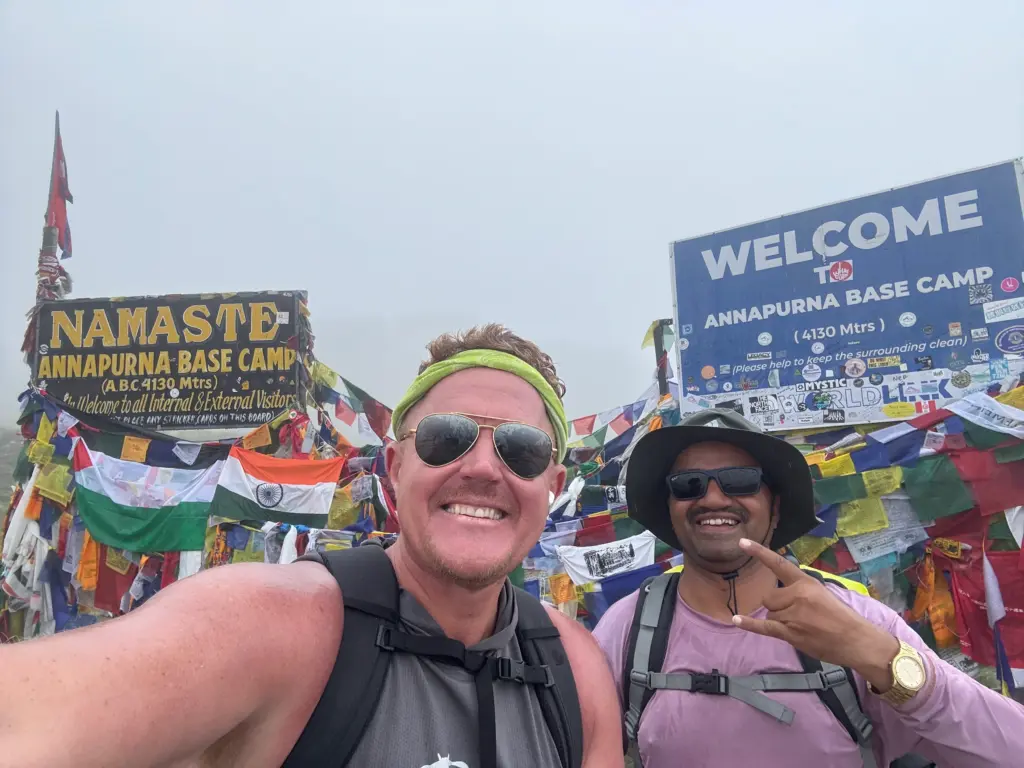
With more than 20 years of experience guiding treks across Nepal’s highest regions, the team at Hi Nepal Travels & Treks has an uncompromising commitment to trekker safety. Here’s how our guides make a measurable difference:
- Daily condition monitoring – your guide assesses your symptoms, SpO2, and recovery each morning before setting off
- Pace management – experienced guides set a pace matched to the slowest member, not the fastest
- Itinerary flexibility – rest days can be extended; ascents can be slowed; your guide has the authority to make these calls
- Emergency preparedness – our guides carry first aid kits, pulse oximeters, and in some cases Gamow bags (portable hyperbaric chambers)
- Helicopter evacuation coordination – Nepal has helicopter rescue services, and our operations team can coordinate emergency evacuation 24/7
- Local knowledge – Sherpa and locally trained guides know every teahouse, every shortcut to lower altitude, and every satellite phone location on the trail.
Top High Altitude Trekking Preparation Tips Before Departure
1. Choose an Itinerary With Proper Acclimatization Built In
Be skeptical of the shortest possible itinerary. A trek that saves two days dramatically increases altitude sickness risk. Choose operators, like Hi Nepal Travels & Treks, that prioritize safety over speed and build in strategic rest days. Also plan your departure around the best trekking seasons in Nepal, spring (March–May) and autumn (September–November) offer the most stable weather and trail conditions.
2. Get a Medical Checkup Before Departure
Visit your GP or a travel medicine specialist, especially if you have any health conditions or a history of altitude issues. Discuss prophylactic medications, arrange any necessary prescriptions, and get your general health formally assessed before committing to a high-altitude route.
3. Arrive a Day or Two Early in Kathmandu or Pokhara
Arriving a couple of days before your trek begins lets you recover from jet lag and long-haul travel fatigue. Kathmandu sits at 1,400 m, gentle pre-acclimatization before you head into the mountains. Use the time to repack your kit, enjoy some Nepali food, and visit cultural sites like Boudhanath Stupa or Pashupatinath Temple.
4. Test All Gear Before You Leave Home
Break in your boots on real hikes, not just around the block. Test your layering system on a cold, wet day. Ensure your water treatment works. Discovering problems on day three of an Everest Base Camp trek is far more frustrating, and potentially dangerous, than discovering them at home.
5. Practice Your Breathing Techniques Daily
Make diaphragmatic breathing and pressure breathing daily habits in the weeks before departure. When you’re exhausted on a 1,000 m ascent, the techniques become automatic rather than something you have to consciously remember and implement.
6. Download an Offline Map and Know the Emergency Numbers
Apps like Maps.me and Wikiloc allow offline GPS trekking maps of Nepal. Your Hi Nepal guide will have all emergency contacts, but having them yourself adds an extra layer of safety.
Frequently Asked Questions About High Altitude Trekking Preparation
-
Can I prepare for high altitude trekking if I live at sea level?
Yes. You can build excellent fitness at sea level through cardio conditioning, strength training, stair climbing with a weighted pack, and HIIT sessions. Consistent aerobic training in the 6–8 weeks before your trek is the most important preparation variable within your control. Acclimatization happens on the mountain, the job of pre-trek training is to give you the physical reserves to handle what altitude throws at you.
-
At what altitude do you need oxygen when hiking?
Supplemental oxygen is typically reserved for extreme mountaineering above 7,000–8,000 m (in the “death zone”). The popular Himalayan treks, including Everest Base Camp at 5,364 m, do not require supplemental oxygen. With proper preparation and a well-paced itinerary, most healthy trekkers can complete Nepal’s high-altitude routes without supplemental oxygen.
-
How long does it take to adjust to high altitude?
At moderate altitudes (2,400–3,600 m), most people adjust within 1–2 days. At very high altitudes (3,600–5,400 m), acclimatization is ongoing and requires deliberate rest days and limited daily elevation gains. Full physiological adaptation, including increased red blood cell production, takes several weeks, which is why even a long trek only partially acclimatizes your body.
-
Does physical fitness determine how well I acclimatize?
No. This is one of the most common misconceptions about high altitude hiking preparation. Fitness determines how much physical output you can sustain, but it does not protect you from altitude sickness. AMS, HAPE, and HACE are physiological responses to low oxygen that can affect anyone. Gradual ascent and adequate acclimatization time matter far more than your fitness level.
-
How do I know if my acclimatization is going well during the trek?
Positive signs include sleeping well (or better each night), maintaining your appetite, feeling stronger and more energetic each day, and stable or improving SpO2 readings. Red flags include persistent or worsening headaches despite rest and hydration, loss of appetite on day 2+, difficulty sleeping, and any confusion or coordination problems. Communicate with your guide immediately if you notice the latter.
-
Is it safe to trek at high altitude with asthma or heart conditions?
Many people with well-controlled asthma or stable cardiac conditions trek successfully in Nepal. The key is pre-trek medical clearance from your doctor and transparent communication with your trek operator so guides can monitor you appropriately. Certain conditions, like pulmonary hypertension or severe COPD, may make high-altitude trekking inadvisable. Always get professional medical advice specific to your situation.
-
What are the best Nepal treks for first-time high altitude hikers?
The Ghorepani Poon Hill Trek (3,210 m) and Annapurna Base Camp Trek (4,130 m) are ideal for first-timers — both feature gradual ascent profiles and shorter high-altitude exposure. The Annapurna Circuit includes built-in acclimatization days at Manang. For those aiming for the classic, the Everest Base Camp Trek with a proper 14+ day itinerary includes strategic rest days and is achievable for well-prepared trekkers.
-
What happens if I need emergency evacuation due to altitude sickness in Nepal?
Nepal has excellent helicopter evacuation infrastructure specifically for altitude emergencies. Reputable operators like Hi Nepal Treks include emergency protocols and maintain communication systems on all high-altitude routes. We strongly recommend purchasing comprehensive travel insurance that explicitly covers high-altitude trekking and helicopter evacuation before your trip, this is non-negotiable for any trek above 3,500 m.