
Manaslu Region
Manaslu Region Trekking in Nepal – Nepal’s Hidden Himalayan Adventure
Meta title: Manaslu Region Trekking in Nepal | Circuit Trek, Cost & Permit
Meta description: Plan your Manaslu Region trek in Nepal. Explore the Manaslu Circuit, permits, cost, itinerary & best time for this remote Himalayan adventure.
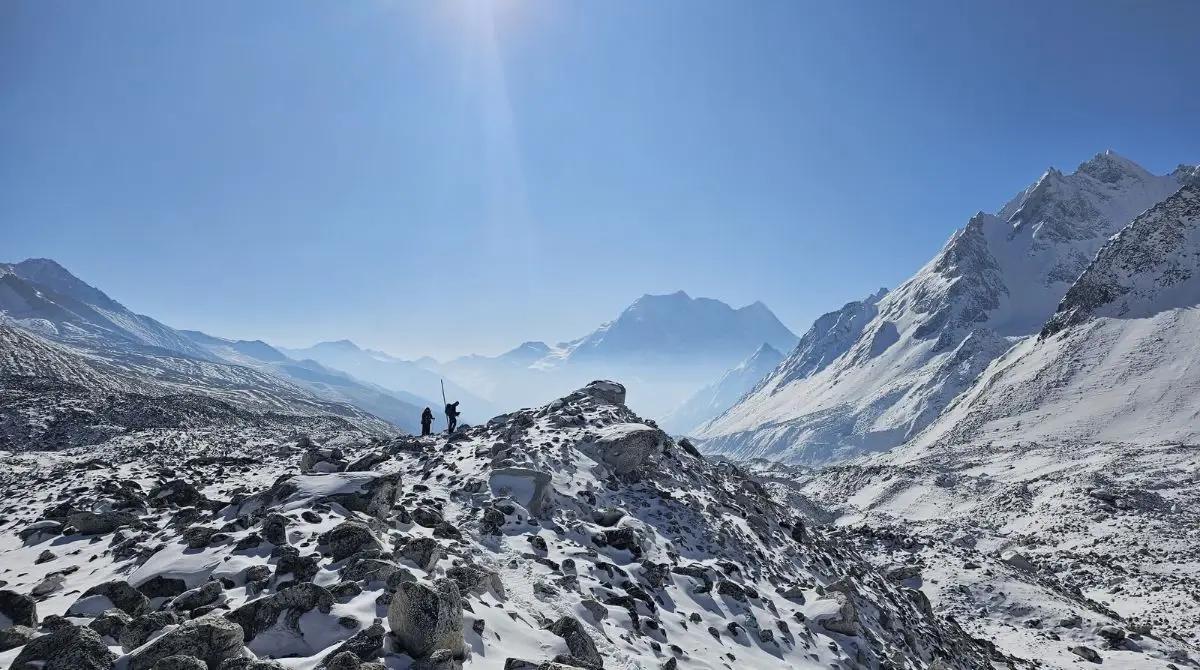
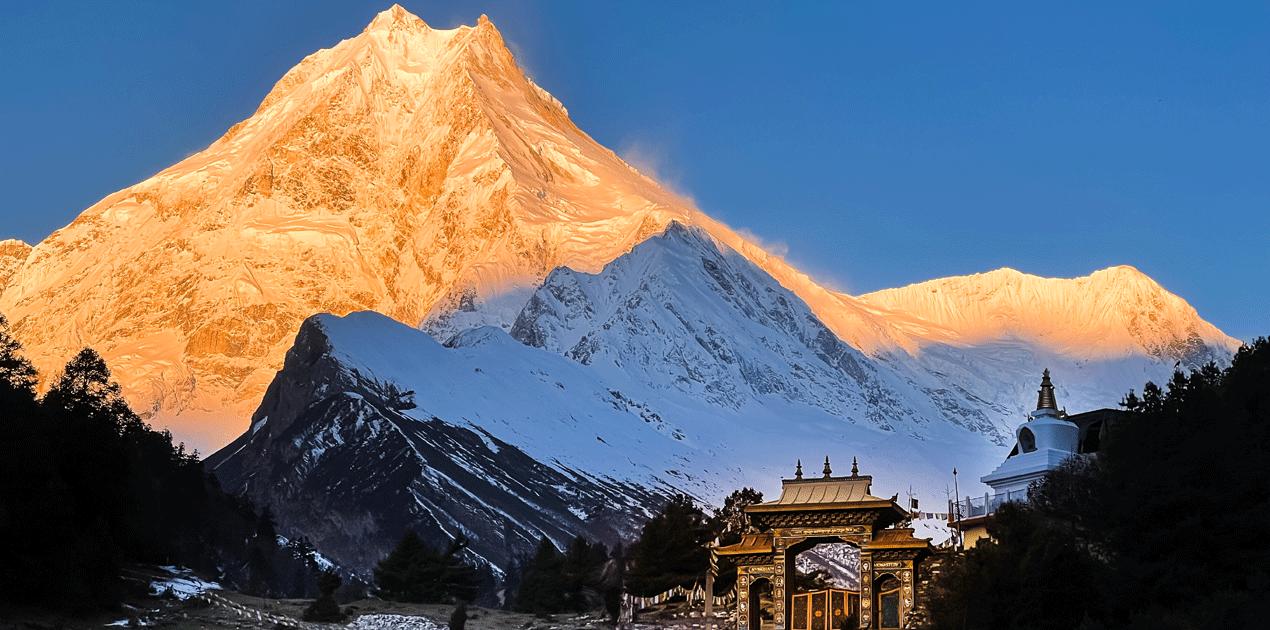
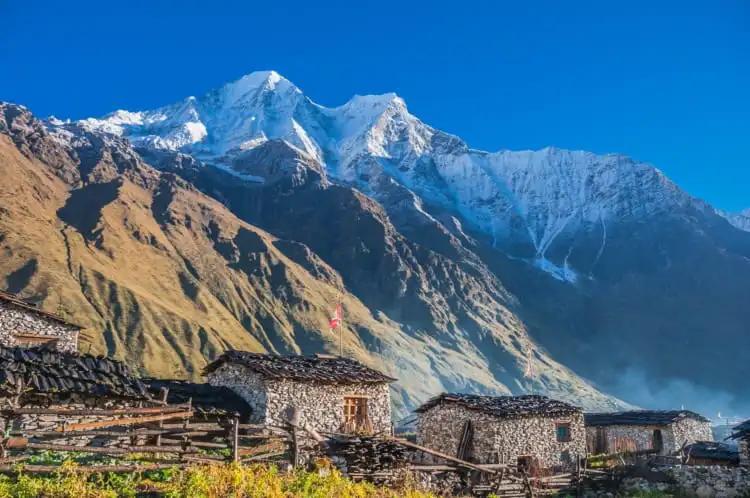
The Manaslu Region, located in western Nepal, is one of the most pristine and remote trekking destinations in the Himalayas, centered around Mount Manaslu (8,163 m), the 8th highest peak in the world. Known as the “Soul of the Himalayas,” the region offers off-the-beaten-path trekking experiences in Nepal, featuring lush rhododendron and oak forests, terraced farmland, alpine meadows, glacial rivers, and rugged high-altitude passes.
Trekking enthusiasts can explore popular routes such as the Manaslu Circuit Trek (14 days), Tsum Valley Trek (12 days), and the combined Manaslu-Tsum Valley Circuit Trek (20 days), crossing Larkya La Pass, Samagaon, Samdo, Dharamsala, and the sacred Tsum Valley villages of Lihi, Chhekampar, and Mu.
The Manaslu Region is rich in Tibetan Buddhist culture and heritage, with ancient monasteries like Ribung Monastery and Samagaon Gompa, sacred mani walls, chortens, and colorful prayer flags, and vibrant festivals such as Lhosar, Buddha Jayanti, and unique Tsum Valley rituals.
Trekkers experience authentic Himalayan village life, including traditional farming, yak herding, and local handicrafts, while trekking through trails offering spectacular wildlife sightings, including Himalayan tahr, musk deer, and native bird species. The region also features majestic panoramic views of Mount Manaslu, Himalchuli, Ngadi Chuli, Ganesh Himal, and Larke Peak, making it a paradise for high-altitude adventure and photography.
This Manaslu Region trekking is ideal for travelers seeking remote trekking in Nepal, off-the-beaten-path Himalayan adventures, cultural exploration, spiritual journeys, and high-altitude trekking experiences.
Highlights of Manaslu Region Trekking, Nepal
The Manaslu Region offers trekkers a unique combination of adventure, cultural immersion, and Himalayan scenery. From majestic peaks to remote villages and ancient monasteries, every part of the region is packed with unforgettable experiences.
-
Majestic Himalayan Views
Witness Mount Manaslu (8,163 m) along with Himalchuli, Ganesh Himal, and Larke Peak. -
High-Altitude Adventure
Cross the thrilling Larkya La Pass (5,160 m) with stunning glacier and mountain views. -
Rich Culture & Remote Villages
Explore Gurung and Tibetan-influenced villages like Samagaon, Samdo, and Tsum Valley. -
Sacred Monasteries
Visit ancient Buddhist monasteries, chortens, and prayer flags reflecting deep spiritual heritage. -
Diverse Nature & Wildlife
Trek through forests, rivers, and alpine landscapes with chances to spot Himalayan wildlife. -
Off-the-Beaten-Path Experience
Enjoy a peaceful, less-crowded alternative to Everest and Annapurna treks.
Manaslu Region Trekking Popular Trails
1. 14-Day Manaslu Circuit Trek
The Manaslu Circuit Trek is the classic high-altitude adventure, circling Mount Manaslu (8,163 m) over 14 days. Trekkers traverse diverse terrain, including lush river valleys, terraced fields, pine and rhododendron forests, steep high passes, and glacial moraines. The trek passes through traditional villages, including Jagat, Deng, Namrung, Samagaon, Samdo, and Dharamsala, before crossing the Larkya La Pass (5,160 m).
Daily Experience & Terrain:
-
Jagat to Namrung: Gentle climbs along terraced farmland, rivers, and forested valleys
-
Namrung to Samagaon: Moderate elevation gain with views of Manaslu and Himalchuli
-
Samagaon to Samdo: Small villages with Tibetan-style houses, mani walls, and monasteries
-
Samdo to Larkya La Pass: Challenging high-altitude pass, rocky terrain, snowfields, and panoramic Himalayan vistas
Cultural & Spiritual Highlights:
-
Visit Samagaon Monastery
-
See chortens and prayer flags in villages
-
Experience Gurung and Tibetan-influenced traditions
-
Interact with locals practicing yak herding, traditional farming, and handicrafts
Why It’s Special:
-
Combines adventure, high-altitude trekking, and cultural immersion
-
Less crowded than Everest or Annapurna treks, offering an authentic Himalayan experience
-
Excellent for photography, wildlife spotting, and spiritual exploration
2. 12-Day Tsum Valley Trek
The Tsum Valley Trek is a culturally focused trekking route that explores the spiritually rich, remote Tsum Valley, often referred to as the “Hidden Valley of Nepal.” This trek is ideal for travelers who want peaceful trekking, cultural discovery, and spiritual immersion.
Daily Experience & Terrain:
-
Entry via Jagat and Philim: Gentle valley walks along rivers and forested trails
-
Lihi to Chhokang Paro: Remote settlements with traditional Tibetan-style houses, mani walls, and chortens
-
Mu Village: The cultural and spiritual heart of Tsum Valley; visit Ribung Monastery, interact with monks, and participate in local rituals
Cultural & Spiritual Highlights:
-
Observe Tsum Valley festivals like Lhosar and Buddha Jayanti
-
Experience daily village life, traditional farming, and crafts
-
Visit ancient monasteries and sacred spiritual sites, learning about Tibetan Buddhism
Why It’s Special:
-
Ideal for less-crowded, off-the-beaten-path trekking
-
Offers unique cultural experiences unavailable on other Manaslu routes
-
Excellent for photographers, cultural enthusiasts, and spiritual travelers
3. 20-Day Manaslu-Tsum Valley Circuit Trek
The Manaslu-Tsum Valley Circuit Trek combines the best of adventure and culture over 20 days. Trekkers experience the high-altitude challenges of the Manaslu Circuit and the cultural richness of the Tsum Valley, making it a comprehensive Himalayan adventure.
Daily Experience & Terrain:
-
Jagat to Namrung: Gentle valley paths with rivers and terraced fields
-
Samagaon to Samdo: Moderate to strenuous climb, remote Himalayan villages, mani walls, and monasteries
-
Tsum Valley Exploration: Cultural immersion in Lihi, Chhekampar, Chhokang Paro, and Mu, witnessing Buddhist festivals and rituals
-
Larkya La Pass (5,160 m): Challenging high pass with panoramic Himalayan views of Manaslu, Himalchuli, Ngadi Chuli, and Ganesh Himal
Cultural & Spiritual Highlights:
-
Visit Samagaon and Ribung Monastery, observe chortens and mani walls
-
Experience Tsum Valley festivals, local traditions, and village life
-
Observe yak herding, traditional crafts, and Buddhist rituals along the trail
Why It’s Special:
-
Ultimate Manaslu trekking experience combining adventure, high-altitude trekking, and deep cultural immersion
-
Less-crowded trails for authentic Himalayan exploration
-
Ideal for experienced trekkers, photographers, and cultural enthusiasts
Manaslu Conversation Area (MCA)
The Manaslu Conservation Area (MCA) is a protected region in Nepal established in 1998 to conserve the natural environment and cultural heritage of the Manaslu region. Covering 1,663 square kilometers, it ranges in altitude from 600 meters to 8,163 meters at Mount Manaslu, creating diverse landscapes from subtropical forests to high Himalayan glaciers. The area is managed by the National Trust for Nature Conservation and is known for its rich biodiversity and traditional Tibetan-influenced culture. It is also a restricted trekking area, which helps preserve its natural beauty and maintain a less crowded, authentic trekking experience.
Key Points:
-
The highest trekking point in the region is Larkya La Pass (5,106m), a major highlight of the Manaslu Circuit Trek.
-
Classified as a restricted area, requiring special permits and a licensed guide.
-
Features six climatic zones and 11 forest types, making it a biodiversity hotspot.
-
Home to over 2,000 plant species, including rhododendron and medicinal herbs like Yarsagumba.
-
Supports rare wildlife such as snow leopard, red panda, Himalayan tahr, and blue sheep.
-
Contains over 110 bird species, including the Himalayan monal (Danphe) and golden eagle.
Culture of the Manaslu Region, Nepal: Traditions, Lifestyle, and Festivals
The Manaslu region is not just home to towering peaks and pristine natural beauty—it is a living cultural landscape where mountains are revered as sacred deities. Locals call Mount Manaslu the “Mountain of the Spirit,” and it forms the spiritual backbone of the region. As you trek, you move through two distinct cultural worlds: the Hindu-influenced middle hills and the Tibetan-Buddhist highlands, each offering unique customs, festivals, and ways of life.
The Two Cultural Valleys
The upper Manaslu region is divided into two primary ethnic enclaves, each with its own identity, architecture, and traditions:
Nubri Valley – The Heart of Manaslu
-
Inhabited by the Nubri people, descendants of Tibetan immigrants from the 16th century.
-
Life here revolves around Ribung Gompa in Lho and the expansive yak pastures of Samagaon.
-
Architecture: Flat-roofed stone houses designed to withstand strong Himalayan winds.
-
Daily life blends spiritual practice with agriculture and animal husbandry.
Tsum Valley – The Hidden Beyul
-
Known as the “Valley of Happiness,” Tsum Valley is a sacred Himalayan pilgrimage site.
-
The Tsumba people follow the Shyagya tradition, a centuries-old pact of non-violence.
-
Strictly vegetarian: hunting, animal slaughter, and honey collection are forbidden, making it one of Nepal’s most ethically preserved cultural zones.
-
Offers an authentic insight into Tibetan-Buddhist spiritual life, monasteries, and meditation practices
Local Lifestyle & Traditions
-
Spiritual Etiquette: Mani walls (stone tablets carved with mantras) and Chortens (stupas) are found throughout the valleys. Trekkers should always walk clockwise around these structures to show respect.
-
Agro-Pastoral Economy: High-altitude farming includes buckwheat, barley, and potatoes, while yaks are central to transportation, wool, and butter for traditional tea.
-
Polyandry: Historically, some villages practiced fraternal polyandry (brothers sharing one wife) to keep family land intact, though this practice is becoming rare among younger generations.
Traditional Food & Drink
The Manaslu region offers unique high-altitude cuisine that supports both locals and trekkers:
-
Salted Butter Tea (Su-Chya): Traditional tea made with yak butter and salt—perfect for energy and hydration in cold climates.
-
Tsampa: Roasted barley flour, often mixed with butter tea to form a dense, nutritious dough.
-
Dhindo: Thick porridge made from buckwheat or millet, served with fermented greens (Gundruk), a staple for high-altitude survival.
Tip: While teahouses offer standard trekker food, trying local dishes like tsampa and dhindo is a cultural experience in itself
Festivals and Local Rituals
The Manaslu Region is rich in festivals and cultural rituals, which often coincide with trekking seasons:
Lhosar (Tibetan New Year):
- Celebrated with masked dances, prayers, and community feasts in villages like Samagaon and Samdo.
Buddha Jayanti:
- Marks the birth of Buddha; locals perform rituals, prayers, and visits to monasteries.
Tsum Valley Ceremonies:
-
Include prayers for health, livestock protection, and successful harvests.
-
Villagers perform local rituals unique to Tsum Valley, providing trekkers with rare insights into Himalayan spirituality.
Other Local Traditions:
- Seasonal rituals may include offerings of butter lamps, chanting, and sacred dances, often unseen in more commercialized trekking areas.
Cultural Do’s and Don’ts
-
Do respect monasteries and religious sites: Walk clockwise around Mani walls and Chortens.
-
Do dress modestly when visiting villages or temples.
-
Do ask permission before taking photographs of people or sacred rituals.
-
Don’t hunt, slaughter, or collect animal products, especially in Tsum Valley.
-
Don’t disturb local festivals or religious ceremonies.
These guidelines ensure trekkers experience Manaslu respectfully while preserving the region’s spiritual and cultural integrity.
Is the Manaslu Circuit Trek Difficult? What to Expect in 2026
The Manaslu Circuit Trek is officially rated as Moderate to Challenging (Strenuous). While no technical climbing skills, ropes, or crampons are required under normal conditions, the trek is physically demanding due to its remote location, rugged terrain, and steep altitude gains. Compared to the Annapurna Circuit, Manaslu is more challenging because of fewer facilities, longer days, and the high-altitude Larkya La Pass.
In 2026, trail improvements between Jagat and Samagaon have made the lower sections smoother, but the Larkya La crossing at 5,106 meters remains the trek’s toughest test of endurance. Daily walking ranges from 6 to 8 hours, covering approximately 177 km, with the pass day often stretching to 10 hours. Because the region is less commercialized, teahouses are simpler, and medical facilities are limited, making proper physical preparation and slow acclimatization essential—especially at Samagaon (3,530m) and Samdo (3,875m).
Key Trekking Challenges in 2026
| Challenge Factor | Difficulty Level | 2026 Reality Check |
| Max Altitude | High | Larkya La Pass at 5,106m, oxygen levels ~50% of sea level. |
| Daily Distance | Moderate | 12–22 km per day; total trek ~177 km. |
| Terrain | Rugged | Rocky moraines, steep switchbacks, and suspension bridges. |
| Technicality | Non-Technical | No ropes or crampons needed unless trekking in heavy winter snow. |
| Physical Preparation | High | Recommended 12+ weeks of cardio and strength training. |
The “Larkya La” Factor: The Trek’s Highlight and Challenge
The Ascent
-
Begins very early, usually 3:00 AM, to avoid high-altitude winds and icy conditions.
-
Climbers face a slow, rhythmic grind up a frozen glacial moraine.
-
Requires steady pacing and mental focus, as the altitude can make breathing difficult.
The Descent
-
Drops nearly 1,400 meters in a few hours from Dharamsala (4,460m) to Bhimtang (3,720m).
-
The steep descent can be hard on knees, making trekking poles essential.
-
Despite being non-technical, it demands careful footing and leg endurance.
Tips for Managing Difficulty
-
Acclimatize Slowly: Spend extra nights in Samagaon and Samdo to reduce altitude sickness risk.
-
Physical Training: Focus on cardio, leg strength, and endurance before the trek.
-
Pack Smart: Lightweight backpack, trekking poles, layered clothing, and proper footwear.
-
Hydration and Nutrition: Drink plenty of water and consume high-energy snacks daily.
-
Mental Preparedness: Long walking days, cold mornings, and remote conditions require resilience and patience.
Trekking Permits in the Manaslu Region, Nepal – Complete and Detailed Guide
The Manaslu Region is one of Nepal’s most pristine and remote trekking destinations. Because it is designated as a restricted area, trekkers are required to obtain special permits before entering. These permits serve multiple purposes: protecting the natural environment, cultural heritage, wildlife, and ensuring safety for high-altitude trekkers.
Entering the Manaslu Region without the proper permits is illegal, and all foreign trekkers must travel with a licensed local guide. Understanding the different permits, their costs, validity, and the rules associated with them is crucial for a smooth, legal, and safe trekking experience.
Manaslu Restricted Area Permit (RAP)
The Manaslu Restricted Area Permit (RAP) is mandatory for anyone trekking the Manaslu Circuit. This permit controls the number of visitors in the region, helping to preserve its ecological and cultural integrity.
Details and Costs:
-
Who Needs It: All foreign trekkers entering the Manaslu Circuit, including villages like Jagat, Samagaon, Samdo, and Dharamsala.
-
Cost: Usually USD 70–100 per person for 8–15 days. Longer treks incur extra fees.
-
Where to Obtain: Kathmandu at the Department of Immigration or through licensed trekking agencies. Agencies often handle the application as part of a trekking package, saving time and ensuring compliance.
Rules & Tips:
-
Original permit required: Photocopies are not accepted by authorities.
-
Permit validity: Must cover your entire trekking period, including any rest days or unplanned extensions.
-
Mandatory guide: You cannot trek the Manaslu Circuit without a licensed local guide, who ensures compliance with permit regulations and safety guidelines.
-
Environmental responsibility: RAP encourages trekkers to minimize waste, respect sacred sites, and follow designated trails.
Tsum Valley Special Permit
The Tsum Valley Special Permit is required for trekking inside the Tsum Valley, a culturally sacred area known for its Tibetan Buddhist heritage, ancient monasteries, and traditional villages.
Details and Costs:
-
Who Needs It: Anyone visiting the Tsum Valley, including villages like Lihi, Chhekampar, Chhokang Paro, and Mu.
-
Cost: USD 40–50 per person; sometimes included with RAP for combined Manaslu-Tsum treks.
-
Where to Obtain: Through trekking agencies in Kathmandu or at Arughat, the gateway to Tsum Valley.
TIMS Card (Trekkers’ Information Management System)
The TIMS Card is a mandatory safety tracking system for all trekkers in Nepal, including those trekking in the Manaslu Region. It helps authorities monitor trekking traffic and assist in emergencies.
Details and Costs:
-
Who Needs It: All foreign trekkers.
-
Cost: USD 20 per person for individual trekkers; group trekkers may pay a bulk fee.
-
Where to Obtain: Kathmandu (Thamel) or trekking starting points like Soti Khola or Arughat. Some agencies also offer online registration.
Rules & Tips:
-
Always carry the TIMS card along with RAP and Tsum Valley permit.
-
Authorities may check TIMS cards at checkpoints, especially in Samagaon, Samdo, and Larkya La Pass.
-
TIMS is essential for emergency rescues, especially in high-altitude or remote regions.
Why Permits Are Essential
Permits in the Manaslu Region ensure:
-
Conservation of Nepal’s Himalayan environment
-
Protection of Tibetan Buddhist culture and traditions
-
Regulated trekking traffic to maintain remote village life
-
Safety of trekkers in high-altitude, remote areas
Best Seasons for Trekking in the Manaslu Region, Nepal
The Manaslu Region is one of Nepal’s most pristine and less-crowded trekking destinations, offering a range of treks from cultural explorations to high-altitude challenges. The best seasons for trekking Manaslu Region are spring (March–May) and autumn (September–November), but the suitability depends on the trek type, altitude, and desired experience.
-
Spring (March–May):
Enjoy blooming rhododendrons, lush forests, and moderate temperatures. Clear skies offer stunning views of Mount Manaslu, Himalchuli, Ganesh Himal, and Larke Peak, making it ideal for photography and scenic trekking. -
Autumn (September–November):
This is the most popular trekking season due to dry trails, crisp air, and excellent visibility of Himalayan peaks. Festivals and cultural events in villages along the trek make it perfect for cultural immersion. -
Winter (December–February):
Trekking is possible for experienced trekkers, but high passes like Larkya La Pass may be snow-covered and challenging. -
Monsoon (June–August):
Not recommended because heavy rainfall causes slippery trails, landslides, and blocked paths, although the region becomes lush and green.
Why the Manaslu Region Stands Out as a Trekking Destination in Nepal?
The Manaslu Region, located in western Nepal, is one of the country’s most pristine and off-the-beaten-path trekking destinations. Unlike Everest or Annapurna, which attract large crowds, Manaslu offers serenity, untouched landscapes, and authentic cultural experiences, making it ideal for travelers seeking a holistic Himalayan adventure.
Trekking here is not just a physical challenge, it is a journey through history, culture, and spirituality. The region combines high-altitude adventure, remote villages, sacred monasteries, and ancient trails, creating an experience that engages the body, mind, and soul.
Key Reasons Why Manaslu Stands Out
Less Crowded and Untouched Trails
-
Trails remain quiet, offering a peaceful trekking experience.
-
Villages like Samagaon, Samdo, and Namrung feel authentic, with minimal tourist infrastructure.
-
Trekkers can enjoy pristine mountain views, including Mount Manaslu, Himalchuli, Ngadi Chuli, and Ganesh Himal, without distraction.
Rich Cultural and Tibetan Influence
-
Villages preserve traditional Tibetan-influenced architecture, prayer flags, mani walls, and chortens.
-
Local communities practice Tibetan Buddhism, wearing traditional attire and maintaining centuries-old rituals.
-
Remote Tsum Valley settlements (Lihi, Chhekampar, Chhokang Paro, Mu) showcase unique festivals and ceremonies unseen in more commercial trekking regions.
-
Trekkers experience authentic Himalayan lifestyles, from yak herding to traditional farming.
Adventure and High-Altitude Challenges
-
Trek across Larkya La Pass (5,160 m), one of the highest passes in Nepal, offering breathtaking panoramic views.
-
The combination of rugged terrain, alpine meadows, and glacial valleys provides both adventure and scenic beauty.
-
Suitable for trekkers seeking both physical challenge and cultural immersion.
Sustainable and Authentic Tourism
-
Permits regulate trekking traffic, protecting both the environment and local culture.
-
Tea houses and lodges are locally run, supporting Himalayan communities.
-
Minimal commercialization allows for authentic interactions with villagers and monks.
Ready to Experience the Manaslu Circuit? The Ultimate Off-the-Beaten-Path Adventure
Are you prepared to trade the crowded trails of Everest for the raw, untouched beauty of the Manaslu Region? Scaling the foothills of the world’s eighth-highest peak, the Manaslu Circuit Trek offers an unparalleled blend of Tibetan-influenced culture and high-altitude challenge. In 2026, this "restricted area" remains Nepal’s best-kept secret, requiring a mandatory guide and a minimum of two trekkers to preserve its pristine wilderness.
Plan your trek with Hi Nepal Travles and Treks today!!
Contact us: [email protected], +977 9856035091
FAQ’s About Manaslu Circuit Trek
1. How difficult is the Manaslu Circuit Trek?
The trek is rated Moderate to Challenging (Strenuous). It is physically demanding due to rugged trails, steep ascents, and the high-altitude Larkya La Pass (5,106m). While no technical climbing is required, the trek tests endurance and stamina, especially on the long pass day.
2. What permits are required for 2026 for Manaslu Trekking?
Manaslu is a restricted area, so trekkers must obtain permits through a licensed trekking agency. Required permits include:
-
Manaslu Restricted Area Permit (RAP)
-
Manaslu Conservation Area Permit (MCAP)
-
Annapurna Conservation Area Permit (ACAP) if exiting via Dharapani
-
Chumnubri Local Fee
-
Solo trekking is not allowed; at least two trekkers are required.
3. When is the best time to trek Manaslu?
-
Autumn (September–November): Clear skies, stable weather, and stunning mountain views.
-
Spring (March–May): Blooming rhododendrons, pleasant temperatures, and great visibility.
-
Winter: Cold temperatures; higher passes may have snow.
-
Monsoon (June–August): Heavy rainfall and slippery trails, generally not recommended.
4. What is the highest point of the trek?
-
Larkya La Pass (5,106m) is the highest point of the Manaslu Circuit.
-
Offers panoramic Himalayan views, glaciers, and surrounding peaks.
-
The pass day is the most physically demanding, with both the ascent and descent requiring caution.
5. What cultural experiences can I expect?
-
Explore Nubri Valley, home to Tibetan-style villages and Ribung Gompa.
-
Visit Tsum Valley, the “Hidden Valley of Happiness,” a sacred region where hunting and slaughter are forbidden.
-
Witness festivals such as Lhosar (Tibetan New Year), Saka Dawa, and Dhachyang (Horse Festival).
-
Taste local dishes like butter tea (Su-Chya), tsampa, and dhindo for an authentic culinary experience.
6. What natural attractions are on the Manaslu Region trek?
-
Birendra Lake: A serene glacial lake near Samagaun.
-
Pungyen Glacier: Dramatic ice formations near Pungyen Gompa.
-
Budi Gandaki River: Flowing through deep valleys with suspension bridges.
-
Forests, waterfalls, and alpine meadows, with spectacular views of Himalayan peaks along the trail.
7. Do I need prior trekking experience for Manalsu Trek?
-
The Manaslu trek does not require technical climbing skills, but trekkers should be comfortable with multi-day walks at high altitude.
-
Daily treks usually range from 6–8 hours, with the Larkya La day extending up to 10 hours.
8. What makes the Manaslu Trek special compared to other Nepal treks?
-
Less crowded than Everest or Annapurna circuits, offering a more authentic Himalayan experience.
-
Rich Tibetan-Buddhist culture, especially in Nubri and Tsum Valleys.
-
Pristine natural landscapes with glacial lakes, rivers, forests, and high mountain passes.
-
The restricted area status preserves both natural beauty and cultural integrity.