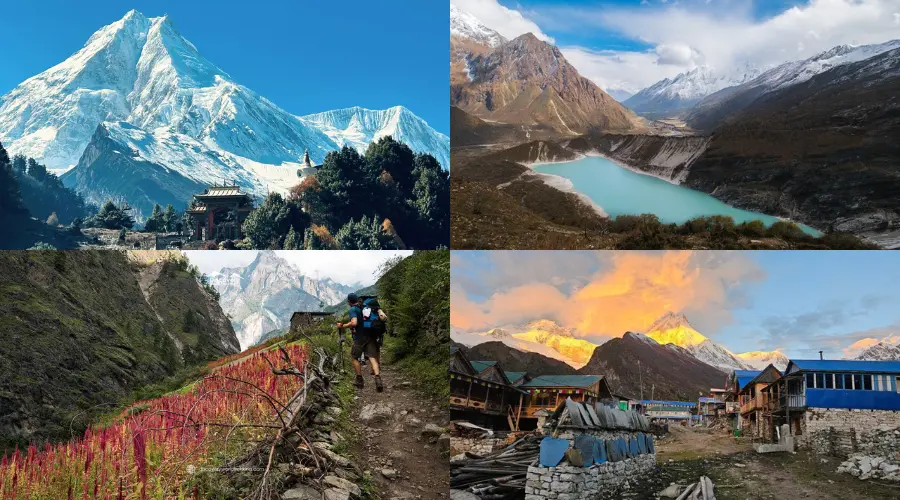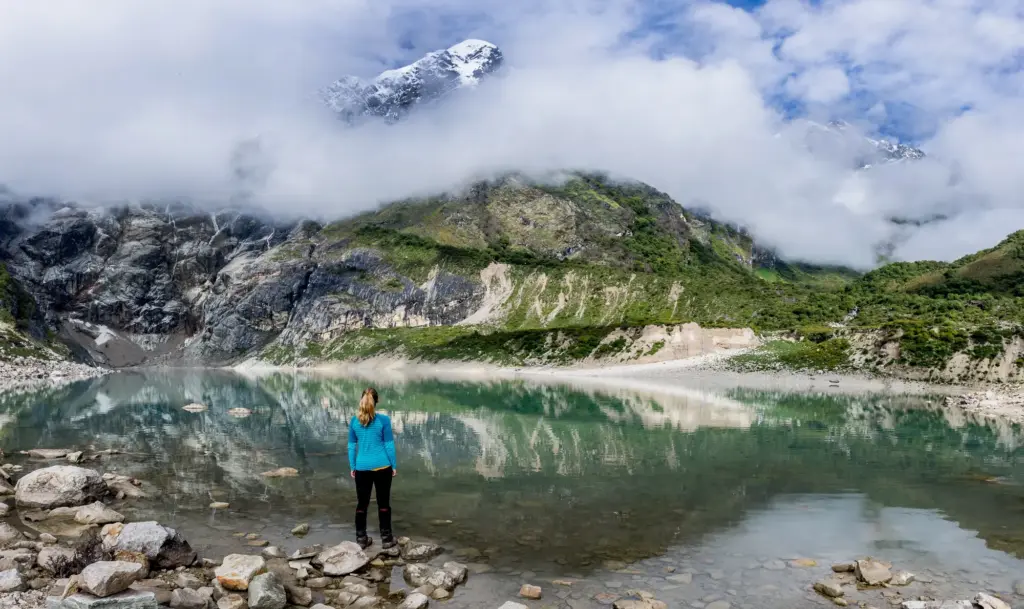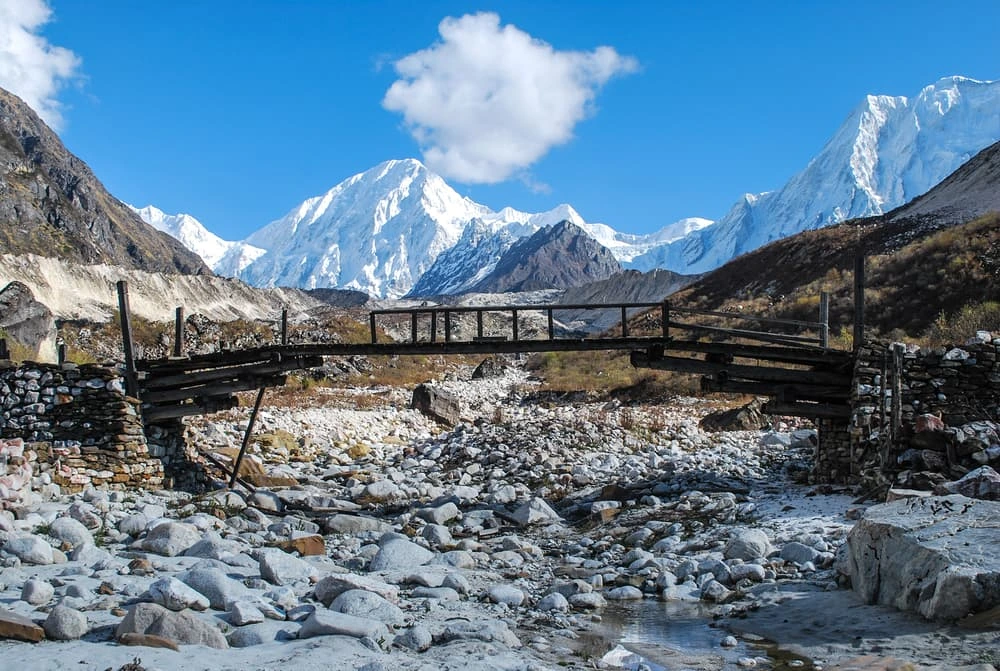
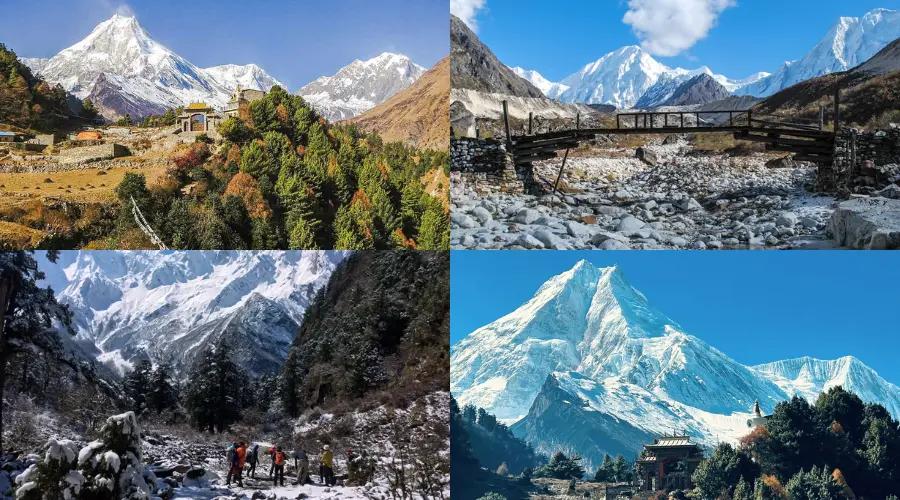
The Manaslu Circuit Trek is one of Nepal’s best-kept trekking secrets, offering dramatic Himalayan scenery, remote mountain landscapes, and an immersive cultural experience. Choosing the right season for Manaslu Circuit Trek plays a vital role in ensuring a safe, enjoyable, and memorable adventure, as each season presents different weather conditions, trail challenges, and rewards.
The best time for the Manaslu Circuit Trek is during spring (March to May) and autumn (September to November), when trekkers enjoy stable weather, clear skies, and excellent mountain visibility. Spring transforms the trail with blooming rhododendron forests and vibrant greenery, making it ideal for nature lovers and photographers. Autumn, on the other hand, is considered the prime season for Manaslu Circuit trekking, offering crystal-clear views of snow-capped peaks and perfect conditions for panoramic photography.
Winter (December to February) attracts trekkers seeking solitude and untouched snowy landscapes, though cold temperatures and snow-covered passes demand strong preparation and experience. The monsoon season (June to August) is generally not recommended due to heavy rainfall, landslides, leeches, and poor visibility, which can make trekking risky.
Beyond timing, successful planning for the Manaslu Circuit Trek requires a well-paced itinerary, proper acclimatization to prevent altitude sickness, and securing the required restricted-area permits with a licensed guide. Less commercialized than other popular treks in Nepal, the Manaslu Circuit offers an authentic journey through traditional villages and Tibetan-influenced culture. Packing season-appropriate gear and preparing for changing weather conditions will ensure a comfortable and rewarding trekking experience.
Summary
Spring (March-May) and autumn (September–November) provide the most stable weather and clearest views, making them the prime season for the Manaslu Circuit, October often stands out. Winter (December-February) offers solitude and pristine snowy landscapes but demands serious cold-weather preparation, while the monsoon (June-August) is generally discouraged due to heavy rain, landslides, leeches, and poor visibility.
Plan 14–18 days with proper acclimatization, secure the required restricted-area and conservation permits with a licensed guide, and pack season-appropriate gear. Choose timing based on your priorities, weather, crowds, culture, photography, or solitude, to balance safety and enjoyment.
Overview of the Manaslu Circuit Trek

The Manaslu Circuit Trek presents a captivating journey through Nepal’s diverse landscapes. Located in the Manaslu region, it offers trekkers an opportunity to explore both natural and cultural wonders.
This trek circles Mount Manaslu, the eighth highest peak in the world. The towering mountain provides awe-inspiring backdrops throughout the adventure. The trek is approximately 177 kilometers long. It takes trekkers through a variety of terrains, from lush valleys to rugged trails.
Trekkers will experience an authentic slice of Nepali culture. The region is home to the Gurung and Tibetan communities, offering insights into their traditions.
Manaslu Circuit offers both teahouse and camping accommodation. Depending on the season, travelers can choose their preferred style of lodging. Notable highlights include the challenging ascent of the Larkya La Pass. This high-altitude pass offers stunning views and an exhilarating challenge.
Key Aspects of the Manaslu Circuit Trek:
- Location: Manaslu Region, Nepal
- Distance: Approximately 177 kilometers
- Highest Point: Larkya La Pass (5,160 meters)
- Duration: 14-18 days on average
- Difficulty Level: Moderately challenging
The trek begins in Soti Khola and concludes in Besisahar. These points are accessible by road from Kathmandu, making it convenient for travelers. Manaslu Circuit is part of the Great Himalayan Trail. This offers connections to other notable trekking routes within Nepal.
Embarking on this trek requires proper preparation. Acclimatization, physical fitness, and appropriate gear are necessary for a successful journey. The trek’s relative seclusion compared to other popular routes in Nepal enhances its appeal. It promises a truly immersive experience for adventurous souls.
Understanding Manaslu Circuit Trek Timing
Trek timing is crucial when planning the Manaslu Circuit Trek. The timing impacts both the weather conditions and the overall experience.
Different seasons offer distinct experiences on the trail. Understanding this timing helps trekkers to choose the best period for their adventure.
The trek can be categorized into four primary seasons: spring, summer/monsoon, autumn, and winter. Each season for Manaslu Circuit Trek brings its unique set of challenges and rewards.
Spring (March to May) and autumn (September to November) are generally favored. These periods provide the most stable weather conditions and clear visibility.
Summer monsoon (June to August) is marked by heavy rainfall. This can lead to slippery trails and potential landslides, posing difficulties for trekkers.
Winter (December to February) offers a quiet and less crowded trail. However, it also brings snow and cold temperatures, demanding extra preparation.
Key Timing Considerations:
- Spring (March-May): Flowers bloom and skies clear
- Summer (June-August): Heavy rains and lush landscapes
- Autumn (September-November): Best visibility and weather
- Winter (December-February): Quiet trails and cold conditions
Travelers should align their trek timing with their preferences and abilities. Those seeking fewer crowds might brave the challenges of winter or monsoon.
It’s essential to pack according to the seasonal demands. Warm clothing, rain gear, and layered outfits ensure comfort throughout the journey. The best time to undertake the trek depends on personal interests. Balancing between weather conditions and the desired experience is key.
Best Seasons for Manaslu Circuit Trek: A Detailed Breakdown
Selecting the season for Manaslu Circuit Trek depends on your goals, tolerance for crowds, and comfort with weather. Timing your trek in relation to the seasons is fundamental. Each season influences the weather, trail conditions, and scenery.
Spring and autumn are generally seen as the best times. They offer more consistent weather and vibrant landscapes.
Monsoon season is challenging with heavy rains. Winter is serene but demands dealing with snow and cold.
Seasonal Overview:
- Spring (March-May): Ideal for flora and moderate weather.
- Monsoon (June-August): Difficult due to rainfall and mud.
- Autumn (September-November): Perfect climate and visibility.
- Winter (December-February): Cold, snowy, and tranquil.
Choosing the right season is crucial to have a fulfilling trek. Keep your physical condition and experience level in mind.
Spring (March to May): Blossoms and Clear Skies
Spring is one of the most beautiful times to trek the Manaslu Circuit. The hills come alive with vibrant rhododendron blooms and lush greenery. Clear skies during spring provide stunning views of the majestic peaks. The weather remains mild, making hiking conditions comfortable.
Temperatures range from pleasant during the day to cooler at night. It’s essential to pack layers to adjust to varying temperatures. This is also an ideal time for nature lovers. Flowers in bloom enhance the experience, offering plenty of photographic opportunities.

Spring’s mild temperatures reduce the risk of altitude-related illnesses, but acclimatization is still crucial. Some parts of the trek may experience snowfall early in the season.
Local villages bustle with activity and preparation for agricultural seasons. Trekkers can enjoy cultural interactions, learning about local Gurung and Tibetan customs. Trekkers should anticipate the growing number of fellow trekkers. Though it’s less busy than other popular treks, accommodations may fill up quickly.
Key considerations during spring include:
- Average daytime temperature: 15-20°C
- Nighttime temperature: Falls to freezing point sometimes
- Packing: Layers, mild-weather gear, and sun protection
Plenty of teahouse accommodations are available at this time. It’s wise to pre-book or start early to secure spots during peak days.
Overall, spring offers a perfect balance of beauty, accessibility, and the joys of exploring vibrant alpine regions.
Summer/Monsoon (June to August): Rain and Challenges
Summer overlaps with the monsoon season, bringing challenges for trekkers. Heavy rains can cause slippery and muddy trails. This season witnesses fewer trekkers due to difficult conditions. Frequent precipitation and clouds obscure mountain views.

Rains can lead to landslides, which may block paths and delay itineraries. Additionally, there are more leeches in the damp forest sections. Trekkers brave enough to navigate monsoon challenges will find lush, green landscapes. The flora thrives, giving the trail a different charm.
Pros and cons of trekking in monsoon:
- Pros: Green scenery, quieter trails, and thriving flora.
- Cons: Poor visibility, slippery trails, increased chance of leeches.
Rain gear is an absolute must; waterproof jackets and sturdy boots are essential. Frequent rain showers make it important to protect dry clothes and electronics with waterproof bags.
The roads can become impassable due to landslides. Therefore, itineraries must remain flexible, with extra days added for contingencies. Despite the challenges, some trekkers value the solitude and unique experience. Risk versus reward is higher, but adventuresome souls may find the seclusion appealing.
Trekkers should prepare for erratic weather and expect delays. Communication with local guides ensures updated trail conditions. Exploring Manaslu during monsoon requires caution and respect for nature’s unpredictability. Staying informed and well-equipped is key.
Autumn (September to November): The Prime Trekking Window
Autumn is, without doubt, the prime time for the Manaslu Circuit. Weather is predictably stable, and the mountain views are crystal-clear. The trek during autumn offers unparalleled visibility. This is when the mountain range stands in its full glory.

Daytime temperatures remain moderate, though nights start getting crisp. Layers again are essential for adapting to fluctuating temperatures. Cultural festivities abound with local communities celebrating major festivals. This adds a rich cultural layer to the trekking experience.
The autumn season for Manaslu Circuit Trek is also the busiest time on the trails. Trekkers should anticipate increased traffic and limited accommodation availability.
Key points for autumn trekking:
- Daytime temperatures: Ranging around 10-15°C.
- Nighttime temperatures: Can drop below freezing at higher elevations.
- Packing needs: Warm layers, sun protection, and a good camera for scenic shots.
Local agriculture in full swing provides a unique cultural insight. Harvests influence community activities, offering authentic village experiences. It’s wise to book accommodations in advance. Popular teahouses can fill quickly due to the trekking rush.
While trails are bustling, the spirit among trekkers is positive and convivial. Sharing stories and experiences adds to the journey. Given the stable weather, altitude acclimatization is smoother. However, caution around high-altitude areas remains paramount.
The chance of unforeseen weather changes is minimal. This certainty allows for efficient itinerary planning.
Hence, autumn is undoubtedly the most favored trekking period. It combines the best weather, stunning vistas, and enriching cultural exposures.
Winter (December to February): Solitude and Snow
Winter transforms the Manaslu Circuit into a serene, snow-covered paradise. Fewer trekkers attempt the trek during this cold period. Temperatures drop significantly. This presents challenges yet offers unique advantages for the prepared and adventurous.

Snow blankets the landscape, adding pristine beauty to the area. The crunch of snow underfoot is a distinct winter sound. Trails may become difficult to navigate due to snow drifts. However, the solitude creates a deep sense of peace, the best season for manaslu circuit trek
Packing efficiently is crucial. Warm clothing, thermal layers, and waterproof gear become necessary to combat freezing conditions. Accommodations along the route stay open, albeit with reduced capacity. A surge in fireside camaraderie can be a warm perk.
Key winter trekking insights:
- Temperatures: Can plunge well below zero at higher altitudes.
- Daylight hours: Shorter, requiring timely scheduling of daily hikes.
- Safety: Consider bringing crampons and consulting with local guides.
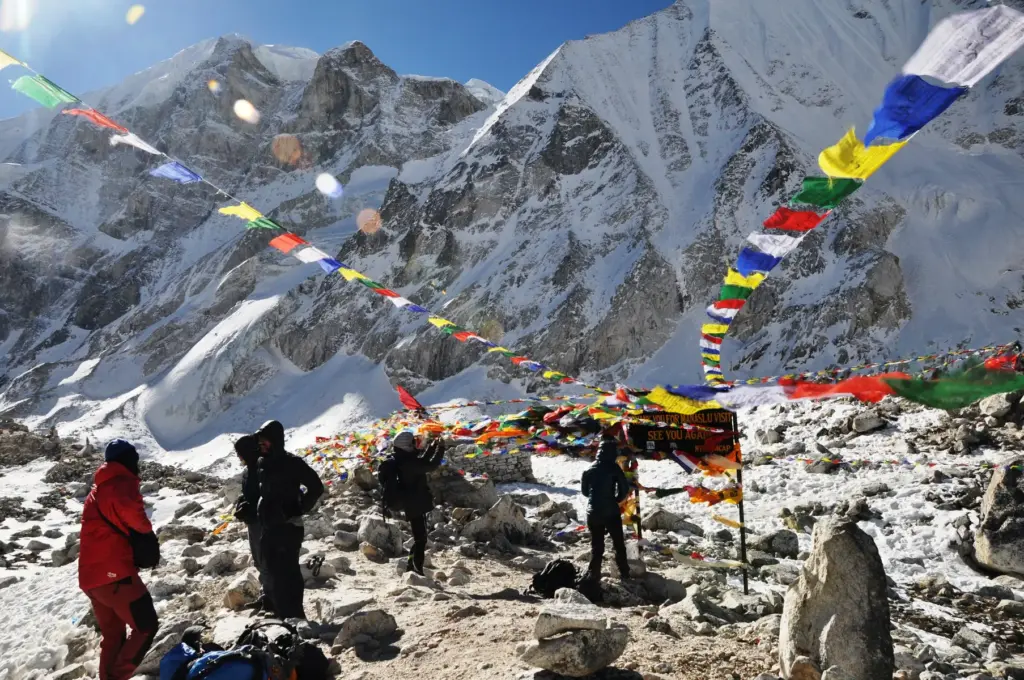
Larkya La Pass, the trek’s challenging point, can be especially severe. However, the reward is worth the extra effort. Spectacular views of snow-capped peaks are unrivaled. Photographers find this season particularly alluring, with pristine vistas.
Additionally, witness wildlife venturing out in search of food. The absence of crowds offers better chance to spot rare species.
The journey requires cautious pacing to prevent health issues. Altitude sickness can still pose a risk, particularly with the intense cold. Those seeking tranquility and a once-in-a-lifetime experience may find winter ideal. The adventure is rigorous but incredibly rewarding for the soul.
Want to plan your trek better?
For better planning, explore our complete
Manaslu Circuit Trek Itinerary
, including duration, route, and acclimatization days.
Comparing the Seasons: Pros and Cons
Each season for Manaslu Circuit Trek offers distinct experiences. Weighing the pros and cons can help in deciding the best time for your trek.
Spring entices with blooming rhododendrons and mild weather. However, trails might be busier as trekkers flock for the vibrant scenery.
Summer, marked by monsoons, is lush and green. Yet, heavy rainfall makes trails slippery, posing challenges to navigation.
Autumn is the season of ideal conditions. Clear skies and moderate temperatures prevail, but it is also the busiest period.
Winter provides a peaceful escape into snow-covered landscapes. The solitude is inviting, but cold temperatures are a significant hurdle.
To help with decision-making, here’s a quick reference list:
- Spring (March-May): Pros – Blossoms, stable weather; Cons – Crowd.
- Summer/Monsoon (June-August): Pros – Green landscapes; Cons – Rain, leeches.
- Autumn (September-November): Pros – Perfect conditions; Cons – High traffic.
- Winter (December-February): Pros – Solitude, beauty; Cons – Cold, limited daylight.
Comparing these factors aids in aligning the trek with personal preferences. Choosing the right season for Manaslu Circuit Trek enhances both safety and enjoyment on the trek. It ensures your experience of the Manaslu Circuit is as memorable as the grand peaks it showcases.
Best Month to Trek Manaslu Circuit Trek

Choosing the best month for the Manaslu Circuit Trek depends on several factors. Your preferences for weather, crowd levels, and trail conditions all play a role.
For many, October stands out as the best month. It combines favorable weather with breathtaking views. The skies are predominantly clear, offering unhindered vistas of the majestic Himalayas.
If you prefer to experience local culture, November is ideal. The busy harvest season means vibrant local activities in the villages along the trek. However, be prepared for cooler nights as winter approaches.
March also earns a spot among top months to trek. Nature awakens with colorful blooms, especially the rhododendron forests. Mild temperatures make trekking comfortable during this season.
Adventurers seeking solitude might opt for December. It promises pristine, snow-covered landscapes. Despite the cold, it offers serenity away from the crowds.
When planning, take note of national holidays and festivals. Festivals can enhance the trekking experience but may also result in busier trails.
Here’s a concise guide to aid in decision-making:
- October: Clear skies, perfect views.
- November: Cultural activities, cooler nights.
- March: Blooming flowers, mild weather.
- December: Solitude, snowy landscapes.
Your ideal trekking month will resonate with your desire for scenery, culture, or tranquility. Personal priorities dictate the best time to trek the Manaslu Circuit, ensuring a memorable adventure with lasting impressions.
Manaslu Circuit Trek in Winter: What to Expect

Embarking on the Manaslu Circuit Trek in winter offers a unique adventure. The trails are less crowded, providing solitude and peace. But, winter presents challenges that trek enthusiasts should anticipate.
Expect temperatures to drop significantly, especially at higher elevations. Nights are particularly cold, demanding adequate winter gear. Snow-covered paths add both beauty and difficulty to the trek.
The rewards of trekking in winter are plentiful. You will witness a magical transformation of the landscape. Pristine white snow blankets the mountains, creating breathtaking panoramas.
However, trekkers should be ready for unpredictable weather. Sudden snowfalls and strong winds are not uncommon. Trail conditions can be demanding with increased snow and ice.
Preparation is key to a successful winter trek. Equip yourself with essential warm clothing and proper equipment. Hiring an experienced guide increases safety and enjoyment.
Consider the following points for winter trekking on the Manaslu Circuit:
- Temperature Control: Bring thermal clothing and a sturdy sleeping bag.
- Safety Measures: Use crampons and poles for snowy trails.
- Health Preparedness: Acclimatize properly to combat cold and altitude.
- Flexibility: Allow for itinerary changes due to weather disruptions.
Winter is perfect for those who love solitude and stunning snowy landscapes. Yet, it demands serious preparation and respect for nature’s challenges. Ensure you’re ready for cold weather and changing conditions on your winter trek.
Weather and Climate: What You Need to Know
Understanding the weather is crucial for planning the Manaslu Circuit Trek. Conditions vary with the seasons, impacting both safety and enjoyment. Here’s what you need to know.
The Manaslu region experiences four distinct seasons. Each season offers unique weather patterns and challenges. Planning your trek should take these into account.
Spring and autumn are generally considered the best for trekking. These months feature stable weather and great visibility. Temperatures are moderate, ideal for long days on the trail.
In contrast, summer brings the monsoon with heavy rains. This can lead to trail erosion and landslides. Moreover, leeches thrive in the damp conditions, adding to the challenges.
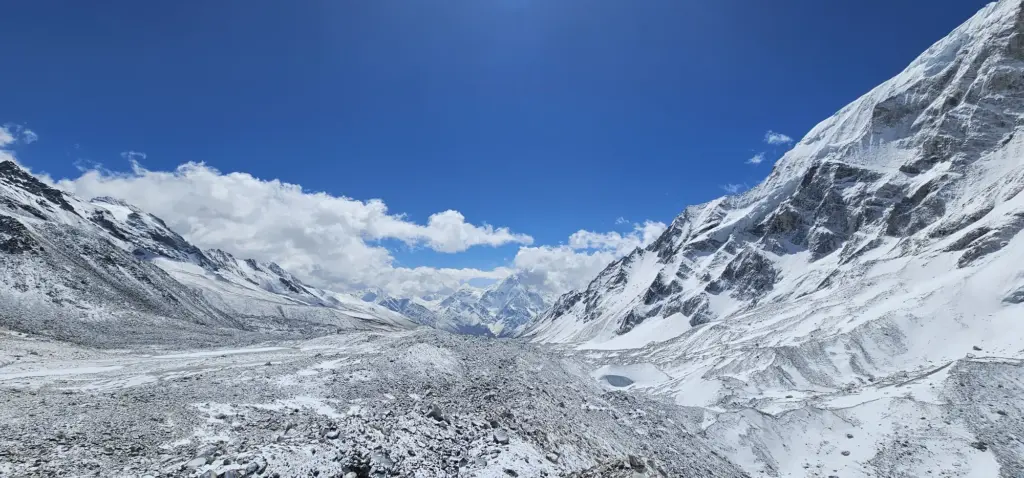
Winter weather is characterized by snow and freezing temperatures. High passes can be treacherous due to ice accumulation. Nonetheless, the clear skies and serene landscapes are awe-inspiring.
Here are key weather considerations for trekkers:
- Spring (March to May): Mild temperatures, blooming flora.
- Summer (June to August): Heavy rains, slippery trails.
- Autumn (September to November): Clear skies, excellent views.
- Winter (December to February): Snowfall, cold temperatures.
Packing appropriately for the expected weather enhances your trek experience. Stay informed about weather forecasts before and during your journey. Equip yourself with appropriate gear, including layers and waterproofs, to ensure comfort and safety throughout your trek.
Manaslu Circuit Itinerary: Timing and Route Planning
Crafting a well-timed itinerary is crucial for a successful Manaslu Circuit Trek. The trek typically spans 14 to 18 days, providing ample time to explore this majestic Manaslu region. Adequate planning ensures a balance between challenging hikes and restful acclimatization days.
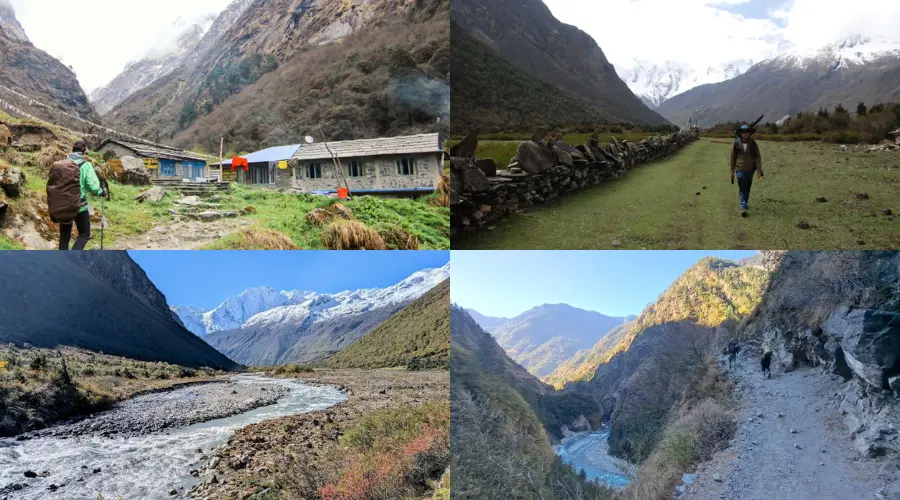
Starting in Soti Khola, trekkers journey through lush forests and traditional villages. The route ascends through various climatic zones, presenting diverse landscapes and cultural experiences. Each day of the trek offers a unique blend of nature and culture.
The highest point of the trek is the Larkya La Pass. Reaching 5,135 meters, the pass demands proper acclimatization. It’s crucial to allocate rest days in Samagaon and Samdo, facilitating acclimation to the high altitudes.
Route flexibility is key. Weather conditions and the trekker’s pace dictate changes. Some might require additional days for side trips, while others may adjust due to unforeseen circumstances.
Here is a typical Manaslu Circuit itinerary outline:
- Day 1-3: Soti Khola to Machha Khola and Jagat
- Day 4-6: Jagat to Deng and Namrung
- Day 7-9: Namrung to Lho and Samagaon (acclimatization day)
- Day 10-12: Samagaon to Samdo and Dharamsala
- Day 13-14: Larkya La Pass to Bimthang
- Day 15-16: Bimthang to Tal and Syange
Adhering to a planned schedule aids in maximizing the trek experience. Side trips, such as visiting the Manaslu Base Camp, enriches the journey. Always leave room for adjustments, considering variables like weather, health, and group dynamics.
Planning in advance ensures a memorable journey. Alongside route planning, including travel insurance and permits is essential. Preparing well in advance with professional guidance ensures safety and an enriching experience during the trek.
Acclimatization and Altitude: Timing for Safety
Acclimatization is a vital aspect of the Manaslu Circuit Trek. It ensures trekkers’ safety as they ascend to higher altitudes. The risk of altitude sickness increases with elevation gain, so gradual adaptation is crucial.
Altitude sickness can occur when ascending too quickly. Symptoms include headaches, nausea, and fatigue. Ignoring these signs may lead to severe conditions like pulmonary or cerebral edema, which can be life-threatening.
Incorporating acclimatization days in your itinerary is essential. Spending extra days at strategic locations like Samagaon and Samdo allows your body to adjust to the thin air. These rest days help build resilience against altitude sickness.
A well-planned itinerary incorporates acclimatization stops. Gradual elevation increases of no more than 300-500 meters per day are recommended. This helps mitigate the risk of developing symptoms associated with altitude sickness.
Take it slow while trekking uphill. Listen to your body and be aware of its limits. Immediate descent is crucial if symptoms worsen. This precaution ensures safety and well-being throughout the trek.
Important tips for acclimatization include:
- Ascend gradually: Allow time to adjust.
- Stay hydrated: Drink plenty of water.
- Avoid alcohol: It exacerbates dehydration.
- Listen to your body: Rest when needed.
Successful acclimatization contributes significantly to an enjoyable trekking experience. Adopting these measures enhances the chances of completing the trek safely. Ultimately, acclimatization ensures you enjoy the stunning landscapes without compromising health.
Permits, Guides, and Regulations: Seasonal Considerations
Navigating the Manaslu Circuit requires specific permits. The route falls under a restricted region, necessitating extra documentation. This includes the Manaslu Restricted Area Permit, Annapurna Conservation Area Permit, and Manaslu Conservation Area Permit.
A licensed guide is mandatory for this trek. This regulation enhances safety and supports local employment. Guides possess vital knowledge about the region’s terrain, culture, and weather conditions.
Regulations might differ slightly by season. During peak months, from March to May and September to November, permit processing could be slower due to high demand. During off-peak times, such as winter, the process may be swifter.
It’s important to plan for potential delays in high season. Early applications prevent unnecessary stress. Moreover, guides often get booked quickly, so securing one early is beneficial.
Here’s a checklist for your trek:
- Permits: Acquire all necessary permits.
- Guide: Book a licensed professional.
- Insurance: Ensure coverage for high-altitude trekking.
- Regulations: Stay informed about any seasonal updates.
Abiding by these regulations not only enhances trek safety but also contributes to sustainable tourism. Following guidelines supports the preservation of the Manaslu region’s unique environment and culture.
Packing and Gear: Season-Specific Essentials

Packing appropriately for the Manaslu Circuit Trek is crucial for a comfortable journey. Seasonal variances make having the correct gear imperative.
In spring, light layers are key. Days are warm, but mornings and evenings can be brisk. A good fleece jacket and a windproof shell are smart choices.
Monsoon season demands heavy-duty rain gear. Waterproof jackets and pants are essential. Lightweight clothing that dries quickly is also recommended to combat the constant dampness.
Autumn trekking should emphasize warmth without compromising mobility. Layering is the best strategy. Consider thermal base layers combined with a down jacket for chilly mornings.
Winter requires serious cold protection. Think insulated boots, thick gloves, and a beanie. A down jacket is non-negotiable to fend off biting cold at higher altitudes.
Regardless of the season, certain gear is universal:
- Sturdy trekking boots: Essential for all terrains.
- Backpack with rain cover: Protects belongings in all weather.
- Trekking poles: Useful on steep and uneven paths.
- Water bottle and purifier: Ensure hydration and safety.
Packing smartly not only aids in comfort but also ensures safety. Season-specific gear allows you to adapt to changing weather, keeping the trek enjoyable regardless of the conditions you face.
Accommodation and Food: What Changes with the Season?
Accommodation options on the Manaslu Circuit vary by season. Teahouses are the primary option, offering basic amenities.
In spring, most teahouses are operational. You’ll find warm beds and the chance to connect with other trekkers over hearty meals.
Monsoon trekking challenges the availability and quality of accommodations. Some teahouses may close due to low demand or road blockages.
Autumn is peak season for Manaslu Circuit Trek, so expect bustling teahouses. Early booking is advised as rooms fill quickly. The food is varied and reflects the increased number of trekkers.
Winter means fewer teahouses stay open. However, you’ll enjoy the tranquility. The menu may be limited, focusing on hearty staples to combat the cold.
Regardless of the time of year, teahouses typically offer:
- Dal Bhat: A traditional dish of rice and lentils.
- Noodles and soups: Simple yet comforting.
- Tea and coffee: A welcome warm-up.
- Bread and eggs: For breakfast energy.
Understanding seasonal changes helps plan effectively. Knowing what to expect in terms of accommodation and food availability can enhance your trekking experience.
Wildlife, Flora, and Photography: Seasonal Highlights
The Manaslu Circuit offers diverse wildlife and flora, attracting nature enthusiasts. Each season brings unique photographic opportunities.
In spring, vibrant rhododendron blooms paint the trails. The lush scenery creates a paradise for photographers. Birds are abundant, filling the air with song.
Summer’s rains awaken the forests. Vegetation flourishes, though photographing wildlife can be challenging due to visibility. However, macro shots of flora become possible.
Autumn provides crisp, clear air, ideal for capturing distant landscapes. The fauna is more active post-monsoon, offering chances to spot shy species.
Winter blankets the region in snow. The stark contrast of white landscapes against blue skies offers surreal photograph opportunities. Animal tracks in the snow hint at elusive wildlife.
Highlights include:
- Rhododendron forests: Best seen in spring.
- Birdwatching: Particularly rewarding in spring and autumn.
- Snow-clad peaks: Most stunning in winter.
- Lush vegetation: Vibrant in summer.
Adapting your photographic approach to each season ensures you capture the trek’s essence. Preparing for seasonal conditions helps maximize photographic opportunities.
Tips for Choosing the Best Time to Hike Manaslu Circuit Trek
Selecting the right time for the Manaslu Circuit Trek hinges on various factors. Weather is crucial in deciding when to embark on this adventure.
Consider your comfort with temperature extremes. If you prefer mild weather, aim for the spring or autumn.
Crowds can affect your experience. Trekking in spring or autumn might mean more company on the trails. Winter offers a quieter, more solitary journey.
Your photography goals should influence timing. Rhododendrons in spring provide colorful compositions, while winter landscapes offer striking contrasts.
Personal fitness and experience level matter too. High-altitude trekking is challenging, especially in winter or wet conditions.
Key considerations include:
- Weather Preferences: Warm or cold conditions.
- Crowds: Busy seasons or solitude.
- Photography Goals: Spring blooms or winter snows.
- Trekking Experience: Navigating difficult terrain.
Evaluate these elements carefully to ensure a rewarding trek. Your best time will align with personal preferences and preparedness.
Frequently Asked Questions (FAQs) on Manaslu Circuit Trek Timing
What is the best time for the Manaslu Circuit Trek?
The ideal periods are spring (March to May) and autumn (September to November). Both seasons offer stable weather, great visibility, and pleasant temperatures.
Can I trek in winter?
Yes, but be prepared for snow-covered trails and colder conditions. Winter trekking promises solitude but requires advanced preparation and gear.
Is the Manaslu Circuit trek doable during the monsoon season?
It’s possible, though not recommended due to heavy rains. The monsoon season brings challenges like landslides and leeches.
How long does the trek usually take?
Typically, the Manaslu Circuit trek itinerary spans 14 to 18 days. This includes acclimatization and allows for side trips.
Do I need a guide or permits?
Yes, a registered guide is mandatory, as are special permits. The trek passes through a restricted area in Nepal.
What should I pack according to the season?
Spring and autumn require layered clothing. Winter needs more warm gear, while monsoon necessitates waterproof attire.
Key requirements include:
– Permits: Restricted Area Permit and Manaslu Conservation Area Permit.
– Guide: Compulsory for safety and navigation.
Are there differences in accommodation by season?
Teahouses are available year-round, but services may be limited in winter. In peak seasons, booking in advance is advisable.
What wildlife can I expect to see?
Wildlife spotting is best in spring and autumn. The region is home to various species, including the elusive snow leopard.
These FAQs highlight crucial aspects for planning your Manaslu Circuit trek. Prepare according to seasonal conditions, for a memorable experience.
Conclusion: Manaslu Circuit Best Time of the Year
Choosing the best season for Manaslu Circuit depends on personal preferences and goals. While each season offers unique experiences, autumn is often hailed as the top choice. This season provides trekkers with stable weather and stunning mountain vistas, enhancing the journey.
Spring, with blooming rhododendrons and vibrant landscapes, is equally compelling. It’s a time when nature enthusiasts can soak in the colorful flora. This season appeals to those interested in the local flora’s full bloom.
Winter presents a chance for solitude and serenity amidst snow-draped peaks. Though challenging, it rewards those prepared with tranquil trails and fewer crowds.
Ultimately, the Manaslu Circuit Trek is remarkable year-round. Careful consideration of conditions and personal goals will help determine your perfect trekking time. Each season offers its own allure, promising an unforgettable adventure.
Ready to plan your Manaslu adventure?
Choose the best time for the Manaslu Circuit Trek, secure your permits, and trek with an experienced local guide Hi Nepal Travels & Tours in Pokhara, Nepal, to ensure safety, comfort, and an unforgettable Himalayan experience. Start planning your Manaslu Circuit Trek today and turn your adventure into reality.