
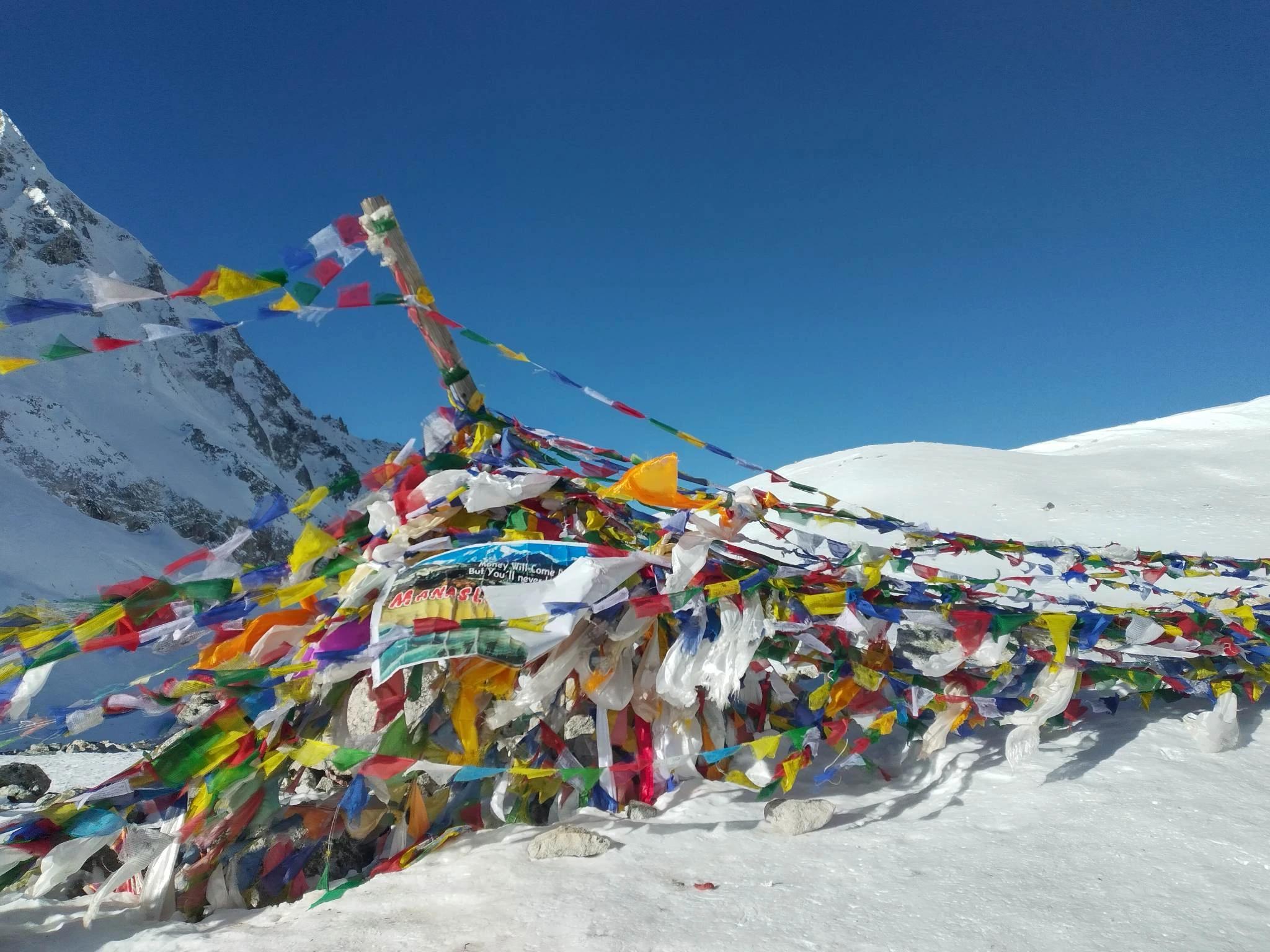
If you’re dreaming of a true Himalayan adventure filled with raw wilderness, towering snow-covered peaks, and a thrilling high-altitude crossing, Larkya La Pass deserves a top spot on your trekking bucket list. Larkya La Pass (also spelled Larke Pass or Larkya La) is a spectacular high-altitude mountain pass located in the remote Manaslu region of Nepal. It is the highest and most dramatic point of the renowned Manaslu Circuit Trek, with the Larkya Pass height standing at approximately 5,106 to 5,160 meters (16,752 to 16,929 feet) above sea level.
The Larkya La Pass trek is famous for its remote trails, authentic mountain villages, and panoramic views of giants like Himlung Himal, Cheo Himal, Kang Guru, and Annapurna II. Compared to busier routes, the Manaslu Circuit remains refreshingly uncrowded, making the journey across Larke Pass feel like a genuine expedition rather than a tourist trek.
This in-depth guide covers everything you need to know about Larkya La Pass, including altitude, difficulty level, best trekking season, detailed itinerary, permits, packing essentials, and crucial safety tips. Whether you’re an experienced trekker or planning your first major high-pass crossing, this guide will help you prepare confidently and make the Manaslu Circuit Larkya La Pass trek one of the most unforgettable adventures of your life.
Where Is Larkya La Pass?
Larkya La Pass lies between Dharamsala (Larke Phedi) and Bimthang, connecting the Manaslu region with the Annapurna range in west‑central Nepal.
- Region: Manaslu Conservation Area
- Trek: Manaslu Circuit Trek
- Elevation: 5,160 m / 16,930 ft
- Nearest village: Samdo (before the pass), Bimthang (after)
The pass offers panoramic views of Himlung Himal, Cheo Himal, Kang Guru, and Annapurna II, making it one of Nepal’s most rewarding crossings.
Why Larkya La Pass Is So Special?
What truly sets Larke Pass apart is its sense of remoteness and raw Himalayan beauty. Unlike heavily trafficked high passes such as Thorong La, the Larkya La Pass trek feels wild, peaceful, and wonderfully untouched. As part of the Manaslu Circuit Larkya Pass route, the trail takes you far from roads and crowds, deep into a landscape shaped by glaciers, high mountains, and centuries-old traditions.
Along the way, you’ll pass through Tibetan-influenced villages, prayer-flag-lined trails, ancient monasteries, and dramatic glacial valleys. The journey across Larkya La Pass is not just a physical challenge, it’s a cultural and visual immersion into one of Nepal’s most authentic trekking regions.
Highlights of Larke Pass
- Vast glacier crossings and rugged high-altitude terrain
- Significantly fewer crowds compared to Annapurna and Everest regions
- Jaw-dropping Himalayan amphitheater views from the pass
- Rich Tibetan culture, traditions, and monasteries
- A genuine high-altitude adventure that feels like a true expedition
Crossing Larkya La Pass is often the defining moment of the Manaslu Circuit, an unforgettable blend of solitude, scenery, and achievement that stays with trekkers long after the journey ends.
How Difficult Is Larkya La Pass?
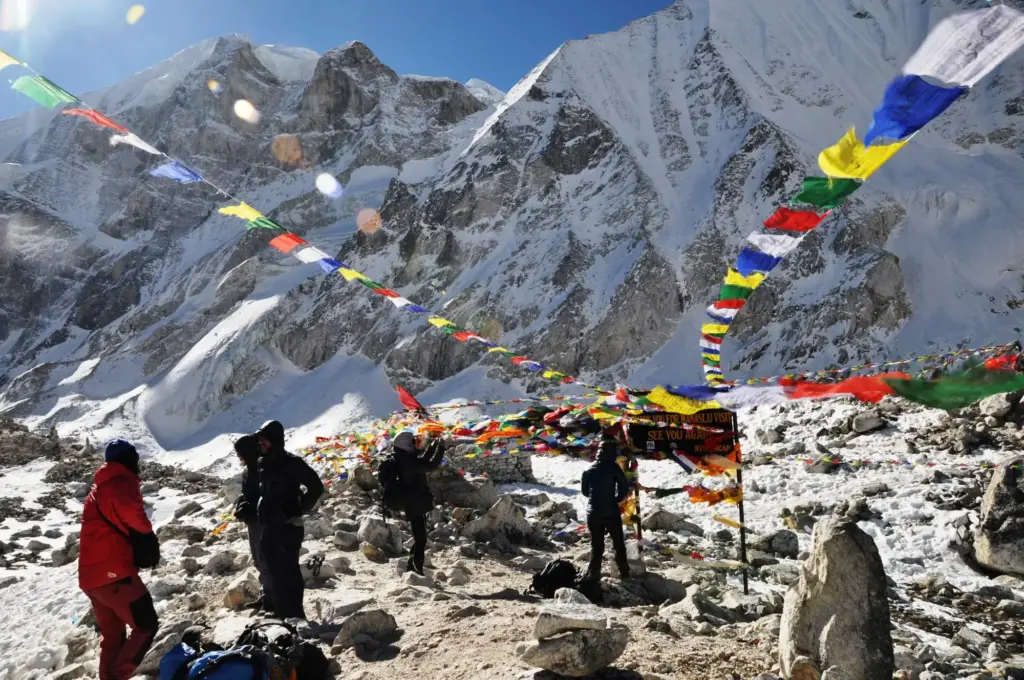
The Larkya La Pass difficulty is generally rated as moderate to challenging, making it one of the more demanding but rewarding high passes in Nepal. While the Larkya La Pass trek does not require technical climbing or mountaineering skills, it does test your endurance, preparation, and ability to handle high altitude.
Sitting at a Larke La Pass altitude of 5,160 meters, the pass pushes trekkers well above the 5,000-meter mark, where oxygen levels are significantly lower. Proper acclimatization and a steady trekking pace are essential for a safe and successful crossing.
What Makes Larkya La Pass Challenging?
- High altitude: The thin air above 5,000 m is the biggest challenge of the Larkya La Pass trek
- Long crossing day: Expect an 8–10 hour trek from Dharamsala to Bimthang
- Snow and ice: Common in early spring and late autumn, adding difficulty to the trail
- Cold and windy conditions: Especially intense near the summit of Larke Pass
- Physical and mental endurance: Sustained uphill sections require stamina and focus
Despite these challenges, the Manaslu Circuit Larkya La Pass route is very achievable for well-prepared trekkers. If you’ve previously completed treks such as Everest Base Camp or the Annapurna Circuit, you’ll likely find the Larkya La Pass difficulty manageable with proper training, acclimatization days, and realistic expectations.
With the right preparation, crossing Larkya La Pass becomes less about difficulty, and more about the incredible sense of accomplishment that comes with standing atop one of Nepal’s most spectacular Himalayan passes.
Best Time For Larkya La Pass
Choosing the best time to cross Larke Pass is crucial for safety, trail conditions, and mountain views. Due to its high altitude and exposed terrain, the Larkya La Pass trek is highly seasonal, and timing can make or break the experience.
Best Seasons for Larkya La Pass Trek
Spring (March–May)
Spring is one of the most popular and reliable seasons for the Manaslu Circuit Larkya La crossing.
- Stable weather and improving temperatures
- Blooming rhododendron forests at lower elevations
- Clear views of snow-covered Himalayan peaks
- Manageable snow conditions near larke pass altitude
Autumn (September–November)
Autumn is widely considered the best season to cross Larke Pass.
- Excellent visibility and crisp mountain air
- Dry, well-defined trails across the Manaslu Circuit
- Ideal daytime temperatures for high-altitude trekking
- Consistently safe conditions at Larkya La Pass altitude
Seasons to Avoid
Winter (December–February)
Winter trekking across Larkya La Pass is strongly discouraged.
- Heavy snowfall often blocks the pass
- Extreme cold and high winds at 5,160 meters
- Limited teahouse availability and increased risk
Monsoon (June–August)
The monsoon season makes the Larkya La Pass trek unpredictable.
- Frequent landslides on lower Manaslu Circuit trails
- Poor visibility and slippery paths
- Increased leeches and trail damage
Planning your trek? Discover the ideal trekking season for Manaslu Circuit in our full blog: Best Time to Trek Manaslu Circuit: Season-by-Season Guide.
Final Tip on Timing
For the safest crossing and the most spectacular views, plan your Larkya La Pass trek in spring or autumn. These seasons offer the perfect balance of weather stability, trail safety, and breathtaking Himalayan scenery, ensuring your Manaslu Circuit Larkya La Pass experience is both safe and unforgettable.
Typical Manaslu Circuit Itinerary (Including Larkya La)
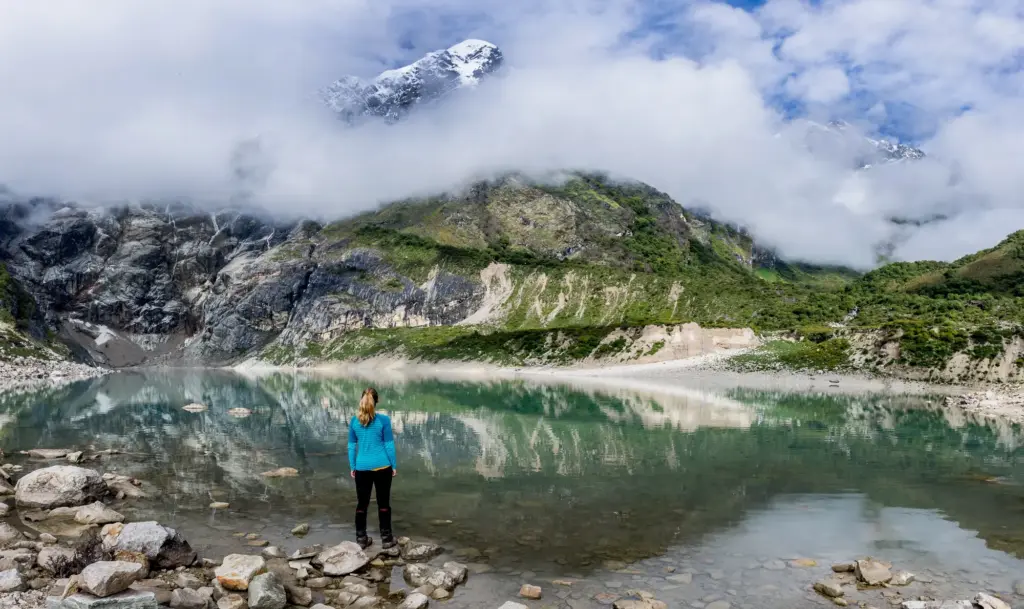
This classic Manaslu Circuit Larkya La itinerary allows proper acclimatization and a safe crossing of Larkya La Pass (5,160 m):
- Day 1: Kathmandu → Machha Khola
- Day 2: Machha Khola → Jagat
- Day 3: Jagat → Deng
- Day 4: Deng → Namrung
- Day 5: Namrung → Samagaun
- Day 6: Acclimatization day in Samagaun
- Day 7: Samagaun → Samdo
- Day 8: Samdo → Dharamsala (Larkya Phedi)
- Day 9: Cross Larkya La Pass → Bimthang
- Day 10: Bimthang → Dharapani
- Day 11: Drive back to Kathmandu
Note: The itinerary days may vary depending on weather conditions, acclimatization needs, and individual trekking pace.
For detailed information on permits, itinerary, costs, and trip options, explore our complete Manaslu Circuit Trek guide.
Permits Required for Larkya La Pass
Because the Larke Pass trek runs through a restricted region of the Manaslu Himal, permits are mandatory for all trekkers. These permits are required to legally complete the Manaslu Circuit Larkya La crossing.
Required Permits and Prices
- Manaslu Restricted Area Permit (RAP)
- September–November: USD 100 per person (first 7 days) + USD 15 per extra day
- December–August: USD 75 per person (first 7 days) + USD 10 per extra day
- Manaslu Conservation Area Permit (MCAP)
- NPR 3,000 per person
- Annapurna Conservation Area Permit (ACAP)
- NPR 3,000 per person
These permits are checked multiple times along the Larkya La Pass route, especially before and after the high-pass crossing.
Important Rules to Know
- Trekking without a licensed guide is strictly not allowed on the Manaslu Circuit, enforced year-round including monsoon
- You must trek with a licensed, government-registered guide from a registered Nepalese agency at all times
- One licensed guide may accompany a maximum of 7 trekkers per group, larger groups must arrange an additional guide
- Individual solo foreign tourists can now obtain the Manaslu RAP through a registered trekking agency, no minimum group size required (effective March 22, 2026)
- Permits can now be applied for digitally from abroad using your Visa Application Submission ID, your agency can process this before you arrive in Nepal
- All permits must be arranged through a registered trekking agency, self-application is not permitted
All permits are usually arranged through a registered trekking agency, making the process straightforward when booking a guided Larkya La Pass trek.
Accommodation and Food on the Manaslu Circuit
Accommodation on the Larkya La Pass trek is provided through traditional teahouses along the Manaslu Circuit. While facilities are simple, they are warm, welcoming, and perfectly suited for high-altitude trekking.
- Teahouses are available in all major villages on the Manaslu Circuit Larkya La route
- Rooms are basic but cozy, usually with twin beds and blankets
- Meals commonly include dal bhat, noodles, soups, fried rice, pancakes, Tibetan bread, and momos
- Menu options become more limited above Samdo due to altitude and supply constraints
- Electricity and Wi-Fi are scarce at higher elevations, especially near Larkya La Pass altitude, making this trek a perfect digital detox
Food is hearty and carb-rich, ideal for maintaining energy during long trekking days and the demanding Larkya La Pass crossing.
What to Pack for Larkya La Pass?
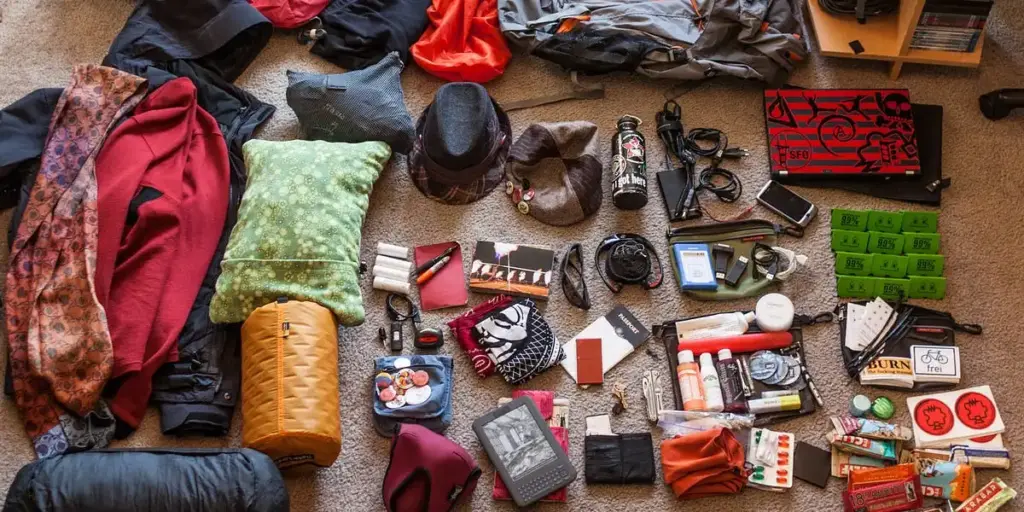
Packing correctly is essential for a safe and comfortable Larkya La Pass trek, especially given the cold temperatures and high altitude.
Essential Gear for Larkya La Pass
- Down jacket rated to −15°C or colder
- Thermal base layers (top and bottom)
- Waterproof jacket and pants (windproof preferred)
- Insulated gloves and warm beanie
- High-ankle trekking boots with good grip
- Trekking poles (very helpful on the Larkya La Pass descent)
- UV-protected sunglasses and high-SPF sunscreen
Safety & Health Items
- Diamox for altitude sickness (consult your doctor first)
- Personal first-aid kit
- Headlamp or torch with spare batteries
- Water purification tablets or filter
A well-planned packing list for Larkya La Pass can make the difference between an exhausting trek and an enjoyable high-altitude adventure, especially on the long summit day across the Manaslu Circuit Larkya La Pass.
Altitude Sickness and Safety Tips for Larkya La Pass
At the Larkya Pass altitude of 5,160 meters, trekkers are well above the elevation where Acute Mountain Sickness (AMS) commonly occurs. Managing altitude properly is one of the most important aspects of a safe and successful Larkya La Pass trek.
How to Stay Safe on the Larkya La Pass Trek
- Take acclimatization days seriously, especially in Samagaun, to allow your body to adjust to the altitude
- Drink 3–4 liters of water daily to stay hydrated at high elevation
- Ascend slowly and steadily, following your guide’s pacing recommendations
- Avoid alcohol and smoking, which increase the risk of altitude sickness
- Listen to your licensed guide, who is trained to recognize early AMS symptoms
Important Safety Warning
If symptoms of altitude sickness on Larkya La Pass, such as headache, nausea, dizziness, or shortness of breath, worsen or do not improve with rest, immediate descent is the safest and most effective treatment.
With proper acclimatization, hydration, and guidance, crossing Larke Pass as part of the Manaslu Circuit trek can be both safe and deeply rewarding.
Larkya La Pass vs Thorong La Pass
| Feature | Larkya La Pass | Thorong La Pass |
|---|---|---|
| Altitude | 5,160 m | 5,416 m |
| Crowds | Low – remote and peaceful | Very high – popular and busy |
| Scenery | Wild, untouched Himalayan landscapes | Dramatic mountain views but crowded |
| Culture | Tibetan-influenced villages and monasteries | Mixed cultures along the trail |
| Trek Style | Off-the-beaten-path adventure | Classic, well-trodden route |
If you want to see how Larkya La Pass compares to its famous counterpart, explore our full guide on Thorong La Pass Annapurna Circuit for insights, tips, and photos.
Is Larkya La Pass Worth It?
Absolutely, without question. If you’re searching for a high Himalayan pass that blends solitude, rich culture, and jaw-dropping mountain scenery, Larkya La Pass delivers on every level. As the highest point of the Manaslu Circuit Larkya Pass route, it offers a rare sense of wilderness that’s increasingly hard to find in Nepal’s more commercial trekking regions.
The Larkya La Pass trek is challenging enough to feel like a genuine accomplishment, yet completely achievable for trekkers who prepare properly, acclimatize well, and respect the altitude.
The reward? Standing at 5,160 meters, surrounded by an amphitheater of Himalayan giants, knowing you’ve crossed one of Nepal’s most spectacular high passes.
Final Thoughts
Crossing Larkya La Pass is more than just completing a trek, it’s a journey through one of Nepal’s last truly unspoiled mountain regions. From Tibetan-influenced villages and ancient monasteries to vast glacier-carved valleys and remote alpine landscapes, every step along the Manaslu Circuit feels meaningful and earned.
If you’re looking for a Himalayan adventure that is authentic, adventurous, and unforgettable, the Manaslu Circuit Larkya La Pass trek deserves a top place on your bucket list. This is the kind of journey that stays with you long after the trail ends.
Frequently Asked Questions (FAQ)
-
Where is Larkya La Pass located?
Larkya La Pass is high in the Himalayas of Nepal, on the Manaslu Circuit Trek, between Dharamsala (Larke Phedi) and Bimthang in the Manaslu Conservation Area.
-
What is the elevation of Larkya La Pass?
The pass stands at approximately 5,106–5,160 meters (16,752–16,930 ft) above sea level, making it one of the highest trekking passes in Nepal.
-
How difficult is the Larkya La Pass trek?
It’s considered moderate to challenging due to its high altitude, long trekking day, and steep sections. Fitness, good acclimatization, and trekking experience improve success.
-
What is the Larkya Pass height?
The Larkya Pass height is approximately 5,106 to 5,160 meters (16,752 to 16,929 feet) above sea level.
-
What is the best time to trek Larkya La Pass?
The ideal seasons for the Manaslu Circuit Trek are Spring (March–May) and Autumn (September–November) for stable weather, clearer views, and safer trail conditions.
-
Do I need a guide to trek Larkya La Pass?
Yes, Larkya La Pass lies in a restricted area of Nepal, so all trekkers must be accompanied by a licensed guide and be in a group of at least two people.
-
What permits are required for Larkya La Pass?
You must have:
– Manaslu Restricted Area Permit (RAP)
– Manaslu Conservation Area Permit (MCAP)
– Annapurna Conservation Area Permit (ACAP)
These help fund conservation and ensure safety. -
Is it dangerous to cross Larkya La Pass?
It isn’t technically dangerous if you are well prepared, but altitude sickness, weather, and exhaustion are real risks at high elevation. Proper acclimatization is essential.
-
How many days does the trek take?
Most itineraries around the Manaslu Circuit with Larkya La Pass take about 14–16 days, including acclimatization days.
-
Are there amenities like Wi‑Fi or ATMs along the route?
Mobile signal and Wi‑Fi are limited after lower villages; there are no ATMs on the trail, so carry enough cash from Kathmandu.
-
Can beginners do Larkya La Pass?
It’s not recommended for absolute beginners due to altitude and physical demands, but those who prepare physically and understand acclimatization can complete it successfully.