
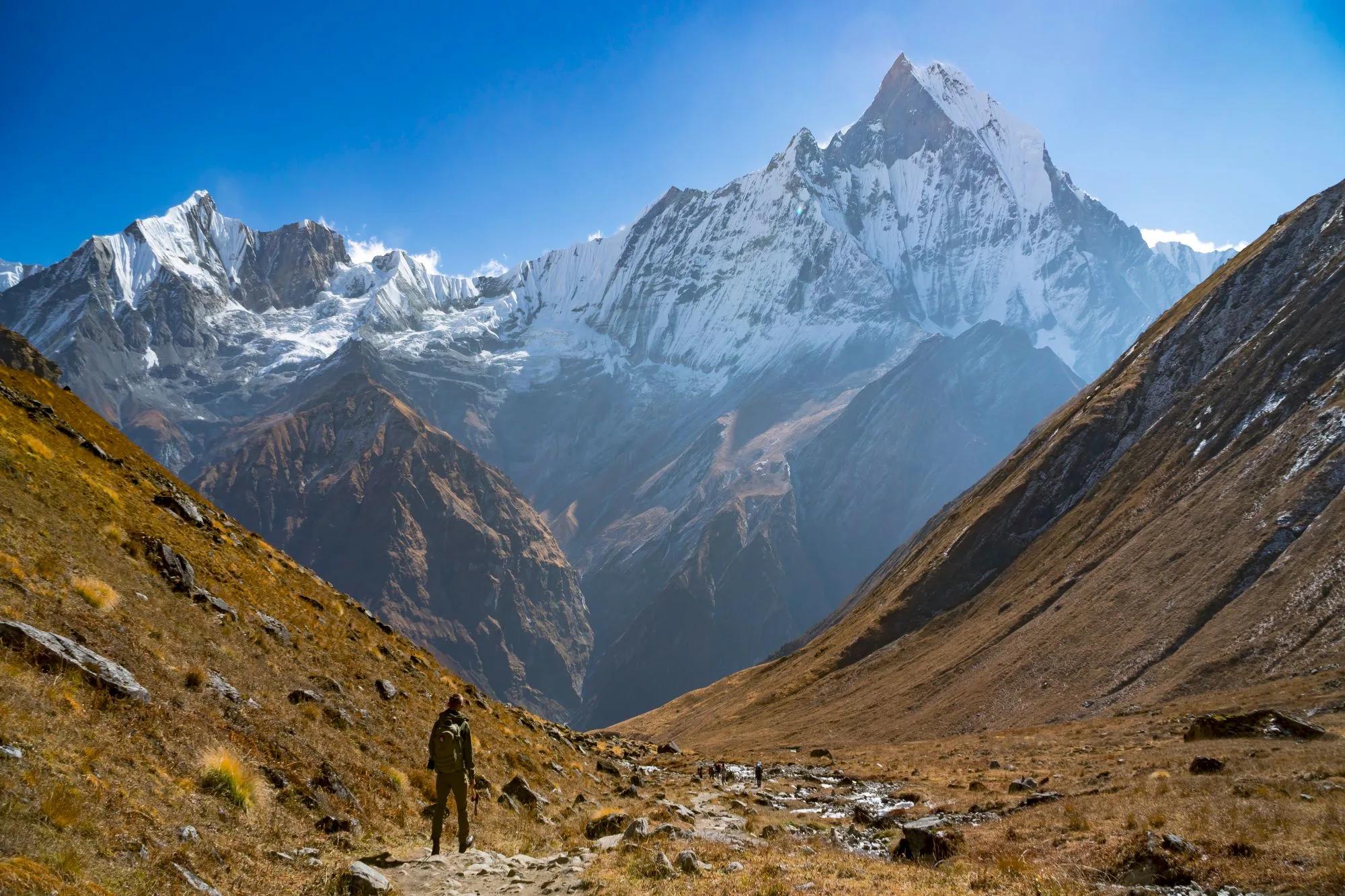
Planning an Annapurna Base Camp Trek in 2026/27 but not sure how much the trip will actually cost? The total budget can vary significantly depending on your trekking duration, group size, transportation, guide and porter services, accommodation, food, and the level of comfort you choose.
It can be difficult to estimate the real cost when different trekking packages include different services. A seemingly cheaper package may exclude transportation, permits, meals, or guide services, while private transfers, solo arrangements, and helicopter returns can quickly increase your overall spending.
A typical Annapurna Base Camp Trek costs around USD 450–1,200 per person, depending on how you plan the trek. For a standard guided trek, you can generally expect to spend around USD 650–900 per person, while budget arrangements may cost less and private or premium packages can cost more.
In this guide, we’ll break down the Annapurna Base Camp Trek cost for 2026/27, including trekking packages, permits, accommodation, food, transportation, guide and porter costs, and other expenses so you can plan your budget with a clearer idea of what to expect.
Annapurna Base Camp Trek Cost at a Glance
| Trek Style | Estimated Cost Per Person |
|---|---|
| Budget Trek | USD 450–650 |
| Standard Guided Trek | USD 650–900 |
| Private Trek | USD 800–1,200 |
| Premium / Luxury Trek | USD 1,200+ |
| Trek with Helicopter Return | USD 1,200–1,500+ |
These are planning ranges rather than fixed prices. Group size, itinerary, season, transport and package inclusions can change the final price. Current 2026 operator pricing for guided ABC packages commonly starts around the mid-USD 600s and increases with smaller groups and additional services.
How Much Does the Annapurna Base Camp Trek Cost in 2026/27?
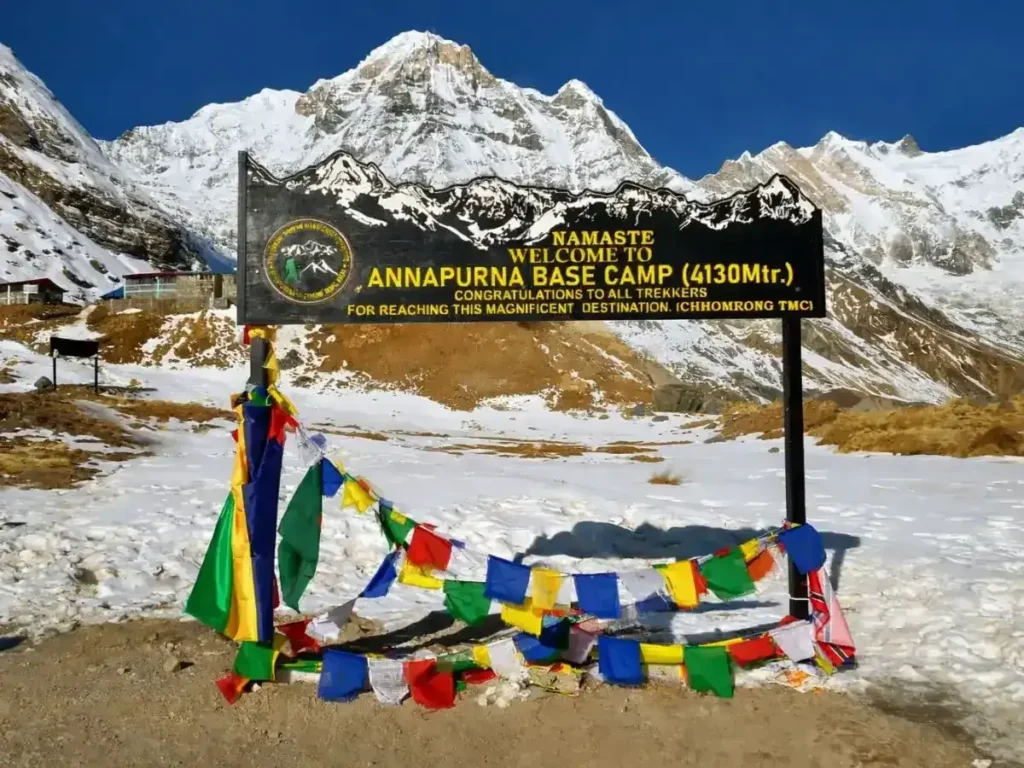
The Annapurna Base Camp Trek cost is usually lower than longer Himalayan treks because the standard itinerary can be completed in about a week to 10 days, depending on the starting point and route.
A budget trek focuses on simple teahouses, local food and shared transportation.
A standard guided trek usually includes a guide, accommodation, meals and ground transportation, with permits arranged as part of the package.
Private treks cost more because the guide, transport and itinerary are arranged specifically for your group.
If you add a helicopter flight, private vehicles or upgraded accommodation, the total budget can increase significantly.
Budget ABC Trek
A budget-conscious trekker can plan around USD 450–650 for the trekking portion.
This usually means using shared transportation, staying in basic teahouses, eating local meals and keeping personal expenses under control.
The exact cost depends heavily on the itinerary and what services are included.
Standard or Mid-Range ABC Trek
For a more comfortable guided experience, USD 650–900 per person is a reasonable planning range.
This type of package commonly includes a guide, teahouse accommodation, meals during the trek, permits and transportation from Pokhara to the trailhead and back, although inclusions vary between operators.
Current 2026/27 package prices published by trekking operators fall within or around this range depending on group size.
Private ABC Trek
A private Annapurna Base Camp Trek generally starts around USD 800–1,200 per person, depending on the number of people in the group and the services selected.
The cost per person can be lower when two or more travelers share a private guide, porter and transportation.
Private trekking is useful if you want more flexibility with walking pace, rest days and transportation.
Luxury ABC Trek with Helicopter Return
A premium ABC trek can cost USD 1,200 or more, particularly when private transportation, upgraded accommodation, or a helicopter return is included.
A helicopter option should always be priced separately when comparing trekking packages because it can make a large difference to the final budget.
Annapurna Base Camp Trek Cost Breakdown
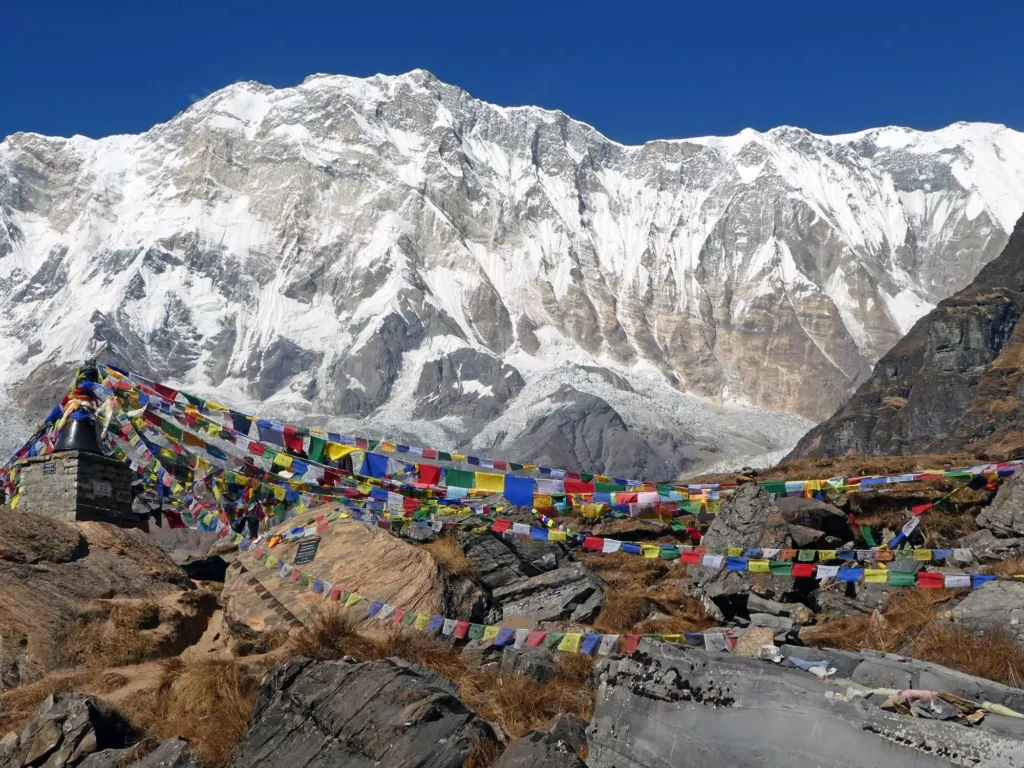
Knowing the total price is useful, but understanding where the money goes makes it easier to compare packages.
Permits and TIMS
The Annapurna Conservation Area Permit (ACAP) is one of the fixed costs of trekking in the Annapurna region.
The current listed fee is NPR 3,000 for foreign visitors and NPR 1,000 for SAARC nationals.
TIMS requirements depend on the exact trekking route. The current official list specifically includes routes such as Poon Hill–ABC Trek under the guide and agency-issued TIMS requirement. Because route variations can differ, check the requirement for your exact ABC itinerary before travelling rather than assuming the same rule applies to every version of the trek.
If you book through a trekking agency, these permits are commonly handled as part of the package.
Guide Cost
Guide costs vary according to experience, season, group size and whether the service is part of a package.
A common 2026/27 planning figure is around USD 25–40 per day for a trekking guide.
When comparing prices, check whether the guide’s accommodation, meals, insurance and transportation are already included.
Porter Cost
A porter can make the trek considerably easier, particularly on longer walking days.
A typical planning range is around USD 20–25 per day, although rates vary.
Two trekkers can often share one porter, subject to the porter’s load limit and the agency’s arrangement. This can reduce the cost per person.
Accommodation Cost
Accommodation on the ABC trail is mainly provided by local teahouses and lodges.
Basic shared rooms can be relatively inexpensive, but room prices and availability vary by village and season.
A useful way to budget is to allow around USD 5–15 per night for basic accommodation, while remembering that some lodges may offer lower room rates when guests eat their meals there.
Private rooms, attached bathrooms and better facilities can cost more.
Food and Drinks Cost
Food is another major part of your daily trekking budget.
A reasonable estimate is around USD 20–30 per person per day for breakfast, lunch and dinner, depending on what you order.
Dal bhat, noodles, pasta, soup, momo and other local or trekking staples are widely available. Tea, coffee, snacks, bottled water and other drinks add to the daily cost.
At higher elevations, transportation and supply limitations can make food and drinks more expensive.
Transportation Cost
Most ABC trekkers begin the trek from the Pokhara area, making transportation simpler than routes that require a domestic flight.
Your transport budget may include:
- Pokhara to the trailhead
- Trailhead to Pokhara
- Shared jeep or bus
- Private jeep, if selected
Shared transportation is the cheaper option, while a private jeep provides more convenience and flexibility.
If your trip begins in Kathmandu, also remember to budget separately for Kathmandu–Pokhara transportation.
Trekking Gear and Equipment Cost
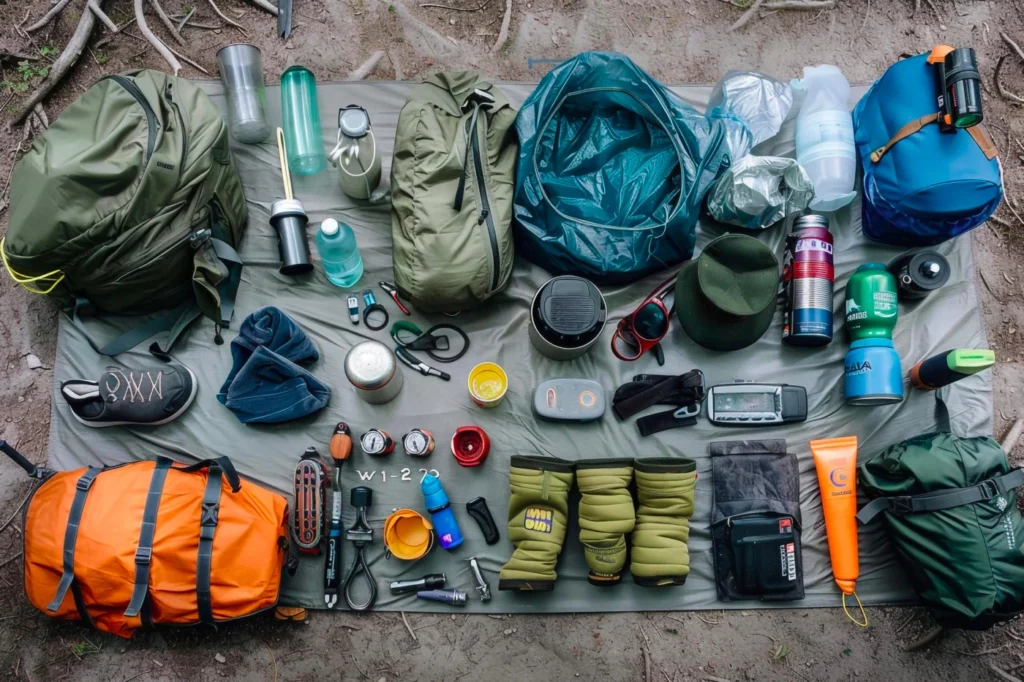
If you already own suitable trekking gear, you may not need to spend much here.
If you are travelling to Nepal without equipment, renting selected items in Pokhara can be more economical than buying everything.
Common rental or purchase expenses include:
- Sleeping bag
- Down jacket
- Trekking poles
- Backpack
- Waterproof jacket
- Warm layers
- Headlamp
Your gear budget can therefore range from almost nothing to several hundred dollars depending on what you already own.
Travel Insurance and Emergency Fund
Travel insurance should be part of your trekking budget.
Choose a policy that specifically covers trekking at the maximum altitude of your itinerary and check its emergency evacuation conditions before travelling.
Keep a separate emergency reserve rather than spending your entire budget on planned expenses.
Tips and Personal Expenses
Set aside money for expenses that are often excluded from trekking packages.
These may include:
- Guide and porter tips
- Hot showers
- Wi-Fi
- Charging
- Snacks
- Drinks
- Souvenirs
- Personal medication
- Extra accommodation
Keeping around USD 50–100+ as personal trekking money gives you some flexibility, although your actual spending depends on your habits.
Sample Annapurna Base Camp Trek Budget
For a roughly 7–9 day ABC trek, a sample budget could look like this:
| Expense | Estimated Budget |
|---|---|
| Permits and required documentation | USD 25–50+ |
| Guide | USD 175–320 |
| Shared porter | USD 70–100 |
| Accommodation | USD 40–100 |
| Food and drinks | USD 140–250 |
| Ground transportation | USD 30–100 |
| Personal expenses | USD 50–100 |
| Estimated total | USD 420–1,020 |
This is an example for planning purposes rather than a fixed package price.
The biggest variables are guide arrangements, transportation, group size and what your package already includes.
ABC Trek Cost Based on Trekking Style
Independent or Self-Planned Trek
A self-planned trip can reduce some costs, particularly if you use shared transportation and basic accommodation.
However, you should first check the current requirements for your exact route, especially regarding guide and TIMS arrangements.
Don’t compare an independent budget directly with an all-inclusive trekking package. They may cover very different services.
Group Joining Trek
Joining a group can reduce the per-person cost of guides, transportation and other shared services.
This is often a practical option for solo travelers who want organized support without paying the full cost of a private trek.
Private Trek
A private trek provides more control over the itinerary and pace.
The cost is higher, but the difference becomes smaller when two or more friends travel together and share the guide and transportation costs.
Luxury Trek
Luxury options focus more on comfort than simply reaching ABC.
Depending on the itinerary, this may include better accommodation before or after the trek, private transportation, upgraded services and additional support.
ABC Trek with Helicopter Return
A helicopter return is one of the biggest optional expenses.
Instead of walking the entire return route, trekkers can arrange a helicopter flight from the ABC area toward Pokhara, subject to weather, aviation conditions and operational availability.
Because helicopter prices can vary, treat this as an additional service rather than part of the basic ABC trekking budget.
Explore More: Annapurna Base Camp Heli Tour
What Is Included in an ABC Trek Package?
Package inclusions differ between trekking companies, so always compare the details rather than looking only at the headline price.
Usually Included
A standard package may include:
- Trekking guide
- Porter
- ACAP and applicable permits
- Teahouse accommodation
- Meals during the trek
- Ground transportation
- Guide and porter expenses
- Staff insurance
- Basic trekking assistance
Some packages may also include airport transfers, Kathmandu accommodation or equipment such as a sleeping bag and down jacket.
Usually Not Included
Common exclusions include:
- International airfare
- Nepal visa
- Travel insurance
- Personal shopping
- Alcoholic drinks
- Extra snacks and drinks
- Hot showers
- Wi-Fi
- Charging fees
- Tips
- Emergency evacuation
- Personal expenses
- Extra nights caused by delays
Always read the inclusion and exclusion list before comparing two ABC trek prices.
What Makes the Annapurna Base Camp Trek More Expensive?
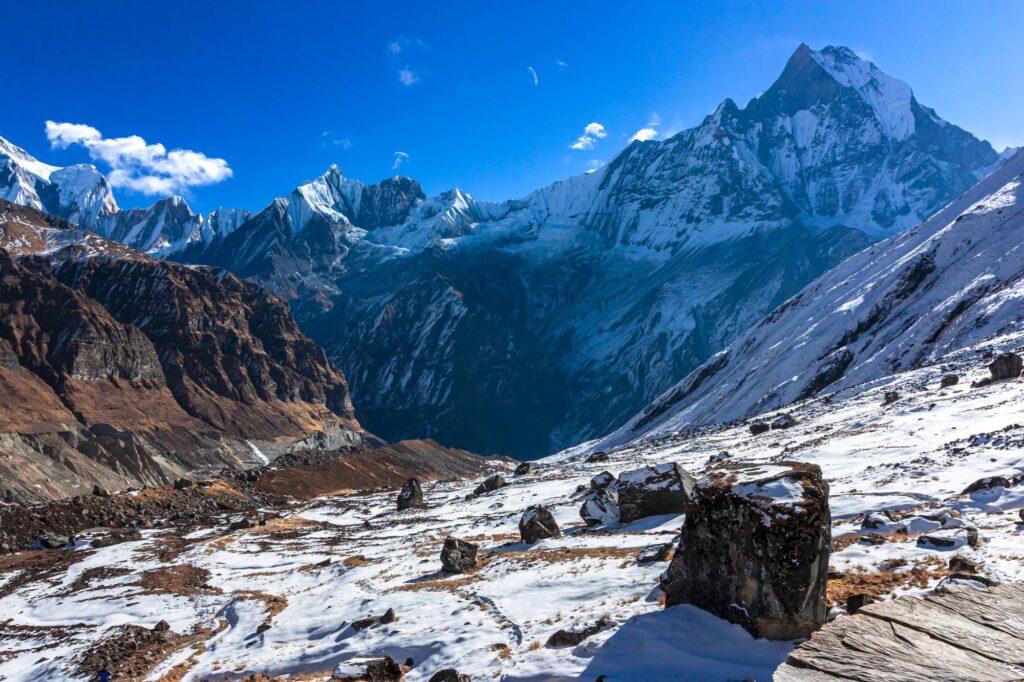
Several small decisions can change the final cost.
Peak Season
Spring and autumn are popular trekking seasons, so accommodation and transportation can be busier.
Booking early can make planning easier, especially for private groups.
Solo Travel
A solo trekker cannot split the cost of a private jeep or guide with other travelers.
For this reason, the per-person cost can be noticeably higher.
Private Guide and Porter
Private support gives you more flexibility but increases the total cost.
Sharing a porter or joining a group can reduce the per-person expense.
Private Transportation
A shared jeep is generally cheaper than hiring a vehicle exclusively for your group.
The trade-off is convenience and flexibility.
Extra Trekking Days
Adding Poon Hill, rest days, or alternative villages means additional nights, meals, guide days and transportation.
A longer itinerary therefore increases the total budget even if the daily expenses remain similar.
Helicopter Return
A helicopter flight can add a substantial amount to the final price.
If your main goal is keeping the ABC trek affordable, walking back to the roadhead is the more budget-friendly option.
How to Save Money on the Annapurna Base Camp Trek
You don’t have to cut every comfort to keep the trek affordable.
Travel With a Small Group
Sharing guides, porters and transportation can reduce the cost per person.
Share a Porter
If appropriate for your luggage and porter load limits, two trekkers can share one porter.
Use Shared Transportation
Shared jeeps and buses are generally cheaper than private vehicles.
Rent Gear in Pokhara
If you only trek occasionally, renting a sleeping bag, down jacket or other equipment can be cheaper than buying everything.
Carry a Reusable Water Bottle
Water costs can add up over several days.
A reusable bottle combined with a suitable water purification method can help reduce bottled-water expenses.
Budget for Trail Extras
Set aside money for showers, charging, Wi-Fi and snacks.
A realistic small-expense budget is better than being surprised by these costs halfway through the trek.
How Much Cash Should You Carry for the ABC Trek?
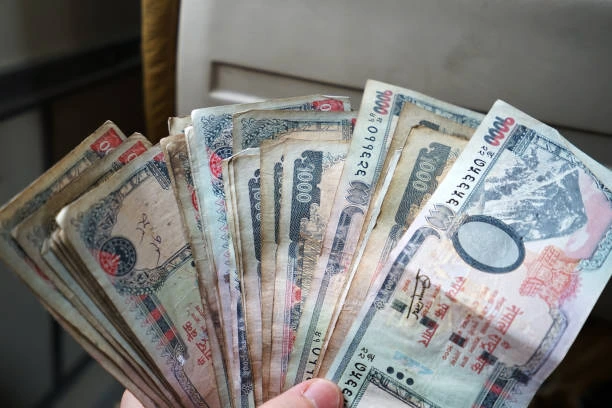
Carry enough Nepalese cash for your expected trail expenses and keep an emergency reserve.
Do not assume that cards or ATMs will be available everywhere along the trekking route.
For many trekkers, NPR 5,000–10,000 or more in additional spending money can provide a useful buffer, depending on how many days they trek and what their package includes.
If your accommodation and meals are already included, your personal cash requirement may be lower.
What Do You Get for the Cost of an ABC Trek?
The price of an Annapurna Base Camp Trek covers more than simply reaching the viewpoint at 4,130 meters.
The route passes through mountain villages, forests, terraced hillsides and high-altitude landscapes before reaching the Annapurna Sanctuary.
You also experience local teahouse accommodation and the culture of communities along the trail.
The main attraction is the mountain environment around Annapurna I, Annapurna South, Hiunchuli and Machhapuchhre, with the final approach to Annapurna Base Camp forming the highlight of the trek.
For travelers looking for a relatively short Himalayan trekking experience, ABC offers a way to experience high mountain scenery without committing to a two-week-plus expedition.
Final Budget: How Much Should You Actually Plan to Spend?
For a 2026/27 Annapurna Base Camp Trek, USD 650–900 per person is a useful starting budget for a standard guided experience.
Budget travelers may spend less by using shared transportation and keeping personal expenses low, while private and premium trips can easily exceed USD 1,000.
Before booking, don’t compare prices based only on the advertised package cost.
Check whether the price includes permits, guide, porter, accommodation, meals, transportation and staff expenses.
Once those details are clear, you can compare packages properly and build a realistic budget for your Annapurna Base Camp adventure.
Frequently Asked Questions
-
How much does the Annapurna Base Camp Trek cost in 2026/27?
A realistic planning range is around USD 450–1,200 per person, depending on whether you choose a budget, group, standard or private trek.
Premium services and helicopter returns can increase the total. -
What is the cheapest way to trek to Annapurna Base Camp?
Using shared transportation, basic teahouses, local meals and shared services can keep the cost lower.
However, always check the current guide and permit requirements for your specific route before planning a self-arranged trek. -
How much does a guide cost for ABC Trek?
A common 2026/27 planning figure is around USD 25–40 per day.
The final rate depends on the guide, season, itinerary and whether meals, accommodation and insurance are included. -
How much does a porter cost for ABC Trek?
Plan around USD 20–25 per day as a general estimate.
Sharing a porter between two trekkers can reduce the individual cost. -
How much does food cost on the ABC Trek?
A reasonable budget is around USD 20–30 per person per day for meals and some drinks.
Prices generally increase as you get higher into the mountains. -
How much is the Annapurna Base Camp permit in 2026/27?
The current listed Annapurna Conservation Area entry fee is NPR 3,000 for foreign visitors and NPR 1,000 for SAARC nationals.
Other documentation requirements depend on the route. -
Is TIMS required for the Annapurna Base Camp Trek?
The requirement depends on the exact itinerary.
The current official list includes Poon Hill–ABC Trek among the Annapurna routes requiring a licensed guide and agency-issued TIMS. If you are following a different ABC itinerary, confirm the current requirement before departure. -
How much cash should I carry for the ABC Trek?
A separate NPR 5,000–10,000+ reserve is a reasonable starting point for personal expenses, but your needs will depend on how many costs are already covered by your trekking package.