
Trekking to Annapurna Base Camp is a dream for many travellers visiting Nepal. Imagine standing in a natural bowl surrounded by high peaks of snow-covered peaks, your breath turning into mist in the cold mountain air, with the mighty Annapurna range rising all around you.
It’s the kind of Himalayan moment many people dream of experiencing. But if this is your first time trekking in the Himalayas, a quiet little doubt probably follows: “Am I fit enough to reach 4,130 metres? Do I have enough experience?”
Here’s the good news. You do not need previous trekking experience to complete the Annapurna Base Camp Trek. However, that does not mean it is an easy walk. You’ll face long uphill climbs, hundreds of stone steps, several days of walking in a row and the real demands of high altitude.
So, is ABC suitable for beginners? Yes, as long as you have reasonable physical fitness, prepare properly and follow a sensible trekking itinerary.
Let’s walk through what the trail will actually ask of you, so you can decide whether this is the right first Himalayan adventure for you.
Can Beginners Do the Annapurna Base Camp Trek?
Yes, you can.
Many beginners have already completed ABC without previous trekking experience every season.
You don’t need any technical mountaineering skills, nor you have to climb with ropes or use any other specialized equipment.
You simply follow established mountain trails through villages, forests, river valleys and finally into the Annapurna Sanctuary.
Better still, you’ll find teahouses and lodges along the main route. That means you’ll get a chance to rest each evening.
But being a beginner doesn’t mean you can skip the preparation. You should be able to walk for several hours, handle uphill and downhill sections, and get up to walk the next day again.
Where you’re starting from matters too:
- Regularly active beginners: If you walk often, exercise or participate in outdoor activities, you may need less preparation before the trek.
- People with average fitness: If your daily routine is ordinary and you do not exercise regularly, spend several weeks improving your endurance and leg strength.
- People with a sedentary lifestyle: If you rarely walk or participate in physical activities, give yourself more time to build fitness before travelling to the Annapurna region.
The important thing is not how many treks you have done before. It is whether your body is prepared for several days on a mountain trail.
How Difficult Is the Annapurna Base Camp Trek for Beginners?
The ABC is generally considered a moderate trek. It is not technically difficult, but the combination of steep trails, repeated ups and downs, daily walking and high altitude makes it physically demanding.
For beginners, some sections can feel much harder than expected. Here’s what to know about them ahead of time.
- Long Stone Staircases and Steep Climbs
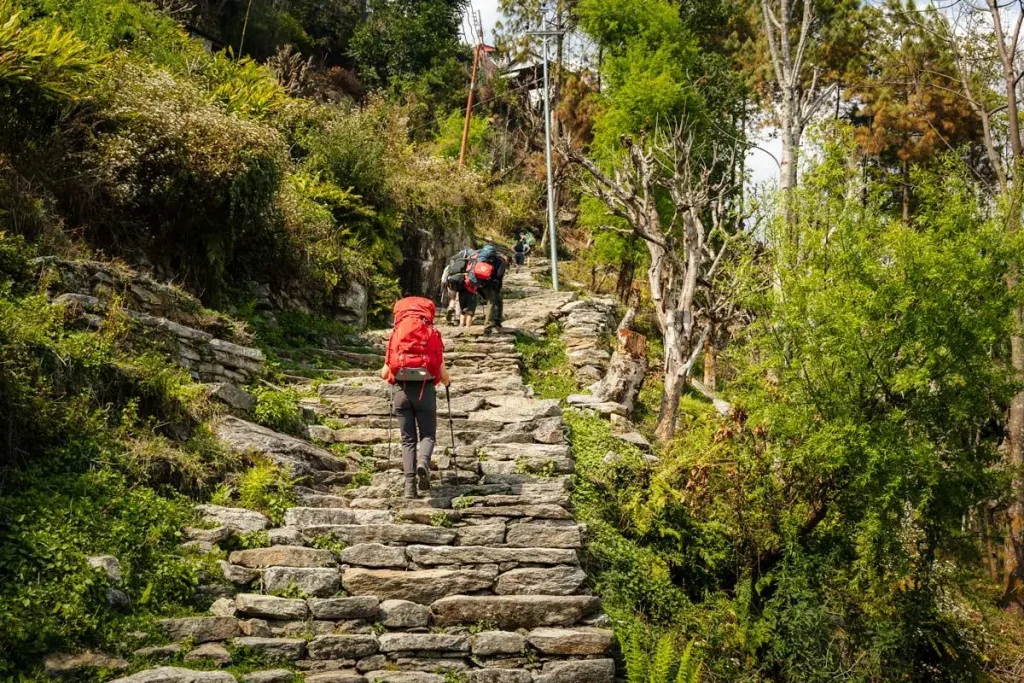
The stone staircases towards Ulleri and around Chhomrong are among the more tiring sections of the ABC trek.
Expect repeated uphill climbs, steep descents and hundreds of steps that can challenge your thighs, calves and knees, especially if you’re a beginner. A steady pace, short breaks and trekking poles can make these sections easier.
Your starting point also affects your route and daily walking distance. Read our guide on how to reach Annapurna Base Camp from Pokhara to explore options.
- Daily Walking Hours and Consecutive Trekking Days
Depending on your itinerary and pace, expect to walk around 4-7 hours on many days, sometimes longer. The challenge isn’t just covering that distance once but repeating it for several consecutive days.
As a beginner, you may experience tired legs, sore muscles and low energy. What matters most is whether you can recover overnight and comfortably continue the next morning.
- High Altitude and the Risk of Altitude Sickness
If there’s one thing beginners should worry about is Altitude sickness..
Since ABC’s altitude lies around 4,130 metres, there is a high possibility of altitude sickness. As you gain elevation, the oxygen level gradually decreases that can cause headaches, nausea, dizziness, unusual fatigue and difficulty sleeping.
Anyone can experience altitude sickness, regardless of fitness or age.
Never ignore these symptoms or assume they’re simple signs of tiredness. Tell your guide straight away.
If symptoms appear or get worse, you may need to stop ascending or head down, and severe symptoms need urgent medical attention.
A gradual ascent, sensible overnight stops and a flexible itinerary all help reduce altitude-related risks. And remember, being fit doesn’t guarantee you’ll be protected from altitude sickness.
- Cold Weather and Changing Trail Conditions
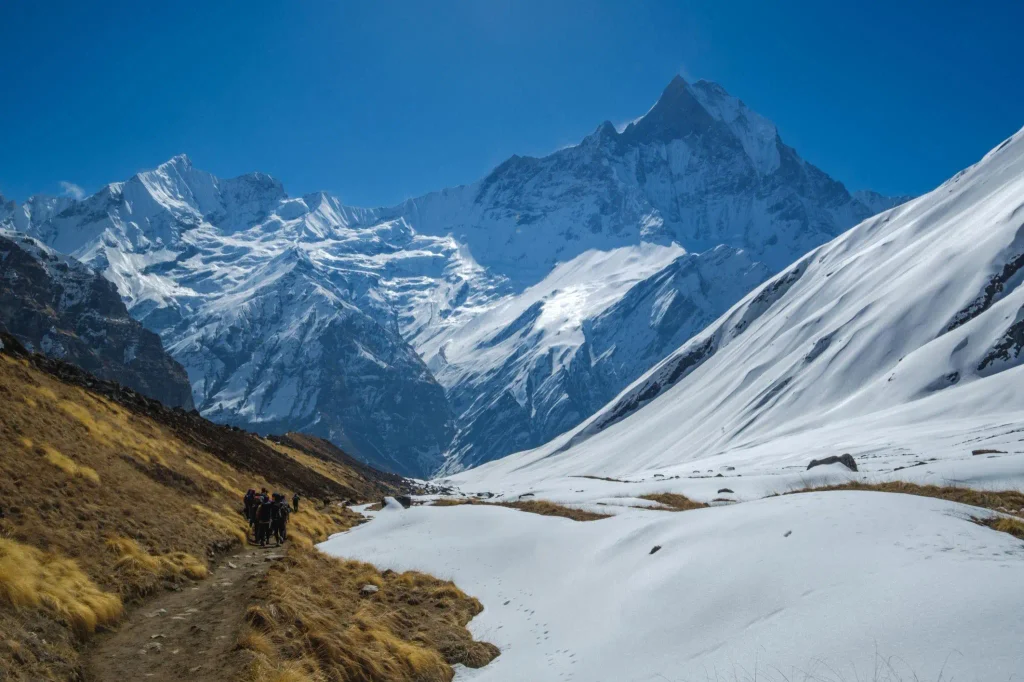
The closer you get to Machhapuchhre Base Camp (MBC) and Annapurna Base Camp, the colder it gets, especially at night and during winter. Depending on the season, you may also encounter snow, rain, strong winds and slippery trails.
Pack thermal layers, a warm jacket, gloves, a hat and waterproof clothing to stay comfortable.
Check our guide to the best time to trek to Annapurna Base Camp to understand the weather and trail conditions throughout the year.
What Fitness Level Do You Need for the ABC Trek?
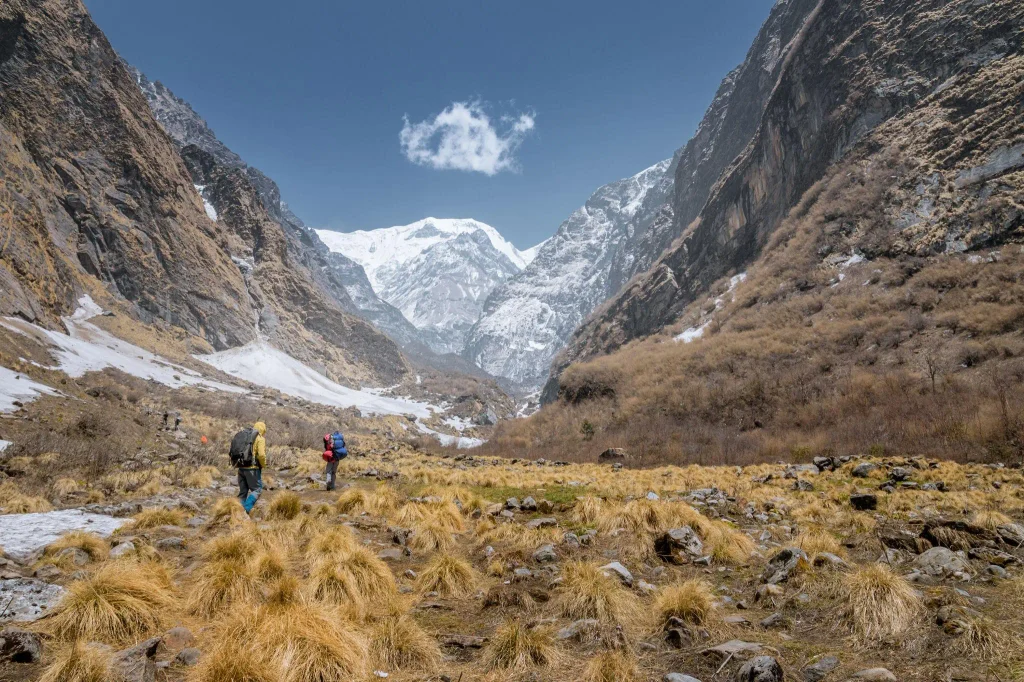
You don’t have to be an athlete to reach Annapurna Base Camp. What you do need is enough cardiovascular endurance, leg strength and stamina to handle several hours of walking each day.
A good starting point is being able to walk comfortably for a few hours on ordinary terrain, then slowly building towards longer walks with some uphill sections.
Before your trek, you should work towards being able to:
- Walk continuously for around 3–5 hours at a comfortable pace.
- Climb several flights of stairs without becoming excessively exhausted.
- Walk uphill and downhill on uneven surfaces.
- Carry a light daypack while walking.
- Recover well enough to walk again the following day.
Think of these as practical preparation goals, not official fitness requirements or promises that you’ll complete the trek.
How Should Beginners Prepare?
Good news: you don’t need an expensive gym membership or a complicated workout plan. Consistent training that builds your endurance, strength and balance will make the journey much easier.
Ideally, start preparing around 6–8 weeks before your trek, or earlier if you’re starting from a low fitness level.
- Build Cardiovascular Endurance
Cardiovascular endurance is what keeps you going when the hours add up.
Start with regular brisk walking and slowly increase how long you walk. Cycling, swimming or jogging can also help if they suit you.
Towards the end of your preparation, try to fit in longer outdoor walks. They’ll help you feel at ease spending several hours on your feet.
- Practise Walking Uphill and Climbing Stairs
The ABC route is full of uphill sections and stone staircases, so practising similar movements before you go is especially useful.
Walk on hills, climb stairs or use an inclined treadmill if you have one.
Begin with sessions you can manage and build up the time and intensity bit by bit. Don’t push too hard at the start, because an injury can interrupt your whole preparation.
- Strengthen Your Legs and Improve Balance
Strong legs make uphill climbs easier and help you feel less worn out on long descents.
Include exercises such as:
- Squats
- Lunges
- Step-ups
- Calf raises
- Glute bridges
Simple balance exercises are also worth adding, since they’ll help you feel steadier on uneven trails.
You don’t need heavy weights. Begin with bodyweight exercises and make them harder slowly.
- Practise Walking With a Light Backpack
If you plan to carry your own daypack, practise walking with a light backpack before you leave.
Pack the essentials, like water, snacks and an extra layer of clothing, so you can feel how the extra weight changes your walking.
Keep out anything you don’t need. And if you hire a porter, your daypack stays lighter and your walking gets a lot more comfortable.
Building physical endurance is one half of the story. Understanding how your body responds to higher elevations matters just as much. Our high-altitude trekking preparation guide covers additional training and acclimatisation advice for Himalayan trekkers.
How Many Days Should Beginners Take for the ABC Trek?
For beginners, the itinerary you choose is just as important as the training you do.
The standard ABC Trek can be completed through different routes and itineraries, depending on your starting point, transportation arrangements and the time you have.
A shorter itinerary can look tempting. But fewer trekking days can mean longer walking hours and faster gains in elevation, which can feel much tougher on your first high-altitude trek.
A sensible itinerary should allow you to:
- Gain altitude progressively.
- Maintain a comfortable walking pace.
- Take regular breaks during the day.
- Get enough rest between trekking days.
- Adjust the plan if weather or health conditions require it.
There is no single perfect duration for every beginner. Your fitness, walking experience, route and altitude profile should shape your itinerary.
So instead of picking a trek just because it finishes sooner, choose a schedule that lets you enjoy the journey without rushing through it.
What Makes the ABC Trek Easier for First-Time Trekkers?
Although the Annapurna Base Camp Trek is physically demanding, few things make it far more welcoming for beginners than many remote Himalayan routes.
- Established Trekking Trails
The main ABC route follows established trails connecting villages and settlements in the Annapurna region.
Along the way you’ll cross suspension bridges, wander past terraced farmland, follow river valleys and walk through forests and mountain settlements. Many trekkers use this route, and with the right guidance the main trail is generally easy to follow.
Still, trail conditions can change because of weather, landslides and other natural events, so listening to your guide’s instructions always matters.
- Teahouses and Meals Along the Route
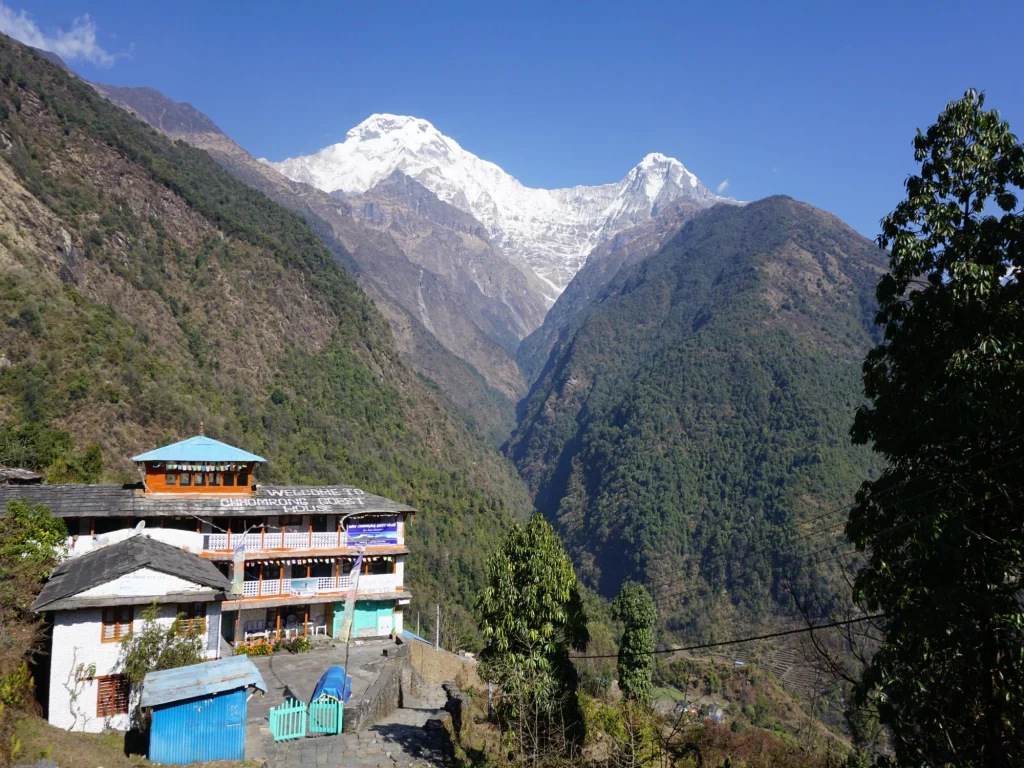
On the standard ABC route, you don’t need to carry a tent, cooking equipment or several days of food.
Teahouses and lodges offer simple accommodation and meals at established stops along the trail.
Expect familiar comfort food like dal bhat, noodles, rice, soups, potatoes, eggs and other local dishes.
That means you can rest overnight, eat regular meals and head off again the next morning without hauling heavy camping supplies.
Just keep your expectations realistic. Accommodation and facilities get more basic as you go higher.
- Support From a Licensed Trekking Guide and Porter
Having a knowledgeable guide can make a significant difference, especially if this is your first trek in Nepal.
Your guide can help you stay on the right trail, keep a pace that suits you, understand local conditions and spot possible altitude-related problems early.
A porter can carry your main luggage, so you can walk with a lighter daypack.
For beginners, this kind of support makes the journey more comfortable and lets you focus on walking and soaking in the views.
Who Should Avoid or Reconsider the Annapurna Base Camp Trek?
ABC is achievable for many beginners, but it may not be the right choice for everyone at every point in time.
You should reconsider or prepare further if you:
- You rarely participate in physical activity and cannot comfortably walk for extended periods.
- You struggle with uphill walking or climbing stairs.
- You are unwilling to prepare physically before the trek.
- You expect a relaxed holiday with minimal walking or physical effort.
- You have a medical condition that could affect your ability to exercise at high altitude and have not discussed the trek with a healthcare professional.
Age alone doesn’t decide whether you can complete ABC. Your overall fitness, health, and preparation matter more.
If you are looking for a shorter introduction to Himalayan trekking, explore these beginner-friendly treks from Pokhara, including Ghandruk and Poon Hill.
Is ABC a Good First Himalayan Trek?
It can be a wonderful one, if you’re ready for its physical demands.
You get an established trekking route, cosy teahouse stays at night and access to one of Nepal’s most impressive mountain landscapes, all without needing any technical climbing experience.
But please don’t mistake it for an easy walking holiday. Long staircases, back-to-back trekking days, shifting weather and an altitude of 4,130 metres all call for proper preparation and sensible planning.
If you’re a beginner who can walk comfortably, has time to build endurance and is willing to follow a suitable itinerary, ABC is a realistic goal.
You don’t have to be an experienced mountaineer to reach Annapurna Base Camp. You just have to prepare your body, respect the altitude and know your own limits.
If you’re planning your first trek in Nepal, Hi Nepal Travels and Treks can help you arrange a guided Annapurna Base Camp experience with appropriate route planning and trekking support.
Explore our Annapurna Base Camp Trek Package and start planning your journey into the Annapurna Sanctuary. Our local team can help you choose a suitable itinerary and arrange the trekking support you need.
Frequently Asked Questions
-
Is Annapurna Base Camp suitable for absolute beginners?
Yes. Beginners without previous trekking experience can complete ABC if they have reasonable physical fitness, prepare adequately and follow a suitable itinerary.
-
How many days does a beginner need for the ABC trek?
It depends on your starting point, route and walking pace. Beginners should choose an itinerary that allows gradual altitude gain, enough rest and manageable daily walking hours, rather than rushing to finish the trek.
-
Can I do the Annapurna Base Camp trek without training?
We wouldn’t advise it, especially if you have a sedentary lifestyle. Regular walking, stair climbing and basic strength exercises can help prepare your body for the trek.
-
How many hours do you walk each day on the ABC trek?
Most trekking days involve around 4–7 hours of walking, though some days may be longer or shorter depending on your itinerary, trail conditions and personal pace.
-
Is Annapurna Base Camp harder than Poon Hill?
Yes, generally. ABC has a higher maximum altitude, more consecutive trekking days and greater physical demands. The Ghorepani Poon Hill Trek is usually a shorter, gentler introduction to trekking in the Annapurna region.
-
Do beginners need a guide for the ABC trek?
Yes. Foreign trekkers on the standard Annapurna region route should arrange a licensed guide through a registered trekking agency in line with Nepal’s current trekking regulations. A guide is especially helpful for first-time trekkers.
-
Can beginners experience altitude sickness on the ABC trek?
Yes. Altitude sickness can affect anyone, whatever their trekking experience or fitness level. Since ABC reaches 4,130 metres, ascend gradually, learn to recognise the symptoms and tell your guide if you feel unwell.
-
Is a TIMS card required for the Annapurna Base Camp Trek?
TIMS is not currently being routinely required or enforced on the standard Annapurna Base Camp route in practice. However, Nepal Tourism Board‘s published revised list includes the Poon Hill–ABC route, so trekkers should confirm the latest requirements with their registered trekking agency before departure. An ACAP entry permit is required.