Everest Region
Everest Region Trekking: Nepal's Most Iconic Himalayan Adventure
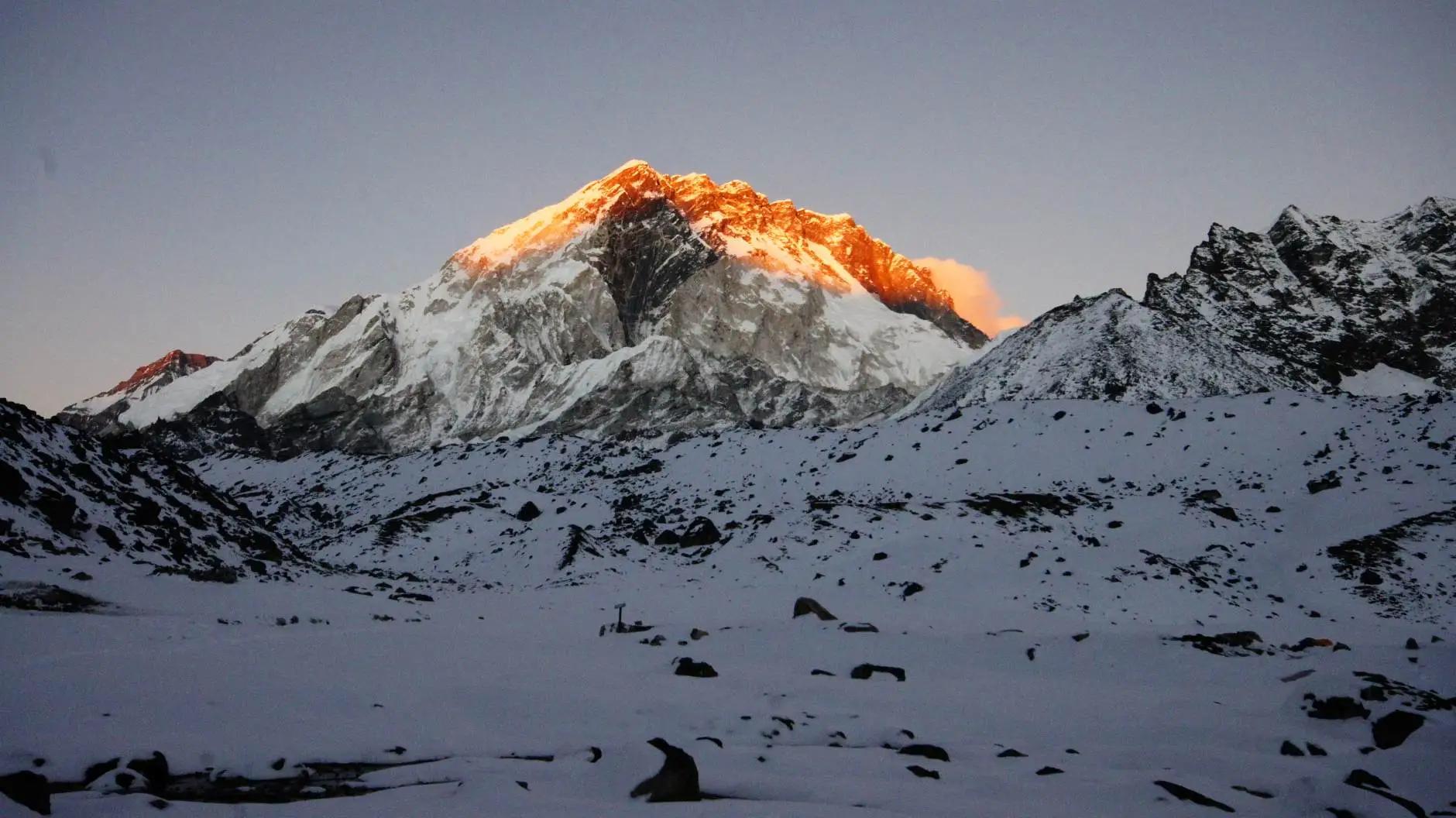
The Everest Region, also called the Khumbu region, is Nepal’s most popular trekking destination, attracting adventurers from all over the world. It is home to Mount Everest, the tallest mountain in the world at 8,848.86 meters, and lies within Sagarmatha National Park, a UNESCO World Heritage Site famous for its glaciers, rivers, alpine forests, and diverse wildlife.
Embark on the ultimate Everest trekking adventure and explore the breathtaking Everest region of Nepal. From the legendary Everest Base Camp trek to the stunning Gokyo Lakes and panoramic views at Kala Patthar, this journey offers unforgettable high-altitude experiences. Trek through the Khumbu Valley, cross challenging passes like Cho La and Renjo La, and immerse yourself in the rich Sherpa culture of Namche Bazaar. Visit the sacred Tengboche Monastery, witness the grandeur of the Himalayas, and capture the perfect sunrise over Mount Everest. Whether you are a first-time trekker or an experienced adventurer, the Everest region promises a once-in-a-lifetime Nepal trekking experience.
Trekking in the Everest region is as much about the journey as the destination. Most adventures begin with a thrilling flight into Lukla Airport, followed by scenic trails through villages like Phakding, Monjo, and Namche Bazaar, which serve as important acclimatization hubs. Higher-altitude settlements such as Pangboche, Dingboche, and the spiritual Tengboche Monastery showcase Sherpa culture through prayer flags, mani walls, and chortens.
Why Trekking in the Everest Region is Special?
The Everest Region is home to Mount Everest, the highest mountain in the world, making it a dream destination for trekkers. Beyond the mountains, the region offers rich Sherpa culture, ancient monasteries, and breathtaking Himalayan landscapes.
Whether you're a first-time trekker or a seasoned adventurer, the Khumbu has a route for you. Every trail here rewards you with views of Everest, Lhotse, Nuptse, Ama Dablam, and Cho Oyu, giants that dominate the skyline at every turn. From beginner-friendly routes to extreme high-altitude adventures, the Everest Region provides diverse trekking experiences unmatched anywhere else in Nepal.
Everest Region trekking is more than just reaching Everest Base Camp. Trekkers experience breathtaking landscapes, towering peaks, and serene valleys along well-marked trails. The journey passes through rivers, waterfalls, glaciers, and alpine forests, offering amazing opportunities for photography and nature exploration.
Along the way, you encounter the vibrant Sherpa culture, visit ancient monasteries, and explore traditional villages. This unique mix of adventure, culture, and nature makes Nepal trekking in the Khumbu region a once-in-a-lifetime experience.
Everest Region Highlights (Khumbu Valley)
-
Everest Base Camp (EBC): Trek to the world’s highest peak and stand in the shadow of Mount Everest. The base camp offers spectacular views of Everest, Lhotse, and Nuptse, making it a dream destination for trekkers and adventure enthusiasts.
-
Kala Patthar (5,545m): Famous for its panoramic sunrise views of Mount Everest and the surrounding Himalayas. It’s the perfect spot for breathtaking photos and a sense of accomplishment after a challenging hike.
-
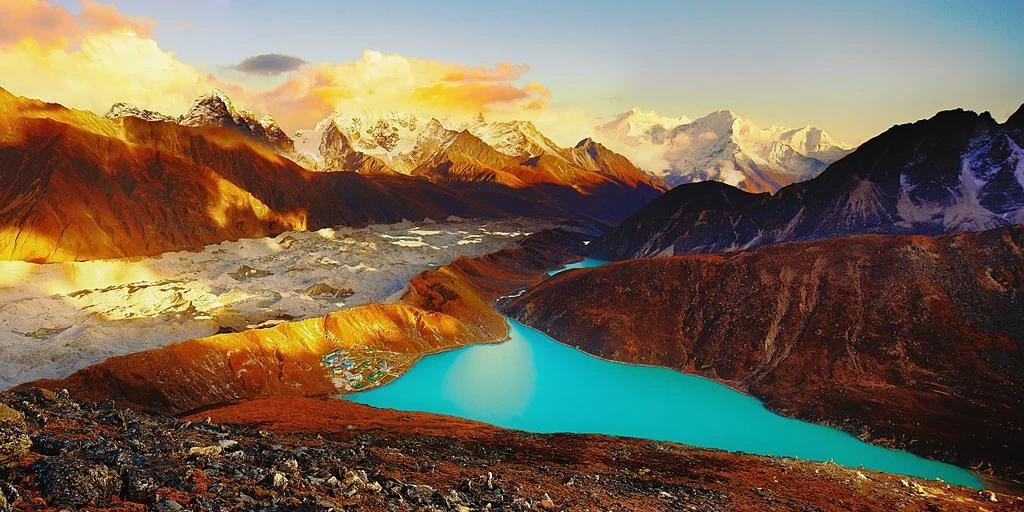
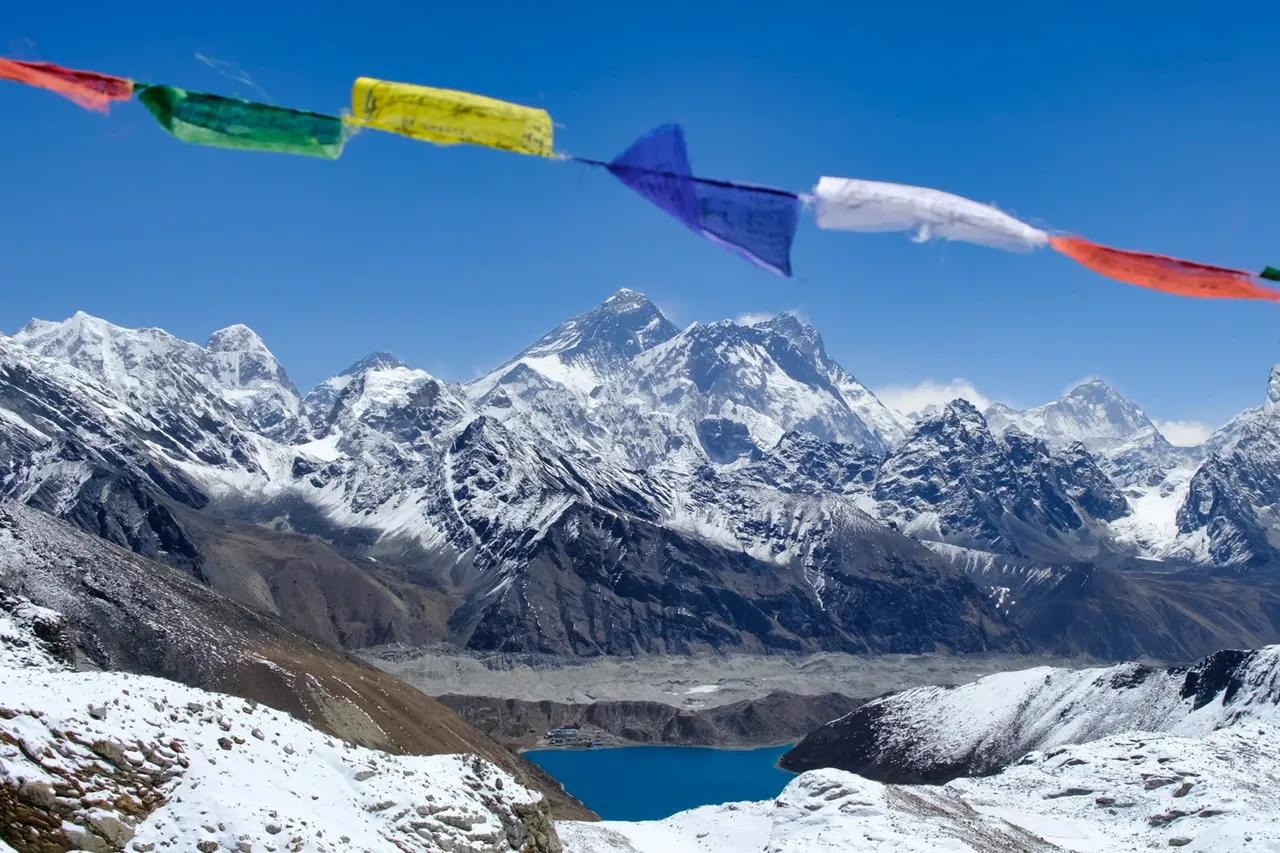
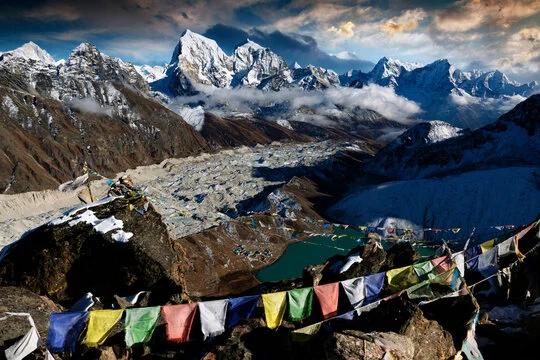
Gokyo Lakes & Gokyo Ri: A serene chain of turquoise glacial lakes surrounded by snow-capped peaks. Hiking to Gokyo Ri provides stunning vistas of Everest, Cho Oyu, and the surrounding high mountains, a quieter alternative to the Base Camp route.
-
Namche Bazaar: The cultural and trading hub of the Khumbu Valley. Explore bustling markets, cozy cafes, and experience authentic Sherpa culture, making it a great place to rest and acclimatize during your trek.
-
Tengboche Monastery: The largest and most sacred monastery in the Everest region. Visitors can witness traditional Buddhist rituals while enjoying incredible views of Ama Dablam and the Himalayan skyline.
-
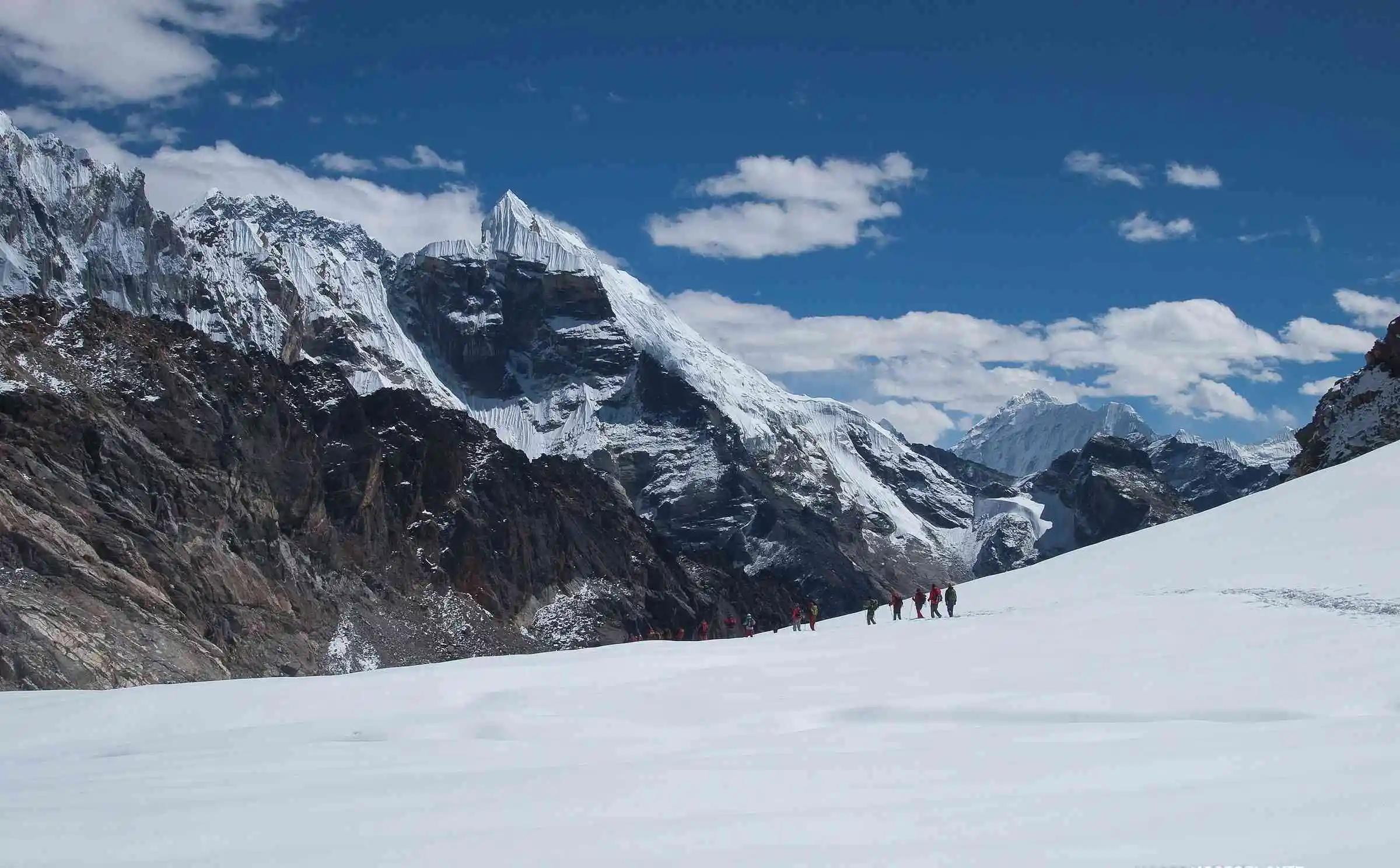
High Passes – Cho La & Renjo La: For trekkers seeking adventure, these high-altitude passes connect trekking routes and reward you with unmatched mountain panoramas and glacier views.
-
Khumbu Glacier & Icefall: Iconic landscapes filled with towering crevasses and dramatic ice formations. These natural wonders showcase the raw beauty and power of the Himalayas.
-
Ama Dablam: Often called the “Matterhorn of the Himalayas,” this photogenic peak is visible from many trekking routes and adds spectacular beauty to the region’s landscape.
-
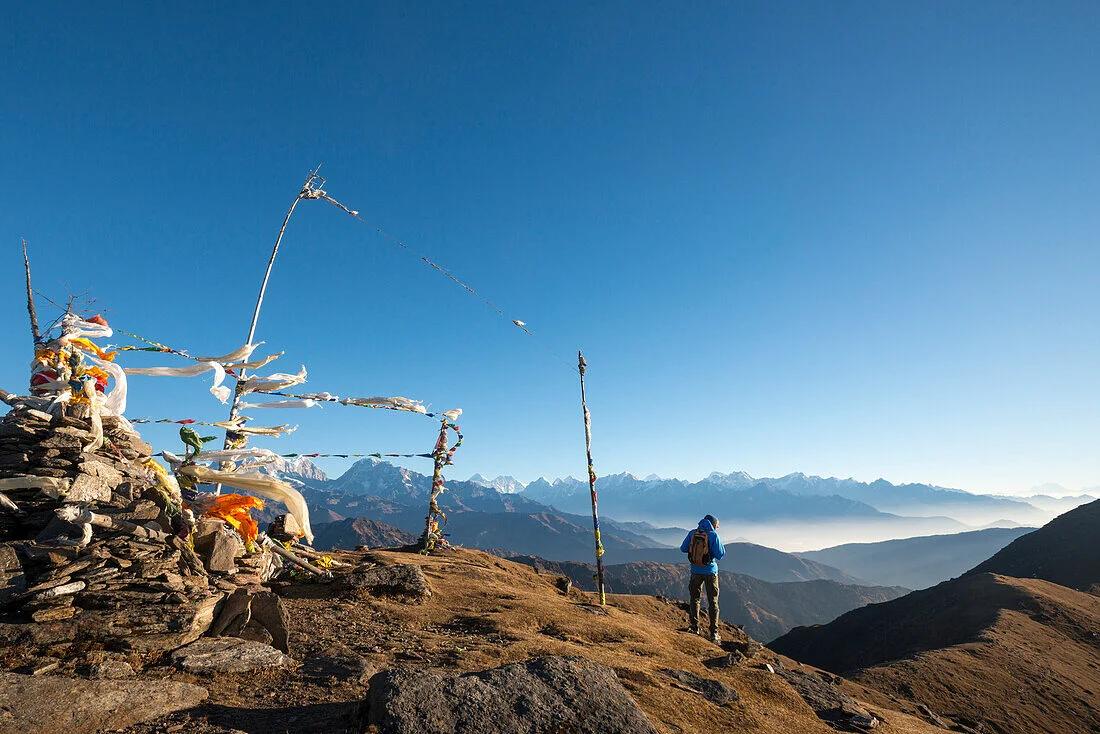
Sherpa Villages & Culture: Trek through remote villages with traditional stone houses, mani walls, and fluttering prayer flags. Engage with the Sherpa people and learn about their unique mountain lifestyle.
-
Panoramic Himalayan Views: Every trail in the Everest region offers jaw-dropping vistas of Everest, Lhotse, Makalu, Cho Oyu, and other Himalayan giants, making the trek a once-in-a-lifetime adventure.
Popular Trekking Routes in the Everest Region, Nepal
The Everest Region in Nepal is a top trekking destination in the world, attracting adventurers seeking Himalayan landscapes, high-altitude challenges, and Sherpa culture. Whether you want the classic Everest Base Camp Trek or a scenic route to Gokyo Lakes, there is a trek for every experience level. Below is a detailed guide to the most popular Everest Region trekking routes.
14-Day Everest Base Camp Trek
The Everest Base Camp Trek is Nepal’s most iconic trek and a must-do adventure for bucket-list travelers. Over 14 days, trekkers journey from Lukla through traditional Sherpa villages such as Phakding, Namche Bazaar, Tengboche, Dingboche, and Lobuche, culminating at Everest Base Camp (5,364 m).
Highlights:
-
Panoramic views of Mount Everest, Lhotse, Nuptse, and Ama Dablam
-
Trekking across the Khumbu Glacier and seeing the Khumbu Icefall
-
Immersive Sherpa culture, Buddhist monasteries, and prayer flags
-
Ideal for first-time high-altitude trekkers and photography enthusiasts
This classic trek combines adventure, culture, and the majestic Himalayan scenery, making it one of the most popular treks in the Everest Region.
16-Day Cho La Pass – Gokyo Trek
The Cho La Pass – Gokyo Trek is for experienced trekkers seeking high-altitude challenges. Over 16 days, the trek links Everest Base Camp with the tranquil Gokyo Lakes, crossing the Cho La Pass (5,420 m), a highlight for adventurers.
Highlights:
-
Stunning views from Gokyo Ri over Everest, Lhotse, and Makalu
-
Serene turquoise lakes and glacial valleys away from crowded trails
-
Unique experience of both Everest Base Camp and Gokyo Valley
-
Opportunities to witness Sherpa traditions, mani walls, and chortens
This route offers a high-adrenaline trekking experience with unparalleled Himalayan landscapes.
13-Day Gokyo Valley Trek
The Gokyo Valley Trek is a scenic alternative to the classic Everest Base Camp route, focusing on the turquoise glacial lakes of Gokyo. In 13 days, trekkers climb Gokyo Ri, one of the best viewpoints in the Everest Region.
Highlights:
-
Panoramic views of Mount Everest, Lhotse, and Makalu from Gokyo Ri
-
Peaceful trekking on less crowded trails
-
Cultural interaction with local Sherpa communities
-
Perfect for photographers and trekkers seeking serenity
This trek provides breathtaking Himalayan vistas and a quieter trekking experience.
9-Day Pikey Peak Trek
The Pikey Peak Trek is a short, 9-day trek ideal for beginners or travelers with limited time. Starting from Namche Bazaar, trekkers ascend to Pikey Peak, enjoying panoramic views of Everest, Makalu, and the Himalayan range.
Highlights:
-
Beautiful Sherpa villages and monasteries along the route
-
Panoramic Himalayan landscapes from Pikey Peak
-
Forested trails mixed with high-altitude scenery
-
Perfect for a short Everest Region trek
This trek is perfect for travelers seeking stunning Himalayan views without a long-duration trek.
19-Day Three Passes Trek
The Three Passes Trek is the ultimate Everest Region adventure, spanning 19 days. Trekkers cross three major passes: Kongma La, Cho La, and Renjo La, reaching Everest Base Camp and Gokyo Valley.
Highlights:
-
Conquer multiple high-altitude passes with panoramic Himalayan views
-
Trek through glaciers, valleys, and dramatic mountain landscapes
-
Experience immersive Sherpa culture and monasteries
-
Ideal for experienced trekkers seeking a challenging adventure
This trek offers an unmatched Everest trekking experience for seasoned adventurers.
12-Day Renjo La Pass Trek
The Renjo La Pass Trek is a moderately challenging 12-day trek connecting Everest Base Camp and Gokyo Valley via Renjo La Pass (5,360 m).
Highlights:
-
Panoramic views of Everest, Lhotse, Makalu, and Cho Oyu
-
Scenic turquoise glacial lakes and traditional Sherpa villages
-
Moderate trekking suitable for adventurous yet experienced travelers
-
A mix of cultural immersion and high-altitude Himalayan landscapes
This trek is perfect for travelers looking for spectacular views with manageable trekking challenges.
Everest Conservation Area (ECA)
The Everest Conservation Area (ECA) is a protected region in the Khumbu Valley of Nepal, covering around 3,380 square kilometers of the Himalayan landscape. Managed by the National Trust for Nature Conservation (NTNC), it was established to preserve the unique natural environment, wildlife, and cultural heritage of the Everest region while promoting sustainable tourism.
Key Features of the ECA
-
Sagarmatha National Park: The core of the ECA, this UNESCO World Heritage Site protects high-altitude ecosystems, glaciers, forests, and alpine meadows. It’s home to iconic species like the snow leopard, red panda, Himalayan tahr, and yak.
-
Mount Everest and Surrounding Peaks: The ECA includes Mount Everest (Sagarmatha), Lhotse, Ama Dablam, Cho Oyu, and other Himalayan giants, making it a prime trekking and climbing destination.
-
Sherpa Culture & Villages: The area supports remote Sherpa communities in villages like Namche Bazaar, Tengboche, and Pangboche, preserving their traditional lifestyle, monasteries, and festivals.
-
Eco-Tourism & Trekking Routes: The ECA promotes responsible trekking along popular routes like Everest Base Camp, Gokyo Lakes, and high passes like Cho La and Renjo La, emphasizing environmental conservation and local economic support.
-
Glaciers and Lakes: The region contains Khumbu Glacier, Imja Glacier, and beautiful glacial lakes like the Gokyo Lakes, which are important for biodiversity and water resources.
-
Conservation Programs: NTNC conducts initiatives for reforestation, waste management, wildlife protection, and community development, ensuring that trekking and mountaineering activities are sustainable.
Best Seasons for Everest Region Trekking
Choosing the best season for Everest Region trekking in Nepal is crucial for safety, clear mountain views, and an unforgettable Himalayan experience. The Everest Region, home to the world’s highest peak, offers multiple trekking routes including the Everest Base Camp Trek, Gokyo Lakes Trek, Three Passes Trek, Renjo La Pass Trek, and Pikey Peak Trek.
The most popular and safest trekking seasons are spring (March to May) and autumn (September to November). During these months, trekkers enjoy clear skies, stable weather, and moderate temperatures, making it the ideal time for Himalayan trekking, photography, and exploring Sherpa villages along the trails.
| Season | Months | Conditions |
| Spring | March – May | Clear skies, blooming rhododendrons, moderate temperatures. Excellent for all routes. |
| Autumn | September – November | Peak season. Stable weather, crystal-clear mountain views. Best for first-timers. |
| Winter | December – February | Fewer crowds, very cold. Suitable for experienced trekkers on lower routes. |
| Monsoon | June – August | Heavy rain, reduced visibility, slippery trails. Not recommended. |
Spring (March – May) – Best Time for Everest Region Trekking
Spring is one of the best seasons for trekking in the Everest Region. Temperatures are mild, the skies are mostly clear, and the Himalayan rhododendrons are in full bloom, creating stunning landscapes along the trail.
Why Spring is Ideal:
-
Clear mountain views of Mount Everest, Lhotse, Nuptse, and Ama Dablam
-
Longer daylight hours for trekking and photography
-
Mild weather with comfortable trekking temperatures
-
Opportunities to witness cultural festivals in Sherpa villages
Spring is perfect for Everest Base Camp Trek 14 days, Gokyo Valley Trek 13 days, and Cho La Pass, Gokyo Trek 16 days, especially for trekkers who want picturesque Himalayan scenery and vibrant flora.
Autumn (September – November) – Peak Everest Trekking Season
Autumn is considered the peak trekking season in Nepal and is ideal for Everest Region trekking. After the monsoon, skies are crystal-clear, offering panoramic views of Everest, Lhotse, Makalu, and Cho Oyu. Trails are dry and safe, making it suitable for trekkers of all levels.
Why Autumn is Best:
-
Excellent visibility for photography and sightseeing
-
Stable and dry weather conditions
-
Moderate temperatures for trekking at high altitudes
-
Popular trekking season with well-supported teahouses and facilities
Autumn is recommended for all major treks including Everest Base Camp, Renjo La Pass, Three Passes Trek, and Gokyo Lakes Trek, especially for first-time trekkers or those wanting the classic Everest trekking experience.
Winter (December – February) – For Experienced Trekkers
Winter trekking in the Everest Region is less crowded, offering a peaceful and serene experience. However, temperatures drop significantly, and some high passes may be covered in snow. This makes challenging routes like the Three Passes Trek or Cho La Pass Trek more difficult. Shorter or lower-altitude treks like the Pikey Peak Trek can still be manageable.
Winter Highlights:
-
Fewer crowds on popular Everest trails
-
Clear skies and crisp mountain views on sunny days
-
Cold temperatures and snow-covered trails
Winter is recommended only for experienced trekkers familiar with high-altitude conditions.
Monsoon (June – August) – Not Recommended
The monsoon season is generally not suitable for Everest Region trekking due to heavy rainfall, slippery trails, and potential landslides. Visibility of Himalayan peaks is often reduced, and trekking in glacial areas may be hazardous.
Monsoon Challenges:
-
Slippery and muddy trails
-
Increased risk of landslides and avalanches
-
Limited visibility of Everest and surrounding peaks
-
Difficulty accessing teahouses and remote villages
Trekkers are advised to avoid trekking Everest during monsoon unless prepared for extreme conditions.
Trekking Difficulty in the Everest Region
The Everest Region offers some of the most iconic trekking routes in the world, but the level of difficulty can vary depending on the trail, altitude, and individual fitness.
Most Everest Region treks are moderate to challenging, not because of technical climbing, but due to high altitude, long daily walks (4–8 hours), and unpredictable weather. Elevations range from 2,800m at Lukla up to 5,545m at Kala Patthar, making acclimatization the single most important factor for a safe trek. Understanding these factors is essential for preparation and safety.
Route Difficulty at a Glance
| Route | Difficulty | Notes |
| Everest Base Camp Trek | Moderate–Challenging | Best with some prior trekking experience |
| Gokyo Lakes & Gokyo Ri | Moderate–Challenging | Less crowded; steeper climbs than EBC |
| Cho La & Renjo La Passes | Strenuous | High-altitude experience strongly recommended |
| Short Treks (Namche / Tengboche) | Moderate | Great for beginners or limited time |
Key Tips Before You Go
-
Acclimatize - Don't skip rest days at Namche Bazaar or Dingboche
-
Train beforehand - Cardiovascular fitness and leg strength matter
-
Know AMS symptoms - Headache, nausea, dizziness mean stop and descend
-
Pack right - Sturdy boots, layered clothing, and trekking poles are essential
-
Hydrate - Drink consistently throughout the day, even when you're not thirsty
What Permits Are Required for the Everest Region Trekking?
Planning a trek to the Everest Region of Nepal is a dream for many adventurers. One of the most important steps before starting your journey is understanding the trekking permits required for Everest Base Camp (EBC) and surrounding treks. Having the correct permits is essential for a legal, safe, and hassle-free trekking experience.
Two permits are mandatory for all Everest Region treks, whether you are trekking the Everest Base Camp Trek, Gokyo Lakes Trek, Cho La Pass Trek, or the Three Passes Trek.
| Permit | Purpose | Where to Get It |
| Sagarmatha National Park Entry Permit | Legal entry into the UNESCO-protected park | Kathmandu, Lukla, or Monjo checkpoint |
| Khumbu Pasang Lhamu Rural Municipality Permit | Supports local Sherpa communities and trail infrastructure | Kathmandu, Lukla, or Monjo checkpoint |
Good news: A TIMS card is not required for the Everest Region.
A Few Things to Know
-
Carry your original passport - permits require verification at multiple checkpoints along the trail
-
Getting permits in Kathmandu before you fly is the easiest option and avoids delays at Lukla
-
Permit fees directly fund trail maintenance, waste management, wildlife protection, and local Sherpa communities
-
Rules and fees can change, always confirm current requirements before travel
Hi Nepal Treks arranges all permits on your behalf as part of your trek package, so you can focus on the adventure.
Culture You'll Experience in Everest Region
The Sherpa people have called the Khumbu home for centuries. Their Buddhist faith shapes every corner of daily life, from the prayer wheels spinning at monastery gates to the mani stones lining every trail. Trekking here means being a guest in a living culture, not just passing through a landscape.
Key cultural experiences along the way:
-
Tengboche Monastery, monks' rituals, chanting, and prayer ceremonies
-
Mani Rimdu Festival (held at Tengboche, usually October/November), masked dances and communal celebrations
-
Traditional Sherpa meals: dal bhat, tsampa, yak butter tea, and Himalayan soups served at family-run tea houses
Summary
The Everest Region stands out because it offers a perfect combination of adventure, culture, and natural beauty:
-
Iconic peaks including Everest, Lhotse, Nuptse, Ama Dablam, and Cho Oyu.
-
Classic and alternative trekking routes for all levels of experience.
-
Rich Sherpa culture, monasteries, and festivals.
-
Stunning natural attractions, glaciers, alpine meadows, and high-altitude lakes.
-
Diverse wildlife and unique biodiversity within Sagarmatha National Park.
-
Moderate to challenging trekking suitable for adventure seekers.
-
A complete high-altitude Himalayan experience combining physical challenge, cultural immersion, and breathtaking scenery.
For trekkers seeking world-class Himalayan adventure, authentic cultural experiences, and unforgettable landscapes, the Everest Region is the ultimate trekking destination.
Ready to Trek the Roof of the World?
Whether it's your first Himalayan trek or your tenth, the Everest Region will stay with you long after you return home.
Everest Region FAQ
What is the Everest Region?
The Everest Region (also called the Khumbu Valley) is the northeastern corner of Nepal that is home to Mount Everest and several other 8,000m+ peaks. It lies within Sagarmatha National Park, a UNESCO World Heritage Site, and is Nepal's most popular trekking destination.
Do I need prior trekking experience?
Some routes like Everest Base Camp are manageable for fit beginners who prepare well. Others, like the Three Passes Trek or Cho La Pass, require prior high-altitude trekking experience. Our team can help you choose the right route for your fitness level.
What are the main trekking routes in the Everest Region?
-
Everest Base Camp Trek – The classic route to see the Khumbu Icefall and Everest up close.
-
Gokyo Lakes Trek – Features turquoise glacial lakes and panoramic views from Gokyo Ri.
-
Three Passes Trek – A challenging route crossing Cho La, Renjo La, and Kongma La passes.
-
Everest Panorama / Everest View Trek – Short treks suitable for beginners or limited time.
What is the difficulty level of trekking in the Everest Region?
The treks range from moderate to challenging, mainly due to high altitude. Most trails are not technically difficult, but proper acclimatization is essential for elevations above 5,000 meters.
When is the best time to trek in the Everest Region?
Spring (March–May) and Autumn (September–November) are the two ideal seasons, offering the clearest mountain views and most stable weather conditions.
What permits do i need to trek in the Everest Region?
Trekkers need the Sagarmatha National Park Entry Permit and the Khumbu Pasang Lhamu Rural Municipality Permit. Hi Nepal Treks handles all permit arrangements as part of your package, no extra hassle for you.
What accommodation is available on the trek?
Accommodation is primarily in tea houses, offering basic but comfortable lodging and meals. Most villages provide:
-
Dal Bhat, noodles, soups, and baked goods
-
Warm rooms with shared or private bathrooms
-
Lodges in larger villages like Namche Bazaar are more comfortable than remote villages.
What cultural experiences can I expect in the Everest Region?
Trekkers experience the Sherpa culture, including:
-
Visits to monasteries like Tengboche
-
Festivals such as Mani Rimdu
-
Traditional villages with stone houses, mani walls, and prayer flags
-
Insights into Sherpa life, yak herding, and Himalayan agriculture
What wildlife can I see in the Everest Region?
The region is home to diverse wildlife, including:
-
Snow leopards, red pandas, Himalayan tahr, musk deer
-
Bird species such as Himalayan monal, snowcocks, and eagles
Trekking through Sagarmatha National Park offers excellent wildlife viewing opportunities.
Are trekking guides and porters available?
Yes, experienced local guides and porters are available and recommended, especially for safety, navigation, and cultural insights.
What are the highlights of trekking in the Everest Region?
-
Reaching Everest Base Camp and witnessing the Khumbu Icefall
-
Sunrise views from Kala Patthar (5,545m)
-
Exploring Gokyo Lakes and alpine landscapes
-
Experiencing authentic Sherpa culture, monasteries, and festivals
-
Crossing challenging high passes for adventure and panoramic views