
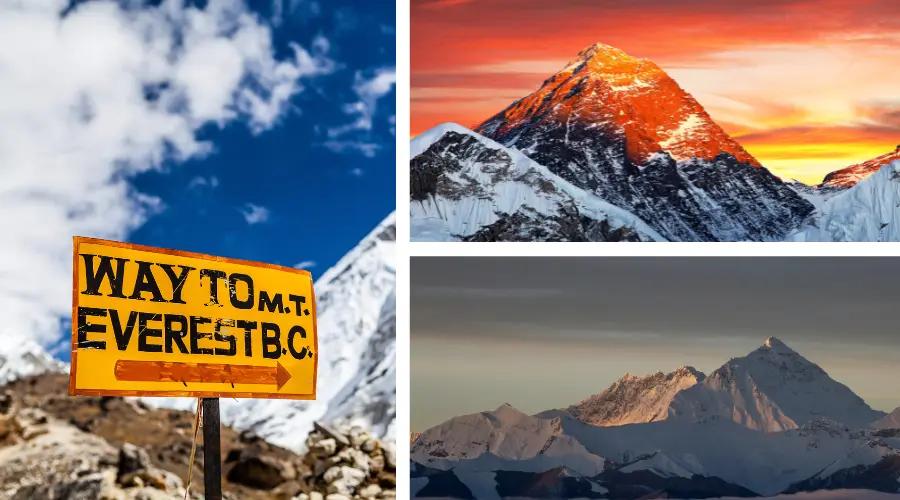
The Everest Base Camp weather is dictated by its high-altitude location. Situated at an elevation of approximately 5,364 meters (17,598 feet), the environment is harsh and unpredictable. Temperature fluctuations are common at such an altitude, and sudden weather changes can catch trekkers off guard.
Here’s a closer look at the general weather on Everest Base Camp you might encounter.
Everest Base Camp Temperature and Altitude Effects
At high altitudes, the air is thinner, which means it holds less heat, leading to cooler temperatures. The sun’s rays are also more intense, which can cause rapid temperature changes. During the day, the sun can warm the air significantly, but when it sets, temperatures can drop sharply. Trekkers must be prepared for these swings, as they can impact comfort and safety.
Wind is a constant companion at high altitudes and can affect trekkers in several ways. Strong winds can make it feel much colder than the actual temperature, a phenomenon known as wind chill. They can also whip up snow and debris, reducing visibility and complicating navigation. Understanding prevailing wind patterns can help trekkers prepare better for their journey.
The weather on Everest Base Camp is notoriously unpredictable. A clear morning can quickly give way to afternoon storms or clouds, especially during the transitional seasons. This variability requires trekkers to be flexible and adaptable, with contingency plans for unplanned delays or changes in route.
Best Time to Trek Everest Base Camp
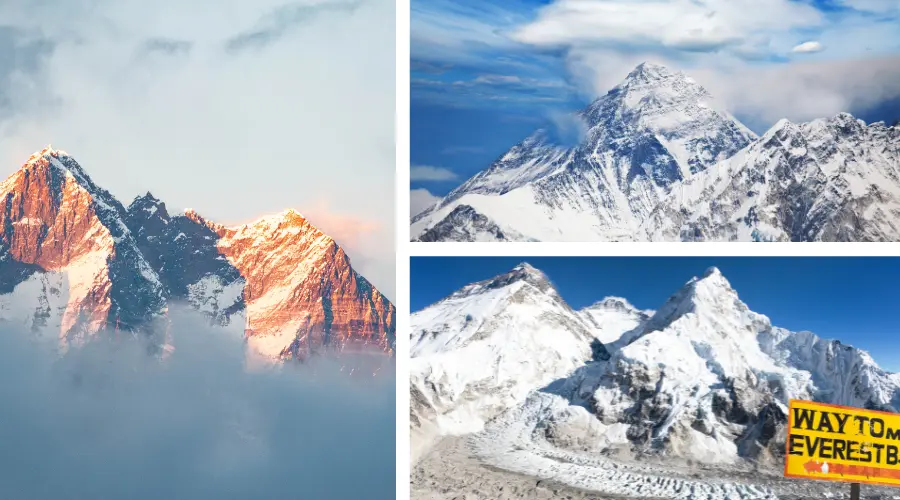
The Everest Base Camp weather is largely influenced by the best season to trek to EBC, which is divided into four distinct seasons: spring, summer, autumn, and winter.
Spring (March to May)
Spring is the best time to trek Everest Base Camp. The weather on Everest Base Camp during this time is relatively stable, with daytime temperatures ranging from 10°C to 15°C (50°F to 59°F) at lower altitudes.
As you ascend, Everest Base Camp temperatures drop, but the skies are generally clear, offering stunning views of the surrounding peaks. However, temperatures can still dip below freezing at night.
Clear Skies and Vibrant Landscapes
Spring is not only about favorable weather; it’s also the time when the region bursts into color. Rhododendrons and other alpine flowers bloom, creating a vibrant landscape that enhances the trek’s scenic beauty. Wildlife is more active during this time, offering trekkers the chance to spot unique Himalayan fauna.
With favorable conditions, spring attracts many trekkers, leading to busier trails. This can mean more camaraderie, but also requires planning for accommodation and resources. Trekkers should book early and be prepared for crowded paths, especially in popular spots.
Crowds and Festivities
Spring is also a festive time in Nepal, with several cultural events and festivals taking place. Participating in or witnessing these celebrations can enrich your trekking experience, offering insights into local customs and traditions.
Autumn (September to November)
Autumn is another best time to trek Everest Base Camp. The monsoon rains have cleared, leaving behind lush landscapes and fresh mountain air.
Clear Skies and Ideal Conditions
Daytime temperatures range from 10°C to 15°C (50°F to 59°F) at lower elevations, while nights are cooler. Clear skies provide breathtaking views, and it’s no surprise that this is a peak trekking season.
The post-monsoon clarity makes autumn the best time for photography. The crystal-clear skies offer uninterrupted views of the majestic peaks, making every moment a potential photo opportunity. Trekkers should ensure their cameras are ready to capture these stunning sights.
Cultural Festivals
Autumn is the best time to visit Nepal, when many local festivals are held, providing trekkers with the opportunity to engage with the vibrant local culture. Experiencing these cultural events adds depth to the trekking experience, offering insights into the lives of those who call the Himalayas home.
With the rains gone and the winter chill yet to arrive, autumn offers some of the most stable trekking conditions. This reliability makes it an excellent choice for both novice and experienced trekkers, ensuring a smoother and more predictable journey.
Best Overall Seasons: Spring & Autumn
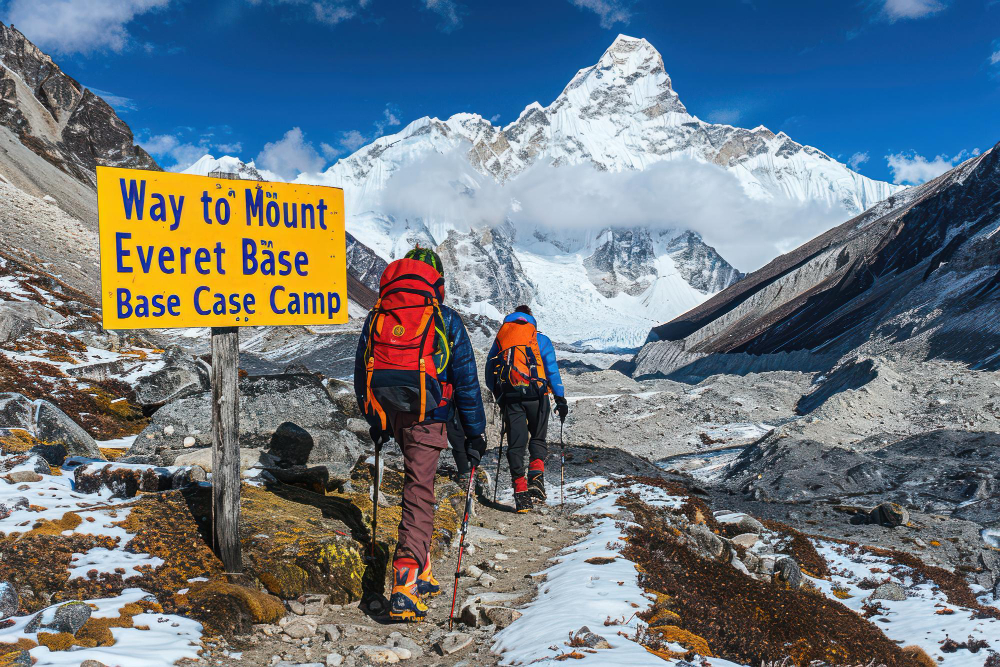
While spring and autumn are the most popular, each season has its unique charm and challenges.
For those seeking pleasant weather, clear skies, and vibrant landscapes, spring and autumn are the best times to trek. These seasons offer a balance of comfortable temperatures, fewer weather-related obstacles, and breathtaking natural beauty.
Spring and autumn provide the most stable weather conditions for trekking. This stability allows for better planning and a more predictable trek, reducing weather-related stress and enhancing enjoyment.
These seasons are perfect for experiencing the region’s biodiversity. From blooming flowers in spring to the rich autumn colors, nature’s beauty is on full display. Trekkers can immerse themselves in the ecological wonders of the Himalayas.
The presence of festivals and local events during these seasons offers cultural enrichment. Engaging with local traditions provides deeper insights into the region, making the trek more than just a physical journey.
Winter (December to February)
Winter treks are for the adventurous, as Everest Base Camp temperatures plummet and snow covers the trails. Daytime temperatures can range from -5°C to 5°C (23°F to 41°F), with nights dropping even lower. While the weather on Everest Base Camp can be harsh, the trails are less crowded, and the snow-capped landscapes are a sight to behold for those who brave the cold.
Snowy Beauty and Solitude
Winter transforms the region into a winter wonderland, with snow-capped peaks and frosty trails. This change in scenery offers a new perspective on familiar sights, making it a magical time for those who appreciate the beauty of snow.
Preparation and Safety
Winter treks require thorough preparation, with a focus on staying warm and safe. Trekkers need specialized gear, such as crampons and thermal clothing, to handle the extreme cold and icy conditions. It’s crucial to pack wisely to ensure comfort and safety.
The quieter trails of winter mean fewer disturbances and a greater sense of solitude. For those seeking a meditative experience, the winter trek offers the peace and tranquility that is often missing during busier seasons.
For Solitude Seekers: Winter
If you’re seeking solitude and don’t mind the cold, winter treks offer a unique experience. The trails are less crowded, and the snow-covered scenery provides a different perspective of the Himalayas.
Winter treks require meticulous preparation. Ensuring you have appropriate gear and understanding the risks is vital for safety. Trekkers must be aware of the challenges and prepared to face them head-on.
Winter offers unparalleled beauty, with pristine, snow-covered landscapes that are truly magical. This season provides a unique perspective on familiar sights, making it a rewarding choice for those who appreciate solitude and serenity.
For many, winter treks are a personal challenge, testing physical and mental resilience. Overcoming the harsh conditions builds confidence and offers a sense of achievement, making the experience deeply fulfilling.
Summer/Monsoon (June to August)
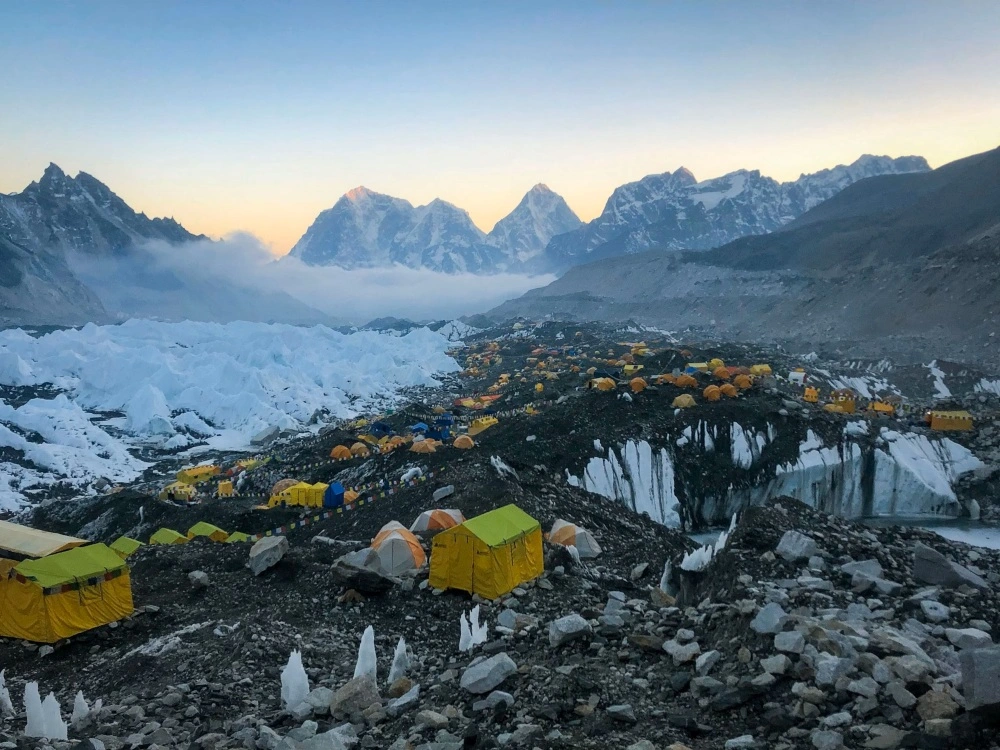
The summer months bring the monsoon season to the Everest region. Heavy rainfall and cloudy skies are common, which can lead to slippery trails and increased risk of landslides. Visibility is often reduced, making it harder to enjoy the panoramic views. Daytime temperatures are warmer, averaging between 15°C to 20°C (59°F to 68°F), but humidity is high.
Trail Challenges and Green Landscapes
Monsoon rains transform the trails into muddy paths, challenging even the most experienced trekkers. Increased vigilance is necessary to navigate safely, and having sturdy, waterproof footwear is essential. Trekkers should also be mindful of potential landslides and be prepared to alter their routes if necessary.
The monsoon season rejuvenates the landscape, turning the region into a lush green paradise. While this creates a different kind of beauty, it also means that insects are more prevalent, and trekkers should be prepared with appropriate repellents.
Fewer Crowds and Peaceful Trails
Fewer trekkers choose to venture out during the monsoon, offering a more solitary experience. This can be appealing for those seeking peace and quiet, away from the usual trekking crowds. However, it requires careful planning and an adventurous spirit to embrace the challenges.
Everest Base Camp Weather Forecasts and Resources
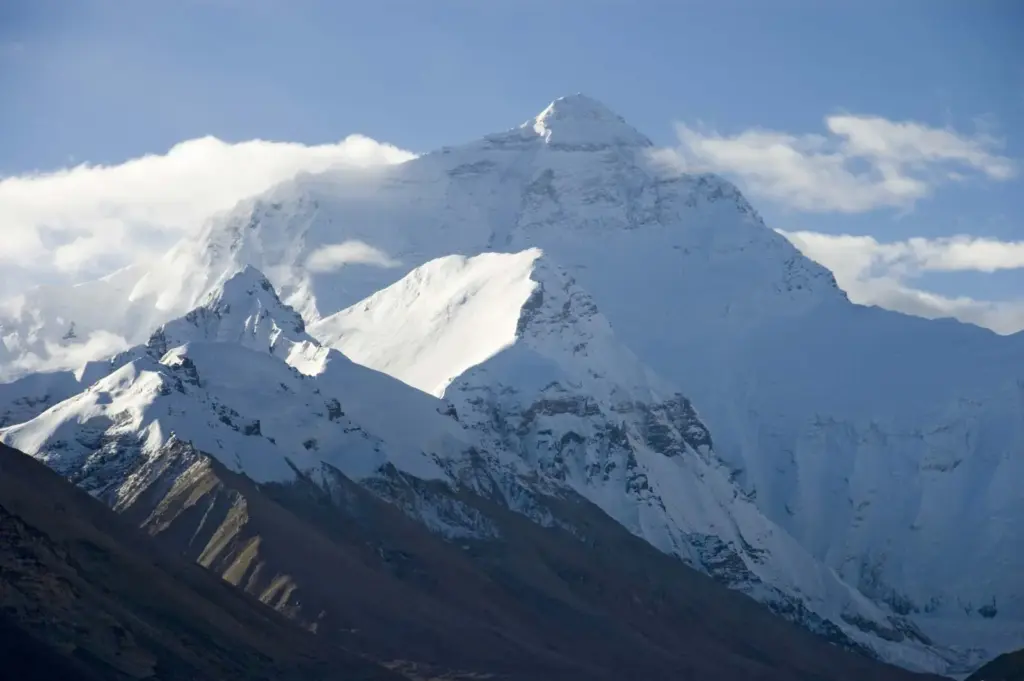
Before embarking on your trek, it’s essential to check the current weather forecast for Everest Base Camp. The Everest Base Camp weather can change rapidly, so staying informed about the latest conditions is crucial for safety.
Reliable Forecast Sources
Several tools and resources provide up-to-date weather forecasts for Everest Base Camp. Websites like the Nepal Meteorological Department and specialized trekking websites offer detailed weather insights, including Everest Base Camp temperature, precipitation, and wind conditions.
Accessing reliable sources is vital for accurate weather information. The Nepal Meteorological Department provides comprehensive data, but trekkers can also benefit from international weather services that specialize in mountainous regions. Cross-referencing multiple sources ensures a well-rounded understanding of the conditions.
Mobile Apps and Local Insights
In today’s digital age, mobile apps offer convenient access to real-time weather updates. Many apps provide alerts for sudden weather changes, which can be invaluable for trekkers on the go. Ensuring your device is charged and ready to access these apps is a smart move for any trekker.
Local guides and communities often have valuable insights into weather patterns that aren’t captured in official forecasts. Engaging with these locals can provide additional layers of understanding and preparedness, especially for microclimates unique to certain trail sections.
Preparing for Everest Base Camp Weather Challenges

Even with a reliable weather forecast, it’s important to be prepared for sudden changes. Pack appropriately, with layers to accommodate varying temperatures. Ensure you have adequate rain gear for the monsoon season and warm clothing for winter treks.
Layering for Versatility
Layering is the key to adapting to changing weather conditions. Start with a moisture-wicking base layer, add insulating layers for warmth, and finish with a waterproof outer layer. This approach allows for quick adjustments as Everest Base Camp temperatures fluctuate throughout the day.
Emergency Readiness
Weather unpredictability necessitates a plan for emergencies. Trekkers should carry a first-aid kit, extra food, and emergency contact information. Understanding evacuation routes and having a communication plan ensures safety in case of sudden weather changes.
Flexible Itinerary
Having a flexible itinerary can alleviate stress when unexpected weather arises. Allowing for extra days in your schedule can accommodate unforeseen delays due to weather, ensuring a more relaxed and enjoyable trek.
How Weather Affects Trekking Conditions
Everest Base Camp Weather conditions significantly influence your trekking experience, from the trail conditions to the overall safety and enjoyment of the journey.
Trail Conditions
Wet and slippery trails during the monsoon season can slow progress and increase the risk of slips and falls. Conversely, snowy trails in winter require proper equipment, such as crampons, to navigate safely.
During different seasons, trail maintenance can vary. Monsoon rains can wash out paths, while snow can cover markers. Trekkers should be prepared for these challenges, ensuring they have maps and GPS devices to navigate safely.
The right equipment makes all the difference in tackling challenging trail conditions. In wet weather, waterproof gear is essential, while in snowy conditions, crampons and trekking poles provide stability. Ensuring all gear is in good condition before setting out is crucial.
Traveling in groups can enhance safety, especially in adverse weather. Having companions means support in case of slips or falls, and sharing resources can help mitigate challenges posed by difficult trail conditions.
Acclimatization and Altitude
The weather affects how your body acclimatizes to the high altitude. Cold temperatures can exacerbate altitude sickness symptoms, making acclimatization stops even more critical. Pay attention to how you’re feeling and don’t rush your ascent.
Understanding and recognizing symptoms of altitude sickness is crucial. Symptoms can include headaches, dizziness, and nausea, and cold weather can make these worse. Knowing when to descend or seek medical help is vital for safety.
Effective acclimatization techniques include gradual ascent, staying hydrated, and taking rest days. Incorporating these strategies into your trek helps your body adjust to the altitude, reducing the risk of severe altitude sickness.
Cold weather can mask the signs of altitude sickness, so trekkers should be extra vigilant. Regularly checking in with group members and being honest about how you’re feeling can prevent serious issues from developing.
Views and Photography
Clear weather offers stunning views of the Himalayas, a highlight of the trek. Cloudy or foggy conditions, common during the monsoon, can obscure these views, so plan your trek during seasons known for clearer skies if scenic vistas are a priority.
For photography enthusiasts, planning treks during clear weather is a must. Early mornings and late afternoons often provide the best light and visibility. Capturing these moments requires readiness, so keep your camera accessible.
The views are not just physical treats but also provide psychological boosts. Seeing the grandeur of the Himalayas can be motivating and uplifting, enhancing the overall trekking experience. Planning for clearer weather can enhance this aspect of the trek.
While views are a major draw, it’s important to adjust expectations based on weather conditions. Understanding that the weather can obscure views helps manage disappointment and ensures a positive mindset, regardless of the conditions.
Final Tips for Trekkers
Overcoming the monsoon’s challenges can lead to personal growth. The experience of trekking in tougher conditions builds resilience and adaptability, valuable traits for both trekking and life.
- Stay Informed: Regularly check the weather forecast and adjust your plans accordingly.
- Pack Smart: Bring layers, rain gear, and warm clothing to adapt to changing conditions.
- Plan for Acclimatization: Allow extra days for altitude acclimatization, especially during colder months.
- Be Flexible: Weather can be unpredictable, so be ready to adjust your itinerary if necessary.
Prioritizing safety is crucial when trekking in unpredictable Everest Base Camp weather. Always have a plan for emergencies and ensure you know the location of the nearest medical facilities. Keeping in touch with guides and local authorities can provide additional safety nets.
Engaging with local communities can offer additional support and resources. Locals often have valuable insights into weather patterns and can offer assistance if needed. Building relationships with them can enhance your trekking experience.
Being mindful of the environment and your impact is important. Adhering to sustainable trekking practices ensures that the beauty of Everest Base Camp remains for future generations. Respecting local customs and the natural surroundings is part of a responsible trekking ethos.
Final Thoughts
In conclusion, understanding how the weather on Everest Base Camp affects treks is vital for a successful and enjoyable journey. To make the most out of your EBC trek, it’s crucial to be aware of the weather status.
By preparing for the Everest Base Camp weather conditions you’ll encounter and choosing the right time to trek, you’ll be well-equipped to make the most of this incredible adventure. Be prepared for the challenges like altitude sickness and extreme temperature, as the night can drop below the freezing point.
After learning about the Everest Base Camp weather and other necessary details of the trek, why late to book your trek?
Everest Base Camp, Get Set Go!
FAQs
1. How cold does it get on the Everest Base Camp trek?
While the day might feel warmer due to the sun’s rays, the night gets extremely cold in Everest Base Camp. During the winter, the temperature at Everest Base Camp drops up to -20°C or even below.
2. What month is best for Everest Base Camp trek?
March to May, or mid-September to November, are the best time to trek Everest Base Camp. During these months, the air is crisp, the weather is clear, and the temperature is moderate, making the atmosphere suitable for trekking in Nepal.
3. How bad is altitude sickness at Everest Base Camp?
Altitude sickness during the Everest Base Camp trek is quite common. The situation gets worse when the trekkers start to ignore the early symptoms of altitude sickness, like headache, nausea, dizziness, and fatigue. Ignoring these symptoms makes the situation even worse as you continue ascending without propre acclimatization.
4. Do you need oxygen for Everest Base Camp?
Carrying an oxygen bottle during the EBC trek might be one of your best decisions. Although it is not necessary that you have to use it, unless you feel difficulty to breath.
5. Can a normal person climb Everest Base Camp?
Yes, with proper preparation and physical and mental fitness, a normal person can trek Everest Base Camp.
6. Who is the oldest person to have climbed Mount Everest?
Japanese mountaineer Yuichiro Miura is the oldest person to climb Mount Everest at the age of 80.