
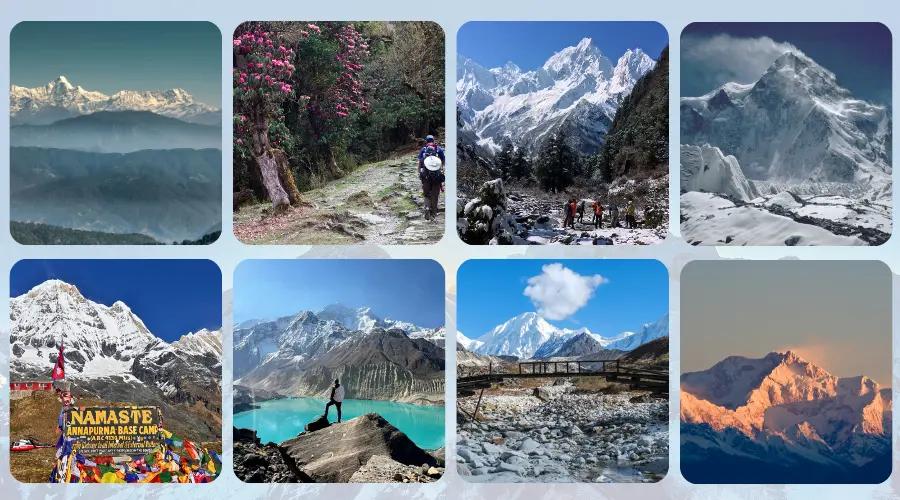
Nepal is a trekker’s paradise, offering some of the world’s most iconic trails and the best treks in Nepal for all adventure levels. From the towering peaks of the Himalayas to lush green valleys and remote mountain villages, the landscapes are truly breathtaking.
With a wide range of trekking routes in Nepal, ranging from beginner-friendly walks to challenging high-altitude expeditions, travelers can explore dramatic landscapes, rich culture, and natural beauty in every season.
Iconic routes like Everest Base Camp and Annapurna Circuit remain among the most popular treks, offering dramatic landscapes and unforgettable Himalayan experiences. For those looking to escape the crowds, quieter trekking routes in Nepal, such as the Manaslu Circuit and Upper Mustang, deliver raw beauty and peaceful trails.
If you’re new to trekking, Nepal is one of the best destinations to begin your journey. Some of the best treks in Nepal for beginners include Langtang Valley, Ghorepani Poon Hill, and Australian Camp, which offer stunning scenery without extreme difficulty.
On high-altitude treks, altitude sickness can be a concern, so proper acclimatization and pacing are essential. With the right planning and support from an experienced Nepal trekking guide, trekking in Nepal becomes a safe, rewarding, and truly life-changing adventure.
Why Trek in Nepal? An Overview of the Himalayas
Trekking in Nepal is a transformative experience. The country is renowned for its stunning mountain vistas and rich culture. Whether seeking adventure or tranquility, Nepal’s trails offer both.
The Himalayas are more than just tall peaks. They embody the spirit of Nepal, presenting a diverse range of ecosystems. You’ll find alpine meadows, subtropical forests, and high-altitude deserts.
Nepal boasts several iconic trekking routes. The Everest Base Camp trek brings you close to the world’s highest peak. Meanwhile, the Annapurna Circuit offers a journey through varied landscapes.
Cultural immersion is a highlight of trekking in Nepal. As you walk through villages, the warmth of local hospitality is evident. The chance to explore ancient monasteries adds depth to the journey.
Trekking here means entering a world of natural diversity. The country’s unique flora and fauna enhance the adventure. Spotting a rare Himalayan tahr or a vibrant pheasant is a joy for nature lovers.
Nepal’s varied trekking options cater to all levels and interests:
- Iconic Treks: Everest Base Camp, Annapurna Circuit
- Cultural Treks: Upper Mustang, Tsum Valley
- Nature Treks: Langtang Valley, Rara Lake
For many, the Himalayas are an ultimate trekking destination. They offer unrivaled beauty and a sense of awe. This draws thousands of adventure travelers each year.
When Is the Best Time to Trek in Nepal?
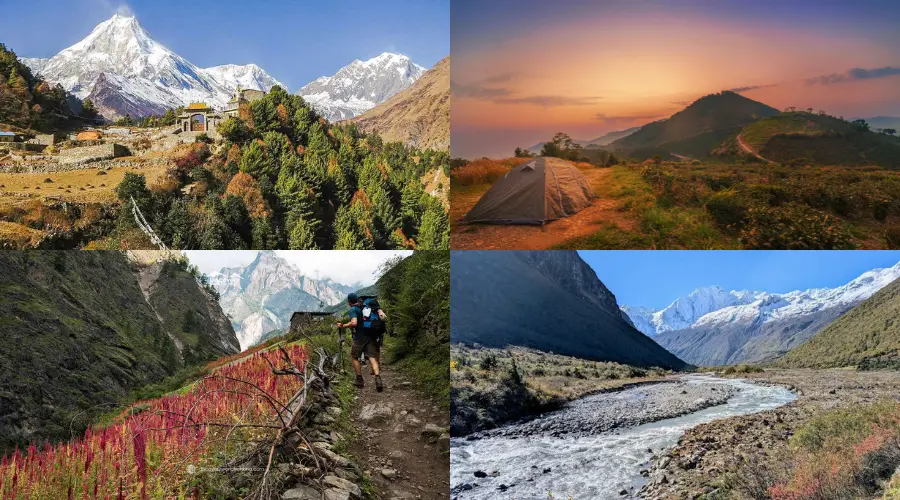
Nepal’s weather is a key factor in planning a trek. The seasons dramatically alter the landscape and conditions. Picking the right time ensures a safer and more enjoyable experience.
The peak trekking seasons fall pre- and post-monsoon. In the spring, from March to May, the trails come alive. Rhododendrons bloom, adding color to the journey.
Autumn, spanning September to November, is also popular. The skies are clear, and visibility is excellent. These months offer unparalleled mountain views.
Winter can be chilly with more challenging conditions. However, the quieter trails in December and January appeal to some. Trekking at lower elevations is better in these months.
The monsoon season lasts from June to August. Heavy rains make many trails muddy and risky. However, it’s an ideal time to explore the rain-shadow areas like Upper Mustang.
Best Trekking Times in Nepal
- Spring (March-May): Flowers bloom, moderate weather
- Autumn (September-November): Clear skies, great visibility
- Winter (December-February): Cold, less crowded
- Monsoon (June-August): Rain, best for Mustang
Choosing the right season to trek in Nepal enhances the trekking experience. Consider your preferences and trekking route. Each season offers unique beauty and challenges.
Trekking in Nepal: Difficulty Levels & Choosing the Right Route
Trekking in Nepal offers a wide range of difficulty levels. Understanding these can help you pick the right trek. Your fitness level and experience are key factors.
Easy treks are suitable for beginners. They feature lower altitudes and shorter distances. Examples include the Helambu and Poon Hill treks.
Moderate treks are a step up. They require a decent fitness level. These include the Annapurna Base Camp and Langtang Valley treks.
Challenging treks demand good fitness and some experience. The Everest Base Camp and Manaslu Circuit are famous choices. They offer demanding routes with rewarding views.
Extreme treks in Nepal are for seasoned adventurers. The Kanchenjunga Base Camp and Upper Dolpo treks are prime examples. They traverse high altitudes and remote areas.
Choosing the right route enhances your trekking experience. Consider personal factors like time, fitness, and interest. Some trails are rich in culture, while others focus on nature.
Difficulty Levels at a Glance
- Easy: Great for beginners
- Moderate: Good for fit trekkers
- Challenging: For experienced hikers
- Extreme: Adventurers only
Always research your chosen trek thoroughly. Weather and trail conditions can vary. Consulting a Nepal trekking guide can provide valuable insights and help ensure safety. Remember, the best treks in Nepal offer not just views but memorable experiences too.
15 Best Treks in Nepal for 2026: At a Glance
Nepal’s diverse landscapes offer some of the best treks for adventure seekers. Each trekking route presents unique challenges and breathtaking vistas. From towering peaks to deep valleys, the options are endless.
For 2026, several trekking routes stand out, appealing to both beginners and seasoned trekkers. These routes range from easy, short treks to longer, more challenging ones. Planning your trek requires considering the difficulty and the season.
Below is a quick overview of the top trekking routes in Nepal. This list highlights key details such as trekking difficulty and the best time to visit.
List of Top Treks
- Everest Base Camp Trek: Epic views and challenging paths.
- Annapurna Circuit: Known for its diverse landscapes.
- Langtang Valley: Suitable for beginners, offering scenic beauty.
Choosing the right trek depends on personal goals and preferences. Whether seeking a cultural journey or a physical challenge, Nepal has a trek for everyone. Each path promises an unforgettable adventure.
1. Everest Base Camp Trek
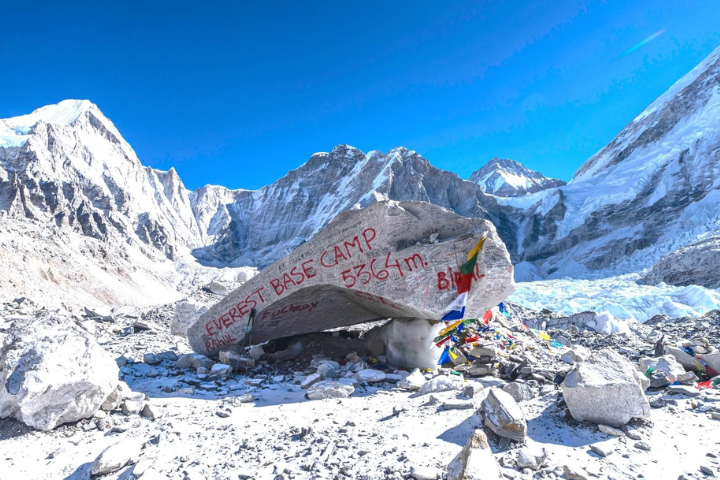
The Everest Base Camp Trek is an iconic experience in Nepal. It attracts adventurers from all over the globe. This trek offers unrivaled views of the world’s highest peak, Mt. Everest.
This journey usually starts with a flight to Lukla. From there, trekkers begin a memorable adventure through diverse terrains. The trek lasts about 12 to 14 days, depending on the pace and acclimatization needs.
Trekkers encounter various Sherpa villages along the way. These communities offer a glimpse into local culture and warm hospitality. Tea houses provide simple yet comfortable accommodations and meals.
High-altitude challenges, including altitude sickness, are a concern on this trek. Proper acclimatization and hydration are essential for a successful journey. Hiring an experienced Nepal trekking guide is highly recommended for safety and local insights.
The best time to embark on this trek is during spring (March to May) and autumn (September to November). These months offer clear skies and moderate weather, perfect for trekking.
Highlights of the Everest Base Camp Trek
- Difficulty Level: Challenging due to high altitude.
- Duration: Typically 12-14 days.
- Best Time to Visit: Spring and autumn.
- Major Attractions: Views of Everest, Khumbu Icefall, and Sherpa culture.
Embarking on the Everest Base Camp Trek is a once-in-a-lifetime opportunity. It combines stunning natural beauty with cultural experiences. Every step taken brings trekkers closer to the mighty Everest.
2. Annapurna Circuit Trek
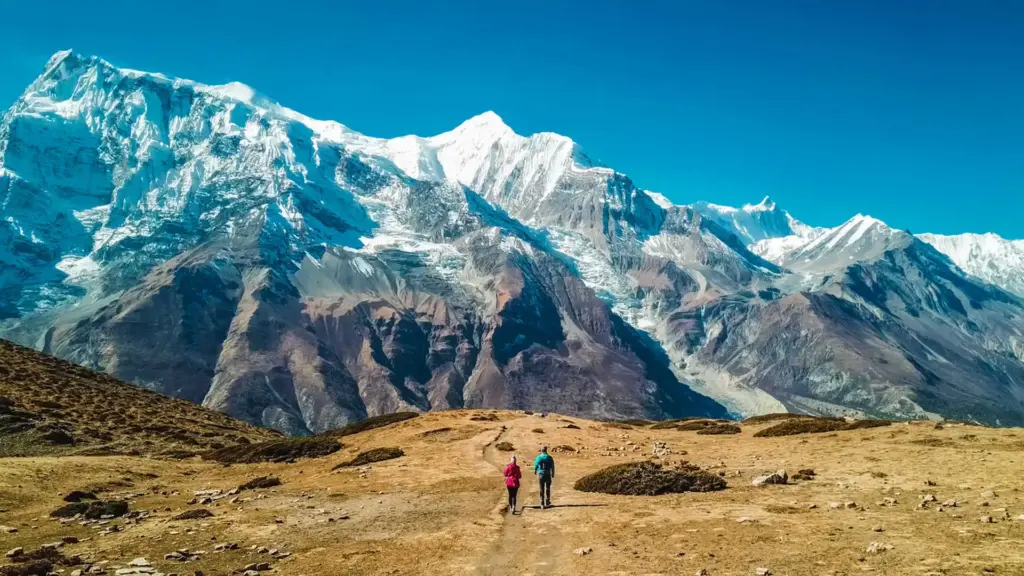
The Annapurna Circuit Trek is among Nepal’s most celebrated treks. It offers an exceptional journey through diverse landscapes and cultures. This trek circles the grand Annapurna Massif and varies in altitude and scenery.
The trail covers around 160 to 230 kilometers, depending on the starting point. Trekkers traverse lush subtropical forests, terraced fields, and alpine regions. A highlight is the Thorong La Pass, standing at 5,416 meters above sea level.
Cultural diversity is a hallmark of this route. Along the way, trekkers encounter various ethnic communities, including Gurung, Thakali, and Manangi villages. Each village presents a unique slice of Himalayan culture and tradition.
Weather plays a crucial role in planning this trek. The ideal trekking seasons are the autumn months of September through November and the spring months of March through May. These periods ensure clear views and stable weather conditions.
While the trek is demanding, it remains achievable with reasonable fitness and preparation. Staying in local tea houses provides an authentic experience, enhancing the adventure with traditional Nepalese hospitality.
Highlights of the Annapurna Circuit Trek
- Difficulty Level: Moderate to strenuous.
- Duration: Typically 15-20 days.
- Best Time to Visit: Spring and autumn.
- Major Attractions: Thorong La Pass, diverse landscapes, rich culture.
The Annapurna Circuit Trek offers not just breathtaking vistas but profound cultural exposure. Each day of trekking unfolds a new aspect of the Himalayas, making the journey rich and rewarding.
3. Annapurna Base Camp Trek
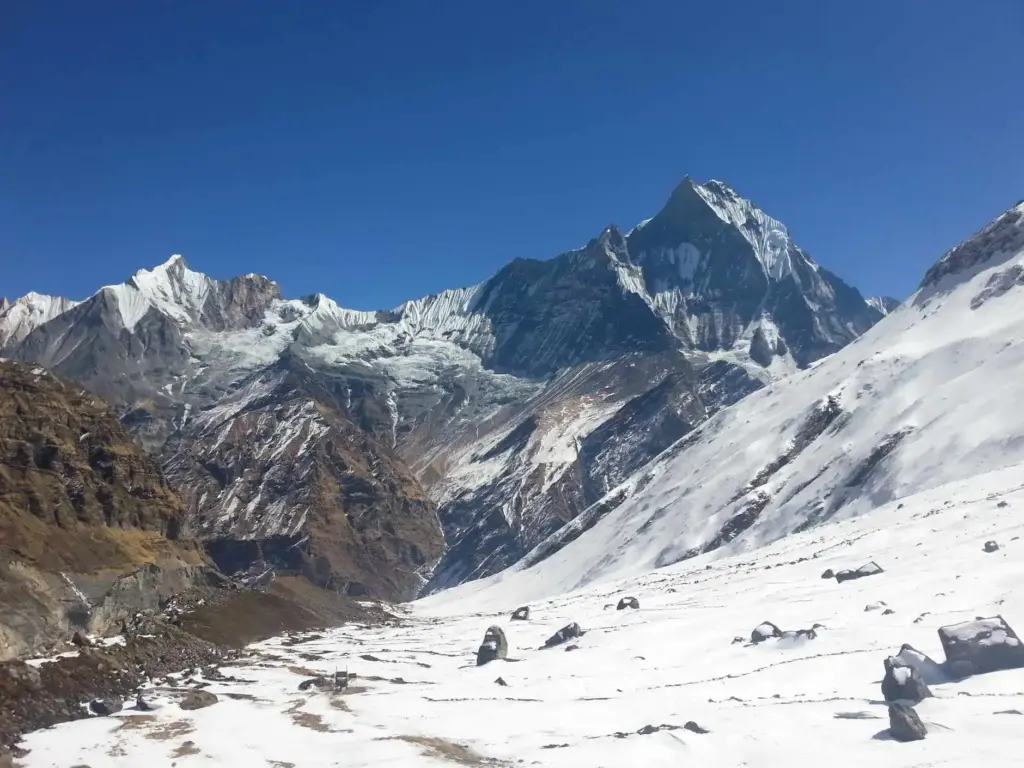
The Annapurna Base Camp Trek is a standout choice for trekkers. It combines challenging trails with spectacular views of the Annapurna range. Often called ABC, this trek caters to both seasoned and novice adventurers.
This trek is relatively shorter, spanning roughly 7 to 12 days. It takes you deep into the heart of the Annapurna Sanctuary. The trail ascends through charming villages, dense rhododendron forests, and terraced fields.
The base camp sits at 4,130 meters, offering panoramic views of majestic peaks. Annapurna I, Machapuchare, and other peaks encircle the sanctuary, creating a natural amphitheater of snow-capped summits.
Cultural immersion is integral to this trek. Trekkers interact with local Gurung and Magar communities. Their hospitality and unique traditions enrich the journey, offering insights into rural Himalayan life.
Typically, the best times to trek to ABC are during spring and autumn. These seasons provide the most stable weather and clear mountain views. While the trek is more accessible, it’s crucial to acclimatize properly to avoid altitude sickness.
Highlights of Annapurna Base Camp Trek
- Difficulty Level: Moderate.
- Duration: 7-12 days.
- Best Time to Visit: Spring (March-May) and Autumn (September-November).
- Major Attractions: Annapurna Sanctuary, Machapuchare.
Annapurna Base Camp offers an unforgettable blend of natural beauty and cultural depth. Its accessibility and awe-inspiring views make it a must for adventurers visiting Nepal.
4. Langtang Valley Trek
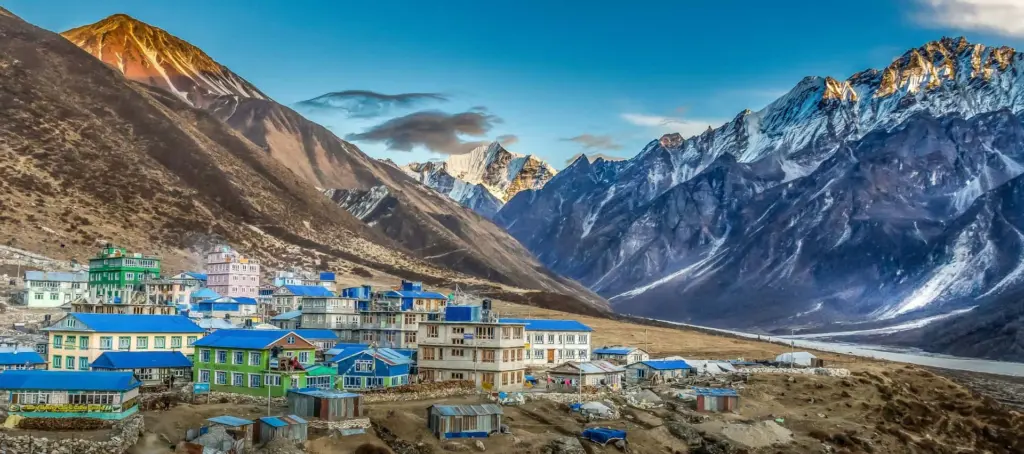
Langtang Valley Trek is a gem just north of Kathmandu, offering scenic beauty with less crowd. It is an ideal trek for beginners who wish to experience the Himalayas.
This trek typically takes about 7 to 10 days. It welcomes trekkers into a tranquil world of lush forests and stunning mountains. The trail passes through rhododendron and bamboo forests, cascading waterfalls, and snow-capped peaks.
The Langtang Valley is home to the ethnic Tamang people. Trekkers will experience their unique culture and traditions along the way. The warmth and hospitality of the locals enhance the trekking experience significantly.
Trekkers should aim to visit during spring or autumn. These times offer the most pleasant weather for exploring this picturesque valley. While the trek is easier than others, it still provides stunning views of Langtang Lirung and other surrounding peaks.
Highlights of Langtang Valley Trek
- Difficulty Level: Easy to Moderate.
- Duration: 7-10 days.
- Best Time to Visit: Spring (March-May) and Autumn (September-November).
- Major Attractions: Langtang Lirung, Tamang culture.
Langtang Valley offers a combination of natural beauty and cultural intrigue, making it a perfect introduction to trekking in Nepal.
5. Manaslu Circuit Trek
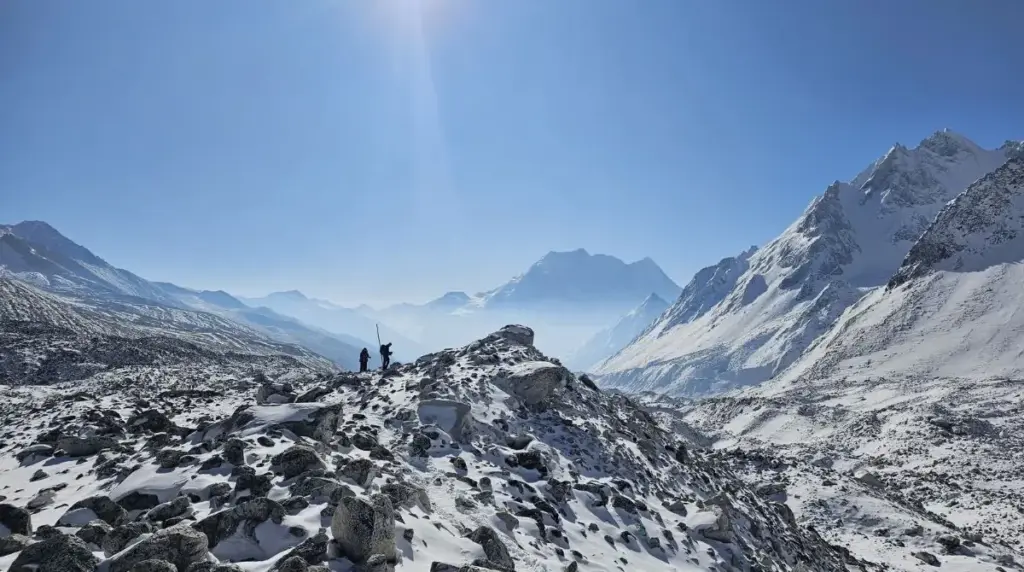
The Manaslu Circuit Trek is a lesser-known yet remarkable route. It is a perfect choice for trekkers seeking solitude and adventure. This trek circles Mount Manaslu, the eighth highest peak in the world.
Spanning around 14 to 18 days, it offers a journey through remote landscapes and diverse terrains. Trekkers will cross the Larkya La Pass, reaching heights of over 5,000 meters. The dramatic views from the pass are worth the challenging ascent.
Local culture is vibrant along the Manaslu trail. As you trek, you’ll encounter Tibetan-influenced communities and ancient monasteries. This cultural immersion adds a rich layer to the adventure.
The Manaslu region is less commercialized compared to other popular treks. Autumn and spring are ideal seasons for trekkingthe Manaslu Circuit Trek. The weather is clearer and more stable, allowing for better mountain views.
Highlights of Manaslu Circuit Trek
- Difficulty Level: Challenging.
- Duration: 14-18 days.
- Best Time to Visit: Spring (March-May) and Autumn (September-November).
- Major Attractions: Larkya La Pass, Tibetan culture.
Manaslu Circuit Trek offers a unique blend of scenic beauty and cultural insight. It’s a must-try for trekkers looking to explore beyond the usual paths in Nepal.
6. Ghorepani Poon Hill Trek
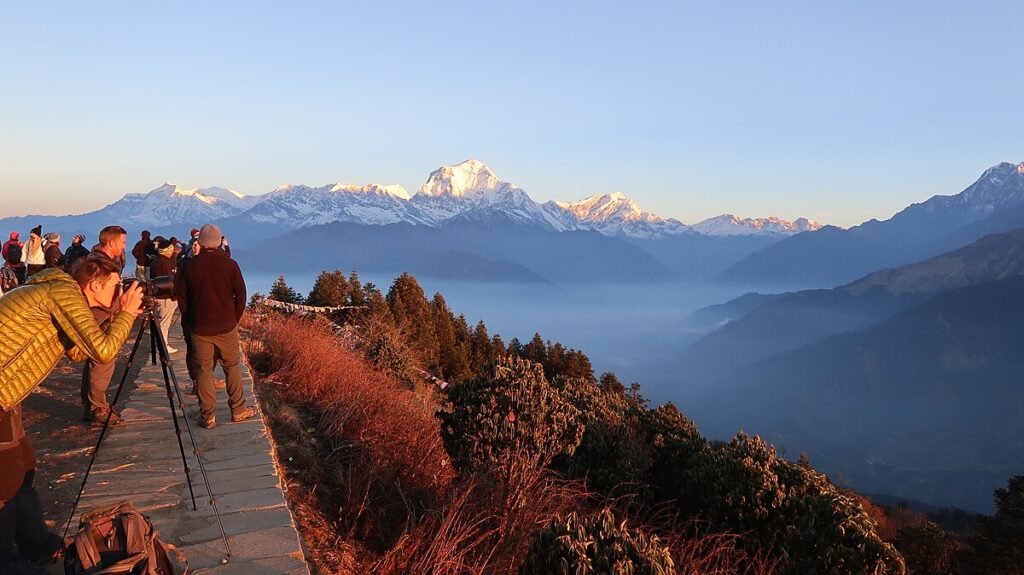
The Ghorepani Poon Hill Trek is renowned for its breathtaking sunrise views. It is a short yet rewarding trek in the Annapurna region. This route is ideal for beginners and those short on time.
The trek typically lasts four to five days. It offers a chance to see the Annapurna and Dhaulagiri ranges up close. The rhododendron forests, especially in spring, add vibrant colors to the trail.
Poon Hill is the highlight of this trek. At sunrise, trekkers are treated to panoramic views of soaring Himalayan peaks. It’s an unforgettable experience for anyone who ventures there.
This trek is easily accessible from Pokhara. The moderate elevation makes it suitable for all fitness levels. It allows for cultural encounters with local Gurung and Magar communities.
Highlights of Ghorepani Poon Hill Trek
- Duration: 4-5 days.
- Difficulty Level: Easy to moderate.
- Best Time to Visit: Autumn (September-November) and Spring (March-May).
- Major Attractions: Sunrise at Poon Hill, rhododendron forests.
The Ghorepani Poon Hill Trek is perfect for stunning scenery without extensive trekking time. It is a must-try for capturing Nepal’s natural beauty in a short span.
7. Mardi Himal Trek
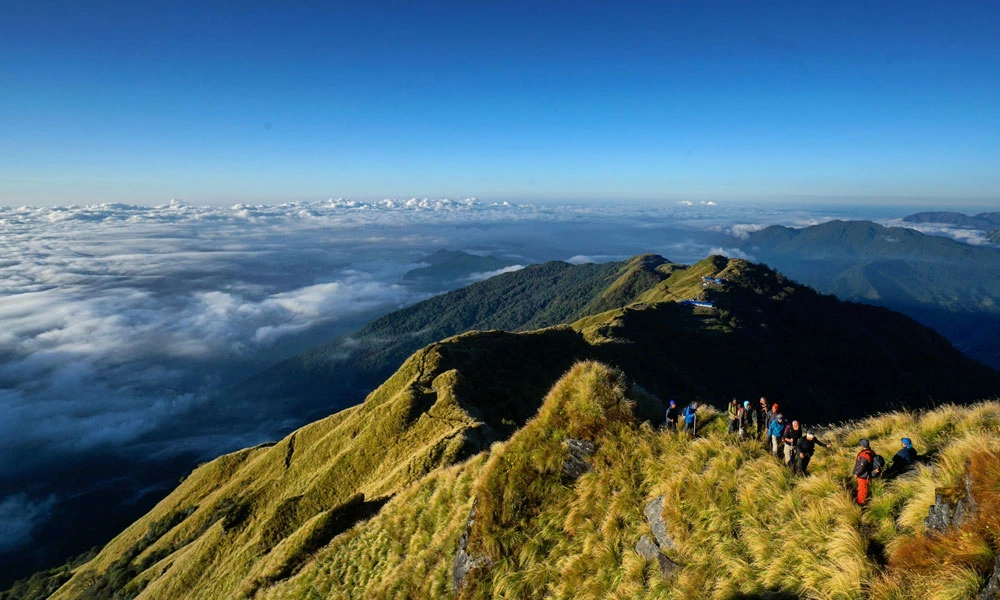
The Mardi Himal Trek offers a tranquil experience in the heart of the Annapurna region. This route is a newer, less crowded alternative to its popular counterparts. Trekkers are treated to stunning vistas of Mardi Himal, Machapuchare, and the surrounding peaks.
One unique feature of the trek is its variety of landscapes. The journey begins in lush forests, transitioning into rugged high-altitude terrain. This variation keeps the journey engaging and rewarding for adventurers.
Travelers often experience a serene environment throughout the trek. This peacefulness allows for deep connections with nature and local culture. Encounters with traditional Gurung villages enhance the cultural experience, making it memorable.
The trek is best suited for those seeking solitude amidst majestic mountains. Its moderate difficulty appeals to both new and experienced trekkers. The highlights of the Mardi Himal Trek are truly worth witnessing in 2026.
Highlights of Mardi Himal Trek
- Duration: 5-7 days
- Difficulty Level: Moderate
- Best Time to Visit: Spring (March-May) and Autumn (September-November)
- Main Attractions: Mardi Himal Base Camp, Machapuchare views
The Mardi Himal Trek provides an off-the-beaten-path adventure. It presents an opportunity to witness breathtaking scenery in a quiet, serene setting. A perfect choice for those seeking peace in nature.
8. Upper Mustang Trek
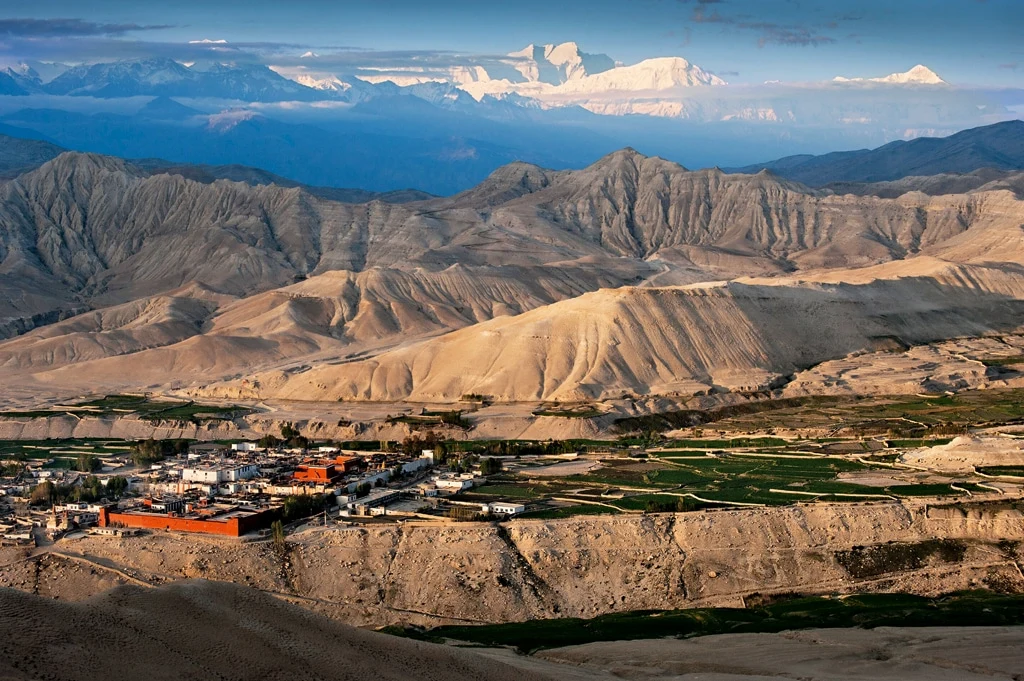
The Upper Mustang Trek transports adventurers into an ancient Buddhist kingdom. This region is often described as a “mini Tibet” due to its rich Tibetan culture and traditions. Trekkers journey through a remarkable desert landscape, dotted with red cliffs and sprawling fields.
A highlight of this trek is the medieval walled city of Lo Manthang. Lo Manthang is the ancient capital of Upper Mustang and is steeped in history and mystery. Trekkers have the chance to explore centuries-old monasteries and unique cave dwellings.
Upper Mustang is also a restricted area, which requires a special permit. This restriction preserves its unique cultural heritage and limits the number of tourists. The scarcity of trekkers enhances the area’s sense of remoteness and mystery.
The best time to explore Upper Mustang is during the monsoon season. Unlike much of Nepal, the region experiences minimal rainfall, making treks more feasible. It’s an enthralling trek ideal for those seeking cultural immersion along with adventure.
Highlights of Upper Mustang Trek
- Duration: 10-14 days
- Difficulty Level: Moderate
- Best Time to Visit: May to October
- Main Attractions: Lo Manthang, monasteries, Tibetan culture
9. Gokyo Lakes Trek
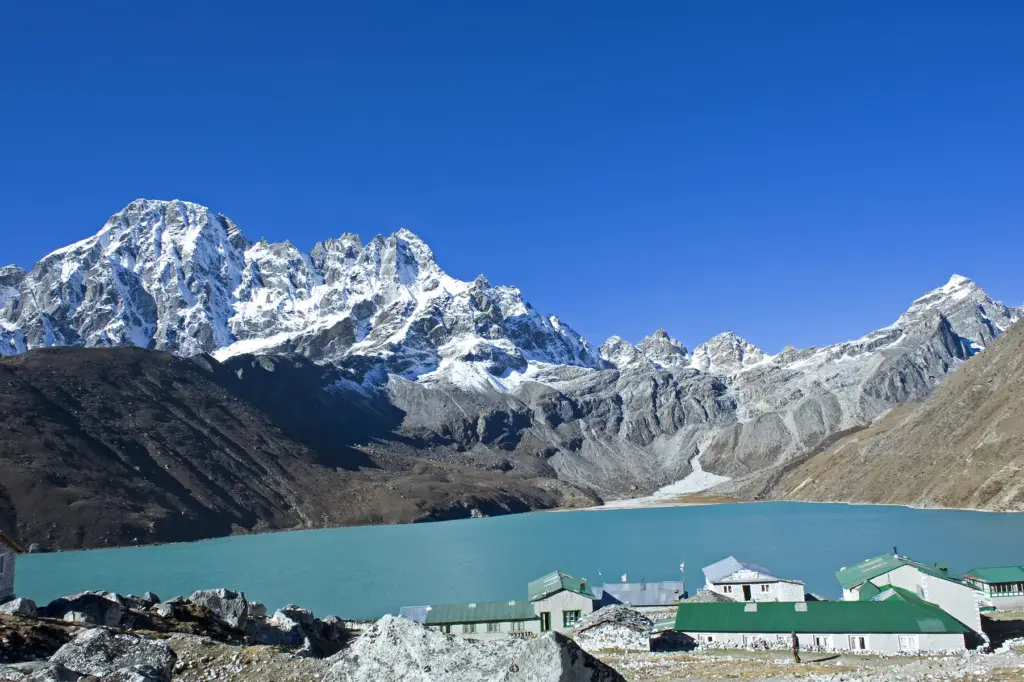
The Gokyo Lakes Trek offers an enchanting journey through the heart of the Everest region. It’s less crowded than the iconic Everest Base Camp trek, yet just as visually stunning. Trekkers can marvel at the breathtaking vistas of turquoise glacial lakes.
One of the trek’s highlights is the ascent of Gokyo Ri. This vantage point provides panoramic views of four of the world’s tallest peaks. Watching the sun rise over Everest, Lhotse, Makalu, and Cho Oyu is truly mesmerizing.
The Gokyo Lakes Trek also offers a rich tapestry of local culture. Trekking through Sherpa villages, visitors can experience the warm hospitality and vibrant traditions of this mountain community. The blend of natural beauty and cultural richness makes this trek exceptional.
Ideal months to embark on this adventure are October through November. These months provide the clearest views and make the walking more pleasant. Gokyo’s serene landscapes promise a memorable experience that few other treks can match.
Highlights of Gokyo Lakes Trek
- Duration: 12-14 days
- Difficulty Level: Moderate
- Best Time to Visit: October to November
- Main Attractions: Gokyo Ri, turquoise lakes, panoramic Himalayan views
10. Kanchenjunga Base Camp Trek
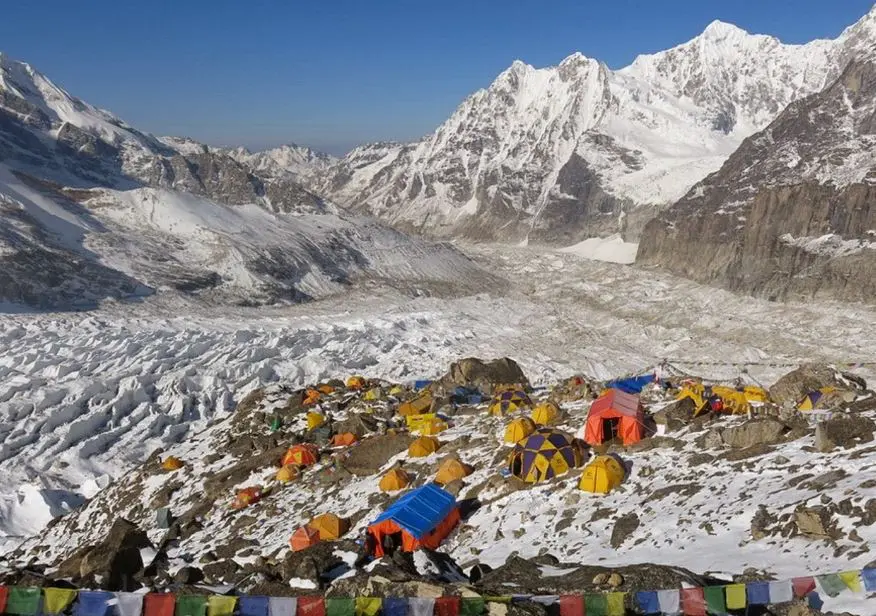
The Kanchenjunga Base Camp Trek is a true adventure for seasoned trekkers. Nestled in the eastern part of Nepal, it leads to the base of the world’s third-highest peak. This remote trek offers solitude and awe-inspiring vistas.
The journey passes through diverse landscapes, from dense forests to high alpine meadows. Along the way, trekkers can witness rare wildlife, including the red panda. The trek also reveals the unique culture of the local communities.
Due to its challenging nature, the trek requires good fitness levels. It’s best suited for those seeking an authentic and less-traveled path. Proper preparation is essential to tackle its rugged and varied terrain.
Ideal trekking seasons are from late March to May and September to November. These months ensure clear weather and spectacular mountain views. The Kanchenjunga Base Camp Trek is an exhilarating journey into the wilderness.
Key Information about Kanchenjunga Base Camp Trek
- Duration: 20-24 days
- Difficulty Level: Challenging
- Best Time to Visit: Late March to May; September to November
- Main Attractions: Remote wilderness, diverse landscapes, base of Kanchenjunga
11. Helambu Trek
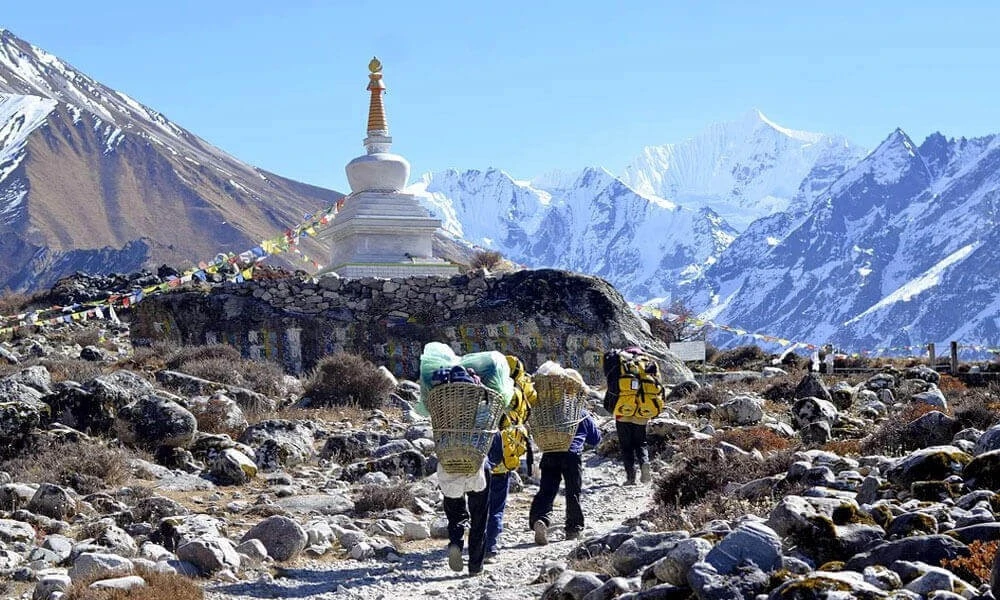
The Helambu Trek is a fantastic choice for those seeking a short and easy trek near Kathmandu. Famous for its rich culture and stunning natural beauty, Helambu offers a unique experience.
Despite its proximity to the city, the trek takes you through quaint villages and lush green forests. Trekkers can enjoy the beautiful views of the Langtang Mountains along the way. The friendly Helambu locals add a cultural richness to the journey.
This trek is ideal for beginners and families. It provides a gentle introduction to trekking in Nepal without the altitude challenges of higher treks. The Helambu Trek is best done from March to May or September to November.
Key Information about Helambu Trek
- Duration: 5-7 days
- Difficulty Level: Easy
- Best Time to Visit: March to May; September to November
- Main Attractions: Local culture, close proximity to Kathmandu, beautiful landscapes
12. Dhaulagiri Circuit Trek
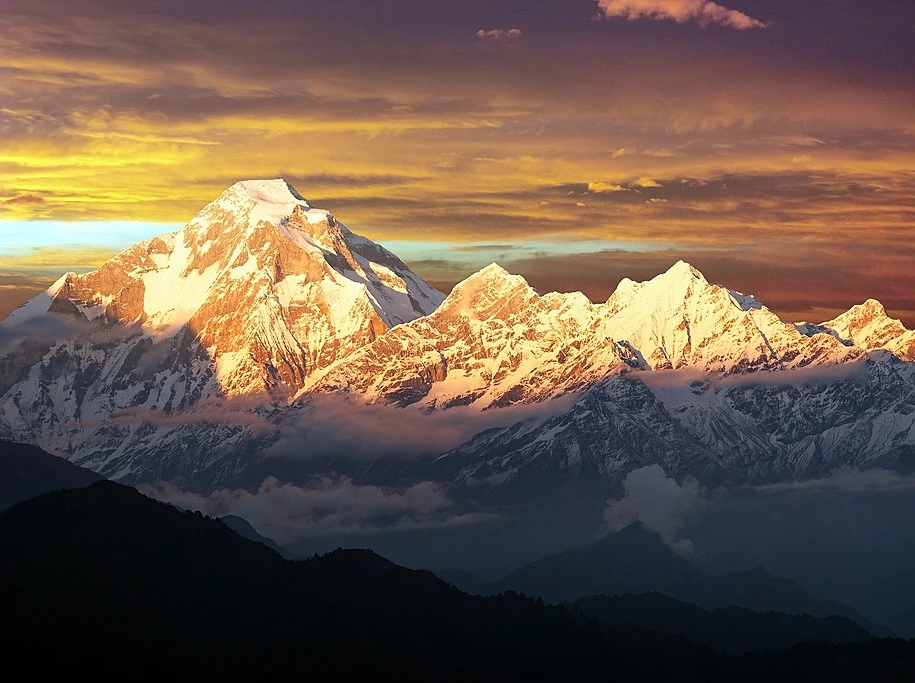
The Dhaulagiri Circuit Trek offers a challenging yet rewarding experience. It takes you deep into the rugged wilderness surrounding the seventh-highest peak in the world. This trek is ideal for seasoned trekkers seeking adventure and solitude.
Expect diverse terrains, from lush green valleys to barren high-altitude landscapes. The trek provides breathtaking views of multiple peaks, including the towering Dhaulagiri. It’s a remote route, less trafficked by tourists, providing a sense of peace and exclusivity.
Trekking the Dhaulagiri Circuit is an adventure that requires physical endurance and proper preparation. The best times for this trek are in the spring and autumn, when the weather is more predictable and the views are clear.
Key Information about Dhaulagiri Circuit Trek
- Duration: 18-20 days
- Difficulty Level: Difficult
- Best Time to Visit: April to May; September to November
- Main Attractions: Remote trails, stunning mountain vistas, sense of adventure
13. Makalu Base Camp Trek
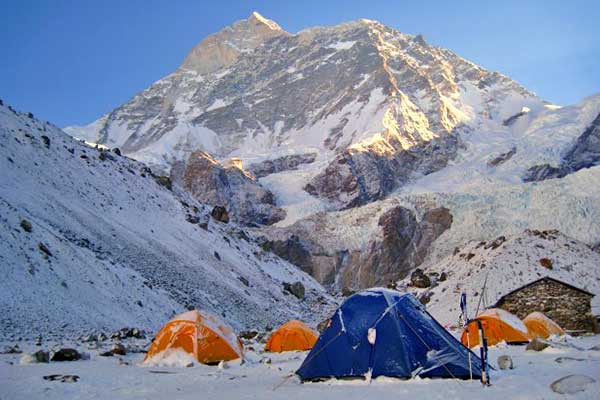
The Makalu Base Camp Trek takes you to the heart of the fifth-highest mountain on earth, Mount Makalu. It’s an enticing choice for trekkers drawn to less-crowded paths. This route offers solitude and pristine natural beauty.
The trek spans diverse terrains, from lush rainforests to high-altitude alpine meadows. It provides astounding views of Makalu and other majestic peaks such as Everest and Lhotse. The experience is enhanced by encounters with diverse flora and fauna, and a rich local culture.
Prepare for a demanding journey that requires fitness and resolve. The ideal times to embark on this trek are during spring and autumn, when the weather is most hospitable, allowing for clear and awe-inspiring vistas.
Essential Details of Makalu Base Camp Trek
- Duration: 20-22 days
- Difficulty Level: Challenging
- Best Time to Visit: April to May; September to November
- Main Attractions: Remote wilderness, spectacular mountain views, cultural encounters
14. Khopra Ridge Trek
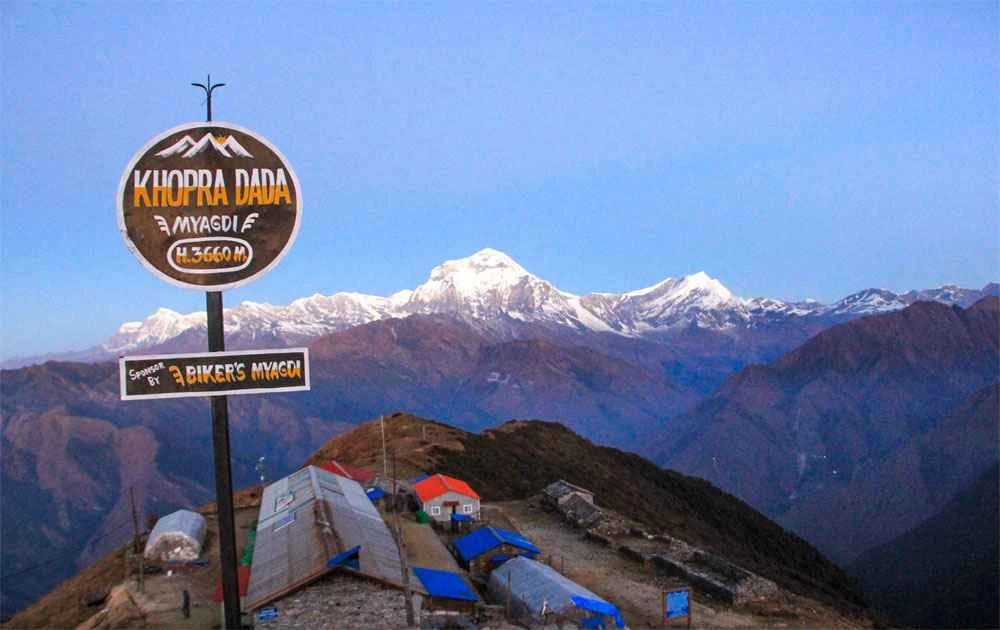
The Khopra Ridge Trek is a hidden jewel among Nepal trekking routes, offering magnificent panoramic views without the crowded trails. This trek leads you off the beaten path, allowing you to connect deeply with nature.
One of the trek’s main highlights is the incredible view of Dhaulagiri and Annapurna ranges. The route takes you through serene rhododendron forests and quaint traditional villages, where you can experience the local Gurung and Magar cultures.
The trek is accessible yet offers a rewarding experience for those willing to venture away from popular paths. It’s best undertaken in spring and autumn, when the landscape blooms with beauty, offering clear and splendid views.
Key Information for Khopra Ridge Trek
- Duration: 7-9 days
- Difficulty Level: Moderate
- Best Time to Visit: March to May; September to November
- Highlights: Panoramic mountain views, local culture, less crowded paths
15. Tsum Valley Trek
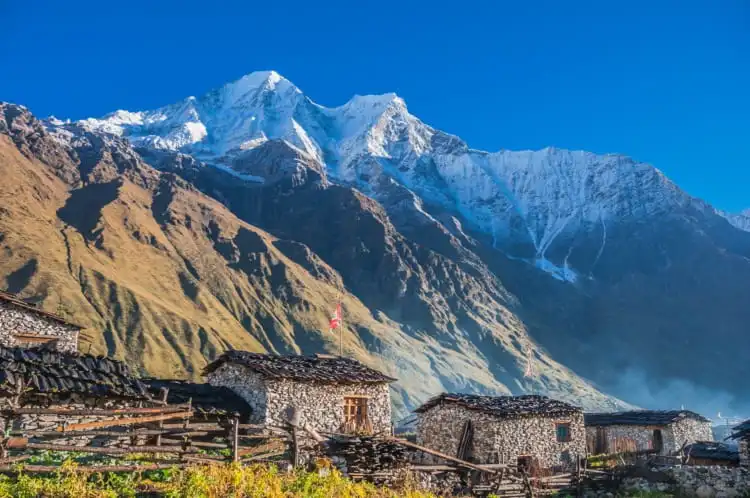
The Tsum Valley Trek offers an extraordinary journey into a secluded and untouched world. Tucked away in the northern part of Gorkha, this trek takes you through ancient villages and allows you to discover a unique Tibetan culture.
A highlight of the Tsum Valley is its spiritual aura, enriched by ancient monasteries and sacred sites. As you trek through the lush and serene valley, you’ll be captivated by towering views of Ganesh Himal and Sringi Himal.
This trek is perfect for those seeking a deeply cultural experience combined with stunning natural beauty. The route’s relative isolation ensures a tranquil escape.
Key Information for Tsum Valley Trek
- Duration: 14-16 days
- Difficulty Level: Moderate
- Best Time to Visit: March to May; September to November
- Highlights: Ancient monasteries, isolated culture, breathtaking Himalayan scenery
Best Treks in Nepal for Beginners: Top Picks
For novice trekkers, Nepal offers a variety of beginner-friendly treks that promise stunning views and cultural immersion. These routes provide the perfect introduction to the mesmerizing landscapes of the Himalayas.
Among the best treks in Nepal for beginners is the Langtang Valley Trek. It’s famous for its scenic beauty and welcoming communities, and it’s a manageable journey for those just starting out. The trail is less crowded, allowing for a more relaxed trekking experience.
Another great option is the Ghorepani Poon Hill Trek. This trek is known for its breathtaking sunrise views over the Annapurna and Dhaulagiri ranges. Despite being short, it doesn’t compromise on the wow factor.
Lastly, the Helambu Trek, close to Kathmandu, offers a blend of cultural and natural beauty. It’s an easy and short trek, making it ideal for those with limited time.
Ideal Treks for Beginners
- Langtang Valley Trek
- Ghorepani Poon Hill Trek
- Helambu Trek
Best Short & Easy Treks in Nepal
Nepal’s diverse landscapes offer treks catering to those seeking short treks and easy adventures. These treks provide exhilarating experiences without the demands of longer routes.
The Poon Hill Trek is a wonderful option for those short on time. It’s famous for its awe-inspiring mountain vistas, including the Annapurna and Dhaulagiri ranges. Its relatively gentle paths make it accessible for all fitness levels.
The Panchase Trek offers a mix of cultural richness and natural beauty. This trek is perfect for beginners, offering encounters with local traditions and panoramic views. It’s a serene journey through lush forests and charming villages.
For a quick escape, the Nagarkot to Dhulikhel Trek is ideal. It provides beautiful views and is located near Kathmandu, allowing for quick access. This trek offers a taste of Nepal’s rural life and scenic beauty.
Recommended Short & Easy Treks
- Poon Hill Trek
- Panchase Trek
- Nagarkot to Dhulikhel Trek
Popular Off-the-Beaten-Path Treks in Nepal
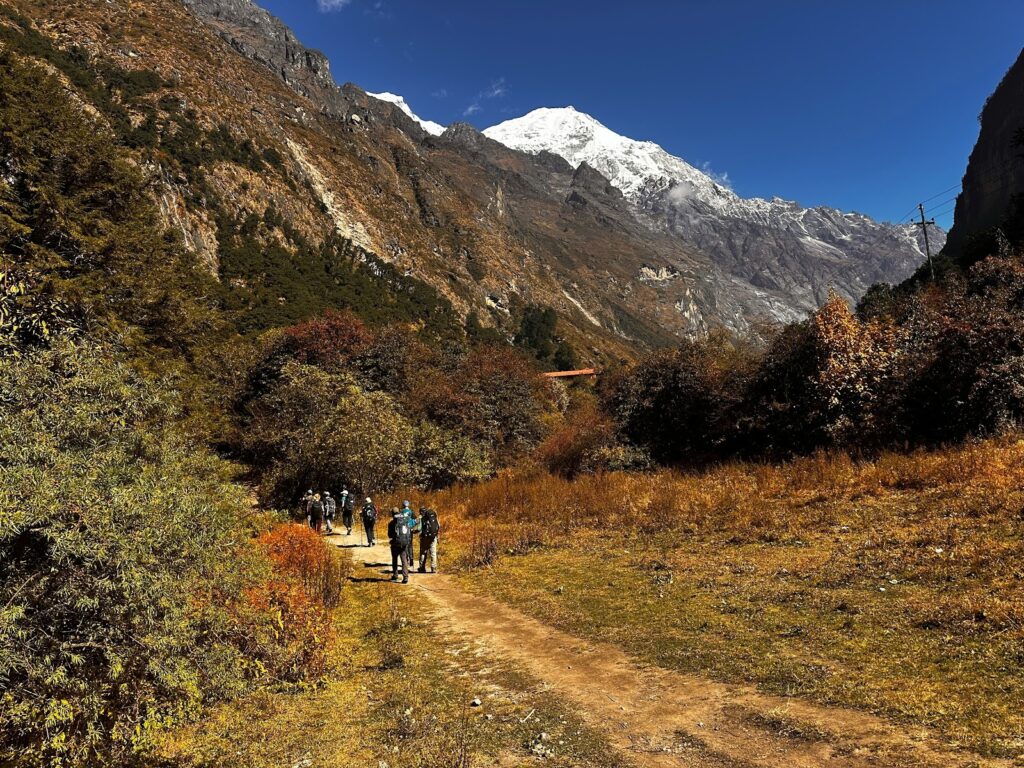
Nepal offers several hidden trails for those seeking solitude and unique experiences. These off-the-beaten-path treks promise adventure away from the crowds.
The Tsum Valley Trek is an excellent choice for culture enthusiasts. It offers insights into the traditional Tibetan lifestyle, along with stunning landscapes. The trek winds through ancient villages and sacred monasteries.
Another captivating journey is the Khopra Ridge Trek. This route provides dramatic views of Annapurna South and Nilgiri peaks. Unlike busier trails, it offers peaceful paths and an authentic Himalayan experience.
The Arun Valley Trek is a gem for nature lovers. It boasts diverse flora and fauna, set against picturesque mountain scenery. Trekkers can explore rich biodiversity in a less-trodden region.
Notable Off-the-Beaten-Path Treks
- Tsum Valley Trek
- Khopra Ridge Trek
- Arun Valley Trek
How Much Does Trekking in Nepal Cost? (Permits, Guides, Accommodation & More)
Trekking in Nepal suits many budgets. Costs depend on the trek’s location, duration, and your preferences. Budgeting helps you enjoy the adventure without stress.
Permits are essential for most treks. The Trekkers’ Information Management System (TIMS) card is a must. Fees vary by trek and region.
Some treks need special area permits. For example, the Annapurna Conservation Area requires a permit. Permit costs can range from $20 to $50.
Hiring guides and porters adds value to your trek. They provide local knowledge and support. Guide costs can start at $20 per day.
Accommodation on the trails varies widely. Teahouses offer basic facilities. Costs range from $3 to $5 per night.
Higher-end lodges are available in popular areas. Expect to spend around $40 for extra comfort. Meals in teahouses often cost $3 to $5 each.
Key Costs for Trekking
- Permits: TIMS, area permits ($20-$50)
- Guides: Around $20 per day
- Accommodation: Teahouse ($3-$5), higher-end lodges ($40+)
Additional Expenses
- Meals: $3 to $5 per meal
- Transport: Local flights, buses
- Equipment: Rentals or purchases
Common Trekking Costs in Nepal:
- Permits: $20–$50
- Guide fees: $25–$30 per day
Health and Safety Tips:
- Acclimatize properly to avoid altitude sickness
- Stay hydrated and maintain energy levels
Travel insurance is another essential expense. Cover for trekking is crucial due to altitude and remote locations. Planning your budget allows a worry-free trek.
Essential Tips for Trekking in Nepal (Packing, Health & Safety)
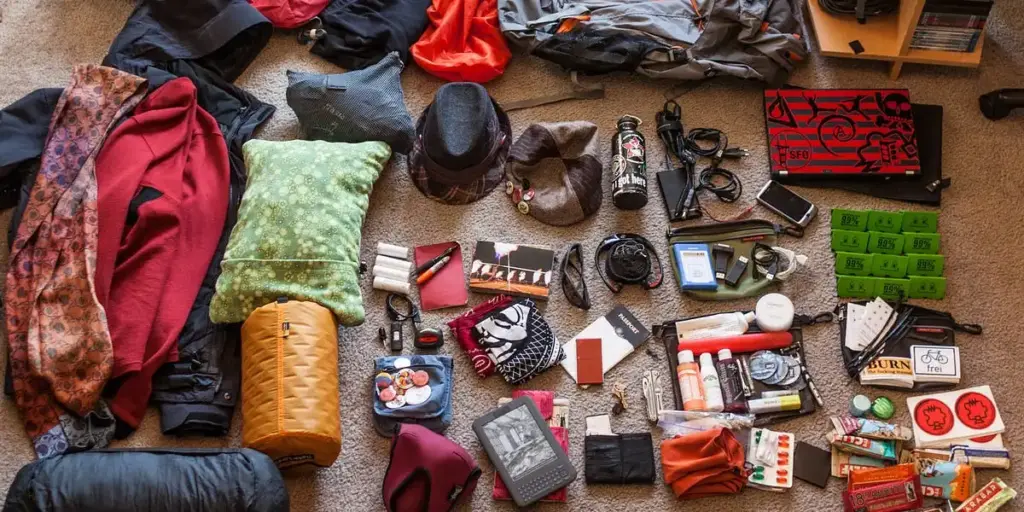
Trekking in Nepal requires careful planning. Packing the right gear is key. Essential items include durable hiking boots, warm clothing, and a reliable backpack.
Acclimatization is crucial for high-altitude treks. It helps prevent altitude sickness. Take rest days and ascend gradually to adjust.
Stay hydrated and well-nourished. Carry energy-rich snacks. Local dal bhat meals are nourishing and widely available.
Ensuring personal safety is vital. Always trek with a buddy or group. Hiring a local Nepal trekking guide enhances safety and enriches the experience.
Packing a basic first-aid kit is a good idea. Include band-aids, antiseptic wipes, and personal medications. This helps manage minor injuries on trails.
Environmental responsibility is important. Practice Leave No Trace principles. Carry reusable water bottles and minimize waste.
Packing Essentials
- Hiking boots
- Warm layers
- Reliable backpack
- First-aid kit
Health & Safety Tips
- Acclimatize gradually
- Stay hydrated
- Trek with a buddy or guide
Finally, respect local culture and traditions. Engage with local communities and learn from them. This enriches your trekking experience in Nepal. Preparation enhances enjoyment and ensures safety on these incredible trails.
Nepal Trekking Guide: Permits, Guides, and Local Culture
Trekking in Nepal requires some paperwork. Most routes need a TIMS card (Trekkers’ Information Management System). Additionally, area permits are mandatory for specific regions like Annapurna and Everest.
Hiring a guide can enrich your trek. Guides offer invaluable local knowledge and ensure safety on challenging trails. They help with navigation and bridge cultural gaps.
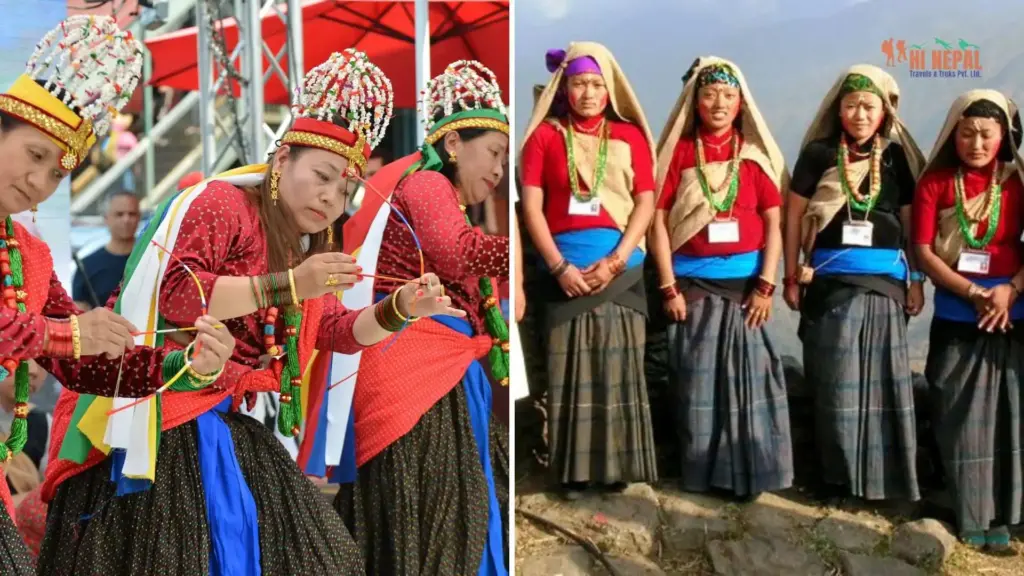
Exploring Nepal’s culture is a trek highlight. Villages often feature ancient monasteries. Interactions with local communities provide insights into traditional lifestyles and customs.
Accommodations along the trails include teahouses. These are simple lodgings offering food and shelter. They are excellent for experiencing local hospitality and cuisine.
Required Permits for Popular Treks
- Annapurna Circuit: TIMS card, ACAP permit
- Everest Base Camp: TIMS card, Sagarmatha National Park permit
Hiring a Guide: Benefits
- Safety assurance
- Cultural insights
- Language assistance
Remember to respect local customs. This includes appropriate dress and behavior in villages. Understanding Nepalese culture enhances your trekking experience considerably.
Frequently Asked Questions About Trekking in Nepal
What is the best time to trek in Nepal?
Trekking in Nepal is best during pre-monsoon (March to May) and post-monsoon (September to November). These months offer clear skies and mild temperatures.
How difficult are the trekking routes in Nepal?
The difficulty varies by route. Some treks are beginner-friendly, like the Langtang Valley. Others, like the Kanchenjunga Base Camp, are for experienced trekkers.
What are essential items to pack for a trek?
Packing the right items is crucial. Remember sturdy hiking boots, layered clothing, and a quality backpack. Always carry a first-aid kit and water purification tablets.
What are the best treks in Nepal for 2026?
The best treks in Nepal for 2026 include Everest Base Camp, Annapurna Circuit, Annapurna Base Camp, Manaslu Circuit, Langtang Valley, Ghorepani Poon Hill, Upper Mustang, Mardi Himal, and Kanchenjunga Base Camp.
Which trek in Nepal is best for beginners?
Some of the best treks in Nepal for beginners are Ghorepani Poon Hill, Langtang Valley, Australian Camp, and Mardi Himal. These routes offer stunning views, well-marked trails, moderate altitude, and comfortable accommodations.
What is the best time to trek in Nepal?
The best time to trek in Nepal is during spring (March–May) and autumn (September–November). These seasons offer clear mountain views, stable weather, and ideal trekking conditions across most trekking routes in Nepal.
How much does trekking in Nepal cost in 2026?
Trekking costs in Nepal in 2026 typically range from USD 500 to USD 2,500 per person. The cost depends on the trek route, duration, permits, guide/porter fees, accommodation type, and transportation.
Which trek in Nepal is the most difficult?
Kanchenjunga Base Camp, Dhaulagiri Circuit, and Upper Dolpo are considered some of the most difficult treks in Nepal due to their remote locations, high altitude, long duration, and limited infrastructure.
Do I need a guide for trekking in Nepal?
Yes, for most trekking routes in Nepal, hiring a licensed Nepal trekking guide is mandatory and highly recommended. A guide ensures safety, proper acclimatization, navigation, and cultural insight during the trek.
Which trek in Nepal is best for short time travelers?
For travelers with limited time, Ghorepani Poon Hill, Langtang Valley, Mardi Himal, and Annapurna Base Camp are excellent options. These treks can be completed within 5-10 days.
Is trekking in Nepal safe for solo travelers?
Trekking in Nepal is generally safe, but solo trekkers are advised to hire a Nepal trekking guide for safety, altitude management, and local support, especially on remote or high-altitude trails.
Trekking in Nepal offers an adventure intertwined with learning about diverse cultures. Being prepared with knowledge makes your trek more enjoyable and culturally rewarding.
Conclusion: How to Choose Your Perfect Trek in Nepal for 2026
Choosing the perfect treks in Nepal depends on several factors. Consider your fitness level and the trek’s difficulty. Beginners might prefer easier routes like the Langtang Valley or Helambu Trek.
Timing is crucial for an optimal experience. Plan your trek for the pre-monsoon or post-monsoon months for the best weather. This ensures clearer views and a more pleasant climate.
Lastly, consider what you wish to experience. Some treks offer cultural richness, while others showcase natural beauty. Reflect on what you value most in your adventure. With thorough planning, you can find a trek that aligns with your interests and capabilities.
Ready to trek in Nepal in 2026? Let Hi Nepal Travels & Tours in Pokhara handle everything, from permits and experienced trekking guides to customized itineraries and comfortable accommodations. Contact us today to plan your perfect Himalayan trek and turn your Nepal trekking dream into a once-in-a-lifetime journey.