
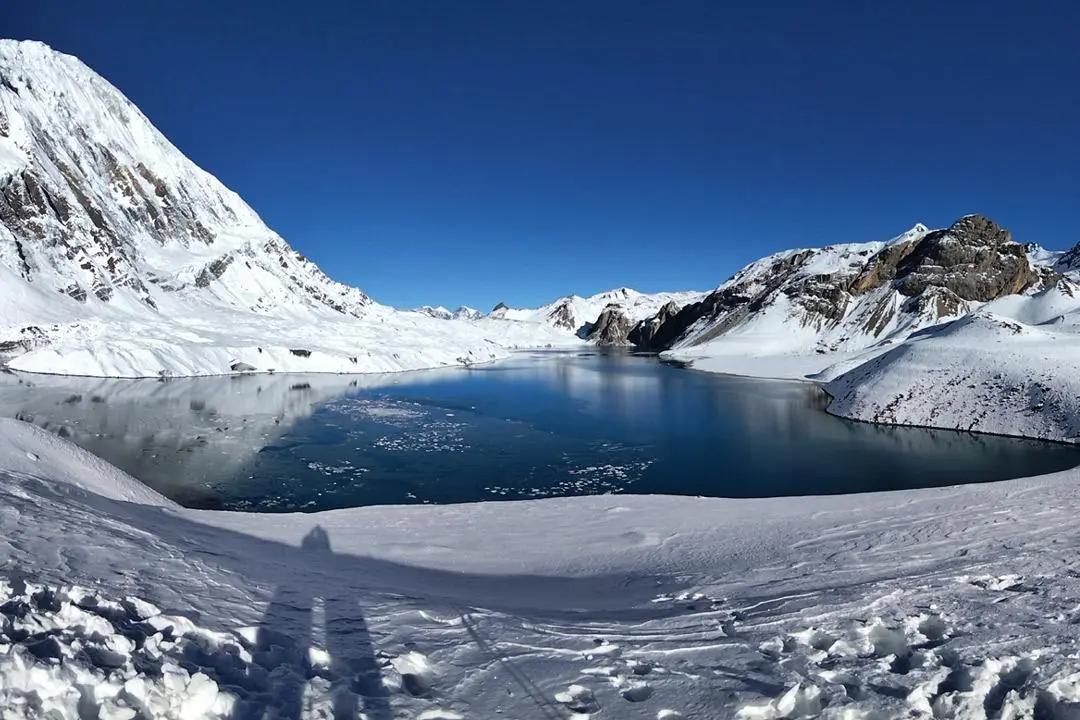
Quick Answer: The Tilicho Lake side trip can be a worthwhile addition to the Annapurna Circuit if you have extra days, enjoy high-altitude landscapes, and are prepared for challenging walking conditions.
However, the detour is not suitable for every trekker. It requires additional walking, careful altitude management, and flexibility because weather and trail conditions can change. The side trip also needs to be planned around the main circuit itinerary, especially if you intend to cross Thorong La.
In this guide, we explain the Tilicho Lake trek route, permits, costs, accommodation, difficulty, guide requirements, and what to consider before adding it to your Annapurna Circuit adventure.
What Is the Tilicho Lake Side Trip on the Annapurna Circuit?
The Tilicho Lake side trip is a detour from the main Annapurna Circuit trekking route. Instead of continuing directly from Manang toward Yak Kharka and Thorong Phedi, trekkers travel through the Tilicho Valley to reach one of the highest lakes in the world.
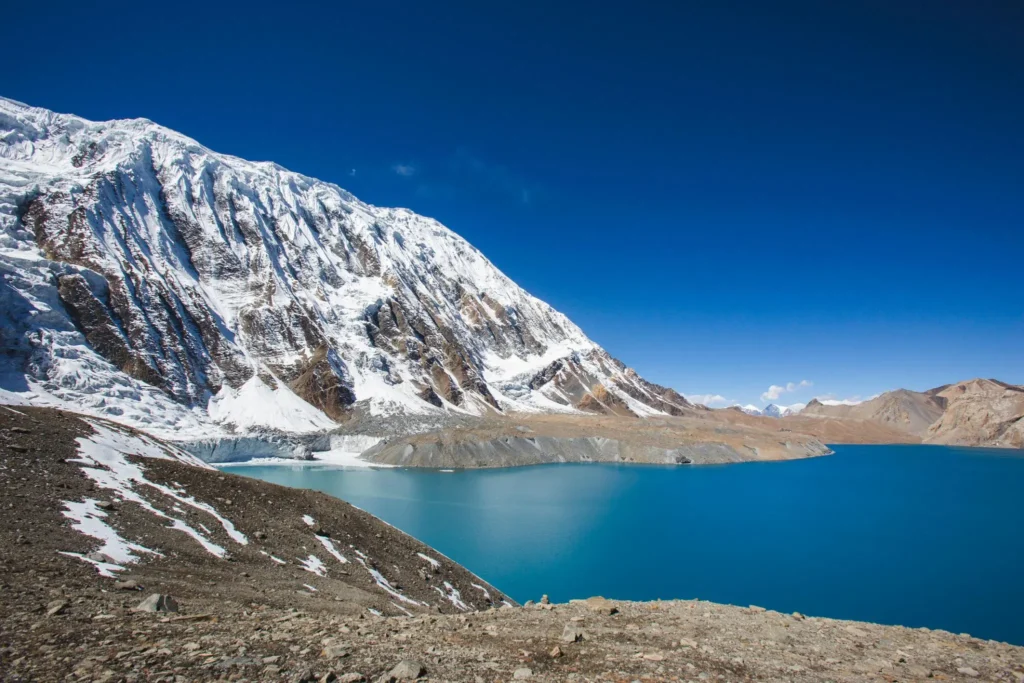
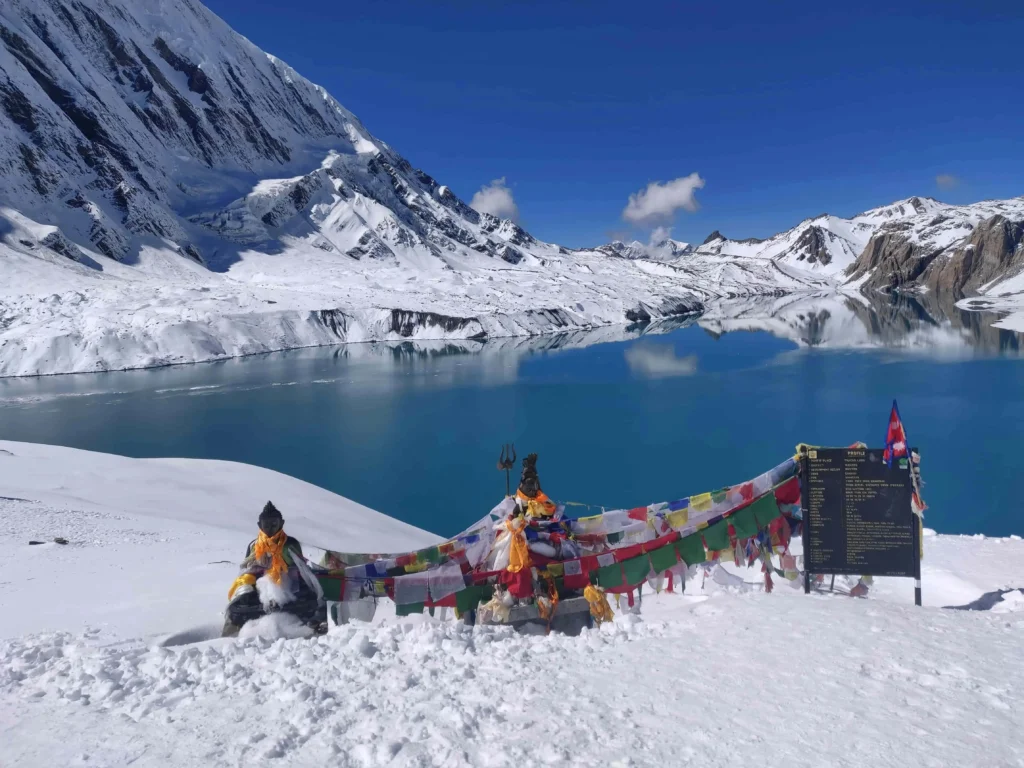
Tilicho Lake, at approximately 4,919 meters, is described by the Nepal Tourism Board as the world’s highest lake. The surrounding landscape includes steep mountain slopes, barren high-altitude terrain, and dramatic views that differ from the forested sections of the lower Annapurna Circuit.
The Nepal Tourism Board identifies Tilicho Lake as a major attraction in the Manang section of the Annapurna region.
Route: Manang → Khangsar → Shree Kharka → Tilicho Base Camp → Tilicho Lake
The precise itinerary depends on where you spend the night and trail conditions, but a typical side trip includes:
- Manang or the surrounding villages
- Khangsar and Shree Kharka area
- Tilicho Base Camp, approximately 4,150 meters
- Tilicho Lake, approximately 4,919 meters
- Return toward the main Annapurna Circuit route
After visiting the lake, trekkers descend toward Tilicho Base Camp and Shree Kharka before either returning toward Manang or connecting toward Yak Kharka to rejoin the main Annapurna Circuit. The exact route and overnight stops depend on the itinerary and current trail conditions.
How Does Tilicho Lake Connect to the Main Circuit?
Tilicho Lake is a side trip, not a mandatory stop on the standard Annapurna Circuit. Trekkers who add Tilicho Lake to the Annapurna Circuit normally allow additional days before continuing toward Thorong La.
Many itineraries allow around 2–4 additional trekking days for the Tilicho detour, depending on overnight stops, acclimatization needs, trail conditions, and where the route rejoins the main circuit.
| Trekking Section | Approximate Elevation |
|---|---|
| Manang | Approx. 3,540 m |
| Tilicho Base Camp | Around 4,150 m |
| Tilicho Lake | 4,919 m |
| Thorong La | 5,416 m |
Elevations are approximate. Daily walking distances and overnight locations vary by itinerary.
Tilicho Lake Trek: Permits, Guide Rules, and Costs
Before starting the Tilicho Lake side trip, trekkers need to organize the required permits for the Annapurna Circuit Trek with Tilicho Lake. Tilicho Lake lies within the Annapurna Conservation Area, so entry requirements for the Annapurna region apply.
ACAP Permit: Annapurna Conservation Area Permit
The Annapurna Conservation Area Permit (ACAP) is required for trekkers visiting the Annapurna Conservation Area, including the Tilicho Lake trek.
According to the current NTNC permit information, the ACAP entry fee is:
| Traveler Category | ACAP Permit Fee |
|---|---|
| Foreign nationals | NPR 3,000 |
| SAARC nationals | NPR 1,000 |
| Children under 10 | No permit required |
The listed ACAP fees include tax.
Where to obtain the permit: Trekkers can arrange the ACAP permit through authorized counters in Kathmandu or Pokhara, or use the NTNC online e-permit system. NTNC also lists additional permit counters along the route.
If a permit is issued directly at a check-post, double fees apply. We recommend arranging the permit in Kathmandu or Pokhara or using the online system before starting the trek to avoid higher check-post fees.
TIMS Card: Trekkers’ Information Management System
The Trekkers’ Information Management System (TIMS) card is part of Nepal’s trekking registration process.
Under Nepal Tourism Board’s revised TIMS provision, trekkers on designated routes must be accompanied by a licensed trekking guide and carry a TIMS card issued through a government-registered trekking agency.
| Traveler Category | TIMS Fee |
|---|---|
| Foreign nationals | NPR 2,000 |
| SAARC nationals | NPR 1,000 |
Note: The current Nepal Tourism Board guidance lists the Annapurna Circuit Trek and Mesokanto/Tilicho Pass Trek among routes covered by the mandatory guide and TIMS provisions. Confirm the latest requirements with your registered trekking agency before departure.
Planning tip: Arrange your required documents before leaving Kathmandu or Pokhara. This helps you begin the trek with the correct paperwork and avoid potentially higher fees at designated checkpoints.
Is a Guide Mandatory for the Tilicho Lake Side Trip?
Yes. When Tilicho Lake is added as a side trip to the Annapurna Circuit, the trek falls under the current mandatory licensed-guide and TIMS requirements that apply to the Annapurna Circuit.
Nepal Tourism Board lists the Annapurna Circuit Trek and Mesokanto/Tilicho Pass Trek among the routes covered by these rules. Arrange the guide and TIMS card through a government-registered trekking agency before departure.
A guide also provides practical support with navigation, weather decisions, accommodation, and monitoring for altitude-related issues.
Tilicho Lake Side Trip Cost: What You Need to Budget in 2026
The following figures are approximate planning ranges rather than fixed 2026 government rates. Actual Annapurna Circuit Trek with Tilicho Lake Trek costs vary by season, group size, guide experience, accommodation, meal choices, and the trekking agency you use. Confirm current rates before booking.
1. Permit Costs: ACAP and TIMS
(As listed earlier.) Confirm whether these are already included in your main Annapurna Circuit package so you do not pay twice.
2. Guide and Porter Costs
Extra days typically add to the daily guide and porter fees. As a rough planning range in 2026:
- Guide: approximately USD 25–35 per day (depending on experience and language)
- Porter: approximately USD 18–25 per day
These are indicative only and can vary.
3. Teahouse and Meal Costs
At higher elevations expect higher prices than in Manang or lower villages. Budget roughly:
- Overnight accommodation: NPR 500–1,000+ per person
- Full board (breakfast, lunch, dinner): NPR 2,500–4,000+ per person per day
Carry extra cash for drinks, snacks, charging, and possible weather delays.
4. Total Added Budget Estimate
For a typical 2–4 day Tilicho Lake extension (guided, with meals and accommodation), many trekkers should budget an additional USD 150–350 per person on top of the main Annapurna Circuit cost, depending on group size and inclusions.
Request a clear breakdown from your agency covering:
| Cost Category | What to Confirm |
|---|---|
| Permits | Included in original package or additional |
| Guide | Extra days and daily service |
| Porter | Additional days and luggage allowance |
| Accommodation | Number of extra nights |
| Food | Meals and drinks included |
| Transportation | Any changes to the itinerary |
| Contingency | Weather or itinerary adjustments |
Accommodation, Food & Daily Life on the Tilicho Lake Extension
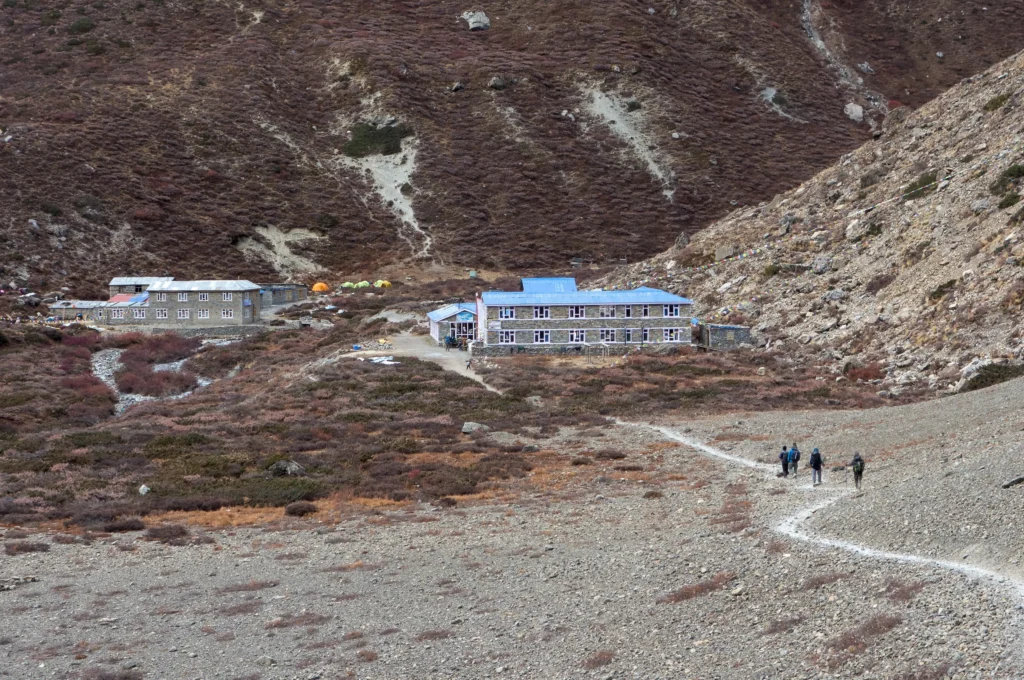
Accommodation on the Tilicho Lake extension is generally based on basic teahouses and lodges, with fewer facilities available at higher elevations than in larger villages such as Manang. Availability can also vary by season and current operating conditions.
The Nepal Tourism Board notes that many trekking routes in the Annapurna region have teahouse services, although high-altitude locations have different facilities and conditions.
What Are Teahouses at Tilicho Base Camp Like?
Teahouse facilities can vary from one property to another. Trekkers should expect practical accommodation rather than luxury services.
Depending on the lodge, facilities may include:
- Basic shared or private sleeping rooms
- Beds and blankets, subject to availability
- Shared dining areas
- Simple toilet facilities
- Hot meals and beverages
- Limited charging facilities
During busy trekking seasons, rooms may fill quickly. Your guide can help coordinate accommodation, but availability cannot always be guaranteed in advance.
Bring a suitable sleeping bag and warm layers, particularly for overnight stays at higher elevations.
Note: Trekkers do not normally stay overnight at Tilicho Lake itself; the lake is generally visited as a high-altitude excursion from Tilicho Base Camp or another nearby overnight point.
Food Options at High Altitude
Most teahouses serve simple meals designed to provide energy during trekking. Common options can include dal bhat, noodles, rice dishes, soups, potatoes, and Tibetan-style bread.
Food availability may be more limited at Tilicho Base Camp than in larger villages such as Manang. It is sensible to carry snacks such as:
- Energy bars
- Nuts and dried fruit
- Chocolate
- Biscuits
- Electrolyte sachets
Drink enough fluids throughout the day and avoid depending only on caffeinated beverages for hydration.
A Typical Day on the Tilicho Lake Detour
A common lake-excursion day starts early from Tilicho Base Camp. Trekkers climb to Tilicho Lake, spend some time at the lake depending on weather and physical condition, and then descend toward the planned overnight location, which may be Tilicho Base Camp, Shree Kharka or another stop depending on the itinerary.
A practical day may look like this:
| Time | Activity |
|---|---|
| Early morning | Breakfast and preparation |
| Morning | Begin walking toward Tilicho Lake |
| Midday | Reach the lake area, depending on conditions |
| Afternoon | Return toward the planned overnight location |
| Evening | Dinner, rest, and preparation for the next day |
The schedule is flexible. Weather, trail conditions, altitude symptoms, and walking speed should take priority over reaching a specific time target.
Why Add Tilicho Lake to the Annapurna Circuit?
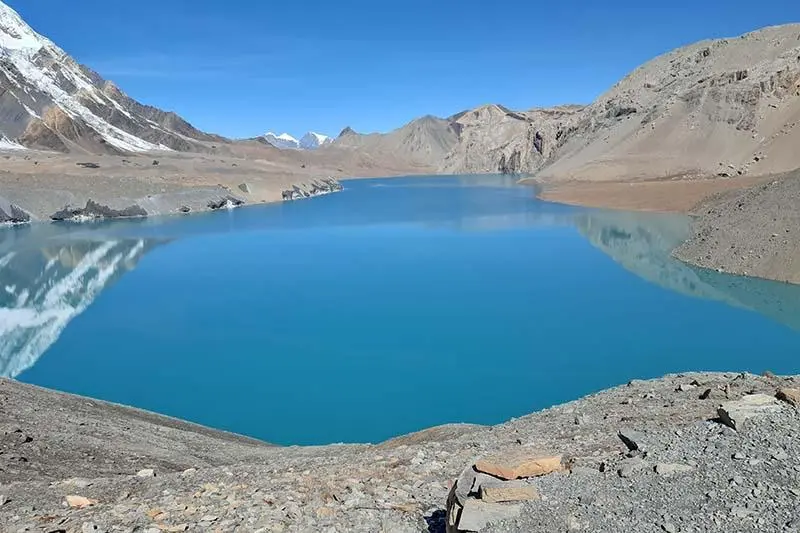
Scenery and High-Altitude Landscapes
Tilicho Lake offers a distinctly different experience from the lower valleys of the Annapurna Circuit. As the trail climbs beyond Manang, the landscape opens into a vast, barren high-altitude world of rock, scree, and glacial ice.
The lake itself sits in a dramatic amphitheatre of steep mountain walls, often partially frozen or reflecting the surrounding peaks on clear days. The scale feels remote and elemental, a long way from the forests and villages of the earlier circuit days.
Seasonal snow, shifting clouds, and the sheer emptiness of the upper Tilicho Valley are as much part of the experience as the lake itself.
Does Tilicho Lake Help With Acclimatization?
Tilicho Lake should not be treated as an acclimatization day by itself. The excursion takes trekkers to approximately 4,919 meters and can add considerable physical stress.
Acclimatization depends on the overall itinerary, gradual ascent, sleeping elevations, rest, hydration, and individual response to altitude.
If you add Tilicho Lake before Thorong La, your guide should plan the itinerary so that the additional high-altitude walking does not compromise recovery or safe altitude management.
The Honest Challenges: What to Know Before You Commit
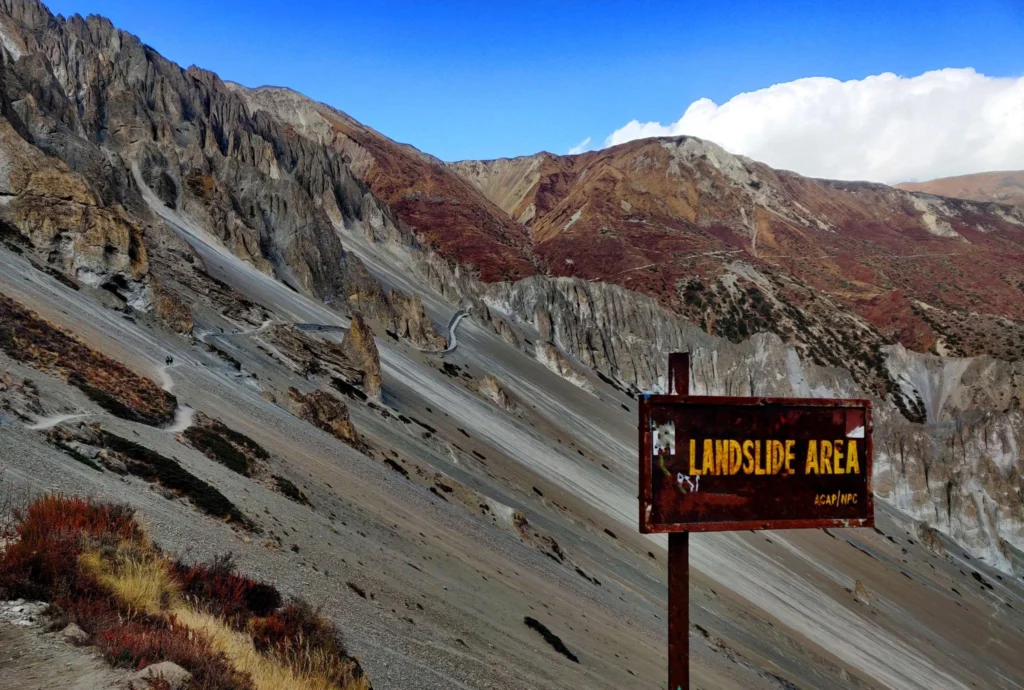
The Tilicho Lake side trip is rewarding for many trekkers, but it also has real challenges. Understanding the difficulty before booking helps you prepare realistically.
1. Steep, Rocky and Potentially Exposed Sections
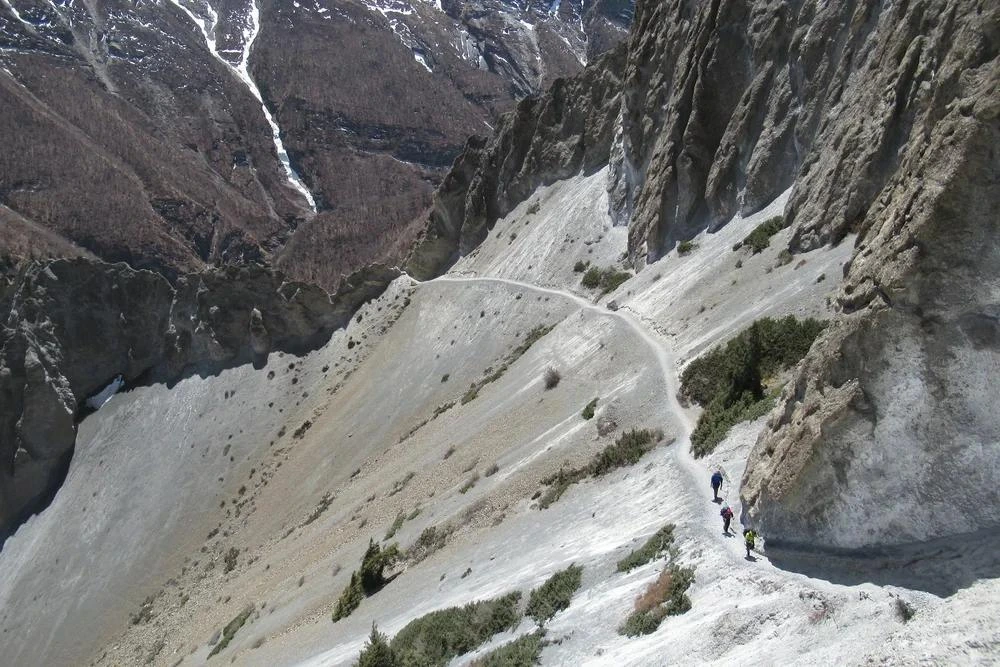
Some sections of the trail may be steep, loose, narrow, or exposed, and conditions can change because of erosion, rainfall, snowfall, and trail maintenance.
Your guide should assess current conditions and advise you about safe passage. Avoid rushing through exposed sections, especially when the trail is wet, icy, or unstable.
2. High Altitude and Significant Elevation Gain
Tilicho Lake reaches approximately 4,919 meters, and the climb from Tilicho Base Camp involves a substantial elevation gain. The altitude increases the risk of altitude-related illness, particularly when ascent is too rapid or acclimatization is inadequate.
Possible symptoms of altitude sickness include headache, nausea, dizziness, fatigue, and sleep disturbances. Symptoms should never be ignored.
Never continue ascending if altitude symptoms are worsening. Inform your guide immediately and follow appropriate medical advice. If serious or worsening altitude illness is suspected, descending to a lower elevation may be necessary.
3. Weather Variability
Mountain weather can change quickly. Clear morning conditions do not guarantee that the entire day will remain suitable for trekking.
Wind, cloud, snow, and low visibility may affect the route. A flexible itinerary is essential, and your guide should make decisions based on current conditions rather than a fixed schedule.
4. Limited Accommodation Capacity
Accommodation options become more limited as you move toward Tilicho Base Camp. During busy trekking periods, availability can be tighter, so discuss the overnight plan with your guide or agency in advance.
Carry enough Nepali cash for accommodation, meals, drinks, snacks, and charging because card/payment facilities may be limited in remote villages.
Is the Tilicho Lake Trek Worth It? A 2026 Decision Framework
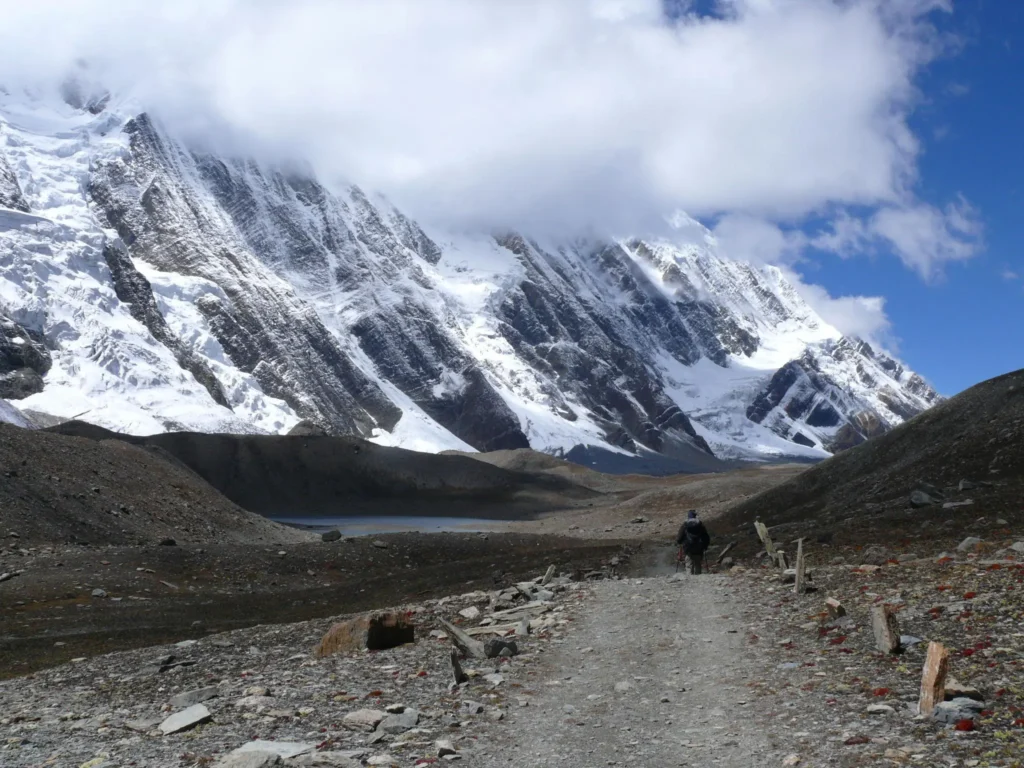
Whether Tilicho Lake is worth adding depends on your schedule, priorities, and comfort with high-altitude trekking.
Go for Tilicho Lake If:
- You have enough extra days in your Annapurna Circuit itinerary.
- You enjoy dramatic alpine scenery and challenging walks.
- You are comfortable with basic teahouse accommodation.
- You are prepared to follow a gradual altitude-management plan.
- You want to experience a major side attraction in the Manang region.
Consider Skipping It If:
- Your schedule is too tight to add extra trekking days.
- You are struggling with altitude symptoms.
- Current trail or weather conditions are unsuitable.
- You prefer a shorter itinerary with fewer high-altitude walking days.
- You need flexibility to recover before crossing Thorong La.
There is no requirement to visit every major attraction on the Annapurna Circuit route. Your itinerary should reflect your physical condition, acclimatization needs, available time, and current trail conditions.
Tilicho Lake vs Ice Lake: Which Side Trip Fits You?
Both Tilicho Lake and Ice Lake are popular attractions in the Manang region, but they offer different trekking experiences.
| Feature | Tilicho Lake | Ice Lake |
|---|---|---|
| Location | Tilicho Valley, west of Manang | Above Manang |
| Approximate elevation | 4,919 m | Approx. 4,600 m |
| Experience | High-altitude lake excursion | Steep day hike with mountain views |
| Planning | Often added as a multi-day detour | Often planned as a day excursion |
| Main consideration | Extra itinerary days and remote trail conditions | Steep ascent and altitude management |
Elevations and route details vary by the exact trail and starting point. Confirm the current itinerary with your guide.
Choose based on the experience you want and the time available, rather than treating one lake as a replacement for the other in every itinerary.
Standard Return vs Mesokanto La Route
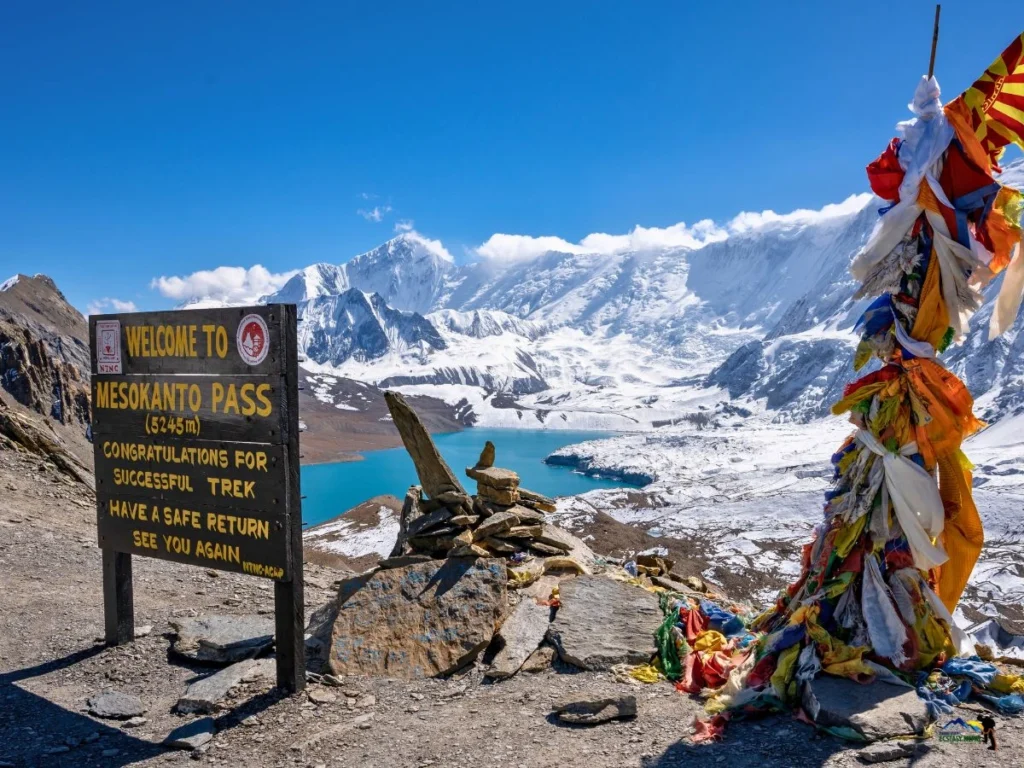
Most Annapurna Circuit itineraries that include Tilicho Lake use a standard return through the Tilicho Valley and rejoin the main trail toward Yak Kharka and Thorong Phedi. This approach relies on teahouse accommodation and fits a conventional circuit schedule.
Mesokanto La is an entirely different undertaking. It is a high, remote, and significantly more demanding pass that usually requires camping, specialized equipment, strong high-altitude experience, and additional logistical support.
It is not a simple alternative return route for a standard Annapurna Circuit + Tilicho Lake side trip. Do not add Mesokanto La to a normal itinerary without detailed discussion of the risks, equipment, and support requirements with an experienced trekking agency.
Why the Standard Route Is Commonly Used
The standard route fits naturally into a conventional Annapurna Circuit itinerary because it can be planned around teahouse accommodation and the continuation toward Thorong La.
Mesokanto La: A More Demanding High-Altitude Route
Mesokanto La requires specialized planning, appropriate equipment, strong high-altitude trekking experience, and logistical support. Depending on the itinerary, camping and additional support may also be required.
Do not add this crossing to a standard itinerary without discussing the risks and requirements with an experienced trekking agency.
Best Time for the Tilicho Lake Trek
The most commonly recommended seasons for trekking in the Annapurna region are spring and autumn. The Nepal Tourism Board identifies March–May and September–November as favorable periods for the Annapurna region, while higher-altitude winter conditions can be severe.
Autumn: September to November
Autumn is one of the main trekking seasons in the Annapurna region. September can still bring variable weather, while October and November generally offer more stable conditions and clearer mountain views.
Higher elevations can remain cold, so trekkers should prepare for freezing temperatures and changing weather.
Spring: March to May
Spring is another favorable period for trekking in the Annapurna region. March can remain cold at higher elevations, while April and May generally bring warmer daytime conditions.
Snow can still affect higher sections, so current trail conditions should be checked before departure.
Why Winter and Monsoon Need Extra Planning
Winter can bring freezing temperatures, snowfall, and difficult high-altitude trail conditions, while some accommodation and route services may be limited.
Manang lies in the rain shadow of the Annapurna range, so it receives considerably less monsoon rainfall than Nepal’s southern-facing slopes.
However, the approaches to the Annapurna Circuit can still be affected by rain, landslides and transportation disruptions during the monsoon. Check current weather and trail conditions before departure.
Packing List for the Tilicho Lake Extension
A well-prepared packing list can make the high-altitude detour more comfortable.
Clothing
- Warm base layers
- Fleece or warm mid-layer
- Waterproof outer shell
- Trekking trousers
- Warm hat and gloves
- Extra socks
- Thermal layers for overnight stays
- Buff or neck gaiter
- Down or synthetic insulated jacket
- Basic blister care
Footwear and Equipment
- Comfortable trekking boots with good grip
- Trekking poles
- Headlamp
- Sunglasses with UV protection
- Sunscreen and lip balm
- Water bottles or hydration system
- Sleeping bag suitable for cold conditions
Personal Essentials
- Passport and permit documents
- Personal medication
- Basic first-aid supplies
- Snacks and electrolytes
- Power bank
- Cash for remote trekking areas
- Water purification tablets/filter
Charging may be limited or available for an additional fee, depending on the lodge. Pack according to the season and the itinerary provided by your trekking agency.
Practical Tips for the Tilicho Lake Side Trip
Start Early for the Lake Excursion
An early start can provide more flexibility during the day. Your guide should select the departure time according to the route, weather, and planned return.
Do not rush simply to reach the lake before a particular time.
Check the Exposed Sections
Trail conditions can change. Ask your guide about any recent landslides, icy sections, or difficult passages before starting the walk.
Plan Accommodation Ahead
During peak season, accommodation may be limited. Discuss the overnight plan before arriving at the higher villages.
Maintain a Steady Pace
Walking slowly and taking appropriate breaks can help you manage fatigue. Your guide should monitor how you are feeling and adjust the pace when necessary.
Respect Altitude Symptoms
Do not continue climbing if you are experiencing concerning or worsening symptoms. Inform your guide and follow the recommended safety response.
How We Build Tilicho Lake Into Our Annapurna Circuit Treks?
When adding Tilicho Lake to an Annapurna Circuit itinerary, careful planning of extra days, altitude management, and current trail conditions is essential. A registered trekking agency can help with:
- Building a realistic itinerary that includes the side trip without compromising acclimatization
- Arranging licensed guides, TIMS, and ACAP permits
- Coordinating accommodation at higher elevations where availability can be limited
- Advising on current trail and weather conditions
Whether you are considering a longer Annapurna Circuit journey that includes Tilicho Lake or a focused high-altitude excursion, discuss your available time, experience level, and priorities with a government-registered agency before finalizing dates.
Planning Your Annapurna Circuit with Tilicho Lake
Tilicho Lake can be a rewarding addition to the Annapurna Circuit when you have sufficient time and are prepared for the extra high-altitude walking.
Before booking, confirm the number of extra days required, current trail conditions, guide and TIMS requirements, accommodation arrangements, and exactly what is included in the package price.
If you would like help planning an itinerary that includes (or deliberately excludes) the Tilicho Lake side trip, contact Hi Nepal Travels & Tours to match your schedule and experience.
Frequently Asked Questions
-
Is the Tilicho Lake trek difficult?
The Tilicho Lake side trip is challenging because of its high elevation, steep and exposed sections, and changing weather conditions. Fitness alone does not eliminate altitude-related risks.
-
How many extra days does Tilicho Lake add to the Annapurna Circuit?
Tilicho Lake commonly adds around 2–4 trekking days to an Annapurna Circuit itinerary. The exact duration depends on the starting point, overnight stops, acclimatization plan, trail conditions, and where you rejoin the main circuit.
-
Do I need a separate permit for Tilicho Lake?
No separate Tilicho Lake permit is listed by NTNC. Tilicho Lake is within the Annapurna Conservation Area, so trekkers need the applicable ACAP entry permit and the guide/TIMS requirements applicable to their route.
-
Is a guide mandatory for the Tilicho Lake side trip?
Yes, when Tilicho Lake is added to an Annapurna Circuit itinerary, the applicable guide and TIMS requirements for the Annapurna Circuit apply. Nepal Tourism Board currently lists the Annapurna Circuit Trek and Mesokanto/Tilicho Pass Trek among the routes covered by these provisions.
-
What is the altitude of Tilicho Lake?
Tilicho Lake is approximately 4,919 meters (16,138 feet) above sea level.
-
Can beginners do the Tilicho Lake trek?
Trekkers with limited high-altitude experience may be able to complete the side trip with appropriate acclimatization, preparation, and guide support, but there is no beginner-level guarantee. The altitude, terrain, and weather require careful planning.
-
What is the best season for Tilicho Lake?
Spring (March–May) and autumn (September–November) are commonly recommended periods for trekking in the Annapurna region. However, conditions at Tilicho Lake can vary by elevation and weather, so check current trail and weather conditions before departure.
-
How is Tilicho Lake different from Ice Lake?
Tilicho Lake is a high-altitude lake excursion that commonly requires extra days when added to the Annapurna Circuit. Ice Lake is generally approached as a steep day hike from the Manang area. Both require altitude awareness and appropriate preparation.