
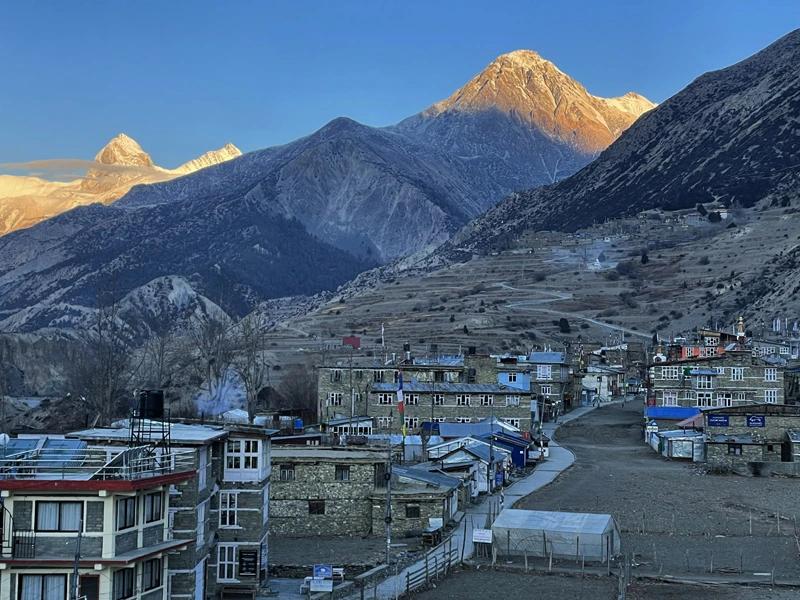
Manang Village is one of the most important stops on the Annapurna Circuit Trek. Located at approximately 3,540 metres (11,614 feet), this Himalayan settlement offers more than mountain views and traditional stone houses. It is where trekkers pause to acclimatize before continuing toward Yak Kharka, Thorong Phedi, and Thorong La Pass.
By the time you reach Manang, the landscape has changed considerably. Green hills, forests, and terraced fields give way to dry mountain slopes, rocky terrain, Buddhist monasteries, and views of the Annapurna range.
Most Annapurna Circuit itineraries include an additional night in Manang to give trekkers time to adjust to the altitude. You can use this day to explore the village, walk to Gangapurna Lake, visit Braga Monastery, or attend an altitude-awareness session.
This guide covers what to expect in Manang, how to spend your acclimatization day, where to stay, and what to prepare for before heading into the higher Himalayas.
Quick Facts About Manang Village
- Location: Upper Marsyangdi Valley, Annapurna region, Nepal
- Altitude: Approximately 3,540 m (11,614 ft)
- Main purpose for trekkers: Acclimatization before the higher sections of the Annapurna Circuit
- Popular attractions: Gangapurna Lake, Braga Monastery, Ice Lake, and traditional village lanes
- Accommodation: Teahouses, guesthouses, lodges, and small hotels
- Best trekking seasons: Spring and autumn
- Next major stops: Yak Kharka, Thorong Phedi, and Thorong La Pass
Where Is Manang Village?
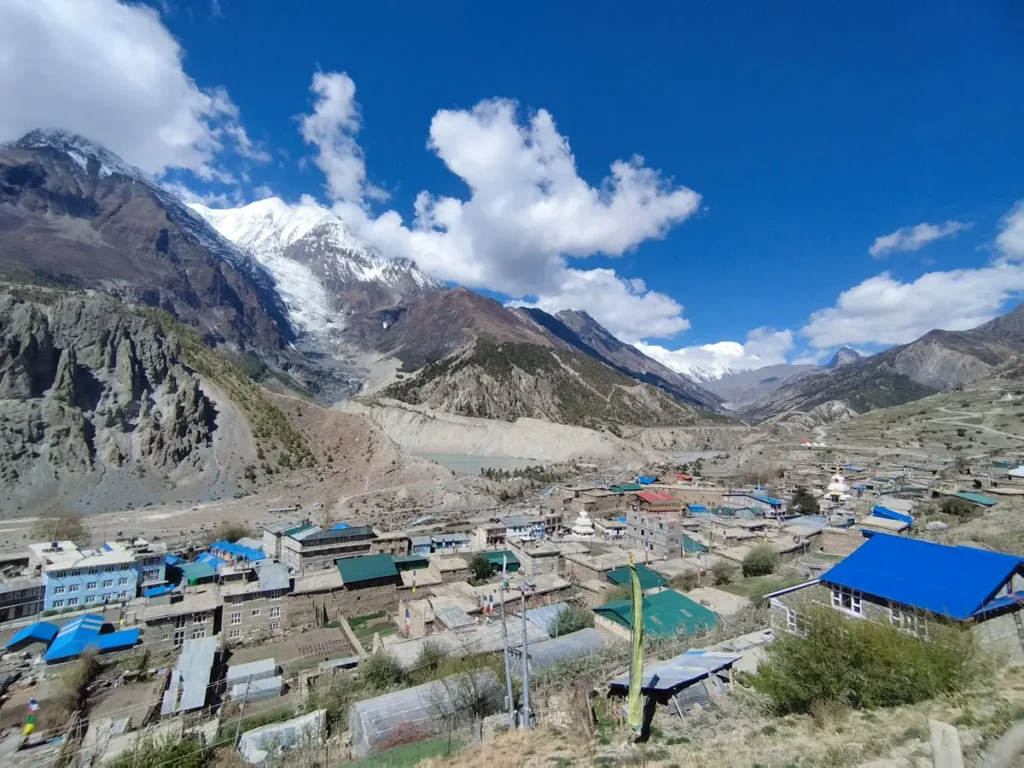
Manang lies in the upper Marsyangdi River Valley in northern Nepal’s Annapurna region. On the classic Annapurna Circuit, trekkers reach the village after passing through settlements such as Dharapani, Chame, and Pisang.
The traditional route follows this general progression:
Besisahar → Jagat → Dharapani → Chame → Pisang → Manang
The exact starting point depends on your itinerary, road access, and current trail conditions.
One of the most noticeable changes along this section is the landscape. The lower Marsyangdi Valley is greener and more heavily vegetated, while Manang has a drier, more rugged appearance. The rain-shadow effect of the Himalayas contributes to this landscape, creating conditions that differ from those on the southern slopes of the Annapurna range.
Stone-built settlements, prayer flags, mani walls, monasteries, and snow-covered peaks give Manang a distinct Himalayan character.
Why Is Manang Important for Acclimatization?
The main reason is its elevation. At approximately 3,540 metres, Manang is high enough for altitude illness to become a serious consideration, yet it has established accommodation, food services, and access to altitude-related information.
From Manang, the route continues toward elevations above 4,000 metres before reaching Thorong La Pass at 5,416 metres. Moving higher without allowing enough time to acclimatize can increase the risk of acute mountain sickness (AMS).
An acclimatization day gives your body additional time to adjust before the next stage of the trek.
A typical altitude progression looks like this:
- Chame: approximately 2,700 m
- Pisang: approximately 3,100–3,300 m
- Manang: approximately 3,540 m
- Yak Kharka: approximately 4,000 m
- Thorong Phedi: approximately 4,400–4,600 m
- Thorong La Pass: 5,416 m
The exact elevations vary by route and overnight location, but the pattern is clear: the trail climbs considerably higher after Manang.
For most well-planned Annapurna Circuit itineraries, an additional night in Manang is strongly recommended.
Acclimatization does not mean you must remain inside your lodge all day. A gentle hike followed by a return to Manang for the night is a common approach. However, if you develop worsening altitude symptoms, do not ascend further.
What to Do on Your Manang Acclimatization Day
You do not need to undertake a demanding hike to make the most of your time in Manang. Choose activities according to your condition, experience, and how your body is responding to the altitude.
1. Walk to Gangapurna Lake
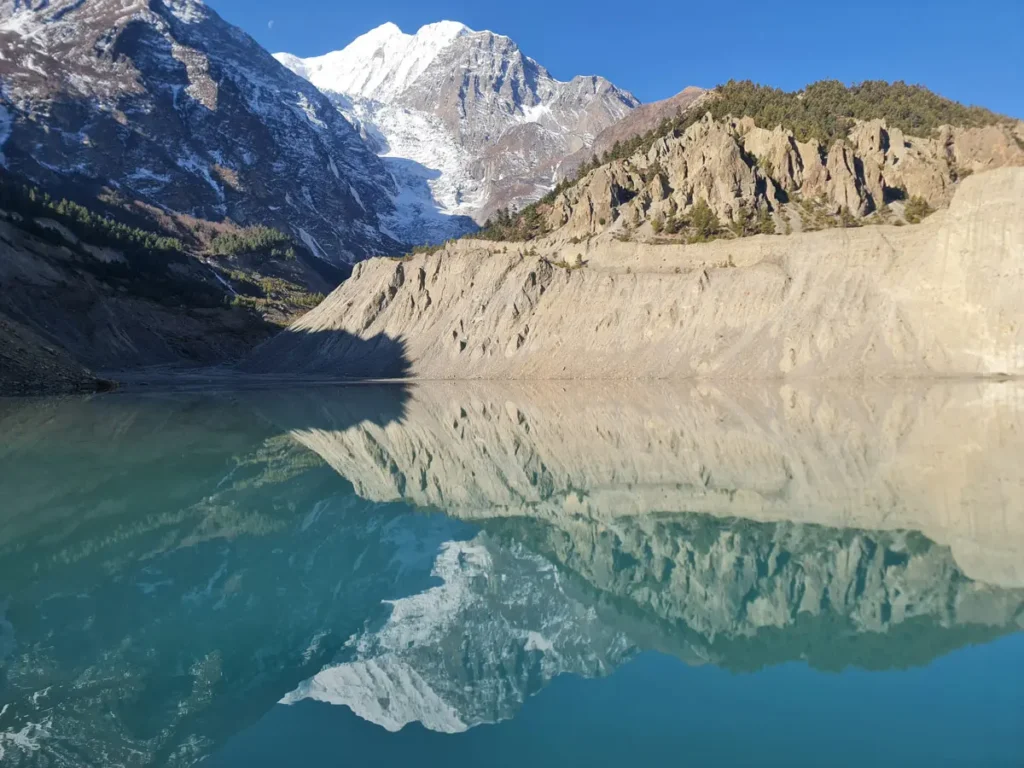
Gangapurna Lake is one of the most accessible natural attractions near Manang. The turquoise glacial lake sits beneath the surrounding mountain landscape and offers an appealing short excursion from the village.
For trekkers feeling comfortable at Manang’s altitude, the walk can provide a manageable way to spend time outdoors without committing to a strenuous full-day hike.
Take your time, enjoy the views, and return to Manang to sleep at the same elevation. If you are experiencing concerning altitude symptoms, skip the hike and prioritize your health.
2. Hike to Ice Lake
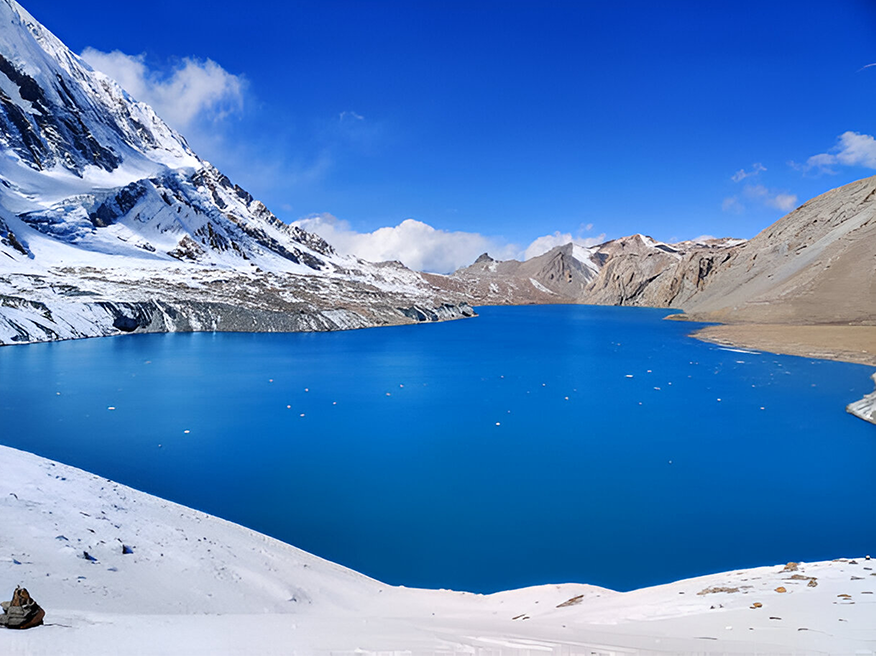
Ice Lake, also known as Kicho Tal, is a more demanding option that reaches approximately 4,600 metres. The hike involves a substantial elevation gain and can be strenuous.
Although some trekkers include Ice Lake in their acclimatization plans, it is not necessary for everyone. Consider it only if you are feeling well, have appropriate equipment, and can manage the effort safely.
Trekkers experiencing persistent headaches, nausea, dizziness, or unusual fatigue should avoid a demanding ascent.
The goal of acclimatization is to prepare for the higher route, not to complete the hardest possible day hike.
3. Visit Braga Monastery
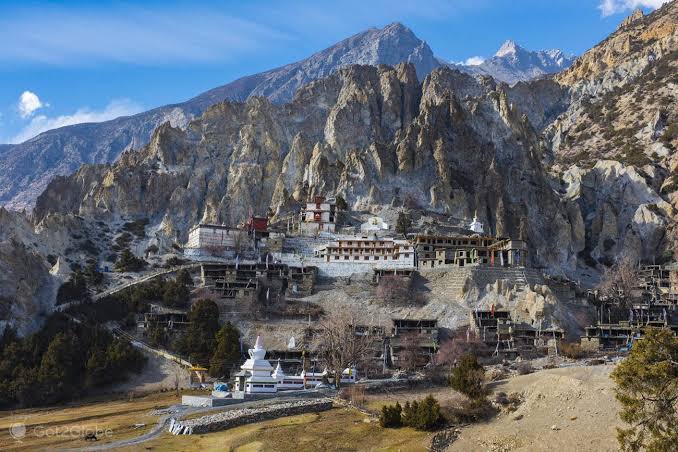
Braga, also known as Bhraka, is a traditional settlement near Manang known for its Buddhist monastery and distinctive architecture.
A visit provides an opportunity to learn about the area’s cultural heritage while keeping the day relatively relaxed. You can combine the walk with time exploring Manang rather than spending the entire day on a physically demanding excursion.
Respect local customs, follow any photography restrictions, and ask permission before photographing residents.
4. Explore Manang Village
Manang is more developed than many of the smaller settlements along the circuit, making it a pleasant place to slow down and prepare for the next stage.
You can explore stone houses, local shops, bakeries, cafés, prayer wheels, and nearby viewpoints. It is also a practical time to organize your backpack, charge your devices, and check your clothing and equipment.
5. Attend an Altitude-Awareness Session
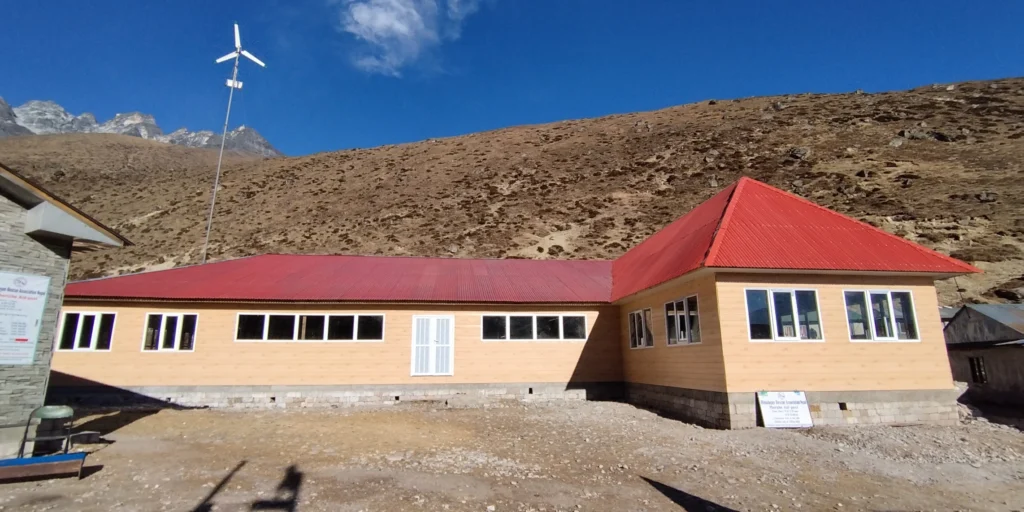
The Himalayan Rescue Association (HRA) operates an aid post in Manang, making the village an important source of altitude-related information for trekkers.
If an altitude-awareness session is available during your stay, consider attending it. Understanding the warning signs of AMS, HACE, and HAPE can help you make safer decisions farther along the route.
For more preparation advice, read Hi Nepal’s guide to high-altitude trekking preparation.
Manang Altitude: What Should Trekkers Expect?
At 3,540 metres, Manang is already at an elevation where you should take altitude seriously.
You may notice faster breathing while walking uphill, reduced exercise capacity, changes in sleep, headaches, fatigue, or reduced appetite. These symptoms do not automatically indicate severe altitude illness, but they should not be ignored.
Headache accompanied by nausea, dizziness, or unusual fatigue after ascending can indicate AMS.
Do not continue ascending if your symptoms are getting worse. Confusion, difficulty walking normally, altered consciousness, or breathlessness at rest can indicate a medical emergency. Seek immediate assistance and arrange descent when serious altitude illness is suspected.
An acclimatization day reduces risk but cannot guarantee that you will avoid altitude sickness.
Manang Weather and the Best Time to Visit
Manang has a high-altitude climate, with cool temperatures and potentially cold nights throughout the trekking seasons. The rain-shadow effect makes the area considerably drier than many parts of southern Nepal, but weather conditions can still change quickly.
Spring (March–May) generally offers favorable trekking conditions, with increasingly comfortable daytime temperatures and mountain scenery.
Autumn (September–November) is another popular period, particularly after the monsoon, when skies are often clearer.
Winter (December–February) can bring severe cold and snowfall at higher elevations. The conditions around Thorong La may make the crossing more difficult.
Monsoon (June–August) brings more rain to many lower sections of Nepal. Although Manang is relatively dry, the approach roads and lower trails can still be affected.
Spring and autumn are generally the preferred seasons for the Annapurna Circuit. Check current weather, road access, and trail conditions before departure.
Where to Stay in Manang
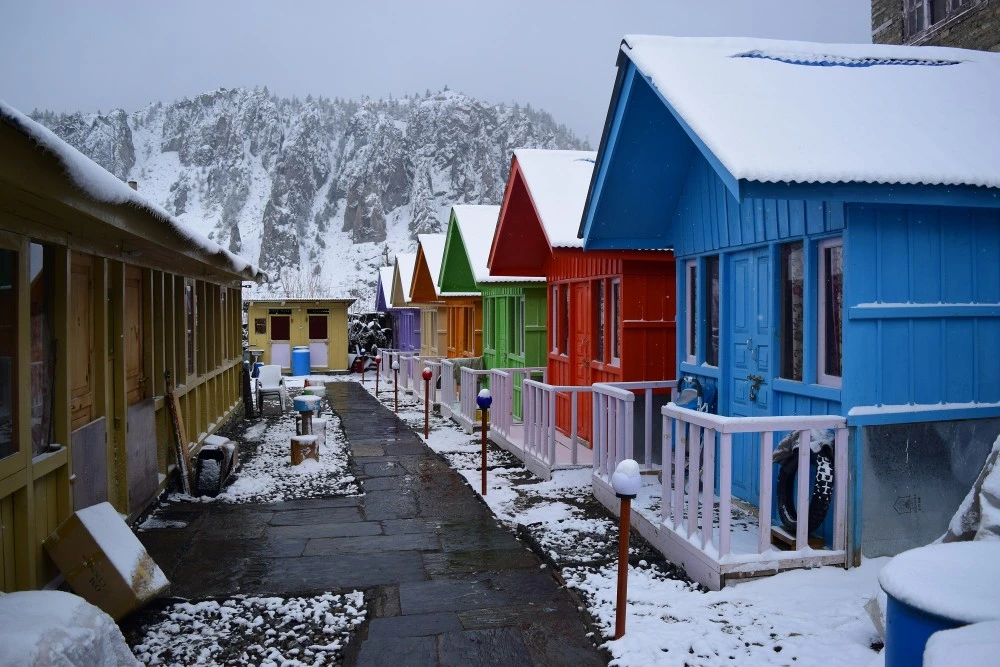
Accommodation in Manang includes teahouses, guesthouses, lodges, and small hotels. Depending on the property and season, facilities may include private rooms, shared bathrooms, hot showers, Wi-Fi, charging points, and dining areas.
Standards vary, so do not expect the same facilities as a hotel in Pokhara or Kathmandu.
At this altitude, prioritize a warm place to sleep, sufficient food, reasonable hygiene, and a comfortable environment for acclimatization.
Most itineraries include two nights in Manang: the arrival night and an additional acclimatization night. During busy trekking periods, availability can vary, so plan your accommodation accordingly.
What Food Can You Find in Manang?
Manang offers a wider variety of food than many smaller villages on the higher sections of the circuit.
Depending on the establishment and season, you may find:
- Dal bhat
- Thukpa and noodle soups
- Momos
- Rice and noodle dishes
- Pasta and pizza
- Bread and pancakes
- Tea and coffee
- Apple-based desserts
Choose meals that agree with your stomach and provide enough energy for trekking. Maintaining normal hydration and eating regularly are important, particularly before continuing toward higher elevations.
Internet, Charging, and Communication
Manang is one of the more developed settlements along the high section of the Annapurna Circuit. Some lodges and businesses offer internet and charging facilities, but availability and reliability are not guaranteed.
Charge your phone, camera batteries, GPS watch, and power bank whenever electricity is available. Download offline maps and important documents before leaving areas with better connectivity.
Carry enough cash for your planned expenses, as card facilities and internet-dependent payment services may not always be reliable.
What Should You Pack for Manang?
You do not need a separate packing list for Manang, but the altitude and changing temperatures make certain items particularly useful.
Clothing
- Thermal base layers
- Fleece or insulating mid-layer
- Down jacket
- Windproof and weather-resistant outer layer
- Warm socks, gloves, and hat
- Sun hat
Trekking equipment
- Comfortable hiking boots
- Trekking poles
- Headlamp
- Reusable water bottle and purification method
- Sleeping bag suitable for expected temperatures
- Power bank
Sun protection and health
- Sunglasses and sunscreen
- Lip balm
- Basic first-aid supplies
- Personal medication
- Altitude medication only as recommended by a qualified healthcare professional
See the complete Nepal trek packing list before departure.
Manang to Yak Kharka: What Comes Next?
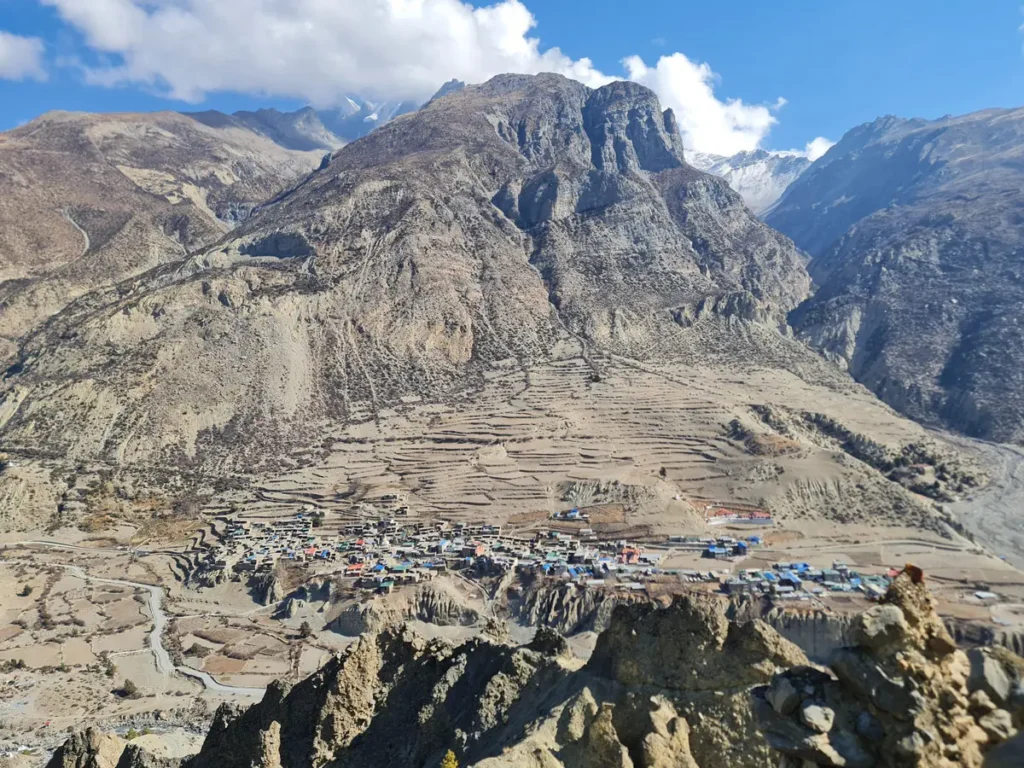
After your acclimatization day, the route generally continues:
Manang → Yak Kharka → Thorong Phedi → Thorong La → Muktinath
The trail rises into a higher environment, and managing your altitude exposure becomes increasingly important. Depending on your itinerary, you may stay around Yak Kharka or Letdar before proceeding toward Thorong Phedi.
Thorong La reaches 5,416 metres, nearly 1,900 metres higher than Manang. The journey is not simply about covering the distance between villages; it also requires careful management of sleeping altitude and symptoms.
Your guide should assess how you are feeling and adjust plans if necessary. A fixed schedule should never take priority over your health.
Can You Combine Manang With Tilicho Lake?
Yes. Tilicho Lake is a popular side trip from the Manang area, reaching approximately 4,919 metres.
However, it requires additional time and careful planning. The route is considerably higher than Manang, so it should not be treated as a casual half-day excursion.
Many trekkers acclimatize in Manang before undertaking the Tilicho side trip and then continue with their Annapurna Circuit itinerary. Your exact route should account for the additional ascent, overnight stops, weather, and your response to altitude.
Learn more about the Tilicho Lake trip.
Why Trek the Annapurna Circuit With Hi Nepal Travels & Treks?
Planning the Manang section involves more than choosing a place to sleep. Your itinerary should allow enough time for acclimatization and provide flexibility if conditions change.
Hi Nepal Travels & Treks offers Annapurna trekking itineraries that include time in Manang before the higher sections of the circuit.
When choosing a trekking operator, look for a clearly planned itinerary, experienced local guidance, suitable accommodation arrangements, and a sensible approach to altitude safety.
Conclusion
Manang is more than an overnight stop on the Annapurna Circuit. It is where you have an opportunity to experience the culture and landscapes of the upper Marsyangdi Valley while preparing for the challenging elevations ahead.
Spend time exploring the village, visit Gangapurna Lake or Braga Monastery, and learn about altitude safety. Most importantly, allow your body enough time to adjust before continuing toward Yak Kharka and Thorong La.
An extra night in Manang is not a wasted trekking day. It is an opportunity to acclimatize, recover, and prepare for the next stage of your journey.
Plan your Annapurna Circuit Trek with Hi Nepal Travels & Treks with enough time to enjoy Manang rather than simply passing through it.
Frequently Asked Questions
What is Manang famous for?
Manang is known for its Himalayan scenery, Tibetan-influenced culture, traditional settlements, and role as an important acclimatization stop on the Annapurna Circuit.
What is the altitude of Manang Village?
Manang is approximately 3,540 metres (11,614 feet) above sea level.
Why do trekkers spend an extra day in Manang?
An additional night allows trekkers more time to acclimatize before ascending toward elevations above 4,000 metres and eventually crossing Thorong La Pass.
What can I do during the Manang acclimatization day?
Popular activities include walking to Gangapurna Lake, visiting Braga Monastery, exploring the village, and attending an available altitude-awareness session. Ice Lake is a more demanding option and is not necessary for everyone.
Is Manang cold?
Yes. Temperatures can drop significantly at night, and winter conditions can be severe at higher elevations. Bring suitable layers and warm clothing.
Is there medical help in Manang?
The Himalayan Rescue Association operates an aid post in Manang. Availability and services may vary, so confirm current arrangements and do not rely on the aid post as a substitute for emergency planning.
Can I visit Manang during the monsoon?
Manang lies in the rain shadow of the Annapurna range, but lower approach roads and trails can still be affected by monsoon weather. Check current conditions before travelling.
Is Ice Lake necessary for acclimatization?
No. Ice Lake is a demanding hike at approximately 4,600 metres. A shorter walk or rest day may be more appropriate, depending on your condition and itinerary.
How high is Thorong La compared with Manang?
Manang is approximately 3,540 metres, while Thorong La Pass reaches 5,416 metres. This substantial elevation difference explains why acclimatization in Manang is important.