
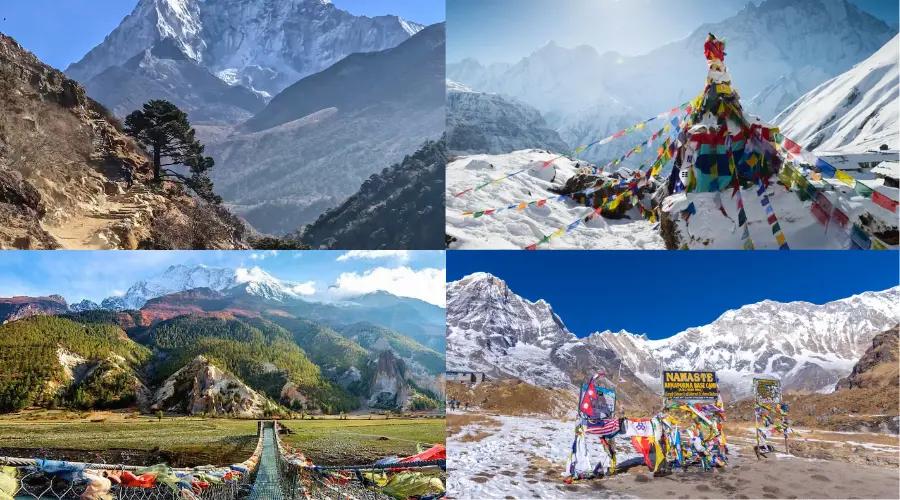
You’ve saved the leave, looked at the flights, and finally decided: this is the year you walk the Annapurna Circuit. Then one question stops you cold. Which month?
It matters more than most trekkers realise. Pick wrong, and you could spend days walking in cloud and rain with the mountains hidden, or reach Thorong Phedi and learn the pass is blocked with snow.
After weeks of walking and thousands of meters of climbing, turning back at the foot of the highest point is a hard thing to swallow.
The good news is that this is one of the easiest trek decisions to get right once you know what matters. October is the best month to trek the Annapurna Circuit, with spring, particularly April, as the strongest alternative.
The right month ultimately depends on whether you prioritise clear mountain views, warmer temperatures, flowers, fewer people or more flexibility.
Here’s what conditions look like throughout the year so you can choose your dates with confidence.
What Is the Best Time to Trek the Annapurna Circuit?
October is the best overall month for the Annapurna Circuit. It offers some of the year’s most stable weather, clear mountain views and reliable conditions for crossing Thorong La Pass.
The broader autumn season from September to November is the most popular period. Spring, from March to May, is the second-best window, with April offering one of the best combinations of comfortable temperatures, blooming rhododendrons and generally good trekking conditions.
A quick comparison:
| Season | Months | Weather & Views | Crowds | Thorong La | Best For |
|---|---|---|---|---|---|
| Autumn | Sep–Nov | Clear, dry and crisp | High | Most reliable | First-timers and photographers |
| Spring | Mar–May | Warm, colourful, some haze | Moderate–high | Generally good later in spring | Flowers and warmer days |
| Winter | Dec–Feb | Cold, clear, short days | Low | Snow can make crossing difficult | Experienced trekkers |
| Monsoon | Jun–Aug | Wet and cloudy in lower areas | Low | Less predictable | Flexible, experienced trekkers |
If you want the simplest answer, choose October. If you prefer spring, choose April.
Annapurna Circuit in Autumn: September to November
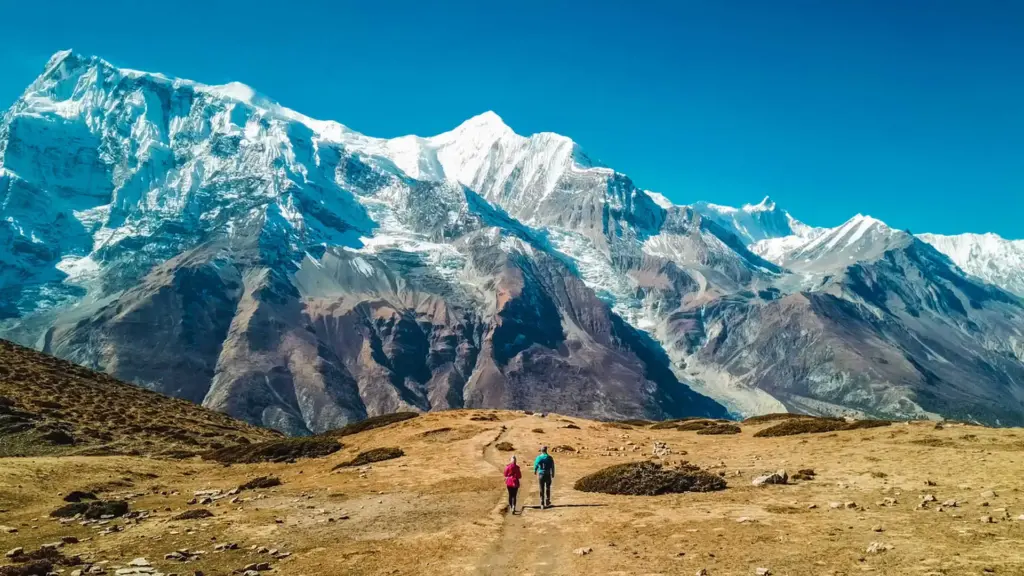
Autumn is the classic Annapurna Circuit trekking season, and for good reason. The monsoon has largely cleared the atmosphere, leaving cleaner skies and excellent mountain visibility. Temperatures are also comfortable for walking before winter’s deeper cold arrives.
September: Green and Getting Better
September sits on the edge of the monsoon season, so conditions can vary.
Early September may still bring rain, wet trails and cloudy mountain views. As the month progresses, rainfall generally decreases and conditions become more suitable for trekking.
The landscape is especially lush after the monsoon, and the trails are usually quieter than they are in October.
Best for: Trekkers who want greener landscapes and fewer crowds and can accept some weather uncertainty.
October: Best Overall
If you want the safest recommendation for the Annapurna Circuit, October is it.
The weather is generally stable, the skies are clear, and mountain visibility is excellent. Walking temperatures are comfortable during the day, while the higher elevations are cold but manageable with proper clothing.
Most importantly, October usually offers some of the most dependable conditions for crossing Thorong La Pass at 5,416 m.
The downside is popularity. October is peak season, so you’ll share the trail with more trekkers and may find popular teahouses busier.
Best for: First-time trekkers, clear mountain views and the most reliable overall conditions.
November: Clear but Colder
November continues to offer excellent visibility, particularly in the first half of the month. The major difference is temperature. Nights become noticeably colder as winter approaches, especially around Manang, Thorong Phedi and Muktinath.
Crowds also begin to thin compared with October.
If you want many of the benefits of autumn without quite as much traffic, November is an excellent alternative.
Best for: Clear views, fewer crowds and trekkers comfortable with colder nights.
Annapurna Circuit in Spring: March to May

Spring is the second major trekking season on the Annapurna Circuit. The weather becomes warmer, days get longer and the lower valleys come alive with rhododendron blooms.
The main compromise compared with autumn is visibility. As temperatures rise toward May, haze can become more noticeable, particularly at lower elevations.
March: Quiet but Still Wintery at Higher Elevations
March marks the transition from winter to spring. Lower sections of the circuit can be pleasant, but snow may still affect higher elevations, particularly around Thorong La.
Conditions can change quickly, so early March requires more flexibility than April.
Best for: Experienced trekkers who want quieter trails and don’t mind variable high-altitude conditions.
April: Best Spring Month
April is the best month in spring for most trekkers.
Temperatures are comfortable, rhododendrons are often in bloom, and the weather is generally suitable for long trekking days. The landscape has a completely different character from autumn, with colourful forests replacing the dry, crisp atmosphere of October.
Mountain visibility can be slightly less consistent than in autumn, but conditions are usually good enough to make April an excellent choice.
Best for: First-time trekkers, warmer temperatures and rhododendron blooms.
May: Warm but More Variable
May can still be a good month for the Annapurna Circuit, especially in the first part of the month.
Lower elevations become warmer, while pre-monsoon moisture gradually increases. Haze can also reduce distant mountain visibility.
If you are choosing between April and May, April generally offers the better balance.
Best for: Trekkers who prefer warmer temperatures and don’t mind less consistent views.
Annapurna Circuit in Winter: December to February

Winter is possible, but it changes the nature of the trek.
The trails are much quieter and the cold, dry air can produce beautiful mountain views. The major concern is snow around Thorong La. Heavy snowfall can make the pass difficult or temporarily impossible to cross.
January is generally the coldest part of the season, while December and February can offer slightly more manageable conditions depending on the year.
Winter trekking requires proper cold-weather equipment, additional flexibility and up-to-date information about the pass.
Best for: Experienced trekkers who are prepared for severe cold and possible changes to their itinerary.
Annapurna Circuit During Monsoon: June to August
The summer monsoon is generally the least favourable period for the classic Annapurna Circuit.
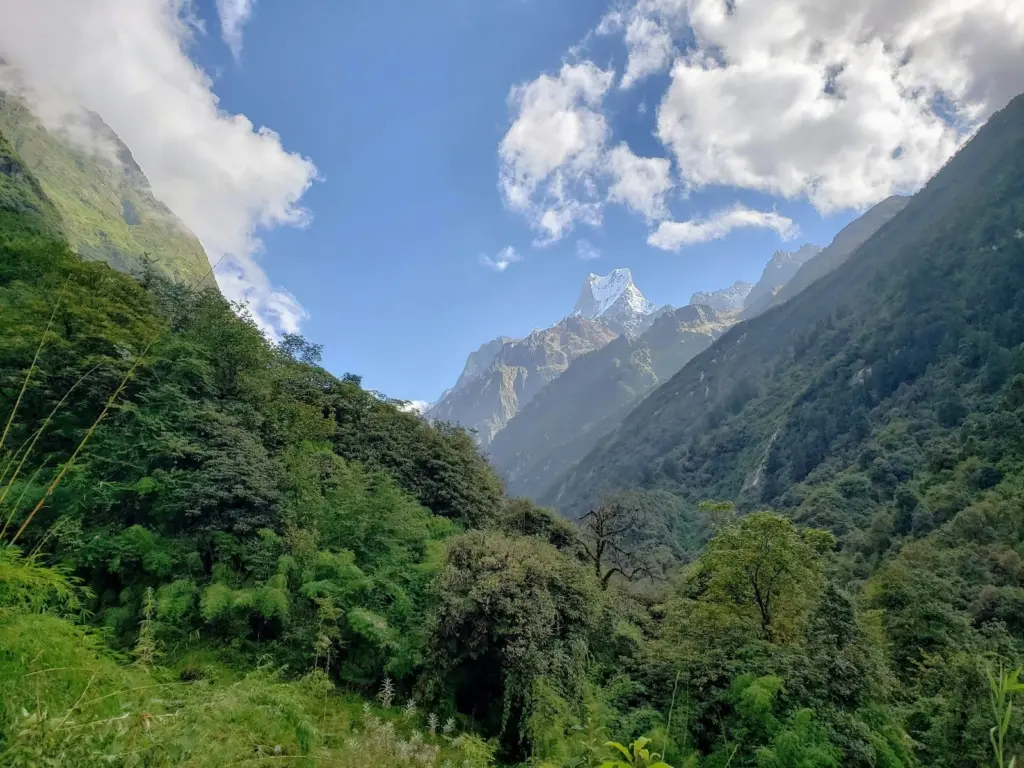
The lower sections can receive heavy rain, while muddy trails, leeches, landslides and swollen streams can make travel more difficult. Cloud cover can also hide the mountains for days at a time.
The Manang side lies partly in a rain shadow, so conditions are considerably drier there than on the lower, southern side of the circuit. That’s why the trek is still possible during monsoon for some experienced and flexible trekkers.
But if your main goal is clear mountain views and straightforward trail conditions, there are much better months.
Best for: Flexible trekkers who specifically want a quieter, less conventional experience.
Annapurna Circuit Month-by-Month
If you just want to compare the months quickly, here’s the practical version:
- January: Very cold; snow can make Thorong La difficult.
- February: Cold and quiet; high-pass conditions remain unpredictable.
- March: Spring begins, but snow is still possible around the pass.
- April: Best spring month for comfortable weather and flowers.
- May: Warm and increasingly hazy; early May is preferable.
- June: Monsoon begins; rain increases on the lower trail.
- July: Wet, cloudy and prone to trail disruptions.
- August: Similar to July, with monsoon conditions continuing.
- September: Rain starts easing; conditions improve toward the end of the month.
- October: Best overall month for weather, views and Thorong La.
- November: Clear and quieter, but increasingly cold.
- December: Cold and increasingly wintry, with possible snow at higher elevations.
Which Month Should You Choose?
The “best” month depends on what matters most to you.
For the best overall experience: Choose October.
You get the strongest combination of stable weather, clear views and reliable high-pass conditions.
For spring: Choose April.
It’s warmer, colourful and generally more comfortable than the colder start of spring.
For fewer crowds: Choose November or early spring.
You’ll trade some warmth and certainty for a quieter experience.
For photographers: Choose October or November for crisp mountain visibility, or April for rhododendrons and spring landscapes.
If you dislike cold: Choose April or May.
Temperatures are generally more comfortable than in late autumn and winter.
For experienced trekkers seeking a challenge: Winter can work, but only with appropriate gear, flexibility and current trail information.
What to Consider Before Fixing Your Dates

Weather isn’t the only thing that should influence your trekking dates.
Thorong La Conditions
Thorong La is the key factor when planning the Circuit. At 5,416 m, weather and snow conditions can change quickly.
Even if the lower trail looks perfect, conditions at the pass may be very different. Your guide or local trekking agency should check the latest conditions before crossing.
Crowds and Accommodation
October is the busiest month, so popular villages can feel crowded during peak periods. If you are travelling independently, booking accommodation ahead can make the trek easier.
November and spring generally offer a little more breathing room.
Your Itinerary
The road has changed how many people complete the Annapurna Circuit. Trekkers can now drive farther into the route, reducing the number of walking days compared with older itineraries.
That doesn’t mean you should rush the trek.
Altitude remains the same regardless of how far the road takes you. Build your itinerary around sensible acclimatisation rather than simply trying to complete the Circuit in the fewest possible days.
A Buffer Day
Even in October, don’t make your itinerary so tight that one bad-weather day ruins your plans.
A spare day gives you room to deal with weather, transport delays, slower walking or unexpected conditions around Thorong La.
Ready to Choose Your Dates?
For most trekkers, the decision is simple: October for the best overall conditions, or April for the best spring experience. If those months don’t fit your schedule, November and May can still offer rewarding alternatives, while winter and monsoon require more flexibility.
Once you’ve chosen your month, the next step is matching your itinerary, acclimatisation days and permits to the conditions you’ll encounter on the trail.
Explore the Annapurna Circuit Trek with Hi Nepal Travels and Treks, or get in touch to plan dates around your schedule and trekking experience.
-
What is the best month for the Annapurna Circuit?
October is generally the best month. It combines stable weather, clear mountain views, comfortable daytime temperatures and reliable conditions around Thorong La.
-
Is spring or autumn better for the Annapurna Circuit?
Autumn is usually better for clear skies and dependable conditions. Spring is the better choice if you want warmer weather and rhododendron blooms. April is the strongest spring month.
-
Can you trek the Annapurna Circuit in winter?
Yes, but winter brings much colder temperatures and a greater risk of snow affecting Thorong La. It is better suited to experienced trekkers with appropriate equipment and flexible itineraries.
-
Is the Annapurna Circuit open during monsoon?
The trek can be done during monsoon, particularly on the drier Manang side, but the lower sections can experience heavy rain, landslides and poor visibility. For most trekkers, autumn or spring is a better choice.
-
When is Thorong La easiest to cross?
October and November are generally the most reliable months for crossing Thorong La because of more stable weather and lower snow-related risk compared with winter and early spring.
-
What is the weather like on the Annapurna Circuit?
Weather varies by altitude. Lower regions are warmer and greener, while higher elevations experience cold temperatures, snow, and strong winds. Choosing the right season is crucial for safe trekking and clear mountain views.
-
What accommodation is available during the trek?
Accommodation consists mainly of teahouses and lodges, offering basic but comfortable rooms and meals. Facilities become simpler at higher altitudes.
-
Can I do the Annapurna Circuit Trek in winter or monsoon?
Yes, but it’s not ideal. Winter brings heavy snow at high passes, while monsoon causes rain and landslides. These seasons are best suited for experienced trekkers with flexible schedules.