
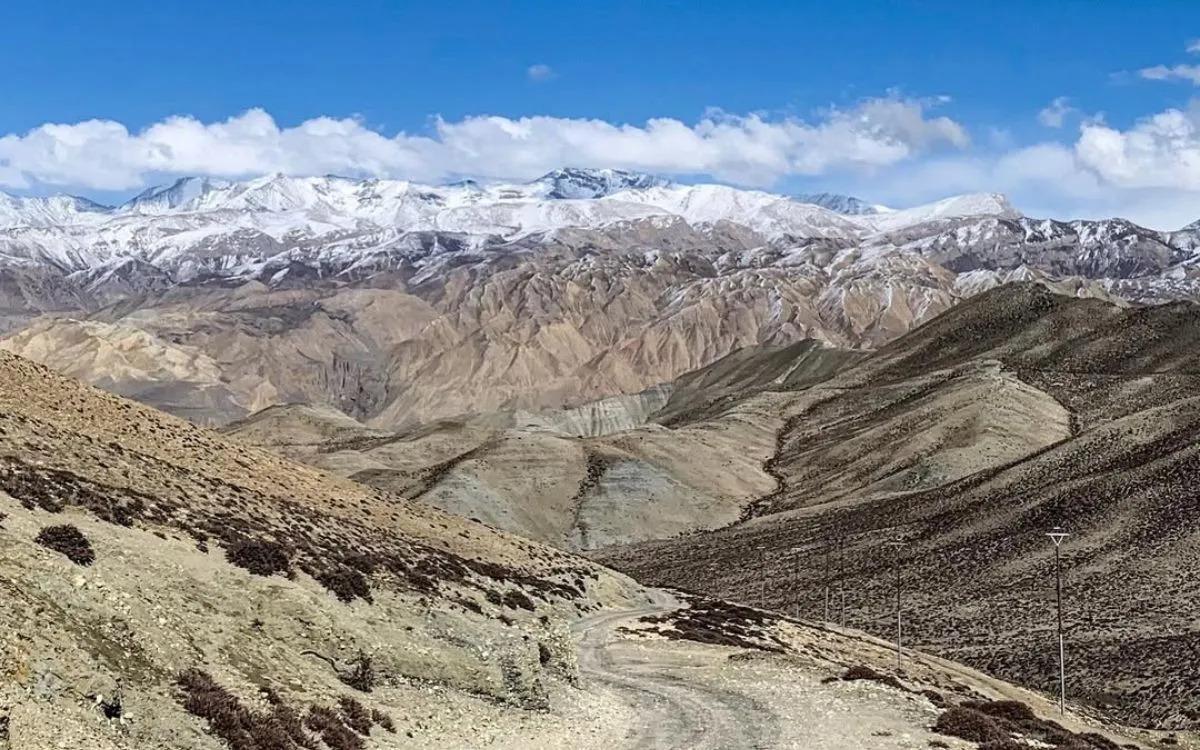
The Upper Mustang Trek is generally considered a moderate-to-challenging trek in Nepal. You do not need technical climbing skills or previous mountaineering experience, but you should be prepared for several hours of walking each day, rocky trails, strong winds and elevations above 3,000 meters.
Unlike some popular Himalayan treks, Upper Mustang is not defined by a single extremely high destination. Its difficulty comes from the combination of altitude, repeated ascents and descents, dry terrain and consecutive walking days.
Road access has also changed the trekking experience. Vehicles can reach Lo Manthang, allowing travelers to combine walking with driving. However, traditional trails and unpaved sections remain, particularly farther into the region.
For reasonably fit travelers, Upper Mustang is achievable with proper preparation, gradual acclimatization and a well-planned itinerary. Here is what to expect before deciding whether this trek suits your fitness level.
Upper Mustang Trek Difficulty at a Glance
| Difficulty factor | What to expect |
|---|---|
| Overall difficulty | Moderate to challenging |
| Technical climbing | Not required |
| Daily walking | Usually 5–7 hours on trekking days |
| Terrain | Rocky trails, gravel, dusty paths and jeep tracks |
| Typical destination altitude | Lo Manthang, approximately 3,840 m |
| Highest elevations | Some routes cross passes above 4,000 m |
| Main physical challenge | Sustained walking at altitude |
| Weather | Dry conditions, cold mornings and strong winds |
| Previous experience | Helpful but not essential |
The difficulty depends on your chosen route. A traditional trekking itinerary involves more walking than a jeep-supported tour, while extended routes and side trips can add longer days.
Why Is Upper Mustang Considered a Moderate Trek?
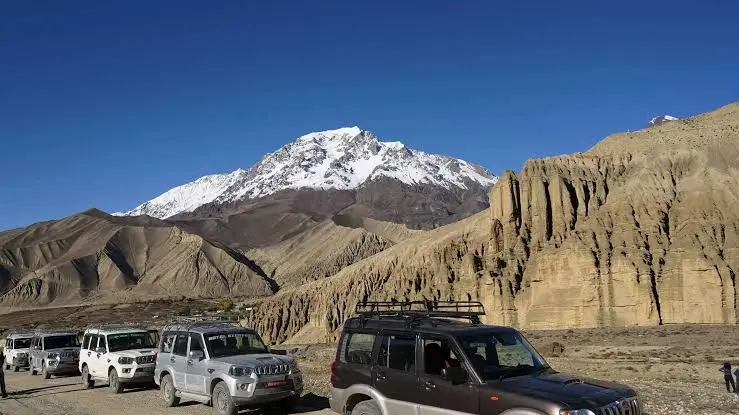
The standard route to Lo Manthang follows established village paths, rocky trails and sections alongside the road network. There is no technical climbing involved, making it accessible to many travelers who have prepared physically.
However, the trek still requires endurance. Lo Manthang sits at approximately 3,840 meters, and some commonly used routes cross passes above 4,000 meters. At these elevations, walking uphill can feel harder than it would at lower altitudes.
The landscape also presents its own challenges. Much of Upper Mustang consists of dry valleys, exposed plateaus, rocky slopes and dusty trails. Afternoon winds can make walking uncomfortable, while loose stones can make descents tiring.
Road development has made transportation more flexible, but it has not removed these challenges from the traditional trekking routes.
The main difficulty is sustaining your energy across several days, rather than overcoming a single technical obstacle.
What Makes the Upper Mustang Trek Difficult?
1. Altitude and Elevation Gain
Altitude is one of the most important factors affecting the Upper Mustang Trek. Although Lo Manthang is lower than the main destinations on some other Himalayan treks, much of the route remains above 3,000 meters.
As elevation increases, the reduced availability of oxygen can make ordinary physical activity feel more demanding. You might notice that you become tired more quickly, breathe harder while climbing or need more frequent breaks.
Some route variations cross passes such as Nyi La, at approximately 4,010 meters. These sections can feel challenging, particularly if you are not accustomed to high-altitude walking.
Gradual ascent, sensible pacing and sufficient time to adjust to the elevation are essential. Remember that physical fitness does not prevent altitude sickness.
2. Rocky Trails and Uneven Terrain
Upper Mustang is not a uniformly smooth walking route. You will encounter gravel, loose stones, dry riverbeds, dusty paths and uneven village trails.
These surfaces require more attention than flat walking paths. Descending over loose stones can be particularly tiring because you must maintain your balance while controlling your steps.
Some sections also run alongside unpaved jeep tracks. Travelers who prefer traditional trails should discuss route options with their trekking agency before departure.
Good trekking boots with reliable grip and trekking poles can make uneven sections easier to manage.
3. Long Walking Days
Many itineraries involve approximately five to seven hours of walking on trekking days, although the duration varies according to the route, elevation gain and walking pace.
A day covering 10 kilometers on relatively gentle terrain is very different from a day involving repeated climbs and descents at 3,500 meters.
The accumulated fatigue can also make the later stages harder. Even if you feel comfortable during the first few days, your legs may become tired after several consecutive days of walking.
A realistic itinerary should allow time for breaks, meals and changes in walking pace rather than assuming that every section can be completed quickly.
4. Strong Winds and Dry Weather
Upper Mustang lies in the rain shadow of the Annapurna and Dhaulagiri ranges, making it considerably drier than many other parts of Nepal.
However, dry weather does not always mean comfortable trekking conditions. Strong afternoon winds, dust, intense sunlight and cold mornings can affect your energy and comfort.
Starting early can help you complete longer sections before the winds become stronger. Sunglasses, sunscreen, a windproof jacket and a face covering are also useful.
5. Remoteness and Basic Facilities
Accommodation and food are available along the established route, particularly in larger settlements such as Kagbeni and Lo Manthang. However, facilities can become more basic in smaller villages.
You should be prepared for simple lodges, variable hot-water availability and inconsistent internet or mobile connectivity.
Medical facilities are also limited compared with those in Kathmandu or Pokhara. This makes preparation, local guidance and a plan for responding to altitude-related problems particularly important.
Upper Mustang Trek Difficulty by Route Section
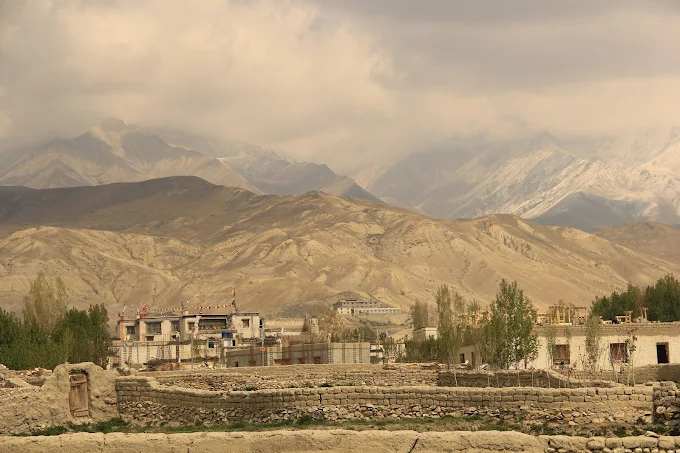
The traditional route toward Lo Manthang gradually takes you from the Kali Gandaki Valley into higher, drier landscapes. The following ratings are approximate because walking times and trail choices vary between itineraries.
| Route section | Typical difficulty | Main challenge |
|---|---|---|
| Jomsom to Kagbeni | Easy to moderate | Initial altitude exposure |
| Kagbeni to Chele | Moderate | Gradual climb and rocky terrain |
| Chele to Syangboche | Challenging | Repeated climbs and high passes |
| Syangboche to Ghami | Moderate to challenging | High-altitude crossing and descent |
| Ghami to Tsarang | Moderate | Mixed ascents and descents |
| Tsarang to Lo Manthang | Moderate | Sustained walking at altitude |
The sections around Chele, Syangboche and the higher passes can feel more demanding because of the elevation changes and exposed terrain.
The return journey also requires planning. Depending on the route, you may encounter long walking days or additional ascents and descents. Extended itineraries through places such as Yara and Tange can be more demanding than the classic route to Lo Manthang.
These ratings are practical guidance rather than an official grading system. Weather, fitness, altitude response and itinerary design all affect how difficult each day feels.
Is Upper Mustang Harder Than Other Nepal Treks?
Upper Mustang is generally less demanding in terms of maximum altitude than the Everest Base Camp Trek or Annapurna Circuit. However, it is not necessarily easier for every traveler.
| Trek | General difficulty | Main challenge |
|---|---|---|
| Upper Mustang | Moderate to challenging | Wind, altitude and sustained walking |
| Annapurna Circuit | Moderate to challenging | Thorong La Pass and higher altitude |
| Everest Base Camp | Moderate to challenging | Higher altitude and acclimatization |
| Mardi Himal | Moderate | Steep trails and altitude |
| Ghorepani Poon Hill | Easy to moderate | Stone steps and uphill walking |
The Everest Base Camp Trek reaches higher elevations, while the Annapurna Circuit involves crossing Thorong La Pass at approximately 5,416 meters. These routes generally present greater altitude-related demands.
Upper Mustang offers a different challenge: long walking days across dry, exposed terrain, with high passes on some itineraries.
If this is your first Himalayan trek, Ghorepani Poon Hill is usually an easier starting point. However, a reasonably fit beginner can complete Upper Mustang with adequate preparation and a sensible itinerary.
What Fitness Level Do You Need for Upper Mustang?
You do not need to be an athlete to complete the Upper Mustang Trek. A moderate level of general fitness, combined with consistent preparation, is usually a reasonable starting point for the standard route.
Before departure, aim to become comfortable with:
- Walking approximately 8–12 kilometers in a day.
- Hiking uphill and downhill on uneven terrain.
- Staying active for several consecutive days.
- Carrying a light daypack.
- Maintaining a steady pace for several hours.
- Managing stairs, inclines and rocky descents without excessive fatigue.
Previous hiking experience is helpful, but it is not essential. What matters is preparing your body for sustained activity rather than relying on occasional intense workouts.
How to Prepare for the Trek
If you are not already hiking regularly, allow around 8–12 weeks to build your endurance.
Start with brisk walking, cycling or other cardiovascular exercise. Gradually increase the duration of your weekend walks and introduce uphill terrain or stair climbing.
Strength training can also help. Focus on exercises such as squats, step-ups, lunges and calf raises to prepare your legs for repeated climbs and descents.
During the final weeks, try walking on two consecutive days to experience how your body feels when you are not completely rested.
Use your trekking boots and daypack during training so you can identify discomfort before departure.
You do not need to train for speed. Your goal is to walk steadily, recover well and remain comfortable across multiple trekking days.
Is Upper Mustang Suitable for Beginners, Older Trekkers and Families?
Beginners
Yes, beginners can complete the standard Upper Mustang Trek if they have reasonable fitness and choose an appropriate itinerary.
However, road access should not create the impression that the region is an easy sightseeing destination. Walking at altitude for several consecutive days remains physically demanding.
If you are new to trekking, avoid rushing the itinerary. Consider a porter if carrying a heavy backpack would make walking difficult.
Older Trekkers
Age alone does not determine whether someone can complete Upper Mustang. Walking ability, general fitness, joint health and tolerance for altitude are more useful considerations.
Older travelers may benefit from shorter walking days, additional rest and a porter. Those with existing medical conditions should discuss the demands of high-altitude travel with a qualified healthcare professional before departure.
Families With Children
Families may be able to complete Upper Mustang with suitable planning, but children need an itinerary appropriate to their stamina and experience.
Parents should monitor children carefully for altitude-related symptoms, particularly because younger children may struggle to explain how they feel.
A private itinerary with flexible walking days and vehicle transfers where practical can make the journey more manageable.
How Does the Season Affect Trek Difficulty?
Upper Mustang is unusual because its rain-shadow location makes trekking possible during Nepal’s monsoon season. Nevertheless, temperatures, wind and trail conditions change throughout the year.
- Spring (March–May): Generally comfortable for trekking, although early spring can be cold and afternoon winds are possible.
- Summer/monsoon (June–August): Upper Mustang is relatively dry, but dust, strong winds and conditions on approach roads can affect travel.
- Autumn (September–November): Often offers stable weather, clear views and comfortable walking conditions.
- Winter (December–February): Cold temperatures, possible snow on higher passes and reduced services can make trekking more challenging.
For many travelers, spring and autumn provide the most comfortable conditions. If you plan a winter trek, you will need suitable cold-weather equipment and a flexible itinerary.
Check the best time to trek Upper Mustang before choosing your travel dates.
Does Road Access Make Upper Mustang Easier?
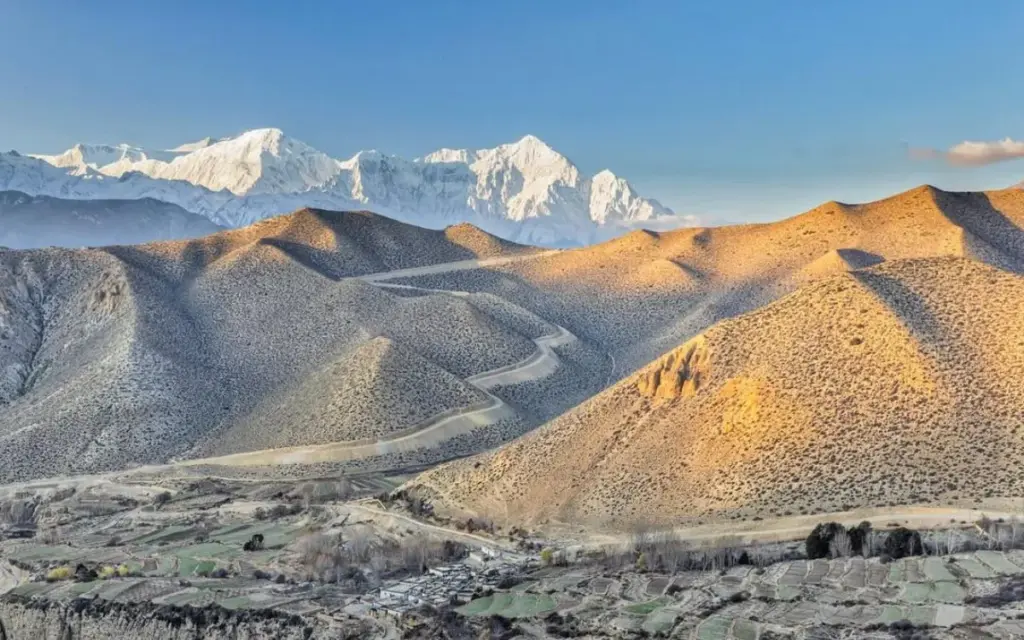
Yes, road access can reduce some of the logistical and physical demands of traveling through Upper Mustang.
Vehicles can reach Lo Manthang, and transfers can shorten certain walking sections. Depending on road conditions and the itinerary, this flexibility can be particularly useful for families, older travelers or people who want to combine trekking with sightseeing.
However, Upper Mustang is not fully paved. Traditional trails, rough jeep tracks and exposed walking sections remain, especially farther north.
A jeep tour and a trekking itinerary are also different experiences. A jeep tour prioritizes road travel, while a trek involves walking through the landscape and villages.
If you want to reduce walking without giving up the experience entirely, consider a customized itinerary with strategic vehicle transfers. You can discuss options through the Upper Mustang tour page.
Do You Need a Guide or Porter?
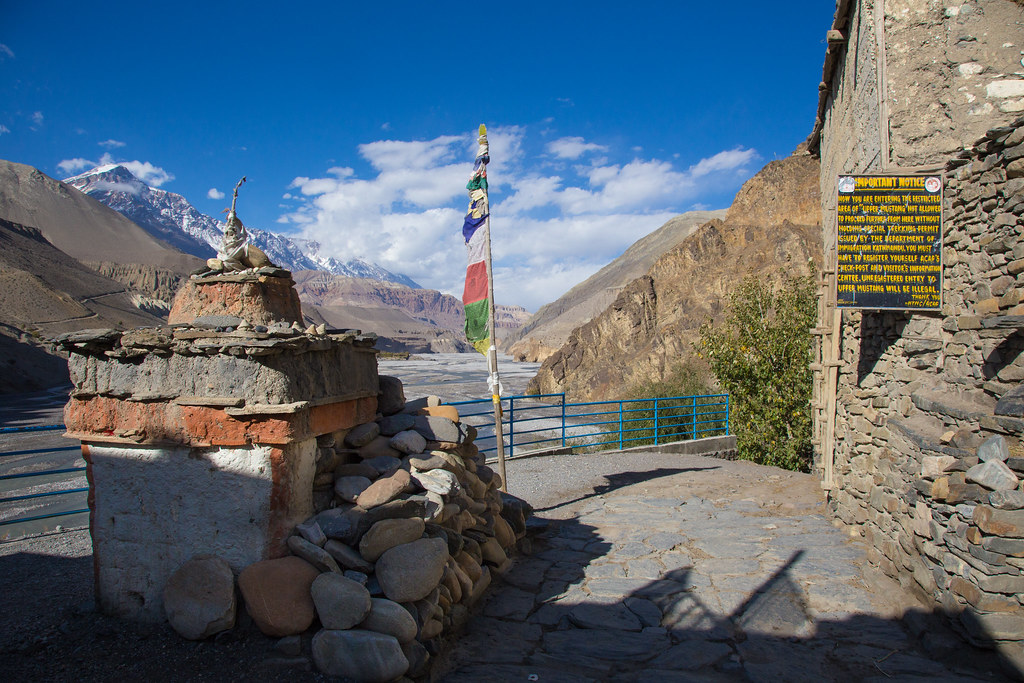
Foreign trekkers entering Upper Mustang’s restricted area must follow the applicable permit and guided-trekking requirements. Confirm the current rules with a registered trekking agency before departure.
A guide helps with route decisions, local arrangements, cultural etiquette and coordination if weather or road conditions change. Local support is especially useful in remote areas where services and communication can be limited.
A porter is not essential for everyone, but carrying less weight can make a noticeable difference at altitude. You can keep a small daypack with water, snacks, warm layers and personal essentials while your main luggage is carried separately.
How to Make the Upper Mustang Trek Easier
A few practical decisions can reduce unnecessary fatigue and help you enjoy the journey.
- Choose a realistic itinerary: Avoid squeezing too many walking hours into a short trip.
- Ascend gradually: Give your body time to adjust to increasing elevation.
- Walk at a steady pace: Do not rush to keep up with faster trekkers.
- Start early when practical: This can help you avoid stronger afternoon winds.
- Carry suitable equipment: Use broken-in boots, layered clothing, sun protection and trekking poles if helpful.
- Stay hydrated and eat regularly: Upper Mustang’s dry climate can make fluid loss easy to overlook.
- Take altitude symptoms seriously: Stop ascending and seek appropriate assistance if symptoms develop or worsen.
Headache, nausea, dizziness and unusual fatigue can be signs of acute mountain sickness. If symptoms worsen, descending to a lower altitude may be necessary. Severe symptoms, including confusion or difficulty walking straight, require urgent medical attention and immediate descent with assistance.
Good preparation reduces avoidable strain, but it cannot eliminate altitude-related risks.
Is the Upper Mustang Trek Right for You?
The Upper Mustang Trek is a good option if you want to explore Nepal’s distinctive landscapes, traditional settlements and Tibetan-influenced culture without technical climbing.
It is achievable for many reasonably fit travelers, including beginners who prepare properly. However, you should be comfortable with several hours of walking, uneven terrain, changing weather and elevations above 3,000 meters.
If you prefer a less physically demanding experience, a jeep tour may suit you better. If walking through traditional trails is a priority, choose an itinerary that allows sufficient time for trekking and acclimatization.
Ultimately, Upper Mustang is less about exceptional physical strength and more about preparation, pacing and adapting to altitude. Choose your itinerary according to your fitness and travel goals, and you will be better prepared to enjoy the region.
Frequently Asked Questions
Is Upper Mustang harder than Everest Base Camp?
Everest Base Camp generally involves greater altitude exposure, while Upper Mustang presents challenges from wind, dry terrain and sustained walking. The more difficult trek depends on your itinerary, fitness and response to altitude.
Can a beginner complete the Upper Mustang Trek?
Yes. Beginners with reasonable fitness can complete the standard route if they train beforehand, ascend gradually and allow enough time for the journey.
What is the highest point on the Upper Mustang Trek?
Lo Manthang is approximately 3,840 meters above sea level. Some route variations cross passes above 4,000 meters, so the highest point depends on your itinerary.
How many hours do you walk each day?
Many standard itineraries involve around five to seven hours of walking on trekking days. Longer routes, side trips and changes in terrain can increase the duration.
Is Upper Mustang difficult in winter?
Winter is generally more challenging because of freezing temperatures, possible snow on higher passes and reduced services. Suitable equipment and a flexible itinerary are essential.
Can you avoid walking on jeep roads?
Traditional footpaths remain available on many sections, depending on the route. Discuss your preference with your trekking agency so the itinerary can prioritize traditional trails where practical.
Do you need a porter for Upper Mustang?
No, not everyone needs one. However, a porter can reduce physical strain by carrying your main luggage, allowing you to walk with a lighter daypack.