
Dolpo Region
Dolpo Region: Best Remote Trekking in Nepal
The Dolpo region in northwestern Nepal is widely recognized as one of the last truly remote trekking destinations in the Himalayas. Trekkers looking for off-the-beaten-path adventures in Nepal often choose Dolpo for its untouched landscapes, cultural authenticity, and high-altitude trekking experiences. Unlike more popular trekking regions like Everest or Annapurna, a Dolpo trek in Nepal offers peace, solitude, and raw natural beauty, ideal for travelers seeking exclusive Himalayan adventures.
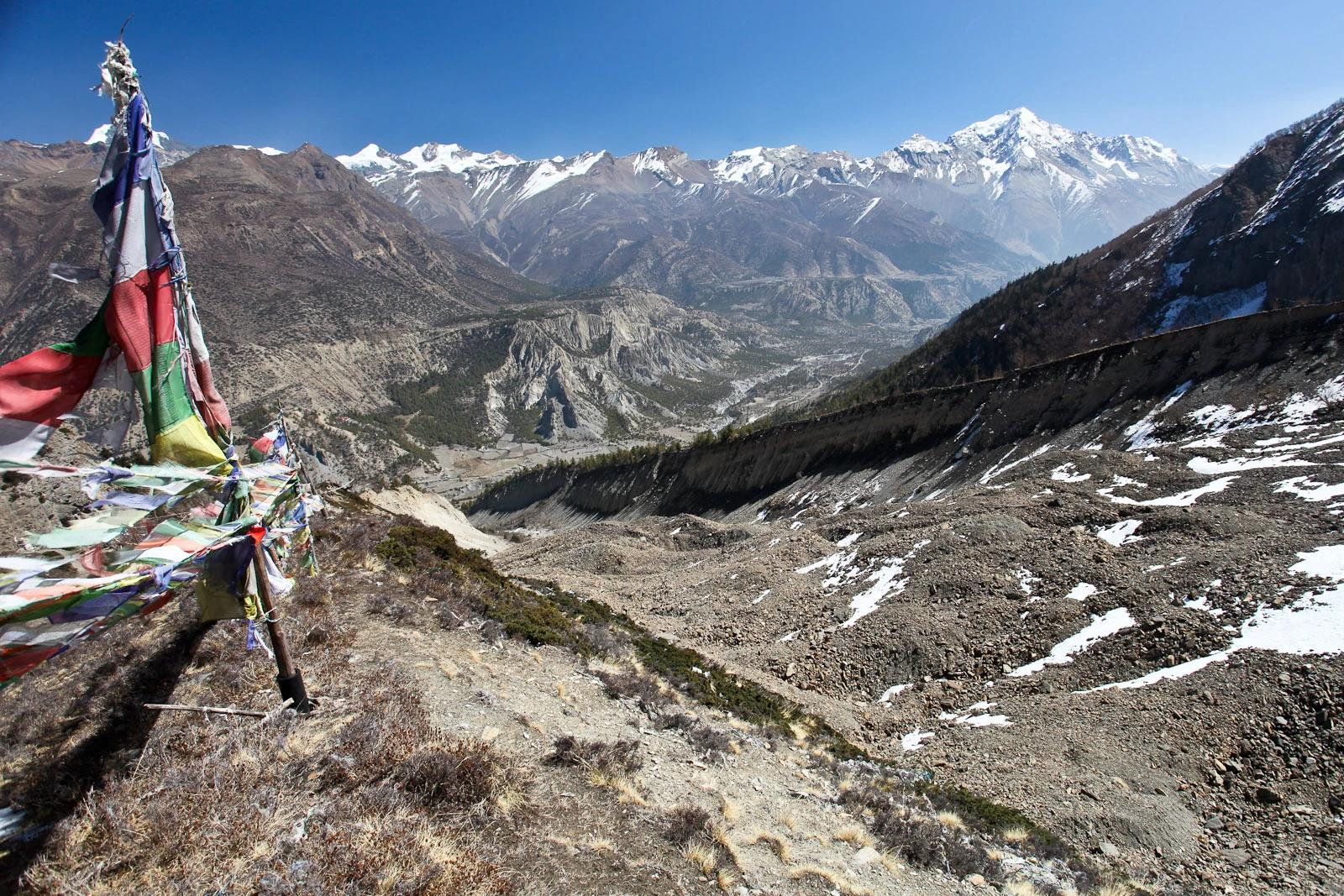
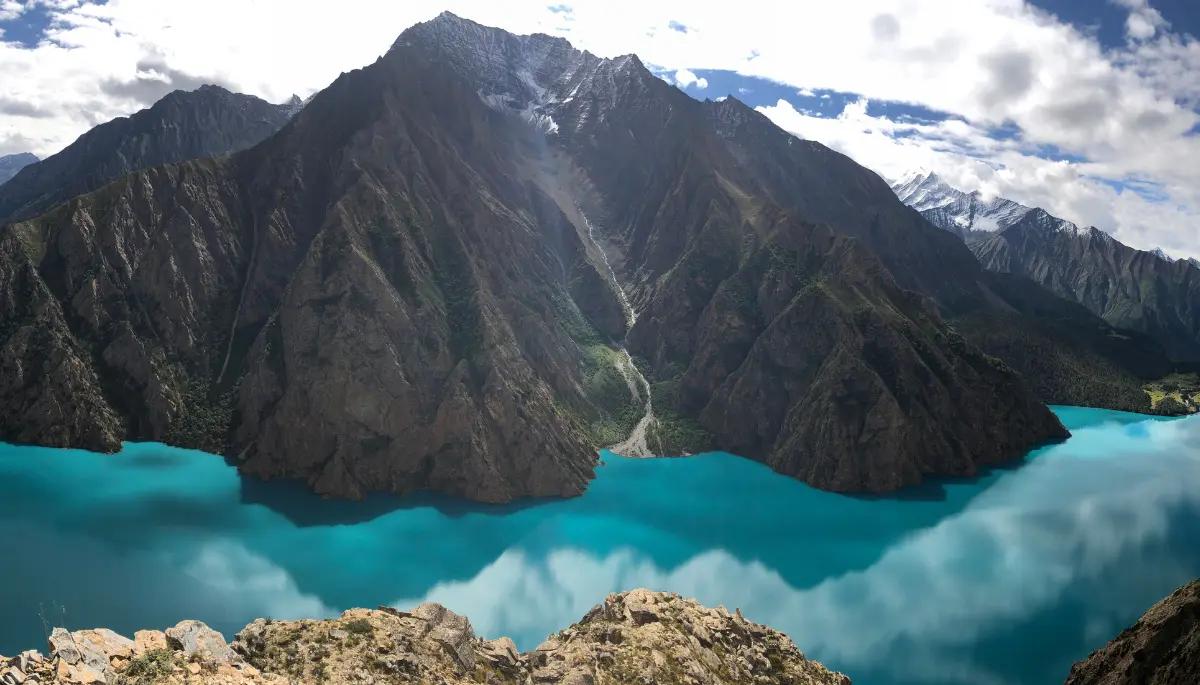
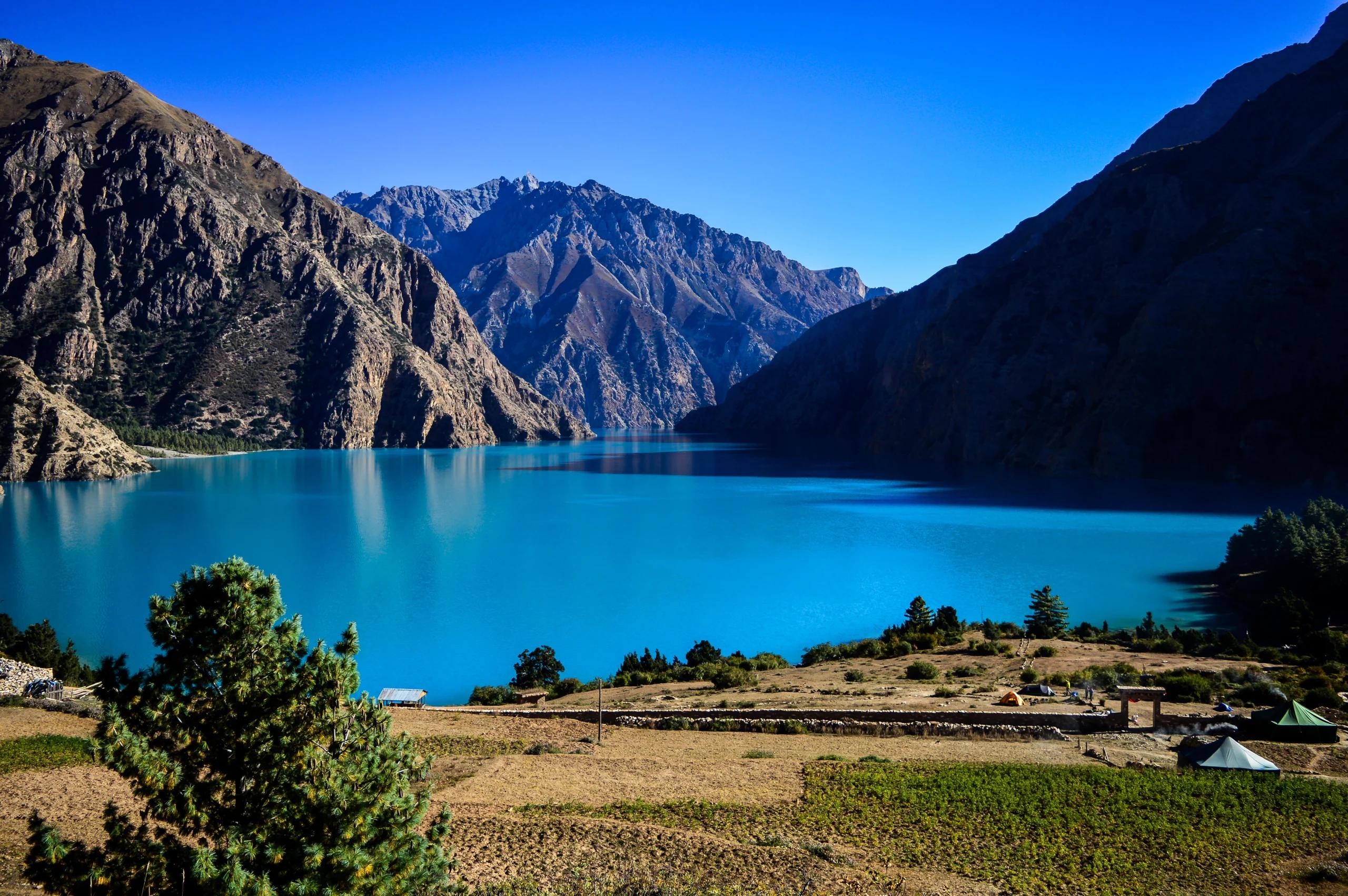
Opened to foreigners only in 1989, Dolpo has remained remarkably preserved. Traditional yak caravans still cross high mountain passes along centuries-old salt trade routes, giving trekkers a glimpse into a lifestyle that has changed very little over the years. The region is famous for the Shey Phoksundo National Park, Nepal’s largest national park, which is home to pristine turquoise Phoksundo Lake (3,611 meters / 11,840 feet), the Trans-Himalayan plateau, and sacred peaks like Crystal Mountain. With passes such as Kang La (5,360 meters / 17,585 feet) and Numa La (5,310 meters / 17,414 feet), Dolpo trekking is ideal for experienced and adventure-focused trekkers who want a challenging yet rewarding journey in Nepal.
Dolpo is not just a trek; it is a cultural and spiritual experience. The region is one of the few places where the ancient Bon religion thrives alongside Tibetan Buddhism, offering a rare chance for cultural immersion in a high-altitude Himalayan region. Historic sites like the 800-year-old Shey Gompa and remote villages such as Dho Tarap allow trekkers to witness traditional stone-built homes, handwoven chubas, and centuries-old local customs. Festivals, rituals, and daily life provide a living insight into one of the most culturally rich and untouched regions of Nepal.
For wildlife enthusiasts, Dolpo is a Himalayan sanctuary hosting rare species like the snow leopard, blue sheep (Bharal), and Himalayan musk deer. Its rain-shadow location also makes Dolpo one of the few regions in Nepal suitable for monsoon trekking (June to August), providing dry trails and green alpine scenery when other regions are wet.
Key trekking facts for travelers searching for Dolpo trekking in Nepal include:
-
Location: Karnali Province, northwestern Nepal
-
Best Season: April to November for clear weather, stable trails, and panoramic views
-
Difficulty Level: Strenuous to extreme, requiring fitness, endurance, and proper acclimatization
-
Permits Required: Restricted Area Permit (RAP) with minimum two trekkers
-
Trekking Style: Expedition-style in Upper Dolpo; simple lodges in Lower Dolpo.
Why Dolpo Trekking Stands Out: Nepal’s Most Unique Himalayan Adventure
-
Escape the Crowds:
Unlike the popular Everest and Annapurna trekking regions, Dolpo sees fewer than 1,000 visitors annually, making it a truly off-the-beaten-path trekking destination in Nepal. Experience complete solitude, follow expedition-style trails, and immerse yourself in pristine Himalayan wilderness. This is trekking for travelers who want an authentic adventure away from crowded trails. -
Authentic Tibetan Culture:
Dolpo is home to the ancient Bon-Po religion and the nomadic Dolpa-pa people, preserving centuries-old traditions that are rare in modern times. Explore high-altitude villages and witness the historic Himalayan Caravan trade routes, where locals still trade salt and grain across remote mountain passes, offering a unique cultural experience for every trekker. -
Otherworldly Landscapes:
The region’s Trans-Himalayan rain shadow creates dramatic, cinematic landscapes, from windswept deserts and deep gorges to the turquoise beauty of Shey Phoksundo Lake. Located within Shey Phoksundo National Park, Nepal’s largest, Dolpo offers vast, untouched wilderness that feels like stepping into another world. -
Spiritual Significance:
Considered a sacred Beyul (hidden land), Dolpo is a spiritual heartland for locals and pilgrims alike. Highlights include Crystal Mountain, known as the “Kailash of Dolpo,” and ancient monasteries like Shey Gompa, home to centuries-old murals and relics. Every trek in Dolpo is not just an adventure but also a journey through a living spiritual landscape.
Quick Comparison
-
Trail Traffic: Extremely low (high solitude) versus Everest/Annapurna (highly crowded)
-
Accommodation: Basic teahouses and camping versus luxury lodges and developed teahouses
-
Landscape: High-altitude deserts and deep gorges versus alpine forests and snowy peaks
-
Culture: Bon and Tibetan traditions versus modern Sherpa and Gurung influences
-
Vibe: Raw, spiritual expedition versus commercialized adventure
Why Dolpo Is Special
Trekking in Dolpo is more than reaching a destination. It is a journey through a hidden Himalayan kingdom, offering remote wilderness, rare wildlife encounters, ancient culture, and profound spiritual experiences. Dolpo is perfect for trekkers seeking a truly authentic Nepal trekking adventure, away from the crowds and into the heart of the Himalayas.
Explore the Best Dolpo Trekking Routes with Hi Nepal Treks
At Hi Nepal Treks, we create unforgettable journeys to Nepal’s most remote Himalayan regions. Our Dolpo trekking routes immerse travelers in high-altitude deserts, turquoise glacial lakes, dramatic gorges, and ancient spiritual sites. Whether you want a long expedition into untouched wilderness or a shorter scenic trek, Dolpo offers a truly unique adventure.
-
Upper Dolpo Trek – 25 Days
The Upper Dolpo Trek is a challenging 25-day expedition into the most remote corners of Nepal. Known as the “forbidden kingdom,” this trek takes you to regions rarely visited by outsiders, allowing a true off-the-beaten-path trekking experience.
Scenic Places:
-
Kang La Pass and Saldang La Pass with panoramic views of the Kanjiroba and Dhaulagiri ranges
-
Shey Gompa monastery at the base of Crystal Mountain
-
Arid high-altitude plateaus resembling the Tibetan highlands
-
Deep gorges and valleys along ancient yak caravan trade routes
Highlights:
-
Visit the 800-year-old Shey Gompa, exploring Bon-Po and Tibetan Buddhist culture
-
Trek alongside traditional yak caravans following centuries-old trade routes
-
Experience complete solitude in pristine wilderness
Duration: 25 days
Difficulty: Strenuous, requiring high physical fitness
Who It’s For: Adventurers seeking a long, culturally rich, and physically challenging trek
2. Lower Dolpo Trek – 8 Days
The 8-day Lower Dolpo Trek is perfect for travelers seeking a short, accessible trek while still enjoying Dolpo’s culture and natural beauty.
Scenic Places:
-
Sulighad Valley with lush forests and alpine landscapes
-
Dunai, the administrative hub of the region
-
Traditional stone-walled villages and local architecture
Highlights:
-
Interact with locals practicing Bon-Po and Tibetan traditions
-
Experience moderate off-the-beaten-path trekking
-
Explore the valleys and forests of lower Dolpo
Duration: 8 days
Difficulty: Moderate, suitable for most trekkers
Who It’s For: Travelers short on time but wanting a genuine Dolpo trekking experience
3. Shey Phoksundo Lake Trek – 12 Days
The 12-day Shey Phoksundo Lake Trek is a scenic and spiritual journey, focusing on Nepal’s deepest and most turquoise lake.
Scenic Places:
-
Phoksundo Lake with turquoise waters surrounded by snow-capped peaks and alpine forests
-
Ringmo village, where locals still practice the pre-Buddhist Bon religion
-
One of Nepal’s highest waterfalls
-
Trails through Shey Phoksundo National Park with wildlife, forests, and dramatic landscapes
Highlights:
-
Moderate trekking with breathtaking views and cultural immersion
-
Explore remote villages and ancient monasteries
-
Witness unique Himalayan landscapes and spiritual sites
Duration: 12 days
Difficulty: Moderate, suitable for trekkers of average fitness
Who It’s For: Nature enthusiasts, photographers, and trekkers seeking scenic and culturally rich experiences
Shey Phoksundo National Park: The Soul of Dolpo
At the heart of the Dolpo region lies Shey Phoksundo National Park, Nepal’s largest and most rugged conservation area. Spanning 3,555 square kilometers, the park is a sanctuary for some of the world’s rarest wildlife and cultural treasures. For trekkers, it represents a pristine wilderness where nature and ancient human traditions exist in perfect harmony, offering a truly off-the-beaten-path trekking experience in Nepal.
Rich Biodiversity and Rare Wildlife
Shey Phoksundo National Park is a critical stronghold for Dolpo biodiversity, providing habitats for species that are rare or vanished elsewhere:
-
Snow Leopard: Known as the “Ghost of the Mountains,” this elusive predator thrives in the park’s high-altitude terrain.
-
High-Altitude Herbivores: Spot herds of Blue Sheep (Bharal) grazing on steep rocky slopes, the main prey for snow leopards. You may also encounter Himalayan Musk Deer, Himalayan Tahr, and Tibetan Wolves.
-
Unique Flora: The landscape transitions from lush blue pine, spruce, and hemlock forests in the south to the arid Trans-Himalayan scrub in the north, where medicinal herbs like Yarsagumba are found.
A Landscape of Extremes
The park’s dramatic geography is as breathtaking as it is challenging for trekkers:
-
Deep Valleys and High Passes: Navigate some of the world’s deepest river gorges carved by the Langu and Suligad rivers, and cross formidable passes like Kang La and Numa La, both above 5,000 meters.
-
Phoksundo Lake: This Y-shaped turquoise lake is the crown jewel of the park. As Nepal’s deepest lake (145 meters), its crystal-clear waters reflect the surrounding Kanjiroba Himal peaks. The lake is biologically “dead,” creating an eerily perfect mirror surface.
The Human Element: Ancient Villages and Monasteries
What makes Shey Phoksundo National Park truly special is its living culture:
-
Ringmo Village: A traditional Tibetan-style settlement on the edge of Phoksundo Lake, featuring flat-roofed stone houses and fluttering prayer flags, offering a warm welcome to travelers.
-
Shey Gompa: Often called the spiritual heart of Upper Dolpo, this 11th-century monastery sits at the base of Crystal Mountain and remains a vital center for the Bon-Po and Tibetan Buddhist faiths.
Trekking through Shey Phoksundo National Park is more than a physical challenge—it’s a journey through a living museum of the Himalayas, where every trail offers a deeper understanding of how life thrives in one of the most remote corners of the world.
Best Season for Dolpo Region Trekking
Spring (March – May)
Spring in Dolpo marks the gradual awakening of the region. Early March may still have snow along the trails, but by mid-April, trekking paths become stable and accessible. This season is ideal for travelers who want to witness blooming landscapes and active wildlife.
Highlights:
-
Excellent morning visibility with occasional light afternoon haze.
-
Spot wildlife like Blue Sheep in lower valleys.
-
Enjoy vibrant rhododendron forests in Lower Dolpo.
-
Moderate temperatures make trekking comfortable.
Summer / Monsoon (June – August)
Dolpo lies in a natural rain shadow, so even during the monsoon, Upper Dolpo remains mostly dry. While lower valleys like Juphal and Dunai may receive occasional rain, the high-altitude desert turns a brief emerald green, creating a unique trekking experience.
Key Points:
-
Dry conditions in Upper Dolpo despite the monsoon.
-
Lush green landscapes at high altitudes.
-
Flight cancellations at Juphal are more common—plan 2–3 extra buffer days.
-
Fewer trekkers, so enjoy a more secluded experience.
Autumn (September – November)
Autumn is considered the best season for Dolpo trekking. Trails are firm, skies are clear, and visibility is at its peak, offering breathtaking views of Shey Phoksundo Lake, Crystal Mountain, and surrounding peaks.
Why Autumn is Ideal:
-
Crisp, stable weather with clear skies.
-
Perfect visibility for photographers.
-
Early autumn coincides with harvest season in villages like Dho Tarap and Saldang—excellent for cultural experiences.
-
Moderate daytime temperatures make trekking comfortable.
Winter (December – February)
Winter in Dolpo is harsh and extreme. Most local communities migrate to lower elevations, leaving the high valleys quiet and almost deserted. Snow blocks many high passes, making long treks impractical.
Winter Considerations:
-
High passes like Numa La and Baga La (over 5,100m) are closed due to snow.
-
Only short treks in lower Dolpo are possible.
-
Extremely cold temperatures requires experienced trekkers and proper gear.
-
Minimal crowds for those prepared for adventure.
Expert Recommendation:
For the best balance of safety, accessibility, and scenery, plan your Dolpo trek between May and October. This period covers spring and autumn, offering stable weather, clear skies, and vibrant landscapes.
Understanding the Dolpo Trek Difficulty: A True Himalayan Test
Trekking in the Dolpo region of Nepal is widely regarded as one of the most challenging Himalayan adventures. Unlike popular routes such as Everest or Annapurna, Dolpo demands high physical endurance, mental resilience, and a true spirit of exploration.
If you plan your journey with Hi Nepal Treks, it is essential to understand the factors that contribute to the Dolpo trek difficulty and how to prepare.
Sustained High-Altitude Trekking
The most significant challenge of any Dolpo itinerary is elevation.
-
Extended Time Above 4,000 meters or 13,123 feet: On an Upper Dolpo circuit, trekkers may spend more than two weeks consistently above this altitude, putting constant strain on the body. Proper acclimatization is critical.
-
The 5,000 meter or 16,404 feet Club: Most routes require crossing multiple high passes above 5,000 meters or 16,404 feet. Notable passes include:
-
Kang La 5,360 meters or 17,585 feet, the gateway to Shey Gompa
-
Numa La 5,310 meters or 17,414 feet, a challenging ascent with views of Dhaulagiri
-
Saldang La 5,200 meters or 17,060 feet, connecting ancient Tibetan villages
Long and Demanding Trekking Days
Dolpo trekking is physically and mentally challenging.
-
Daily Endurance: Expect 6 to 8 hours of walking per day with some pass-crossing days reaching 10 hours
-
Rugged Terrain: Trails are often narrow and rocky, with steep ascents followed by immediate descents. You will navigate loose scree, high-altitude deserts, and river crossings
Absolute Remoteness
Dolpo’s isolation increases its difficulty.
-
Self-Sufficiency: Many parts of Upper Dolpo have no permanent lodges or teahouses. Treks are often expedition-style, requiring a full support crew for food and shelter
-
Limited Communication: Beyond Juphal, mobile network and internet coverage are nearly nonexistent. Rescue operations in emergencies are more complex than in Everest or Annapurna regions
Required Fitness Level
Proper preparation ensures you enjoy the trek rather than just survive it.
-
Cardiovascular Training: Long-distance hiking, swimming, or cycling 4 to 5 times a week for at least 3 months before the trek
-
Leg Strength: Stair climbing and hiking with a weighted pack to prepare muscles for elevation gains of over 1,000 meters or 3,281 feet per day
-
Mental Resilience: Being away from modern comforts for 3 to 4 weeks in a harsh environment requires patience and a positive mindset
Difficulty Grade at a Glance
| Trek Route | Difficulty Grade | Who is it for? |
| Lower Dolpo | Moderate to Strenuous | Fit trekkers with some mountain experience |
| Upper Dolpo | Strenuous to Challenging | Experienced trekkers seeking a raw, high-altitude expedition |
| Phoksundo Lake | Moderate | Active travelers who want a shorter, scenic mountain experience |
At Hi Nepal Treks, your safety is our priority. We carefully plan acclimatization days and assign expert guides familiar with these trails. While the Dolpo trek difficulty is high, the reward is witnessing the “Hidden Kingdom” of Dolpo with your own eyes is even greater.
Required Permits for Your Dolpo Adventure
Trekking in Dolpo is a journey into one of Nepal’s most remote, culturally unique, and environmentally sensitive regions. Its proximity to the Tibetan border, high-altitude terrain, and rich Tibetan-influenced heritage means the Nepalese government requires specific permits to regulate tourism and support conservation.
When you book with Hi Nepal Treks, we manage the entire permit application process for you. You do not need to worry about paperwork, fees, or government approvals, our experienced team ensures every document is prepared and approved before your trek begins.
Here is a detailed explanation of the permits required for 2026, including costs, requirements, and purpose.
Restricted Area Permit (RAP)
Dolpo is divided into Upper Dolpo and Lower Dolpo, and your trekking route determines which permit you need.
Upper Dolpo Restricted Area Permit
-
Cost: USD 500 per person for the first 10 days
-
Extended Stay: USD 50 per person for each additional day beyond 10 days
-
Requirements: Trekking with a minimum of two people and a licensed Nepali guide from an authorized trekking agency
-
Purpose: Ensures safety and regulated tourism in one of Nepal’s most isolated regions
Lower Dolpo Restricted Area Permit
-
Cost: USD 20 per person per week (approximately NPR 2,650)
-
Requirements: Minimum of two trekkers and a licensed guide
-
Purpose: Provides safe access to Lower Dolpo while supporting local administration
Shey Phoksundo National Park Permit
All Dolpo treks pass through Shey Phoksundo National Park, so this entry permit is mandatory.
-
Cost for Foreigners: NPR 3,000 (approximately USD 23) plus 13 percent VAT
-
Cost for SAARC Nationals: NPR 1,500 (approximately USD 12) plus 13 percent VAT
-
Purpose: Funds go directly toward the conservation of wildlife, including snow leopards, and the protection of Dolpo’s unique ecosystems
TIMS Card (Trekkers’ Information Management System)
The TIMS card is a standard safety requirement for most high-altitude trekking in Nepal. It allows authorities to track trekkers in case of emergencies.
-
Cost for Foreigners: NPR 2,000 (approximately USD 15)
-
Cost for SAARC Nationals: NPR 1,000 (approximately USD 8)
-
Purpose: Ensures your safety by providing trekking authorities with information on your location and itinerary
Hi Nepal Treks Advantage: We apply for all Restricted Area Permits on your behalf and ensure your trekking route complies with government regulations. You can focus entirely on the adventure while we handle the paperwork.
Expert Tip
-
All Dolpo permits must be arranged before your trek begins.
-
With Hi Nepal Treks, all permits and documents are handled professionally, including Restricted Area Permits, National Park Permit, and TIMS card.
-
This allows you to focus on preparing physically and mentally for your adventure in the “Hidden Kingdom” of Dolpo without administrative stress.
A Journey into the Heart of Himalayan Spirituality in Dolpo
Trekking in Dolpo, Nepal, is more than a physical adventure, it is an extraordinary opportunity to experience one of the most authentic Tibetan cultural landscapes in the Himalayas. Known for its remote location and rich heritage, Dolpo is one of the last bastions where Bon and Tibetan Buddhism thrive together.
With Hi Nepal Treks, you will explore this hidden kingdom, connecting deeply with its spiritual landmarks, local communities, and ancient traditions while enjoying a safe and expertly guided trek.
The Living Museum of Bon and Tibetan Buddhism
Dolpo is a rare destination where the Bon religion, an ancient pre-Buddhist faith, exists alongside Tibetan Buddhism. The region is a living museum of Himalayan spirituality.
-
Ancient Monasteries: Visit over 50 gompas, including Shey Gompa, the spiritual heart of Upper Dolpo, and Thasung Tsoling Bon Monastery near Phoksundo Lake at 3,611 meters or 11,840 feet.
-
Spiritual Landmarks: Walk past endless mani walls (stone tablets with carved mantras) and chortens (stupas), following local custom by passing them on the right side.
-
Prayer Flags at High Passes: Cross passes like Kang La 5,360 meters / 17,585 feet and Numa La 5,310 meters / 17,414 feet adorned with colorful prayer flags, sending blessings across the valleys.
This combination of spiritual sites and natural beauty makes Dolpo one of the top cultural trekking destinations in Nepal.
The Traditional Dolpo-pa Lifestyle
The Dolpo-pa people live in some of the highest permanent settlements in the world, including Dho Tarap at 4,040 meters or 13,255 feet. Trekking through their villages is like stepping back in time.
-
Yak Caravans: Encounter traditional Himalayan caravans transporting salt, grain, and supplies along the ancient trade routes with Tibet. These yaks are the lifeblood of local trade and culture, famously depicted in the Oscar-nominated film Himalaya.
-
Traditional Attire: Men and women wear hand-woven woolen chubas and ornate turquoise and coral jewelry, reflecting centuries of Tibetan-influenced heritage.
-
Seasonal Life: Villagers move to high pastures in summer and descend to lower valleys in winter to avoid extreme cold, living in harmony with the harsh Himalayan environment.
Experiencing the Dolpo-pa lifestyle offers trekkers a window into one of Nepal’s most preserved and authentic mountain cultures.
Meaningful Local Interactions
With Hi Nepal Treks, your journey goes beyond landscapes, you’ll meet the people who make Dolpo special.
-
Warm Hospitality: The Dolpo-pa are renowned for their generosity. Visitors may be invited into stone houses to enjoy salty yak butter tea or Tsampa, a traditional roasted barley flour dish.
-
Festivals and Cultural Events: Trekking during Lhosar (Tibetan New Year) or the Shey Festival, held every 12 years, allows you to witness masked lama dances (Cham), horse racing, and community chanting.
Cultural Etiquette for Trekkers
To preserve the spiritual and cultural integrity of Dolpo, follow these guidelines:
-
Clockwise Movement: Always walk to the left of prayer wheels, mani walls, and chortens, keeping them on your right.
-
Photography: Ask permission before photographing people, especially inside monasteries or sacred spaces.
-
Offerings: Small donations at monasteries support monks and help preserve ancient murals and cultural heritage.
Trekking through Dolpo is not just sightseeing; it is a journey into a living spiritual landscape. The silence of high plateaus, the fragrance of juniper incense, and the rhythmic spin of prayer wheels create a spiritual clarity that remains long after you return home.
Summary of the Dolpo Trek
Trekking in Dolpo, Nepal, is a journey into one of the most remote and untouched Himalayan regions. Known as the “Hidden Kingdom,” Dolpo offers breathtaking landscapes, high-altitude deserts, turquoise lakes, and ancient Tibetan culture that has remained virtually unchanged for centuries. From the Shey Phoksundo Lake (3,611 meters / 11,840 feet) to high mountain passes like Kang La (5,360 meters / 17,585 feet) and Numa La (5,310 meters / 17,414 feet), every step is both a physical challenge and a spiritual experience.
Trekking with Hi Nepal Treks ensures your journey is safe, authentic, and well-organized. Our expert team handles permits, logistics, acclimatization planning, and cultural guidance, allowing you to focus on exploring the stunning landscapes and meeting the resilient Dolpo-pa communities. Whether you choose the Upper Dolpo trek (25 days), Lower Dolpo trek (8 days), or the Shey Phoksundo Lake trek (12 days), Dolpo promises memories that last a lifetime.
Key Highlights of the Dolpo Trek
-
Remote Himalayan Wilderness: One of the last regions in Nepal untouched by mass tourism, offering absolute solitude.
-
Spectacular Landscapes: High-altitude deserts, crystal-clear Shey Phoksundo Lake, deep valleys, and rugged Himalayan peaks.
-
Cultural Immersion: Ancient monasteries, Bon and Tibetan Buddhism practices, prayer flags, mani walls, and local Dolpo-pa villages.
-
Wildlife Encounters: Snow leopards, blue sheep, Himalayan marmots, and other rare high-altitude species.
-
High Passes & Elevation: Cross passes above 5,000 meters / 16,400 feet, such as Kang La, Numa La, and Saldang La, offering spectacular panoramic views.
-
Varied Trek Options:
-
Upper Dolpo Trek: 25 days – full expedition experience
-
Lower Dolpo Trek: 8 days – shorter but culturally rich
-
Shey Phoksundo Lake Trek: 12 days – scenic and moderately challenging
-
Difficulty Level: Moderate to challenging; requires good fitness, stamina, and acclimatization planning.
-
Best Seasons: Spring (March–May) and Autumn (September–November) for clear skies, stable trails, and pleasant temperatures.
-
Permits & Regulations: Includes Restricted Area Permit (RAP), Shey Phoksundo National Park Permit, and TIMS card, all arranged by Hi Nepal Treks.
-
Expert Local Guides: Knowledgeable in culture, safety, wildlife spotting, and responsible trekking practices.
-
Unique Cultural Experiences: Festivals, yak caravans, traditional Dolpo-pa attire, and Tibetan-influenced rituals.
Ready to Trek Dolpo? Book Your Adventure With Hi Nepal Treks
Are you ready to explore the Hidden Kingdom of Dolpo? Hi Nepal Travels & Treks is your trusted trekking agency in Nepal specializing in authentic Dolpo trekking packages. Whether you want the 25-day Upper Dolpo trek, the 12-day Shey Phoksundo Lake trek, or the 8-day Lower Dolpo adventure, we provide fully organized Dolpo trekking experiences tailored to your needs.
With Hi Nepal Treks, you can book your Dolpo trek in Nepal with confidence. Our expert team manages all logistics, permits, local guides, accommodation, and safety planning, ensuring a seamless and unforgettable journey through Nepal’s most remote and breathtaking landscapes.
Why choose Hi Nepal Treks for your Dolpo trekking package?
-
Expert Nepali guides with deep knowledge of Dolpo culture and terrain
-
All-inclusive packages covering permits, transport, and accommodation
-
Safe and reliable trekking support for high-altitude adventures
-
Authentic cultural experiences with Dolpo-pa communities and monasteries
Email: [email protected]
Contact No: +977 9856035091
Don’t miss the chance to book your Dolpo trek Nepal and discover the magic of the Trans-Himalayan plateau. Contact Hi Nepal Treks today and start your once-in-a-lifetime Dolpo adventure with a trusted trekking agency in Nepal.
Frequently Asked Questions (FAQs) About Dolpo Trekking
1. What is the best time to trek in Dolpo?
The best time for Dolpo trekking is during spring (March–May) and autumn (September–November). During these months, the weather is stable, trails are clear, and visibility is excellent for photography. This period is ideal for exploring Shey Phoksundo Lake, high passes, and remote villages.
2. How difficult is the Upper Dolpo Trek?
Many travelers ask, “how difficult is Dolpo trek?” The Upper Dolpo trek is considered strenuous to challenging due to high altitudes (4,000–5,360 meters / 13,123–17,585 feet), long daily hiking hours, and remote terrain. It is suitable for experienced trekkers with good fitness and prior high-altitude trekking experience.
3. Do I need a special permit for Dolpo?
Yes, Dolpo trekking requires multiple permits, including:
-
Restricted Area Permit (RAP) for Upper or Lower Dolpo
-
Shey Phoksundo National Park Entry Permit
-
TIMS card (Trekkers’ Information Management System)
Hi Nepal Treks handles all permits for you, ensuring a smooth and hassle-free trekking experience.
10. Can I trek Dolpo independently or do I need a guide?
Dolpo is one of the most remote trekking regions in Nepal, and independent trekking is not recommended. To trek Dolpo safely and legally, you must:
-
Hire a licensed guide from an authorized trekking agency, such as Hi Nepal Treks
-
Trek in groups of at least two people to meet Restricted Area Permit (RAP) regulations
-
Follow proper high-altitude safety and acclimatization practices
Guides from Hi Nepal Treks also handle permits, logistics, accommodation, cultural interactions, and emergency support, making your Dolpo trekking experience safe, authentic, and stress-free.
5. Is Dolpo suitable for beginners?
Dolpo trekking is not recommended for beginners, especially the Upper Dolpo trek. The region requires good fitness, mental resilience, and acclimatization due to high passes, remote terrain, and limited lodges. Shorter treks like the Lower Dolpo or Shey Phoksundo Lake trek are more suitable for moderately experienced trekkers.
6. What is special about Shey Phoksundo Lake?
Shey Phoksundo Lake is one of Nepal’s most stunning high-altitude lakes, located at 3,611 meters / 11,840 feet. Its turquoise waters, surrounding cliffs, and nearby Bon monasteries make it a cultural and natural highlight of Dolpo trekking. It is often considered the crown jewel of any Dolpo trekking package.
7. How remote is Dolpo compared to other trekking regions in Nepal?
Dolpo is one of the most remote trekking regions in Nepal. It is far from major cities, with limited flights and rugged trails. After leaving Juphal, there is virtually no mobile network or internet, and trekking is often expedition-style. This makes it perfect for travelers seeking solitude, adventure, and off-the-beaten-path experiences.
8. What wildlife can I see during a Dolpo trek?
Dolpo is home to rare Himalayan wildlife, including snow leopards, blue sheep, Himalayan marmots, and red pandas. Trekking with Hi Nepal Treks ensures you get expert guidance on spotting wildlife safely while respecting the fragile ecosystem.