
The Annapurna Circuit takes you from the green valleys of the Marsyangdi region to the high Himalayan landscape around Manang, Thorong Phedi, and Thorong La Pass. The changing scenery is one of the highlights of the trek, but so is the challenge of gaining altitude over several days.
At 5,416 meters (17,769 feet), Thorong La Pass is the highest point on the standard Annapurna Circuit route. By the time you reach it, your body has already spent several days adjusting to increasingly thinner air. If you ascend too quickly, you may develop altitude sickness.
Altitude sickness, also known as acute mountain sickness (AMS) in its most common form, can affect anyone. Being young, physically fit, or an experienced trekker does not guarantee protection.
The best way to reduce your risk is to plan a gradual ascent, allow time to acclimatize, and recognize symptoms before they become serious. A well-planned Annapurna Circuit Trek should leave room to adjust your itinerary if your body needs more time.
Quick answer: Altitude sickness can develop when trekkers ascend to high elevations without adequate acclimatization. On the Annapurna Circuit, pay particular attention to symptoms above 2,500–3,000 meters, especially around Upper Pisang, Manang, Yak Kharka, and Thorong Phedi. Headache, nausea, dizziness, and unusual fatigue can indicate acute mountain sickness. Confusion, difficulty walking normally, or breathlessness at rest are emergency warning signs that require immediate action and descent.
Medical safety note: This guide provides general trekking information, not a diagnosis or personalized medical advice. Suspected severe altitude illness requires urgent medical assistance.
What Is Altitude Sickness?
Altitude sickness occurs when your body struggles to adjust to the reduced oxygen availability at high elevations.
As you climb higher, atmospheric pressure decreases. Although the proportion of oxygen in the air remains approximately the same, the lower pressure means less oxygen enters your bloodstream with each breath.
Your body needs time to adapt to these conditions. This process is called acclimatization.
According to the CDC’s guidance on high-altitude travel, altitude illness can affect people who ascend above approximately 2,500 meters without sufficient acclimatization. Individual susceptibility varies, so there is no single altitude at which everyone develops symptoms.
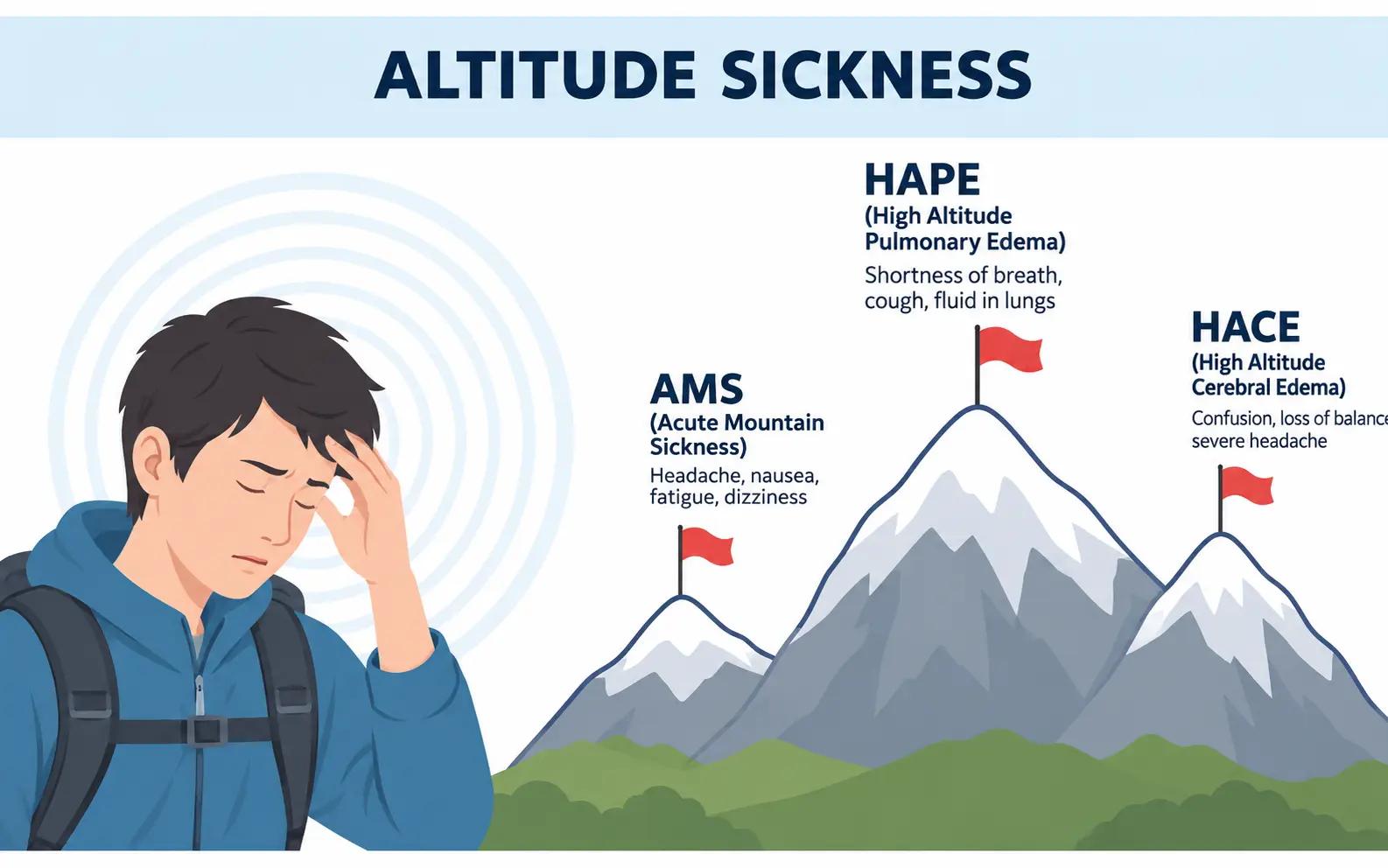
Altitude illness is generally classified into three main conditions:
- Acute Mountain Sickness (AMS): The most common form, typically involving a headache alongside symptoms such as nausea, dizziness, or fatigue.
- High-Altitude Cerebral Edema (HACE): A life-threatening condition involving swelling of the brain and signs such as confusion or poor coordination.
- High-Altitude Pulmonary Edema (HAPE): A potentially life-threatening condition in which fluid accumulates in the lungs, causing symptoms such as breathlessness at rest.
AMS is usually less severe than HACE or HAPE, but symptoms must not be ignored. Mild illness can worsen, and serious altitude illness can develop even when a trekker initially feels well.
Why Is Altitude Sickness a Concern on the Annapurna Circuit?
The Annapurna Circuit starts at relatively low elevations compared with the high mountain sections that follow. As the trail progresses through the Marsyangdi Valley, the altitude increases until trekkers reach the high-altitude region around Manang and cross Thorong La.
Here are some of the main stops and their approximate elevations.
| Location | Approximate elevation |
|---|---|
| Bhulbhule | 840 m |
| Jagat | 1,300 m |
| Dharapani | 1,860 m |
| Chame | 2,670 m |
| Upper Pisang | 3,300 m |
| Manang | 3,540 m |
| Yak Kharka | 4,050 m |
| Thorong Phedi | 4,540 m |
| Thorong La Pass | 5,416 m |
| Muktinath | 3,760 m |
| Marpha | 2,670 m |
| Tatopani | 1,190 m |
Exact elevations and overnight stops vary by route and itinerary.
The main concern is not simply reaching a high point during the day. The altitude at which you sleep and how quickly that sleeping altitude increases are particularly important.
For example, trekkers generally spend an additional night in Manang to allow more time for acclimatization before continuing toward Yak Kharka and Thorong Phedi.
Some itineraries also include the Tilicho Lake side trip, which reaches approximately 4,919 meters. This adds another high-altitude excursion that needs to be considered when planning your ascent.
When Does Altitude Sickness Start on the Annapurna Circuit?
There is no fixed village or elevation where altitude sickness begins.
Some trekkers may experience symptoms around 2,500–3,000 meters, while others remain comfortable at considerably higher elevations. Your ascent rate, previous experience with altitude, and individual susceptibility all influence your risk.
On the Annapurna Circuit, pay closer attention to how you feel as you reach:
- Chame, around 2,670 m: You are approaching the elevation range where altitude illness becomes a consideration.
- Upper Pisang, around 3,300 m: Watch for headaches, nausea, dizziness, and unusual fatigue.
- Manang, around 3,540 m: Allow sufficient time to acclimatize before moving higher.
- Yak Kharka, around 4,050 m: The higher sleeping elevation makes careful symptom monitoring increasingly important.
- Thorong Phedi, around 4,540 m: Assess your condition carefully before attempting the pass.
- Thorong La, around 5,416 m: Reduced oxygen availability, cold, wind, and physical exertion make this a demanding part of the trek.
If your symptoms worsen at any of these stages, do not continue ascending just to stay on schedule.
What Are the Early Symptoms of Altitude Sickness?
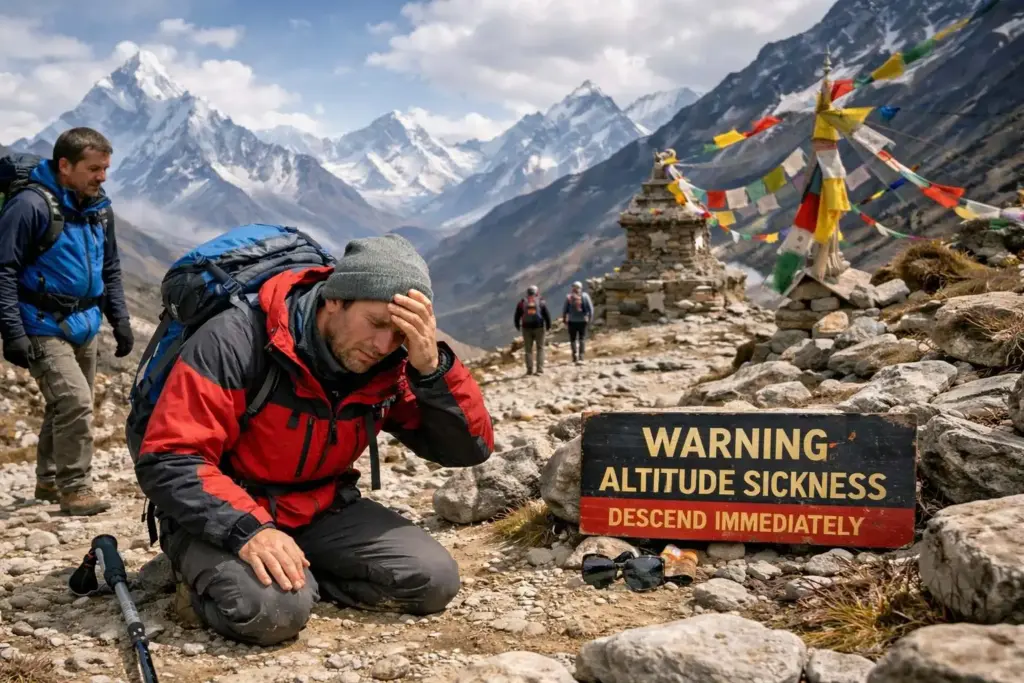
Recognizing the early signs of acute mountain sickness can help you make safer decisions before continuing to a higher elevation.
Common symptoms include:
- Headache
- Nausea or vomiting
- Reduced appetite
- Dizziness or lightheadedness
- Unusual fatigue or weakness
- Difficulty sleeping
- A general feeling of being unwell
A headache accompanied by nausea, dizziness, or unusual fatigue after ascending is a common pattern associated with AMS.
However, symptoms can have other causes. Dehydration, exhaustion, cold exposure, infections, and poor sleep can produce similar complaints. Do not automatically assume that every headache is altitude sickness, but do not dismiss it either.
How do you know if altitude sickness is getting worse?
Mild AMS may involve a headache and other manageable symptoms without neurological problems. The situation becomes more concerning when symptoms intensify, persist, or interfere with normal activity.
Watch for:
- A worsening or severe headache
- Repeated vomiting
- Marked weakness
- Difficulty walking in a straight line
- Confusion or unusual behavior
- Breathlessness while resting
- A persistent cough with worsening breathing
Confusion, poor coordination, or breathlessness at rest should be treated as emergency warning signs. Do not wait for every symptom to appear before seeking help.
AMS vs HACE vs HAPE: What’s the Difference?
Understanding the differences between the three main forms of altitude illness helps you recognize when urgent action is necessary.
| Condition | Common symptoms | Appropriate response |
|---|---|---|
| Acute Mountain Sickness (AMS) | Headache, nausea, dizziness, fatigue | Stop ascending, monitor symptoms, and seek medical advice if needed |
| High-Altitude Cerebral Edema (HACE) | Confusion, poor coordination, altered consciousness | Emergency descent and medical assistance |
| High-Altitude Pulmonary Edema (HAPE) | Breathlessness at rest, worsening cough, chest symptoms, severe weakness | Emergency descent and medical assistance |
HACE and HAPE can be fatal without prompt treatment.
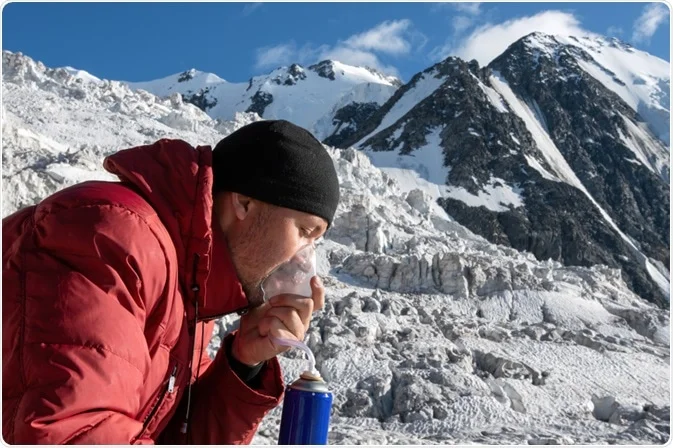
If either is suspected, arrange immediate descent with assistance and seek emergency medical care. Supplemental oxygen may help when available, but it must not delay descent when descent is feasible.
How to Prevent Altitude Sickness on the Annapurna Circuit
You cannot guarantee that you will avoid altitude sickness, even with a carefully planned itinerary. However, a sensible ascent and good preparation can reduce your risk.
1. Ascend Gradually
Gradual ascent is one of the most effective ways to reduce the risk of altitude illness.
The CDC recommends avoiding rapid increases in sleeping altitude. Once above 3,000 meters, a commonly recommended approach is to increase sleeping altitude by no more than approximately 500 meters per day and include an additional acclimatization night for every further 1,000 meters gained in sleeping altitude.
These are general guidelines, not a guarantee of safety. Some trekkers need a slower ascent.
When planning your Annapurna Circuit itinerary, look beyond the total number of trekking days. Check how much your sleeping altitude increases from one night to the next, particularly after Manang.
2. Spend an Extra Night in Manang
Manang, at approximately 3,540 meters, is an important acclimatization stop on the Annapurna Circuit.
Rather than rushing through the village, plan an additional night to give your body more time to adjust before continuing toward Yak Kharka and Thorong Phedi.
Many trekkers use their acclimatization day for a manageable hike to a higher elevation before returning to Manang to sleep. This is commonly described as “climb high, sleep low.”
Choose an activity appropriate to your condition and the prevailing weather. An acclimatization hike is not something you must complete if you feel unwell.
If altitude symptoms are worsening, do not ascend further. An extra night at the same elevation is not a substitute for descent when descent is medically necessary.
3. Walk at a Comfortable Pace
You may find that a walking pace that feels easy at lower elevations becomes tiring around Manang or Yak Kharka.
That is not a reason to push harder.
Instead:
- Walk at a steady, comfortable pace.
- Take breaks when necessary.
- Avoid racing other trekkers.
- Keep your guide informed about how you feel.
- Allow enough time for long trekking days.
- Adjust your plans if your condition changes.
Physical fitness helps you handle the demands of trekking, but it does not make you immune to altitude sickness.
4. Drink Normally and Eat Enough
Maintaining normal hydration is important during a demanding trek. However, drinking excessive amounts of water does not prevent AMS and may cause dangerous electrolyte imbalances.
Drink regularly according to thirst and pay attention to fluid loss from exertion and dry mountain air.
Food matters, too. Appetite may decrease at high altitude, but your body still needs energy for long walking days.
Meals such as dal bhat, rice, potatoes, noodles, soup, oatmeal, eggs, and other familiar foods can help you maintain your energy intake. Carry snacks if you find it difficult to eat full meals.
If persistent nausea or vomiting prevents you from eating or drinking, inform your guide and seek medical advice.
5. Avoid Alcohol and Prioritize Rest
Alcohol can interfere with sleep and judgment, making it less useful during the higher sections of the trek.
The CDC advises avoiding alcohol during the initial period at high altitude. It is also sensible to avoid strenuous exercise immediately after a rapid ascent and give yourself time to adjust.
Sleep disturbances are common at altitude and do not automatically indicate AMS. However, poor sleep combined with headache, nausea, or unusual fatigue deserves attention.
Get adequate rest before the demanding approach to Thorong La, and avoid using alcohol or sedatives to help yourself sleep at high altitude without appropriate medical guidance.
6. Ask a Healthcare Professional About Acetazolamide
Acetazolamide, commonly known by the brand name Diamox, is a medication used to help prevent acute mountain sickness and accelerate acclimatization.
The CDC lists 125 mg twice daily as a commonly recommended adult preventive dose for many travelers. The appropriate dose, timing, and duration depend on the individual and the planned ascent.
Acetazolamide is not suitable for everyone. A healthcare professional should assess your medical history, other medications, and potential contraindications before recommending it.
Plan this discussion before leaving for the trek rather than waiting until symptoms appear.
Most importantly, medication does not replace gradual ascent, symptom monitoring, or descent when necessary.
Read more about high-altitude trekking preparation.
What Should You Do If You Get Altitude Sickness?
Your response should depend on the severity of your symptoms.
If you have mild symptoms
If you develop a headache, nausea, dizziness, or unusual fatigue after ascending:
- Stop ascending.
- Tell your guide or trekking partner.
- Rest at your current elevation and monitor your condition.
- Drink normally and eat if you can.
- Do not move to a higher sleeping altitude while symptoms persist.
Mild AMS may improve with rest at the same elevation, but symptoms must be monitored closely. If they worsen or fail to improve, seek medical assessment and descend as appropriate.
Do not continue upward simply because your next overnight stop is close.
If symptoms become severe
Suspected HACE or HAPE requires immediate emergency action.
Warning signs include confusion, difficulty walking normally, altered consciousness, breathlessness at rest, or worsening breathing problems.
- Arrange immediate descent with assistance.
- Seek emergency medical care.
- Use supplemental oxygen if available and appropriate, without delaying descent.
- Do not leave a seriously ill trekker alone or ask them to descend unsupported.
A severely ill person may be unable to descend safely without assistance. Your guide and trekking group should arrange appropriate support and evacuation.
Descent is a central treatment for serious altitude illness. For more information, consult the Wilderness Medical Society’s altitude illness guidelines.
Is It Safe to Continue to Thorong La With a Headache?
Not necessarily.
A headache at altitude can result from several causes, including dehydration, fatigue, poor sleep, or acute mountain sickness.
If it occurs alongside nausea, dizziness, unusual fatigue, or loss of appetite after ascending, take it seriously.
Before attempting Thorong La, consider how you feel, whether symptoms are improving, and whether you have developed any additional warning signs.
Do not cross the pass with worsening altitude symptoms. Reaching the highest point of your itinerary is never more important than your safety.
If symptoms suggest serious altitude illness, seek immediate assistance and descend rather than attempting the crossing.
Why Does Thorong La Require Extra Caution?
Thorong La Pass reaches approximately 5,416 meters, making it the highest point on the standard Annapurna Circuit.
The crossing is demanding for several reasons:
- The very high elevation means reduced oxygen availability.
- Cold and wind can make conditions more difficult.
- The climb and subsequent descent can involve several hours of exertion.
- Fatigue may accumulate over the preceding trekking days.
- Weather and trail conditions can change.
Trekkers commonly begin the crossing early, but an early start does not eliminate altitude-related risks.
The most important preparation happens before reaching the pass: allowing time to acclimatize, following a suitable ascent profile, and checking for symptoms before continuing.
Acclimatization should happen before Thorong La, not during an attempt to push through it.
Learn more about the route through this Thorong La Pass guide.
Can Altitude Sickness Occur After Crossing Thorong La?
Yes. Symptoms can persist after the crossing, and serious altitude illness should not be dismissed simply because you have started descending.
The route drops substantially toward Muktinath, reaching approximately 3,760 meters. Descending to a lower elevation generally reduces exposure to the conditions that cause altitude illness.
However, reaching Muktinath does not automatically resolve every medical problem. If symptoms persist, worsen, or include emergency warning signs, seek medical assistance.
Does Physical Fitness Protect You From Altitude Sickness?
No. Fitness can help you manage the physical demands of a long trek, but it does not guarantee that your body will acclimatize successfully.
Even experienced mountaineers and highly conditioned athletes can develop altitude sickness.
Your risk depends on factors such as:
- How quickly you ascend
- The altitude at which you sleep
- Your history of altitude illness
- The time available for acclimatization
- Your individual response to reduced oxygen availability
Training before the trek is worthwhile, but it should complement a carefully planned itinerary rather than replace it.
Annapurna Circuit Acclimatization: A Practical Overview
The following table highlights where altitude management becomes increasingly important. Elevations are approximate and may differ from your exact itinerary.
| Trekking stage | Approximate elevation | What to keep in mind |
|---|---|---|
| Lower Marsyangdi Valley | Below 2,000 m | Establish a comfortable walking pace. |
| Chame | 2,670 m | Begin paying closer attention to symptoms after ascent. |
| Upper Pisang | 3,300 m | Monitor headache, nausea, dizziness, and fatigue. |
| Manang | 3,540 m | Allow time for acclimatization before moving higher. |
| Yak Kharka | 4,050 m | Pay close attention to symptoms and sleeping-altitude gains. |
| Thorong Phedi | 4,540 m | Assess your condition carefully before attempting the pass. |
| Thorong La | 5,416 m | Cross only when your condition and route conditions allow. |
| Muktinath | 3,760 m | Continue monitoring symptoms during descent. |
If your itinerary includes Tilicho Lake, account for its additional ascent to approximately 4,919 meters. It is a side trip rather than a mandatory stage of the standard Annapurna Circuit.
The best itinerary is not necessarily the shortest one. It is one that allows for appropriate acclimatization and gives you the flexibility to stop, rest, or descend if your condition requires it.
FAQs
What are the first symptoms of altitude sickness?
The most common early symptoms of acute mountain sickness include headache, nausea, dizziness, fatigue, and reduced appetite. Symptoms often appear after ascending to a higher elevation and should be monitored closely.
At what altitude does altitude sickness start?
Altitude illness can develop above approximately 2,500 meters in people who have not acclimatized, although susceptibility varies. On the Annapurna Circuit, take particular care as you approach Upper Pisang and Manang.
How high is Thorong La Pass?
Thorong La Pass is approximately 5,416 meters (17,769 feet) above sea level. It is the highest point on the standard Annapurna Circuit route.
Is Manang important for acclimatization?
Yes. Manang sits at approximately 3,540 meters and is an important place to spend additional time acclimatizing before continuing toward Yak Kharka and Thorong Phedi. However, worsening symptoms require stopping your ascent and may require descent.
Can fit trekkers get altitude sickness?
Yes. Physical fitness does not prevent altitude sickness. Ascent rate, sleeping altitude, acclimatization, and individual susceptibility are important factors.
Should I continue trekking if I have mild AMS symptoms?
Do not continue ascending while symptoms persist or worsen. Stop, inform your guide, and monitor your condition. If symptoms worsen or fail to improve, seek medical assessment and descend as appropriate.
Does drinking more water prevent altitude sickness?
No. Normal hydration is important, but forcing excessive amounts of water has not been shown to prevent AMS and can cause dangerous electrolyte imbalances.
Does Diamox prevent altitude sickness?
Acetazolamide (Diamox) can reduce the risk of AMS and help accelerate acclimatization. It is not a substitute for gradual ascent. Ask a qualified healthcare professional whether it is appropriate for you and what dose to use.
Can I get altitude sickness after crossing Thorong La?
Yes. Symptoms can persist after the crossing, even as you descend toward Muktinath. Seek medical assistance if symptoms are severe, persistent, or worsening.
What should I do if someone shows signs of HACE or HAPE?
Treat suspected HACE or HAPE as a medical emergency. Arrange immediate assisted descent, seek emergency medical care, and use supplemental oxygen if available without delaying descent. Do not leave the affected person alone.
Plan Your Annapurna Circuit Trek With Altitude in Mind
The Annapurna Circuit rewards trekkers with changing landscapes, mountain villages, and the experience of crossing one of Nepal’s most famous high passes. Enjoying that journey safely requires more than physical preparation.
Allow time to acclimatize in Manang, avoid rushing the higher stages, and communicate early if something does not feel right. Be prepared to change your itinerary if your health requires it.
Remember the key principles:
- Ascend gradually.
- Allow time for acclimatization.
- Monitor symptoms and tell your guide when you feel unwell.
- Never push through serious warning signs.
- Descend and seek medical assistance when necessary.
The goal is not simply to reach Thorong La. It is to complete your trek with the judgment and preparation needed to respond when mountain conditions or your health change.
Explore the Annapurna Circuit Trek with a plan that gives acclimatization and safety the attention they deserve.