
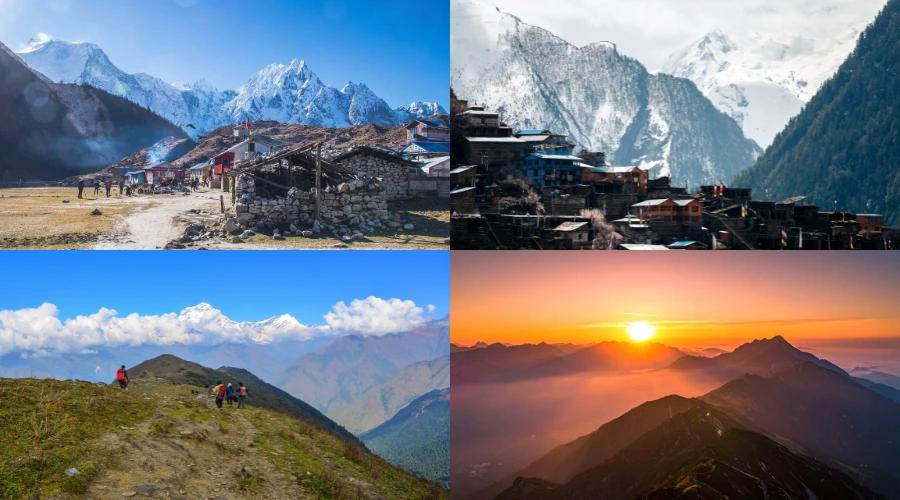
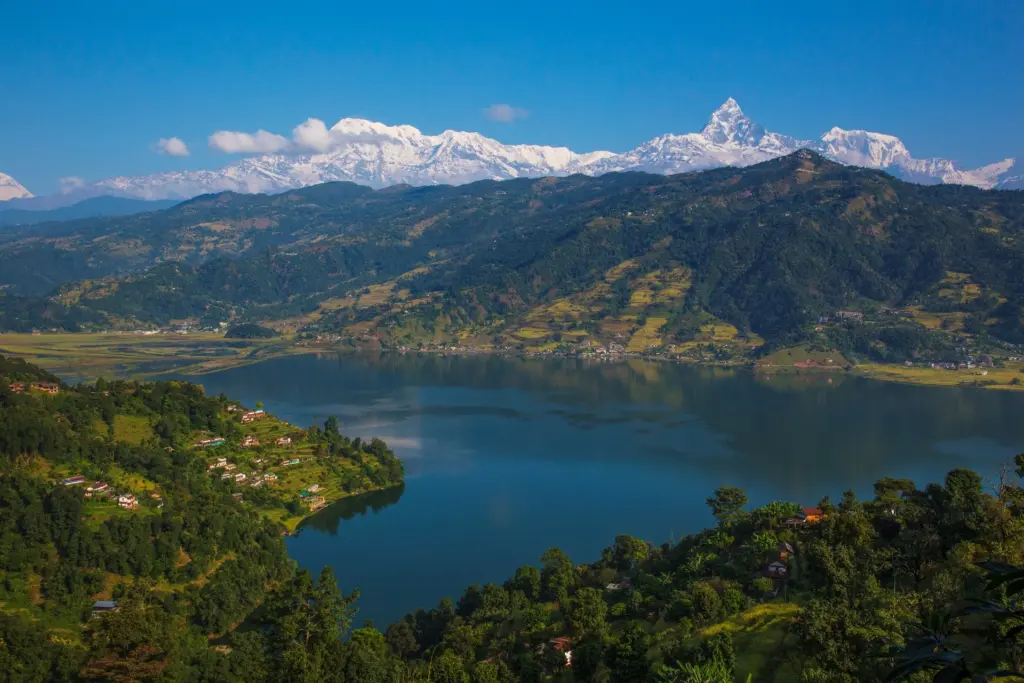
Pokhara is one of the best places to start trekking in Nepal. This beautiful lakeside city is close to the Annapurna region , so many popular trails are easy to reach from here. If you are looking for the best treks from Pokhara, you will find both short and long routes that fit different time, budget, and fitness levels.
One reason travelers love Pokhara is that it feels easy and relaxed. Before your trek, you can stay near Phewa Lake, prepare your gear, meet your guide, and enjoy the peaceful city atmosphere. After the trek, Pokhara is also a perfect place to rest. This makes it a great base for many trekking routes from Pokhara, especially for travelers who want a smooth and comfortable start.
For beginners or travelers with limited time, there are many short treks from Pokhara. Dhampus Australian Camp, Ghandruk, and Poon Hill are some of the most popular choices. These treks are not too long, but they still offer beautiful mountain views, village walks, green hills, and local culture. On clear days, you can see peaks like Annapurna, Machhapuchhre, Hiunchuli, and Dhaulagiri.
If you want a bigger mountain journey, there are also many long treks from Pokhara. Mardi Himal, Annapurna Base Camp, Annapurna Circuit, Jomsom Muktinath , and Upper Mustang are great options for trekkers who want more days on the trail. These routes take you deeper into the Himalayas, with changing landscapes, peaceful villages, high viewpoints, and rich local culture.
Whether you want an easy 2-day hike or a long adventure in the mountains, Pokhara trekking packages can be planned around your travel style. The best treks from Pokhara are popular because they are scenic, flexible, and full of real Nepal experiences. From short village trails to famous Himalayan routes, Pokhara is the perfect starting point for your next trek.
Why Pokhara Is the Best Starting Point for Trekking in Nepal?
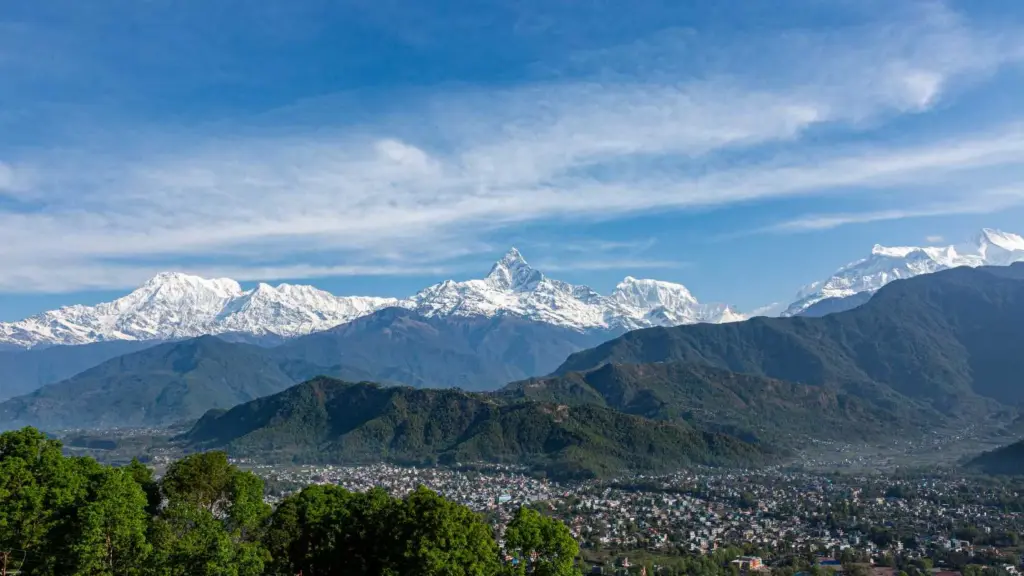
If you are planning a trek in Nepal, Pokhara is one of the easiest and most enjoyable places to begin. It is close to the Annapurna region, so many popular trekking routes from Pokhara start with only a short drive to nearby trailheads like Nayapul, Phedi, Kande, and Ghandruk.
This is why Pokhara trekking is loved by both beginners and experienced trekkers. Short treks like Poon Hill, Dhampus, Australian Camp, and Ghandruk are great for first-time trekkers, while longer routes like Annapurna Base Camp, Mardi Himal, Annapurna Circuit, Jomsom Muktinath, and Upper Mustang are perfect for bigger adventures.
Pokhara also makes trek preparation simple. Around Lakeside, you can find hotels, cafés, restaurants, trekking shops, guides, transport services, and travel agencies. You can relax by Phewa Lake, check your gear, arrange permits, and get ready for the mountains without feeling rushed. This comfort is one reason Pokhara is known as the best trekking hub in Nepal.
Another great thing about trekking from Pokhara is that the city itself is part of the experience. Before or after your trek, you can enjoy activities in Pokhara like boating on Phewa Lake, paragliding, watching sunrise from Sarangkot, visiting the World Peace Pagoda, exploring Davis Falls, or simply relaxing in the Lakeside area.
With easy access, peaceful lakeside vibes, good transport, many hotels, and some of the best Annapurna treks from Pokhara, this city is more than just a starting point. It is the perfect place to begin and end your Himalayan trekking journey.
Short Treks from Pokhara for Beginners
You don’t need weeks of free time or serious mountain experience to trek in Nepal. Some of the best short treks from Pokhara take just two to five days and still reward you with incredible views, warm village stays, and a real feel of the Himalayas. These easy treks from Pokhara are ideal for first-time trekkers, families with kids, students, couples, and anyone traveling on a tight schedule.
Here are the most popular beginner-friendly treks in Nepal that start from Pokhara:
- Dhampus Australian Camp Trek (1–2 days) – The easiest option on this list. A gentle walk through rice paddies and small Gurung villages with close-up views of Annapurna South and Fishtail Peak. Perfect for families or anyone who wants a quick mountain escape without too much effort.
- Ghandruk Trek (2–3 days) – Takes you to one of the most beautiful hill villages in the Annapurna region. You walk through rhododendron forests, cross suspension bridges, and stay in traditional stone houses. Short but feels like a proper mountain experience.
- Ghorepani Poon Hill Trek (4–5 days) – The classic beginner trek in Nepal. The sunrise from Poon Hill, with over 20 Himalayan peaks glowing in front of you, is one of the most unforgettable moments you can have on a short trek. Well-marked trail, comfortable teahouses, and manageable for most fitness levels.
- Mohare Danda Trek (3–4 days) – A quieter, less crowded alternative to Poon Hill with equally stunning panoramic views. Feels more off the beaten path and is quickly becoming a favorite among trekkers who prefer peace over popularity.
All these short treks from Pokhara can be done year-round, with autumn and spring being the best seasons. Trailheads are just a short drive from Pokhara’s lakeside, so you’re never far from comfort.
Long Treks from Pokhara for Experienced Trekkers
If short treks aren’t enough and you want to go deeper into the Himalayas, the long treks from Pokhara are where the real adventure begins. These routes take you through high passes, remote valleys, ancient villages, and landscapes that change completely from one day to the next.
Here are the top Annapurna trekking routes and adventure treks from Pokhara for experienced hikers:
- Annapurna Base Camp Trek (7–12 days) – The most iconic trek in the region. You walk through bamboo forests, terraced farmland, and alpine meadows before reaching the base camp, which sits in a massive natural amphitheater surrounded by towering peaks. Challenging but doable for anyone who’s reasonably fit.
- Annapurna Circuit Trek (12–21 days) – The big one. A full loop around the Annapurna massif, crossing the Thorong La Pass at 5,416 meters. The landscape shifts from lush green valleys to dry high-altitude desert, and the culture changes from Hindu lowlands to Tibetan Buddhist highlands. Widely considered one of the greatest long-distance treks in the world.
- Jomsom Muktinath Trek (7–10 days) – Follows the Kali Gandaki gorge, the deepest gorge on earth, into a dry and dramatic landscape that feels like a different country. Muktinath is a sacred site for both Hindus and Buddhists, adding a spiritual dimension to the trek.
- Upper Mustang Trek (10–14 days) – A restricted area that was closed to outsiders until 1992. Think desert landscapes, ancient cave monasteries, walled towns, and Tibetan culture that’s barely changed in centuries. Requires a special permit but worth every bit of the effort and cost.
- Khopra Danda Trek (5–7 days) – A newer route that’s gaining serious popularity among experienced trekkers who want fewer crowds. Offers panoramic views of Dhaulagiri, Annapurna, and Nilgiri, plus a side trip to the sacred Khayer Lake sitting above 4,500 meters.
These adventure treks from Pokhara each offer something different, high altitude, deep culture, wild terrain but they all go far beyond the ordinary. If you’re exploring long trekking packages in Nepal and want a trip that truly stays with you, these are the routes to consider.
Best Trekking Routes from Pokhara – Quick Comparison
A simple side-by-side look at the most popular short and long treks from Pokhara, Nepal. This table helps you choose the right route based on your time, fitness level, trekking experience, and travel interest.
Short Treks from Pokhara – Beginner-Friendly
| Trek Name | Duration | Difficulty | Max Elevation | Best For | Main Highlights |
|---|---|---|---|---|---|
| Dhampus Australian Camp Trek | 1–2 days | Easy | 2,060 m | Families, beginners | Rice terraces, Gurung villages, Annapurna and Machhapuchhre views |
| Ghandruk Trek | 2–3 days | Easy | 1,940 m | Couples, culture lovers | Stone village, rhododendron forest, suspension bridges |
| Mohare Danda Trek | 3–4 days | Easy to Moderate | 3,300 m | Solo trekkers, peace seekers | Panoramic sunrise, fewer crowds, off-the-beaten-path feel |
| Ghorepani Poon Hill Trek | 4–5 days | Moderate | 3,210 m | Beginners, students | Famous sunrise view, Annapurna and Dhaulagiri panorama |
| Mardi Himal Trek | 4–6 days | Moderate | 4,500 m | Young trekkers, photographers | Close Machhapuchhre views, ridge walk, quiet trail |
Long Treks from Pokhara – Experienced Trekkers
| Trek Name | Duration | Difficulty | Max Elevation | Best For | Main Highlights |
|---|---|---|---|---|---|
| Khopra Danda Trek | 5–7 days | Moderate | 4,660 m | Experienced hikers, nature lovers | Khayer Lake, Dhaulagiri and Nilgiri panorama, community lodges |
| Annapurna Base Camp Trek | 7–12 days | Moderate | 4,130 m | First serious trekkers | Annapurna Sanctuary, bamboo forest, alpine meadows |
| Jomsom Muktinath Trek | 7–10 days | Moderate | 3,800 m | Spiritual travelers, culture seekers | Kali Gandaki Gorge, Muktinath Temple, Mustang landscape |
| Upper Mustang Trek | 10–14 days | Challenging | 3,840 m | Adventure seekers, history lovers | Restricted area, cave monasteries, Lo Manthang, desert valleys |
| Annapurna Circuit Trek | 12–21 days | Challenging | 5,416 m | Long-distance trekkers | Thorong La Pass, diverse landscapes, Hindu and Buddhist culture |
Easy Treks from Pokhara for Families and First-Time Trekkers
These family-friendly treks in Nepal share a few things in common, short walking hours (usually 4 to 5 hours a day), lower altitude so there’s no serious risk of altitude sickness, warm teahouse accommodation with beds and hot meals, and stunning mountain views without the extreme physical challenge.
Here are the best options for first-time trekking in Nepal:
- Dhampus Australian Camp Trek (1–2 days) – The gentlest trek you can do from Pokhara. The trail passes through terraced rice fields and small Gurung settlements with direct views of Annapurna South and Machhapuchhre. Walking hours are short, the path is easy to follow, and kids enjoy it just as much as adults. A great choice if you only have a day or two to spare.
- Ghandruk Trek (2–3 days) – A slightly longer walk that takes you to one of the prettiest hilltop villages in the Annapurna region. The trail goes through rhododendron forests and across suspension bridges, and the village itself has traditional stone houses, local museums, and incredible mountain views from every angle. Comfortable for families and older travelers.
- Ghorepani Poon Hill Trek (4–5 days) – The most popular easy trek from Pokhara and a classic first-time trekking experience. The sunrise from Poon Hill, with a panorama of over 20 Himalayan peaks, is something you’ll remember forever. The trail has well-spaced teahouses, so you’re never far from a rest stop, a warm drink, or a place to sleep. Moderate fitness is enough.
Ghorepani Poon Hill Trek from Pokhara
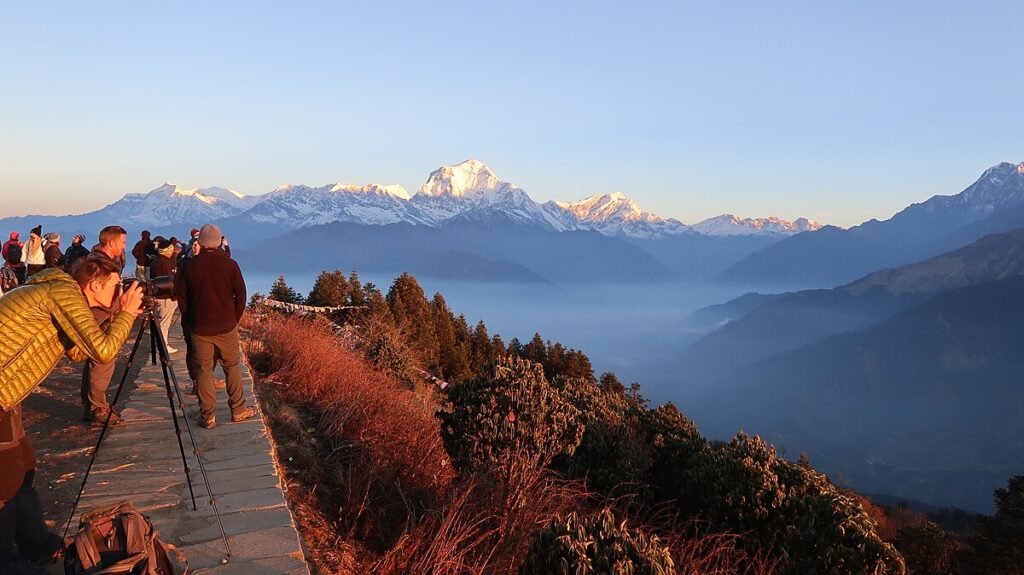
If there’s one trek that defines first-time trekking in Nepal, it’s this one. The Ghorepani Poon Hill Trek from Pokhara is one of the most popular short treks in the country and once you see the sunrise from Poon Hill, you’ll understand why.
The trek usually takes 4 to 5 days and is suitable for beginners with a decent level of fitness. Here’s what makes it special:
- Poon Hill Sunrise – You wake up early, climb a short hill in the dark, and watch over 20 Himalayan peaks light up as the sun rises. Annapurna, Dhaulagiri, Machhapuchhre, Nilgiri — all of them, stretched across the horizon. It’s one of those moments that stays with you.
- Rhododendron Forests — During spring, the trail passes through forests full of blooming red and pink rhododendrons. Even outside spring, the dense forest sections are peaceful and beautiful.
- Gurung and Magar Villages – You walk through traditional hill villages where daily life hasn’t changed much in decades. Stone houses, prayer flags, terraced fields, and friendly locals who greet you along the way.
- Panoramic Mountain Views – Beyond Poon Hill, you get views of the Annapurna and Dhaulagiri ranges from multiple points along the trail. The scenery changes with every hour of walking.
Teahouses are well-spaced, the trail is clearly marked, and you don’t need any prior trekking experience. For a short trek that delivers big, this one is hard to beat.
Mardi Himal Trek from Pokhara
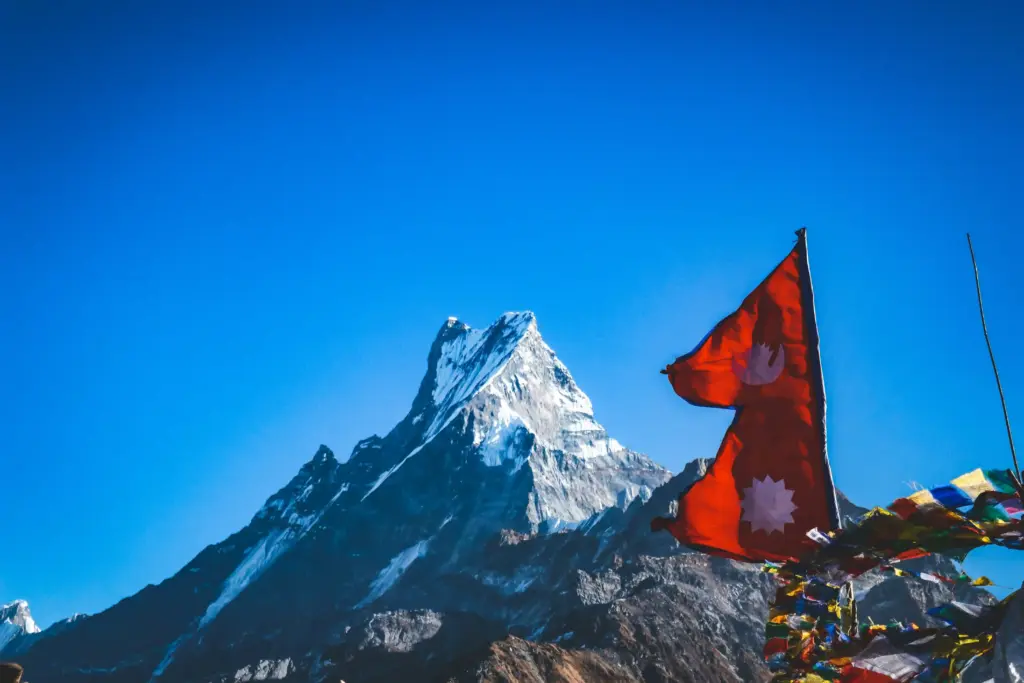
The Mardi Himal Trek from Pokhara is one of those routes that quietly became a favorite among trekkers who want big mountain views without the crowds. It’s a short trek in Annapurna that packs in more than you’d expect for a 4 to 6 day walk.
Here’s why it stands out:
- Close Mountain Views – You get incredibly close views of Machhapuchhre (Fishtail Peak), Mardi Himal, and Annapurna South. At the high camp, the mountains feel like they’re right in front of you, no telephoto lens needed.
- Ridgeline Walk – The final section of the trek follows a narrow ridge with open views on both sides. It’s one of the most scenic stretches of trail you’ll find anywhere in the Annapurna region.
- Peaceful Forest Trails – The lower sections pass through quiet rhododendron and bamboo forests with very few other trekkers around. If you like walking in silence, this trail delivers.
- Less Crowded – Unlike Poon Hill or ABC, the Mardi Himal route still feels uncrowded. You’ll share teahouses with a handful of people instead of a crowd.
It’s the best Himalayan view trek from Pokhara for anyone who wants something short, scenic, and a little off the main trail. Moderate fitness is recommended for the steeper sections near the top.
Dhampus Australian Camp Trek from Pokhara
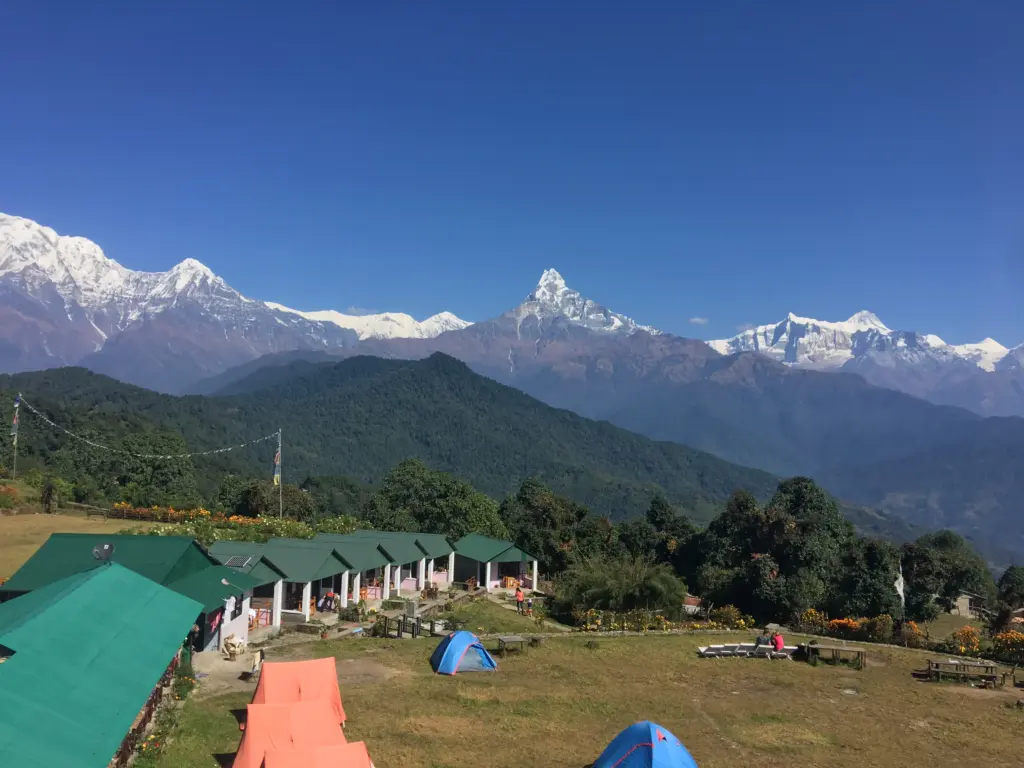
Looking for the shortest and easiest trek near Pokhara? The Dhampus Australian Camp Trek is it. This is a 1 to 2 day walk that’s perfect for beginners, families with kids, older travelers, and anyone who only has a day or two to spare but still wants a taste of the Himalayas.
What you can expect:
- Beautiful Annapurna Views – From Australian Camp, you get clear views of Annapurna South, Machhapuchhre, and Hiunchuli. The mountain panorama is surprisingly impressive for such a short trek.
- Peaceful Villages – The trail passes through Dhampus and surrounding settlements where life moves slowly. Stone houses, kitchen gardens, chickens wandering around, it’s a glimpse of rural Nepal at its simplest.
- Forest Trails – Easy walking through shaded forest paths with birds and butterflies. Nothing strenuous, nothing technical, just a pleasant walk in the hills.
- Comfortable Walking – Total walking time is around 3 to 4 hours each way. The altitude stays low, and the path is wide and well-maintained. You don’t need special gear or experience.
If you’re in Pokhara and want to get into the mountains without committing to a longer trek, this is the perfect option. You can leave in the morning and be back by the next afternoon.
Ghandruk Trek from Pokhara
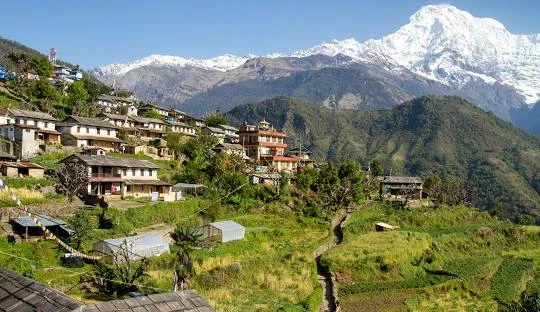
The Ghandruk Trek from Pokhara takes you to one of the most charming hilltop villages in the Annapurna region. Ghandruk is a traditional Gurung village perched on a ridge with sweeping views of Annapurna South, Machhapuchhre, and Hiunchuli. It’s a short Annapurna trek that’s as much about culture as it is about mountains.
Here’s what makes this cultural trek in Nepal worth doing:
- Traditional Gurung Village – Ghandruk has stone-paved streets, slate-roofed houses, a small museum showcasing Gurung history, and a warm community feel. Walking through the village is like stepping back in time.
- Mountain Views – The views from Ghandruk are some of the best you’ll get on a 2 to 3 day trek. Machhapuchhre looks enormous from here, and the sunsets over the Annapurna range are unforgettable.
- Easy Trekking Trail – The trail is well-marked and manageable for most fitness levels. You cross suspension bridges, walk through terraced farmland, and pass through forests full of rhododendrons and oaks.
- Good for Everyone – Beginners, families, couples, and culture lovers all enjoy this trek. The walking hours are short, the teahouses are comfortable, and the village has a warmth that makes you want to stay longer.
If you want a short trek that combines real mountain views with genuine cultural experience, Ghandruk is one of the best choices near Pokhara.
Khopra Danda Trek from Pokhara
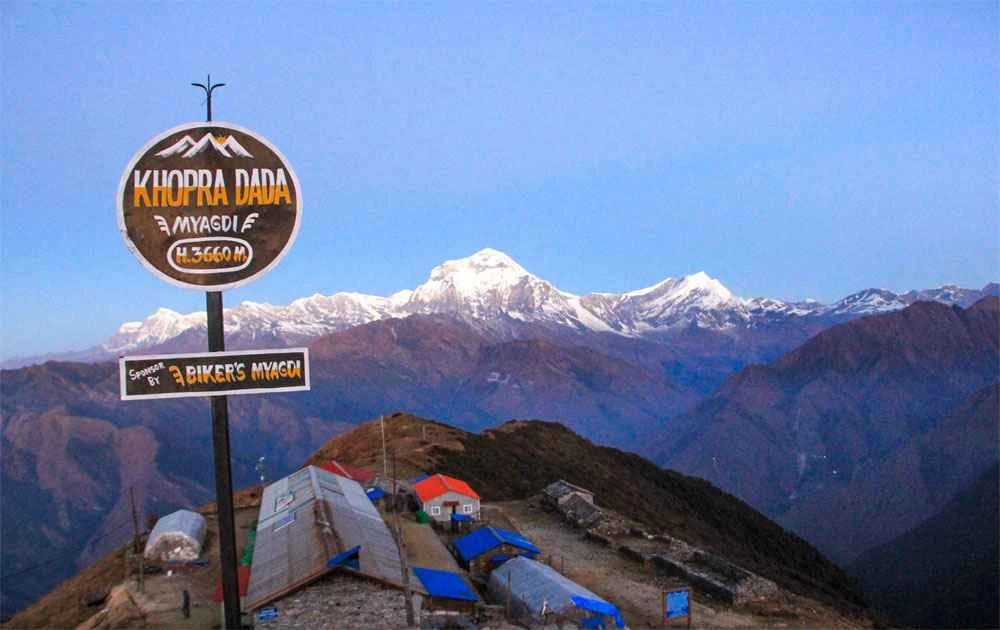
The Khopra Danda Trek from Pokhara is one of the best offbeat treks from Pokhara for anyone who wants mountain views without the crowds. While most trekkers head to Poon Hill or ABC, this route takes you to Khopra Ridgequieter, less commercialized, and equally stunning.
What makes it worth choosing:
- Khopra Ridge Views – From the ridge, you get a wide panorama of Dhaulagiri, Annapurna South, Nilgiri, and the surrounding peaks. The viewpoint is open and uncrowded, often you’ll have it to yourself.
- Khayer Lake Side Trip – An optional hike from Khopra takes you to Khayer Lake, a sacred high-altitude lake sitting above 4,500 meters. It’s a challenging but rewarding add-on for those with the energy and time.
- Community Lodges – The trek is run through community-based tourism, meaning your stay directly supports local villages. The lodges are simple but clean, and the food is home-cooked.
- Local Villages and Forests – The trail passes through traditional settlements, dense oak and rhododendron forests, and open meadows. The landscape changes constantly and keeps things interesting.
- Fewer Trekkers – This is the big draw. If you’ve done the popular routes and want something quieter, or if you just prefer trekking without crowds, Khopra Danda delivers that experience.
It’s a 5 to 7 day trek that suits experienced hikers and anyone looking for a peaceful, community-supported trekking experience in the Annapurna region.
Annapurna Base Camp Trek from Pokhara
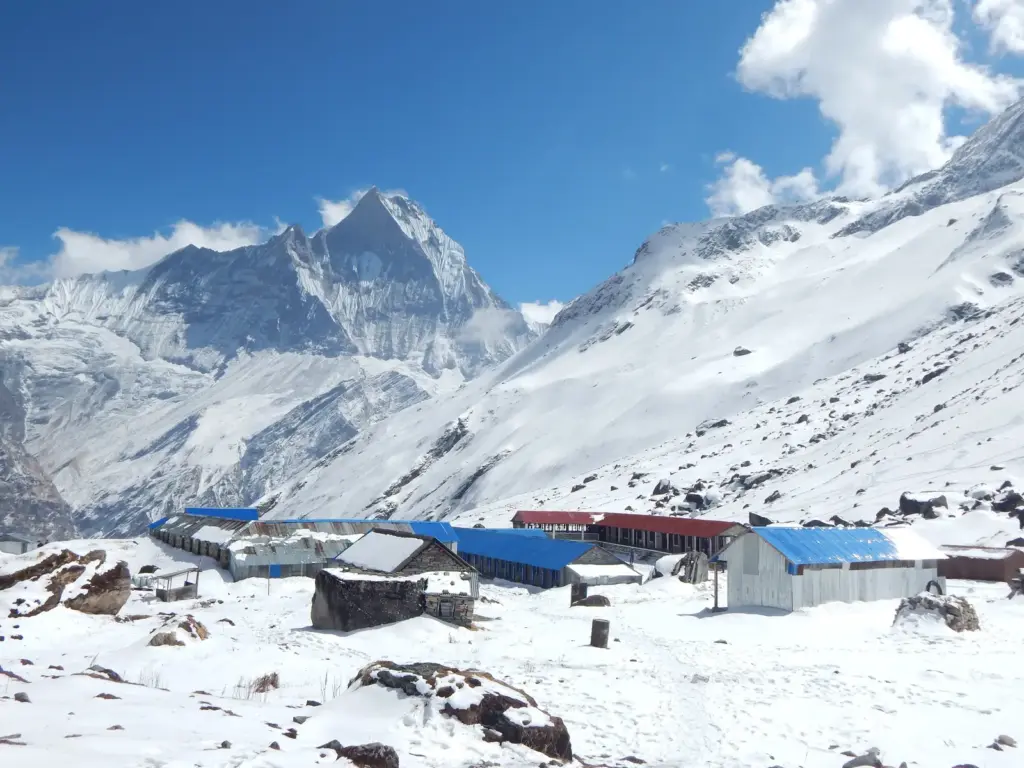
The Annapurna Base Camp Trek from Pokhara is one of the most famous treks in Nepal and for good reason. The ABC Trek takes you straight into the heart of the Annapurna Sanctuary, a natural amphitheater surrounded by some of the highest peaks in the world. It’s a classic Annapurna trek that belongs on every serious trekker’s list.
Here’s what you’ll experience on the trail:
- The Annapurna Sanctuary – The base camp sits at 4,130 meters inside a massive glacial basin. You’re surrounded on all sides by Annapurna I, Annapurna South, Hiunchuli, Machhapuchhre, and Gangapurna. The scale of it is hard to describe until you’re standing there.
- Machhapuchhre Base Camp – Before reaching ABC, you stop at MBC, a beautiful campsite with jaw-dropping views of Fishtail Peak. Many trekkers say this spot is just as memorable as base camp itself.
- Changing Landscapes – The trail takes you through lowland rice paddies, dense bamboo forests, rhododendron groves, and finally into the alpine zone above the tree line. Every day looks different from the last.
- Mountain Villages and Hot Springs – Along the way, you pass through Gurung villages, cross rivers on suspension bridges, and can stop at natural hot springs in Jhinu Danda to soak tired legs.
- Rivers and Waterfalls – The Modi Khola river follows much of the trail, and waterfalls tumble down from the cliffs during the wetter months.
The trek takes 7 to 12 days depending on your pace and route. Moderate fitness is needed, but you don’t need technical climbing skills. Teahouse accommodation is available the entire way.
Annapurna Circuit Trek from Pokhara
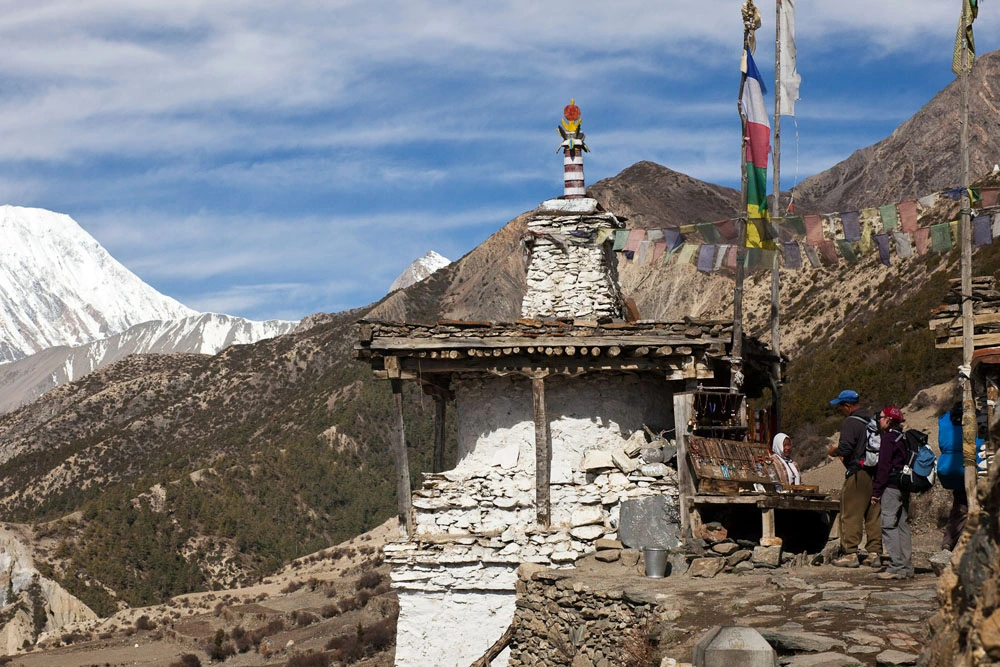
The Annapurna Circuit Trek from Pokhara is one of Nepal’s greatest long trekking routes, a full loop around the Annapurna massif that takes you through landscapes so different from each other it feels like crossing multiple countries in a single trek.
Here’s what to expect:
- Thorong La Pass (5,416 m) – The highest point of the trek and the moment everything builds toward. Crossing Thorong La is physically demanding but deeply rewarding. On a clear day, the views from the top are extraordinary.
- Diverse Landscapes – You start in lush subtropical valleys with rice paddies and waterfalls, climb through temperate forests and alpine meadows, cross the high pass, and descend into the dry, desert-like terrain of Mustang. No other trek in Nepal gives you this much variety.
- Cultural Shift — The lower villages are Hindu, with colorful temples and busy market towns. As you climb higher, the culture shifts to Tibetan Buddhist, monasteries, prayer wheels, chortens, and wind-swept villages with flat-roofed stone houses.
- Villages and Valleys – Manang, Pisang, Jomsom, Marpha, each stop along the circuit has its own character. Marpha is famous for apple orchards and apple brandy. Manang is a popular acclimatization stop with stunning surroundings.
- Mountain Viewpoints – Views of Annapurna, Dhaulagiri, Manaslu, Nilgiri, Tilicho Peak, and many others appear at different points throughout the trek.
The full circuit takes 12 to 21 days depending on side trips and pace. It’s best suited for experienced trekkers with good fitness. Planning and acclimatization are key, especially around the Thorong La crossing.
Jomsom Muktinath Trek from Pokhara

The Jomsom Muktinath Trek from Pokhara is a Mustang trekking route that combines dramatic mountain scenery with deep cultural significance. It follows the Kali Gandaki Valley, the deepest gorge in the world into a landscape that shifts from green hills to dry, windswept desert.
What makes this cultural trek in Nepal stand out:
- Kali Gandaki Valley – Walking through the gorge is an experience in itself. The valley sits between the Annapurna and Dhaulagiri massifs, and the scale of the surrounding mountains is enormous.
- Muktinath Temple – The trek ends at Muktinath, a sacred site for both Hindus and Buddhists. Pilgrims travel here from across South Asia to visit the temple, the eternal flames, and the 108 water spouts. It adds a spiritual layer to the whole journey.
- Jomsom and Marpha – Jomsom is the administrative center of Mustang with a small airstrip and a windy, high-altitude feel. Marpha, just a short walk away, is one of the prettiest villages on the trail, whitewashed houses, narrow stone alleys, and some of the best apple pie in Nepal.
- Desert-Like Scenery – As you move north, the greenery fades and the landscape turns dry and dramatic. It feels like a completely different country from the Pokhara side.
- Trekking and Culture Combined – This route suits travelers who want both physical activity and cultural immersion. The villages, monasteries, and sacred sites along the way give the trek meaning beyond the scenery.
The trek takes around 7 to 10 days and is moderate in difficulty. It’s a great choice for anyone who wants to explore the Mustang region without committing to the longer Upper Mustang route.
Upper Mustang Trek from Pokhara
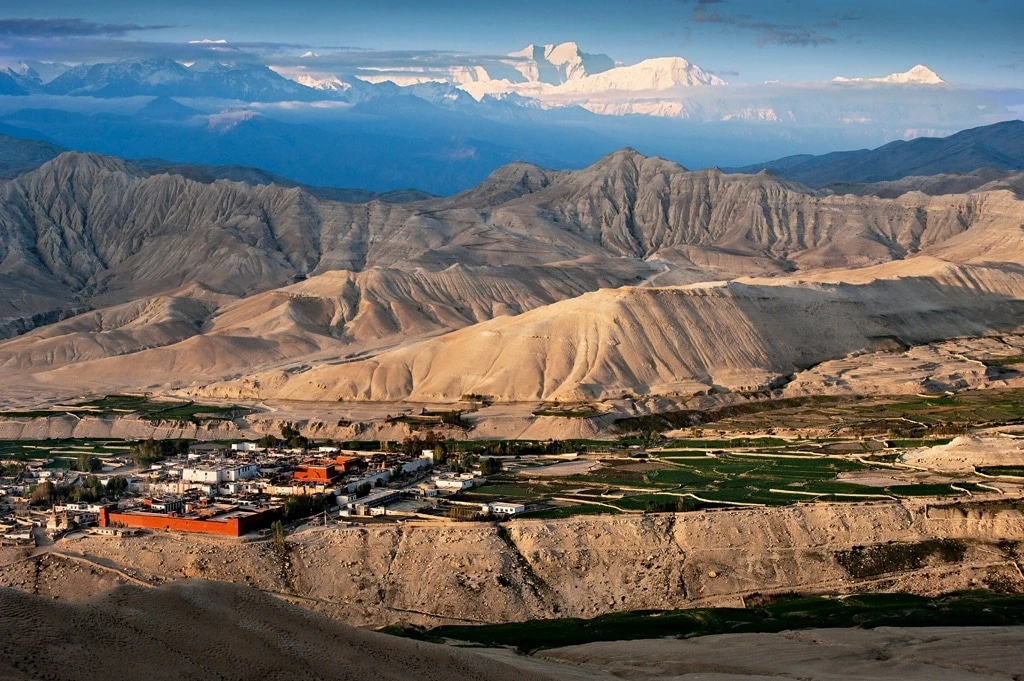
The Upper Mustang Trek from Pokhara takes you into one of Nepal’s most restricted and least visited trekking regions. Upper Mustang was closed to outsiders until 1992, and it still feels like stepping into a different world, a high-altitude desert with Tibetan culture, ancient monasteries, and landscapes you won’t find anywhere else in Nepal.
Here’s what to know:
- Lo Manthang – The highlight of the trek is reaching Lo Manthang, a walled medieval city that served as the capital of the former Kingdom of Lo. Inside the walls you’ll find royal palaces, old monasteries, and narrow lanes where life has changed very little over the centuries.
- Desert-Like Landscapes – Forget green valleys and forests. Upper Mustang is dry, rugged, and wind-carved, red and ochre cliffs, deep canyons, barren plateaus, and cave systems carved into cliff faces. It looks more like the high deserts of Tibet than anything you’d expect in Nepal.
- Tibetan-Influenced Culture – The people, language, food, and religion here are strongly Tibetan. You’ll see prayer flags everywhere, visit centuries-old gompas, and eat Tibetan bread and butter tea in local homes.
- Ancient Caves and Monasteries – The region is full of sky caves, some thousands of years old and remote monasteries with original murals and artwork still intact.
- Restricted Area Permit Required – Upper Mustang is a restricted area, and you need a special permit (currently $500 for 10 days) to enter. You must trek with a licensed agency and guide. This keeps visitor numbers low and the experience exclusive.
The trek takes 10 to 14 days and is best for experienced trekkers and cultural explorers. The altitude isn’t extreme by Himalayan standards (max around 3,840 m), but the terrain is rugged and remote.
Mohare Danda Trek from Pokhara
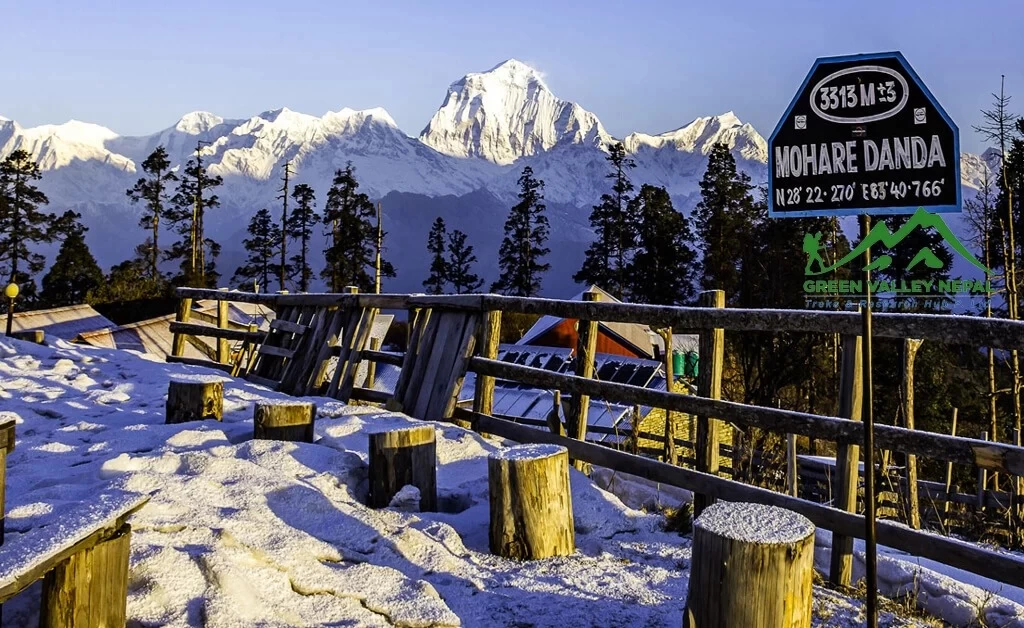
The Mohare Danda Trek from Pokhara is a quiet, community-based trek in the Annapurna region that’s quickly gaining attention among trekkers who want to skip the crowds. It’s an offbeat trek from Pokhara that offers stunning views, warm local hospitality, and a peaceful trail with very few other trekkers.
Why it’s worth considering:
- Sunrise Views – The sunrise from Mohare Danda viewpoint is spectacular, a wide panorama stretching from Dhaulagiri to Annapurna to Machhapuchhre. Some trekkers say it rivals Poon Hill, but without the crowd.
- Community Lodges – This is a community trek in Nepal, meaning the lodges are locally owned and operated. Your stay directly supports the villages along the route. The lodges are simple, clean, and the home-cooked food is excellent.
- Local Villages – The trail passes through small hill settlements where you can see everyday rural life up close, farming, weaving, cooking over wood fires. The people are warm and genuinely happy to see visitors.
- Forest Trails – You walk through dense rhododendron, oak, and pine forests that feel untouched and quiet. In spring the flowers are incredible. The rest of the year the shaded paths offer cool, pleasant walking.
- A Real Alternative – If you’ve already done Poon Hill or just prefer a less-trodden trail, Mohare Danda gives you a similar experience with more solitude. It’s a 3 to 4 day trek that’s suitable for most fitness levels.
For trekkers who value peace over popularity, this is one of the best short treks near Pokhara.
Best Time for Treks from Pokhara
Timing matters when it comes to trekking in Nepal. The mountains don’t change, but the weather, visibility, and trail conditions shift dramatically with the seasons. Picking the right time can mean the difference between clear Himalayan panoramas and days of walking through fog and rain.
- Autumn (September – November) – This is the best time for trekking from Pokhara, and most experienced trekkers will tell you the same. The monsoon has just ended, so the air is clean, the skies are clear, and the mountains look sharp and close. Temperatures are comfortable during the day, trails are dry, and the hillsides are still green from the rains. October and November are the peak months expect more trekkers on popular routes, but the conditions are hard to beat.
- Spring (March – May) – The second-best season for Annapurna treks and a favorite for many. The weather is warm and stable, and the rhododendron forests along trails like Poon Hill and Ghandruk explode with red and pink blooms. March and April are ideal. May gets warmer at lower altitudes, but higher trails stay pleasant. Visibility is generally good, though occasional afternoon haze can roll in.
- Winter (December – February) – Good for short, low-altitude treks like Dhampus, Australian Camp, and Ghandruk. The skies are often crystal clear and the mountain views can be the best of the year. But higher routes get seriously cold, some teahouses close, and snow can block passes like Thorong La. If you stick below 3,000 meters and pack warm layers, winter trekking from Pokhara can be surprisingly rewarding.
- Monsoon (June – August) – The toughest season. Heavy rain, leeches on the trail, slippery paths, clouds blocking mountain views for days at a time. Most trekkers avoid this period. Some rain-shadow areas like Upper Mustang and Jomsom are still doable during monsoon since they sit behind the Himalayan rain barrier, but everywhere else gets wet and difficult.
If you have the flexibility to choose, aim for October–November or March–April. That’s when Pokhara trekking is at its absolute best, clear skies, comfortable temperatures, and the Himalayas on full display.
Trek Difficulty – Easy, Moderate, and Challenging Routes
Not every trek from Pokhara demands the same level of fitness or experience. Some are gentle walks through villages with mountain views. Others take you above 5,000 meters across high passes. Knowing what you’re signing up for helps you pick the right route and enjoy it properly.
Here’s how the main treks from Pokhara break down by difficulty:
Easy – Great for beginners, families, and first-time trekkers
- Dhampus Trek (1–2 days) – Flat to gentle uphill, short walking hours, low altitude. Feels more like a countryside walk with Himalayan views than a serious trek.
- Australian Camp (1–2 days) – Similar to Dhampus, easy trail through farmland and forest. You can do it in a single day if you start early.
- Ghandruk Trek (2–3 days) – Slightly longer with some uphill sections, but nothing that requires trekking experience. The trail is well-maintained and the village is beautiful.
Moderate — Needs basic fitness but no technical skills
- Ghorepani Poon Hill Trek (4–5 days) – The most popular moderate trek. Some steep uphill sections, especially the climb to Ghorepani, but teahouses are well-spaced and the pace is manageable.
- Mardi Himal Trek (4–6 days) – Steeper than Poon Hill in the upper sections with a ridge walk that requires steady footing. The altitude reaches around 4,500 meters, so you’ll feel it.
- Mohare Danda Trek (3–4 days) – Moderate effort with forest trails and gradual climbs. Less demanding than Mardi Himal but still a proper trek.
- Khopra Danda Trek (5–7 days) – The Khayer Lake side trip pushes this into the harder end of moderate. The main route is steady, but the lake sits above 4,500 meters and the path is steep.
Challenging — For experienced trekkers with good fitness
- Annapurna Base Camp Trek (7–12 days) – Long days of walking, steep stone staircases, and altitude up to 4,130 meters. Not technical, but you need endurance and the ability to handle altitude.
- Annapurna Circuit Trek (12–21 days) – The full circuit is a serious commitment. Crossing Thorong La Pass at 5,416 meters is physically demanding, and the trek covers a huge range of terrain and altitude over two to three weeks.
- Upper Mustang Trek (10–14 days) – The altitude isn’t extreme, but the terrain is rugged, the region is remote, and the distances between stops can be long. It also requires a restricted area permit and a licensed guide.
A simple rule: if you’ve never trekked before, start with something easy and work your way up. If you’re fit and have some hiking experience, the moderate routes will challenge you just enough. And if you want the full Himalayan experience with high passes and long days, the challenging routes are where the real adventure lives.
Accommodation and Meals on Pokhara Trekking Routes
You do not need to carry a tent, cooking gear, or heavy food supplies on most trekking routes from Pokhara. Popular treks like Ghorepani Poon Hill, Ghandruk, Mardi Himal, Annapurna Base Camp, and many parts of the Annapurna region have teahouses along the trail where trekkers can sleep, eat, and rest.
Teahouse trekking in Nepal is simple, comfortable, and one of the best parts of the journey. It gives you a chance to enjoy local hospitality, warm meals, and a friendly mountain atmosphere after a full day of walking.
What Is Teahouse Trekking in Nepal?
Teahouses are small mountain guesthouses run by local families. They provide basic accommodation, simple meals, hot drinks, and a place to relax after a long day on the trail.
For most Pokhara trekking routes, teahouse accommodation is the standard option. It is not luxurious, but it is practical, affordable, and gives trekkers a closer look at local mountain life.
Accommodation on Pokhara Trekking Routes
Most teahouse rooms are simple and clean. You usually get a private twin-sharing room with a bed, pillow, mattress, and blanket. Some teahouses have attached bathrooms, while others have shared toilets and washing areas.
The rooms are basic, and the walls can be thin. Heating is usually not available inside the bedrooms. Most trekkers spend the evening in the dining hall, where there is often a stove to keep the room warm.
On popular routes like Poon Hill Trek, Ghandruk Trek, Mardi Himal Trek, and Annapurna Base Camp Trek, teahouses are found regularly along the trail. This makes it easier to plan each night’s stop without carrying camping equipment.
Meals on the Trek
Food on Pokhara trekking routes is simple, filling, and made for trekkers. Most teahouses have similar menus, so you will quickly know what to expect.
Dal Bhat
Dal bhat is the most popular meal on the trail. It usually includes rice, lentil soup, vegetables, curry, and pickle. Many teahouses offer free refills, which makes it a great option for long trekking days.
It is filling, affordable, and gives you the energy you need to keep walking. Trekkers often say, “Dal bhat power, 24 hour,” and after a few days on the trail, you will understand why.
Other Food Options
Teahouse menus usually include:
- Noodle soup
- Fried rice
- Fried noodles
- Pasta
- Momos
- Potatoes
- Pancakes
- Eggs
- Toast
- Chapati
- Tibetan bread
- Spring rolls
Lower-altitude villages usually have more choices. As you climb higher, the menu becomes smaller because food supplies are harder to carry up the trail.
Breakfast
Breakfast is usually simple but enough to start the day. Common options include toast with eggs, pancakes, porridge, Tibetan bread, chapati with honey or jam, tea, and coffee.
Most trekkers eat breakfast early before starting the walk. A hot drink in the morning feels especially good when the weather is cold.
- Tea, Coffee, and Drinking Water
Tea and coffee are available in almost every teahouse. You can usually order black tea, milk tea, lemon tea, ginger tea, mint tea, hot lemon, or coffee.
Bottled water is sold along the trail, but the price increases as you go higher. To save money and reduce plastic waste, carry a reusable water bottle and use purification tablets, drops, or a water filter.
Permits Required for Trekking from Pokhara
You can’t just show up and start walking, you’ll need a couple of permits first. Don’t worry, it’s not complicated. If you’re booking with Hi Nepal Treks, we sort out all the permits for you. But it’s still good to know what you’re carrying and what it costs.
Here’s what most permits required:
- ACAP Permit – This is the Annapurna Conservation Area Permit, and you need it for pretty much every trek in the region, Poon Hill, ABC, Annapurna Circuit, Mardi Himal, Ghandruk, Khopra Danda, Mohare Danda, all of them. It costs NPR 3,000 (about USD 20–23) for foreign trekkers and NPR 1,000 for SAARC nationals. The money goes toward trail upkeep and conservation.
- TIMS / e-TIMS Card – This is a trekker registration system. Nepal has been shifting to an electronic version with QR codes that get scanned at checkpoints. It costs around NPR 2,000–3,000 (USD 15–23). The rules around TIMS have changed a few times on some routes it’s strictly checked, on others not so much. We keep track of what’s needed so you don’t have to figure it out yourself.
- Upper Mustang Restricted Area Permit – This one’s different. Upper Mustang is a restricted zone, so you need a special permit on top of ACAP. It costs USD 50 per day, that’s USD 500 for 10 days. You also need to trek with a licensed agency and a minimum of two trekkers. It’s the priciest permit in Nepal, but that’s part of what keeps Upper Mustang uncrowded and special.
- Mandatory Guide – Since 2023, every foreign trekker in Nepal needs a licensed guide. No exceptions, no solo trekking allowed. All our packages at Hi Nepal Treks come with a government-licensed guide, so this is already covered when you book with us.
Roughly what you’ll spend on permits:
- Standard Annapurna treks (Poon Hill, ABC, Mardi Himal, etc.) around USD 35–45 per person total
- Upper Mustang around USD 535–545+ per person for 10 days
A few things worth knowing:
- Carry printed copies. Checkpoints along the trail will ask to see your permits. Some remote spots don’t have internet to scan QR codes, so paper copies save you trouble.
- Don’t trust old info. Nepal’s permit rules have changed multiple times in recent years. A blog post from 2022 might tell you something completely different from what’s required now. We stay updated on the latest rules so your trek is sorted from the start.
- We handle everything. When you book with Hi Nepal Treks, permits are included in your package. You send us your passport copy and photos, we do the rest. No office visits, no queues, no confusion.
That’s basically it. A small bit of admin that takes a few hours in Pokhara, or zero hours if you let us do it for you.
Guide and Porter for Treks from Pokhara
Having the right people with you on the trail makes a big difference. A good guide for trekking doesn’t just show you the way, they make the whole experience better.
Here’s why most trekkers hire a guide and porter:
- Navigation: Trails in the Annapurna region are mostly well-marked, but junctions can be confusing, especially in fog or rain. A local guide knows every turn, every shortcut, and every backup route. You won’t waste time guessing which path to take.
- Safety: Your guide watches for signs of altitude sickness, keeps track of weather changes, and knows what to do if something goes wrong. On longer treks like ABC or the Annapurna Circuit, that kind of experience matters. Since 2023, hiring a licensed guide is mandatory for all foreign trekkers in Nepal.
- Local Culture: A guide who grew up in the mountains can tell you things no guidebook will, stories behind the villages, meaning of the prayer flags, why certain festivals are happening, what that plant on the trail is used for. It turns a walk into something much deeper.
- Permits and Logistics: Your guide helps with checkpoint registration, teahouse bookings, and any communication with locals along the way. If there’s a language gap, they bridge it. Less hassle for you.
- Porters: Walking 5 to 7 hours a day is tough enough without a 15 kg bag on your back. A porter carries your heavy luggage so you can trek with just a daypack. You walk lighter, enjoy more, and your knees will thank you at the end of the trip.
- Supporting Local Jobs: When you hire a local guide or porter, that money goes straight into the community. Many guides and porters come from the same mountain villages you’ll be walking through. It’s one of the most direct ways tourism helps people in rural Nepal.
At Hi Nepal Treks, all our guided treks from Pokhara come with experienced, government-licensed guides who speak English and know the Annapurna region inside out. Porter service in Nepal can be added to any package, we make sure our porters are fairly paid, properly equipped, and treated well.
Packing List for Trekking from Pokhara
Whether you are heading out for a quick day hike to Sarangkot or a multi-week expedition on the Annapurna Circuit, having the right gear can make or break your experience. This packing list for trekking from Pokhara covers everything a beginner or seasoned trekker needs to stay comfortable, safe, and prepared on the trail.
Clothing
- Moisture-wicking base layers (t-shirts and long-sleeve tops)
- Lightweight trekking pants (convertible zip-off pants work great)
- Warm fleece or down jacket for cold mornings and higher elevations
- Waterproof rain jacket with a hood
- Thermal underwear for treks above 3,000 meters
- Comfortable underwear and hiking socks (merino wool recommended)
- Wide-brimmed hat or cap for sun protection
- Warm beanie and lightweight gloves for higher altitude treks
Footwear
- Sturdy, broken-in trekking shoes or boots with ankle support
- Lightweight sandals or flip-flops for teahouse evenings
- Extra pairs of dry socks
Sun and Skin Protection
- Sunscreen with SPF 50 or higher (UV rays are strong at altitude)
- UV-protective sunglasses with side coverage
- Lip balm with sun protection
Hydration and Nutrition
- Reusable water bottle (at least one liter capacity)
- Water purification tablets or a portable filter
- Trail snacks such as energy bars, dried fruits, nuts, and chocolate
- Electrolyte powder or oral rehydration salts
Health and First Aid
- Personal prescription medicines (carry enough for the full trek plus extra days)
- Basic first aid kit: adhesive bandages, antiseptic cream, blister plasters, gauze, and medical tape
- Altitude sickness medicine (Diamox, consult a doctor before taking)
- Pain relievers such as ibuprofen or paracetamol
- Anti-diarrhea tablets and rehydration salts
- Insect repellent
Toiletries
- Biodegradable soap and shampoo
- Toothbrush and toothpaste
- Quick-dry travel towel
- Toilet paper and hand sanitizer
- Wet wipes
Electronics and Documents
- Power bank (at least 10,000 mAh charging points are limited on the trail)
- Headlamp or torch with spare batteries
- Phone with offline maps downloaded
- Photocopy of your passport (keep the original safe in a waterproof pouch)
- Trekking permits: TIMS card and Annapurna Conservation Area Permit (ACAP)
- Travel insurance documents
Extras Worth Carrying
- Lightweight daypack (20–30 liters for short treks, 50–65 liters for longer ones)
- Trekking poles (reduce strain on knees, especially on descents)
- Dry bags or zip-lock pouches for keeping electronics and documents dry
- Notebook and pen for journaling
Tip for beginners: You do not need to buy everything before you arrive. Pokhara’s Lakeside area is packed with trekking gear shops where you can buy or rent jackets, sleeping bags, trekking poles, and backpacks at reasonable prices.
Safety Tips for Trekking from Pokhara
- Walk at a steady pace: Whether you are doing short treks from Pokhara or longer routes, walk slowly and avoid rushing on uphill trails.
- Drink enough water: Staying hydrated is important during trekking in Nepal, especially on warm days and higher altitude routes.
- Be careful with altitude: Some Pokhara trekking routes reach high elevations, so rest properly and tell your guide if you feel headache, dizziness, nausea, or unusual tiredness.
- Check the weather daily: Weather in the mountains can change quickly, so always carry a rain jacket, warm layers, and a windproof jacket.
- Follow your trekking guide: A licensed guide for trekking from Pokhara helps with trail safety, permits, route planning, weather updates, and emergency support.
- Wear proper trekking shoes: Good trekking shoes are important for stone steps, forest trails, muddy paths, and downhill sections.
- Carry warm clothing: Even easy treks from Pokhara can feel cold in the morning, evening, and higher viewpoints.
- Get travel insurance: For longer trekking routes from Pokhara, choose insurance that covers high-altitude trekking and emergency helicopter rescue.
- Pack basic first aid: Carry personal medicine, plasters, pain relief, water purification tablets, and altitude medicine if advised by a doctor.
- Stay on marked trails: Avoid shortcuts and do not walk alone in unfamiliar areas, especially on remote trekking trails in Nepal.
Following these simple trekking safety tips from Pokhara helps make your journey safer, easier, and more enjoyable. Whether you choose an easy beginner trek or a longer Himalayan route, good preparation makes your Pokhara trekking experience better.
How to Choose the Best Trek from Pokhara
Choosing the best trek from Pokhara depends on your time, budget, fitness level, and travel season. Pokhara has trekking routes for everyone, from easy beginner hikes to longer Himalayan adventures.
- Check your available time: For 1–2 days, choose easy treks from Pokhara like Dhampus, Australian Camp, or Sarangkot. For 3–5 days, Ghorepani Poon Hill and Ghandruk are great options.
- Know your fitness level: If you are a beginner, start with short and easy trekking routes. If you want more adventure, Mardi Himal, Annapurna Base Camp, or Khopra Danda are better choices.
- Plan your budget: Short treks are more affordable because they need fewer days, meals, and accommodation. Longer treks cost more because of extra trekking days, permits, guides, and porter services.
- Choose the right season: Spring and autumn are the best seasons for trekking from Pokhara because the weather is clearer and mountain views are better. Winter is good for lower routes, while Upper Mustang is suitable even during monsoon.
- Decide your travel style: You can choose a guided trek from Pokhara for safety and comfort, or a simple teahouse trek if you want a more flexible and budget-friendly experience.
The best Pokhara trekking route is the one that matches your time, comfort, and interest. Whether you want a short scenic hike or a longer Himalayan journey, Pokhara has a trek that fits your travel plan.
Follow Your Interests
What excites you most about trekking? Your answer points to the right trail.
- Mountain views: Poon Hill for a classic Annapurna sunrise, Mardi Himal for an intimate high-camp experience, or Annapurna Base Camp for an amphitheater of towering peaks.
- Cultural immersion: Ghandruk and the Annapurna Circuit pass through Gurung and Thakali villages where you can experience local hospitality, traditional food, and centuries-old customs.
- Off-the-beaten-path adventure: Khopra Danda offers solitude and a sacred glacial lake, while Upper Mustang feels like stepping into a different world entirely with its Tibetan-influenced landscape and ancient cave monasteries.
- Quick escape from the city: Dhampus, Australian Camp, and Sarangkot are all reachable within a few hours from Pokhara and give you a taste of the mountains without a major time commitment.
Final Thoughts
Pokhara is one of the best starting points for trekking in Nepal, with routes for every type of traveler. From short treks from Pokhara like Dhampus Australian Camp, and Ghandruk to longer Himalayan adventures such as Mardi Himal, Annapurna Base Camp, and Annapurna Circuit, there is a trail for every time, budget, and comfort level.
With the right planning, trekking from Pokhara can be safe, scenic, and truly memorable. For a smooth and well-organized trip, plan your trek with Hi Nepal Treks and let our team help you choose the right route, arrange guides, permits, transport, accommodation, and customize the itinerary based on your travel style.
Ready to Book Your Trek from Pokhara?
Plan your perfect trek from Pokhara with Hi Nepal Treks. We arrange short and long trekking routes with guide, porter, permits, transport, accommodation, and customized itinerary support.
Contact us:
Phone / WhatsApp: +9779846748548
Email: [email protected]
Website: www.trippokhara.com
Book your best trek from Pokhara with Hi Nepal Treks and let us help you choose the right route based on your time, budget, and travel style.
Frequently Asked Questions – Best Treks from Pokhara
What are the best treks from Pokhara?
The best treks from Pokhara include Ghorepani Poon Hill, Ghandruk Trek, Mardi Himal Trek, Annapurna Base Camp Trek, Khopra Danda Trek, and Annapurna Circuit. These routes offer beautiful mountain views, local villages, and classic Annapurna trekking experiences.
What is the best short trek from Pokhara?
The best short trek from Pokhara is usually the Ghorepani Poon Hill Trek or Ghandruk Trek. Both are beginner-friendly and offer amazing views of Annapurna, Machhapuchhre, and Dhaulagiri.
What is the easiest trek from Pokhara?
Dhampus, Australian Camp, and Ghandruk are some of the easiest treks from Pokhara. These routes are perfect for beginners, families, and travelers with limited time.
What is the best long trek from Pokhara?
The best long treks from Pokhara include Annapurna Base Camp, Annapurna Circuit, Khopra Danda, and Upper Mustang. These treks are better for travelers who want deeper Himalayan scenery, culture, and adventure.
How much does trekking from Pokhara cost?
The cost of trekking from Pokhara depends on the route, duration, permits, guide, porter, transport, meals, and accommodation. Short treks are more budget-friendly, while longer treks and restricted-area routes cost more.
Do I need permits for treks from Pokhara?
Yes, most Annapurna trekking from Pokhara requires permits such as the Annapurna Conservation Area Permit. Some routes may also need extra permits depending on the area, especially restricted regions like Upper Mustang.
Do I need a guide for trekking from Pokhara?
A guide is highly recommended for safety, navigation, permits, local culture, and emergency support. For longer or remote trekking routes from Pokhara, hiring a licensed guide is a smart choice.
Can beginners do treks from Pokhara?
Yes, beginners can enjoy many short treks from Pokhara, including Dhampus, Australian Camp, Ghandruk, and Ghorepani Poon Hill. These routes are scenic, manageable, and suitable for first-time trekkers.