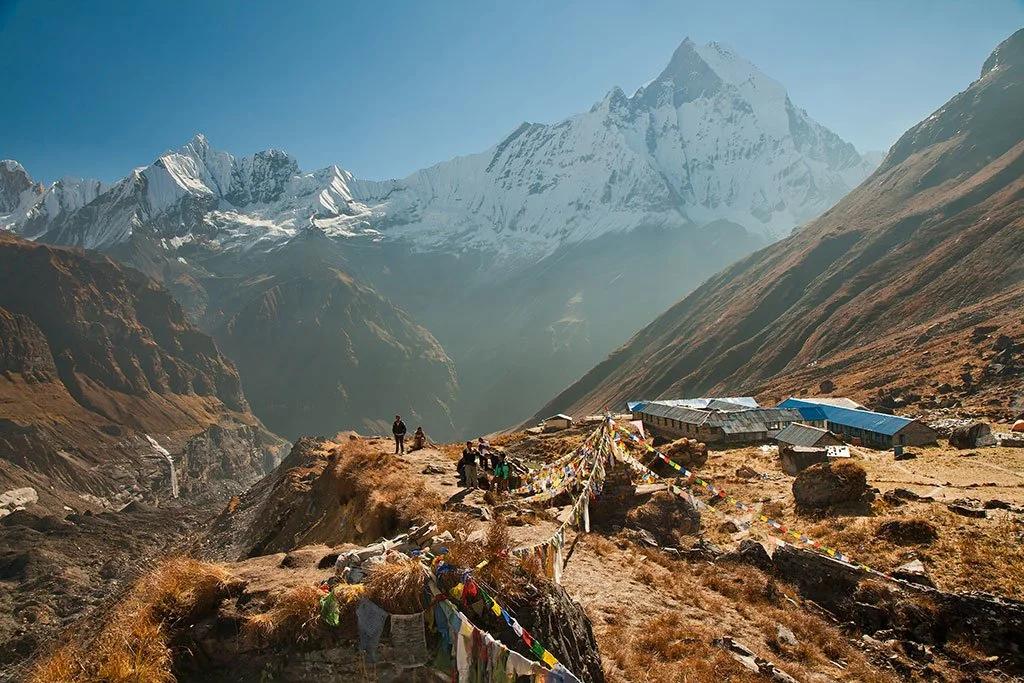
In today’s world, where our days are dominated by screens and constant notifications, trekking holidays have become the perfect escape from the digital grind. Travelers increasingly crave “slow travel” experiences, journeys that allow them to be fully present, challenge themselves physically, and reconnect with nature. This growing trend is not just about walking on trails; it’s about wellness, mindfulness, and a true digital detox, trading city noise for the serenity of soaring mountains and finding an unfiltered connection with the natural world.
Nepal: The Crown Jewel of Trekking Holidays
When it comes to ultimate trekking experiences, Nepal stands unrivaled. While many destinations offer scenic trails, Nepal provides a world suspended between earth and sky. Here, you can wander through subtropical forests in the morning and find yourself amidst towering glacial peaks by evening, a rare experience only possible in this Himalayan paradise.
Why Choose Nepal for Trekking Holidays
If outdoor adventure had a global hall of fame, Nepal wouldn’t just be featured, it would be the centerpiece. From towering Himalayan peaks to rich mountain cultures, Nepal remains the world’s most iconic destination for trekking holidays. Here’s why trekkers from across the globe continue to choose Nepal year after year.
1. Home of the Himalayas – The Roof of the World
Nepal is synonymous with the Himalayas. It hosts 8 of the world’s 14 highest mountains, including Mount Everest (8,849 m), the highest point on Earth. Trekking beneath these colossal peaks offers a sense of scale, humility, and awe that no other destination can match.
2. Trekking Routes for Every Fitness Level
Nepal offers unmatched trekking diversity. Whether you want an easy scenic walk or a demanding high-altitude expedition, there’s a trail designed for you.
- Easy Treks: Ideal for beginners and families (e.g., Ghorepani Poon Hill – 4–5 days)
- Moderate Treks: Perfect for active hikers (e.g., Annapurna Base Camp – 7–10 days)
- Challenging Treks: For experienced trekkers (e.g., Everest Three Passes – 18–20 days)
This flexibility makes Nepal suitable for first-time trekkers and seasoned adventurers alike.
3. A Living Cultural Experience
Trekking in Nepal is more than just walking through nature, it’s a journey through living heritage. Trails pass through centuries-old villages where daily life remains deeply rooted in tradition.
- Warm hospitality from Sherpa, Gurung, and Tamang communities
- Overnight stays in family-run teahouses
- Ancient Buddhist monasteries and Hindu pilgrimage sites like Muktinath enriching the spiritual atmosphere
Few trekking destinations offer such an intimate blend of culture and landscape.
4. Excellent Value for Money
Compared to trekking in Europe or South America, Nepal delivers exceptional value. Thanks to the well-established teahouse system, trekkers don’t need expensive camping gear or logistics.
With an average daily cost of USD 40–100, you typically receive:
- Comfortable accommodation
- Three freshly cooked meals
- Experienced local guides and porters
This makes Nepal one of the most affordable world-class trekking destinations.
5. Safe, Established & Modern Trekking Infrastructure
By 2026, Nepal has significantly upgraded its trekking infrastructure while preserving its raw mountain charm.
- Licensed guide requirements in most regions improve safety and altitude management
- Teahouses increasingly offer Wi-Fi, hot showers, and charging facilities, even above 4,000 meters
- Well-organized helicopter rescue services provide reliable emergency evacuation
These improvements ensure a safer and more comfortable trekking experience without losing the adventure spirit.
Types of Hiking & Trekking Holidays in Nepal
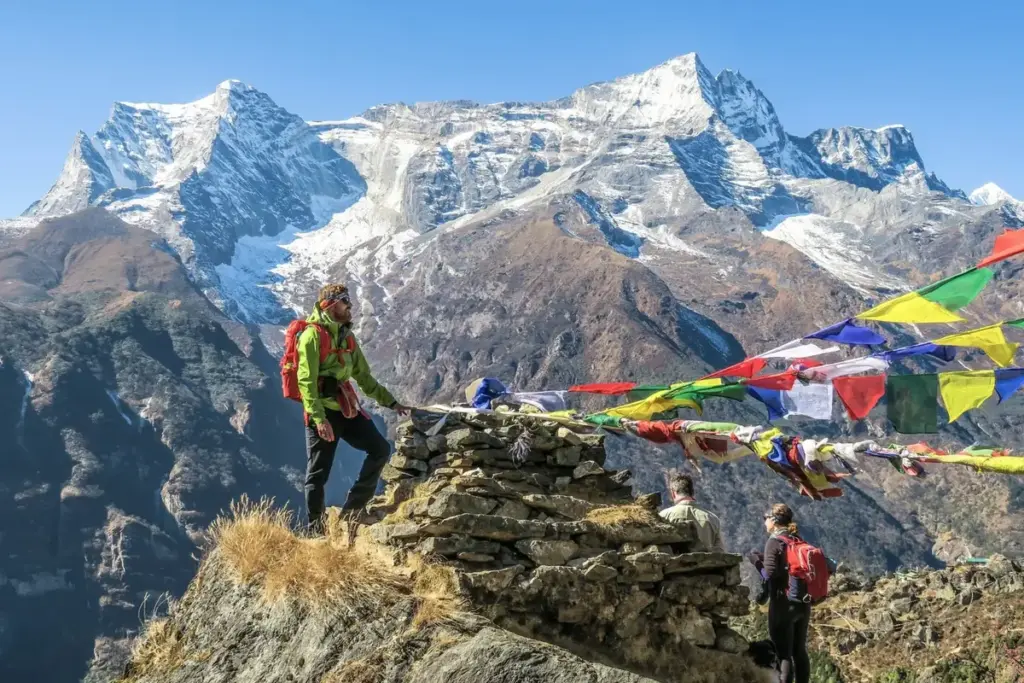
Nepal is a trekking paradise that caters to every kind of adventurer. From relaxed walks through scenic hills to demanding high-altitude crossings in remote regions, trekking holidays in Nepal can be broadly grouped into three categories based on difficulty, altitude, and duration.
Short & Easy Trekking Holidays
These easy and short treks are perfect for travelers who want breathtaking Himalayan views without pushing into extreme altitudes. Ideal for beginners, families, senior travelers, or anyone short on time.
Experience:
Gentle trails, gradual ascents, and well-marked paths, usually staying below 3,500 meters, reducing the risk of altitude sickness.
Duration:
3 to 7 days
Best Short Treks in Nepal:
- Ghorepani Poon Hill Trek: Renowned for spectacular sunrise views over the Annapurna and Dhaulagiri ranges
- Everest View Trek: A scenic introduction to the Everest region, reaching Namche Bazaar and the Everest View Hotel without trekking to Base Camp
- Ghandruk Loop Trek: A culturally rich walk through one of the most picturesque Gurung villages in Nepal.
Want to discover the best short treks in Nepal and read all the details? Check out our blog on short treks in Nepal for inspiring routes, tips, and itinerary ideas!
Moderate Trekking Holidays
Designed for trekkers with reasonable fitness, these routes deliver the classic Nepal trekking experience, challenging days balanced by comfortable teahouse stays.
Experience:
A combination of forest trails, stone staircases, suspension bridges, and steady climbs, with elevations typically ranging between 4,000 and 5,000 meters.
Duration:
7 to 12 days
Popular Moderate Treks in Nepal:
- Annapurna Base Camp Trek: A dramatic journey into a natural amphitheater surrounded by towering 7,000–8,000 meter peaks
- Langtang Valley Trek: Often called the “Valley of Glaciers,” offering alpine landscapes just a short drive from Kathmandu
- Mardi Himal Trek: A fast-growing favorite featuring ridge-top trails and close-up views of Machhapuchhre (Fishtail Mountain)
Challenging & High-Altitude Trekking Holidays
These demanding treks are meant for experienced hikers seeking adventure, isolation, and high-mountain terrain far from the crowds.
Experience:
Remote routes, long trekking days, possible glacier crossings, and elevations frequently exceeding 5,000 meters. Strong physical fitness and mental endurance are essential.
Duration:
14 to 22 days or longer
Best Challenging Treks in Nepal:
- Everest Three Passes Trek: The ultimate Everest region adventure, crossing Kongma La, Cho La, and Renjo La passes
- Manaslu Circuit Trek: A wild and less-crowded alternative to Annapurna, circling Mount Manaslu, the world’s eighth-highest peak
- Upper Dolpo Trek: A rare high-altitude desert trek into an ancient Tibetan-influenced region with turquoise lakes and timeless culture
Looking for long, challenging, high-altitude treks in Nepal? Read our detailed blog on the best treks in Nepal to plan your next great adventure!
Best Trekking Holiday Destinations in Nepal
Nepal is a country of dramatic contrasts, and its trekking regions reflect that diversity beautifully. From the world’s highest peaks to remote high-altitude deserts, Nepal offers trekking holidays suited to every kind of adventurer. Below are four of the best trekking holiday destinations in Nepal that deserve a place on every traveler’s list in 2026.
Everest Region (Khumbu)
The Everest region is the undisputed icon of trekking holidays in Nepal. This journey goes far beyond simply standing beneath the world’s tallest mountain, it’s a complete immersion into Himalayan life at high altitude.
- Everest Base Camp (EBC) Trek
Everest Base Camp Trek is often considered the ultimate bucket-list trek, the EBC route takes you to an elevation of 5,364 meters at the base of Mount Everest. Most trekkers also hike up to Kala Patthar (5,545m) for a breathtaking 360-degree panorama of Everest, Lhotse, and Nuptse. - Cultural Heart of the Himalayas
Trekkers spend nights in Namche Bazaar, widely known as the Sherpa capital, and visit Tengboche Monastery, the spiritual hub of the Khumbu region. Along the trail, prayer flags, mani walls, and ancient stupas reflect the deep-rooted Buddhist traditions of the mountains.
A Classic Yet Comfortable Experience
By 2026, the Everest region offers some of the best trekking infrastructure in Nepal. From traditional teahouses to high-end mountain lodges with heated rooms and quality dining, even above 4,000 meters, this region blends adventure with comfort like no other.
Annapurna Region
For trekkers seeking variety, the Annapurna region delivers one of the most diverse trekking holidays in Nepal. The landscapes here shift dramatically, making every day feel like a new journey.
- Annapurna Circuit Trek
Annapurna Circuit Trek is renowned for crossing Thorong La Pass (5,416m), one of the highest trekking passes in the world, this classic route circles the Annapurna massif. Along the way, trekkers enjoy views of three towering 8,000-meter peaks: Annapurna I, Dhaulagiri, and Manaslu. - Annapurna Base Camp (ABC) Trek
Also called the Annapurna Sanctuary Trek, this route leads deep into a natural mountain amphitheater surrounded by snow-covered giants, offering one of the most dramatic base camp settings in the Himalayas. - Unmatched Landscape Diversity
In the Annapurna region, trekking holidays take you from subtropical forests and terraced farmlands to the arid terrain of the Kali Gandaki Gorge and the dry rain-shadow valleys of Mustang, all within a single itinerary.
Langtang Region
Often described as the “valley of glaciers,” the Langtang region is ideal for trekkers looking for an authentic Himalayan experience without large crowds or long travel days.
- Easy Access from Kathmandu
Unlike Everest, Langtang trekking holidays begin with a scenic 7–9 hour drive from Kathmandu, making it one of the most accessible trekking regions in Nepal. - Tamang Culture & Traditions
Langtang is home to the Tamang community, whose culture is deeply influenced by Tibetan Buddhism. Visitors often find the hospitality here especially genuine and personal. - Peaceful Trails & Alpine Scenery
The trek to Kyanjin Gompa features alpine meadows, yak pastures, and glacial landscapes. A side hike to Tserko Ri (4,984m) rewards trekkers with sweeping views of Langtang Lirung and surrounding glaciers, all in a quieter setting than Everest or Annapurna.
Mustang & Restricted Areas
For those searching for something truly different, trekking holidays in Upper Mustang offer a rare journey into Nepal’s last forbidden kingdom. Often called “Little Tibet,” this region remained closed to foreigners until 1992.
- Otherworldly Landscapes
Upper Mustang replaces green hills with dramatic red cliffs, deep wind-carved canyons, and mysterious ancient sky caves etched into vertical rock faces. - Preserved Tibetan Heritage
The trek leads to Lo-Manthang, the walled capital of the former Kingdom of Lo. Here, centuries-old monasteries, traditional homes, and Tibetan customs remain remarkably intact. - Restricted Access & Exclusive Experience
As a restricted trekking area, Upper Mustang requires a special permit (USD 500 for the first 10 days). This regulation limits visitor numbers, ensuring a quieter, more exclusive trekking holiday. - Ideal for Monsoon Trekking
Located in the Himalayan rain shadow, Mustang is one of the few places in Nepal where trekking holidays are comfortable during the monsoon season (June to August), offering a unique seasonal advantage.
Best Time for Trekking Holidays in Nepal

Choosing the right season can make or break your trekking holidays in Nepal. Although the country can be visited throughout the year, every season in the Himalayas delivers a completely different experience, each with its own mood, scenery, and challenges.
Autumn (September–November): The Prime Trekking Season
Autumn is widely regarded as the best time for trekking holidays in Nepal. As the monsoon retreats, it leaves behind crystal-clear skies, fresh landscapes, and highly stable weather conditions.
- What makes it special
This season offers unmatched mountain visibility, the kind of sharp, postcard-perfect views often seen in professional photography. - Weather conditions
Days are dry and comfortable, with daytime temperatures averaging 15°C to 20°C, while nights are cool and ideal for cozy layers. The balance makes long trekking days enjoyable and manageable. - Cultural highlights
Autumn coincides with Dashain and Tihar, Nepal’s most important festivals. Trekking during this time adds a festive charm, with villages alive with celebrations, rituals, and local traditions. - Things to consider
As peak season, popular routes such as the Everest Base Camp trek and Annapurna trails can be busy. Teahouses in high-demand areas often fill quickly, so advance planning is essential.
Spring (March–May): Nature in Full Bloom
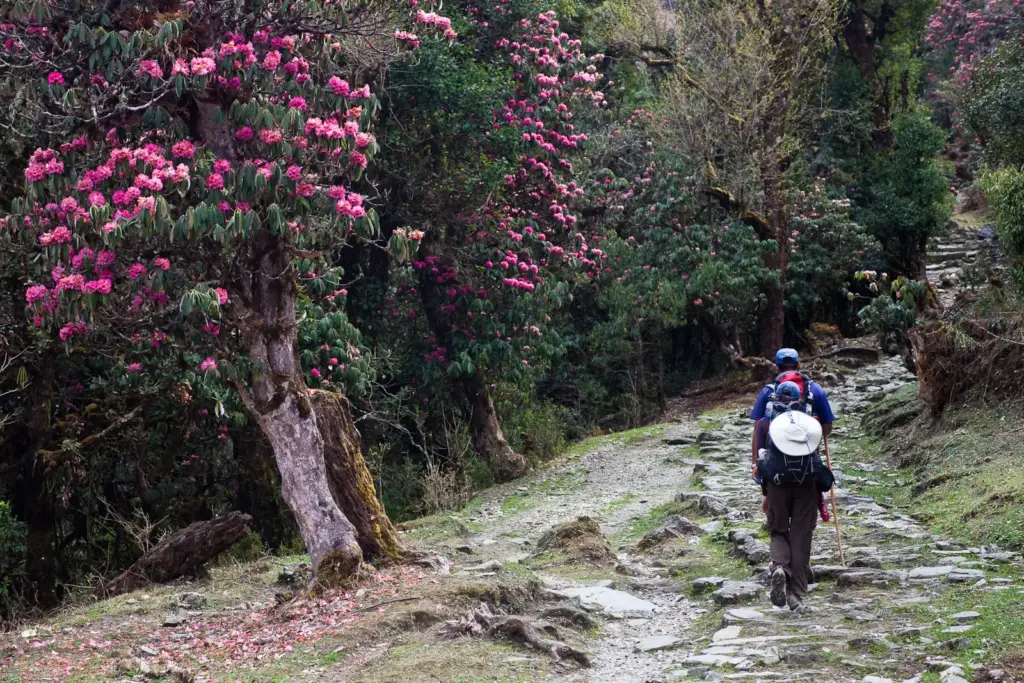
If autumn is about clarity, spring trekking holidays in Nepal are about color and renewal. As winter snow melts, the Himalayas burst back to life.
- Seasonal highlight
The blooming rhododendron forests are the star attraction. Hillsides in the Annapurna and Langtang regions glow in vibrant shades of red, pink, and white. - Climate & comfort
Spring brings longer days and warmer temperatures than autumn, making it an excellent choice for trekkers who prefer milder nights and sunnier afternoons. - Wildlife encounters
This is the ideal season for spotting Himalayan wildlife, including Himalayan tahr, musk deer, and a variety of bird species that become more active during spring. - A small trade-off
While mornings are typically clear, light haze or dust can develop in the afternoons, especially at lower elevations. This rarely diminishes the overall trekking experience.
Winter & Monsoon: For the Off-Season Adventurers
For trekkers who value solitude and unique perspectives, off-season trekking holidays offer a quieter and more intimate connection with the Himalayas.
- Winter (December–February)
Advantages:
Winter delivers some of the clearest skies of the year, along with near-empty trails. Iconic viewpoints like Poon Hill feel incredibly peaceful without crowds.
Challenges:
Night temperatures can drop sharply, often reaching -15°C above 4,000 meters. Snow may block high passes such as Thorong La, limiting route options.
Best suited for:
Lower-altitude treks (below 3,000 meters) and shorter Himalayan routes, particularly in the Everest region.
- Monsoon (June–August)
Why consider it
During monsoon season, Nepal transforms into a lush, green paradise. Waterfalls are powerful, valleys are vibrant, and the landscape feels alive.
The hidden advantage
Rain-shadow regions such as Upper Mustang and Upper Dolpo remain dry even during monsoon months, making them ideal for trekking holidays when much of Nepal is wet.
Downsides
Lower trails can be muddy and slippery, leeches are common, and cloud cover often obscures mountain views in mainstream trekking areas.
What to Expect on Trekking Holidays in Nepal

Taking your first steps onto a Himalayan trail in 2026 is a unique mix of raw adventure and unexpected comfort. While Nepal’s mountains remain wild and awe-inspiring, the facilities supporting trekking holidays in Nepal have steadily improved, making high-altitude journeys more approachable than ever before.
Daily Life on the Trail
Life in the mountains follows a simple and steady rhythm, early mornings, purposeful walking, and restful evenings.
- Trekking Hours: Most days involve 4 to 8 hours of walking, with an average of around six hours. Treks usually start by 7:00–7:30 AM to take advantage of clear morning skies before clouds build later in the day.
- Trail Conditions: Expect a constant mix of dirt paths, centuries-old stone steps (common in the Annapurna region), and rocky terrain near glaciers at higher elevations. Flat sections are rare, locals jokingly call it “Himalayan flat,” meaning a continuous sequence of climbs and descents.
Teahouse Living: Mountain Hospitality
Instead of tents, trekking holidays in Nepal rely on teahouses, family-run lodges that provide shelter, meals, and warmth along the trail. Comfort levels vary by altitude and region, but hospitality is always genuine.
- Accommodation: Rooms are usually twin-sharing with two single wooden beds. Basic bedding is provided, but a good-quality sleeping bag is essential, as bedrooms are unheated and walls are thin.
- The Gathering Space: The dining area serves as the social heart of the teahouse. Heated by a central stove, often fueled by wood or dried yak dung, it’s where trekkers relax, share stories, and warm up after a long day.
Food That Fuels the Journey
Meals on trekking holidays are designed to keep you energized. While popular stops like Namche Bazaar offer pizza, pasta, and even yak burgers, the real hero of the Himalayas is Dal Bhat.
Local Wisdom: “Dal Bhat Power, 24 Hour!” This traditional combination of lentil soup, rice, and vegetable curry comes with unlimited refills, making it both filling and economical for trekkers.
Connectivity & Facilities in the Mountains
By 2026, modern conveniences have reached deep into the Himalayas, although they become more limited and more expensive the higher you go.
- Internet Access: Most teahouses provide Wi-Fi through prepaid services such as Everest Link. Connectivity works well for basic messaging at lower elevations but slows considerably near the 5,000-meter mark.
- Electricity & Charging: Charging phones or power banks usually costs extra, ranging from $2 to $8 per charge. Many villages rely on solar energy, meaning availability can depend on the weather.
Showers & Toilets: Hot showers (solar or gas-heated) are available for a small fee, typically $3–$7. Toilets vary between Western-style and squat toilets, and at higher altitudes, flushing often involves using a bucket of water.
Cultural Experiences Along the Way
Trekking holidays in Nepal offer more than mountain views, they provide meaningful cultural encounters.
- Ethnic Communities: Along the trails, you’ll experience Sherpa culture in the Everest region, Gurung and Magar traditions in Annapurna, and Tamang heritage in Langtang.
- Spiritual Atmosphere: Prayer flags, mani walls, and ancient monasteries are constant companions on the trail. It’s important to follow local customs, such as passing mani walls and stupas on the left-hand (clockwise) side.
Essential Preparation for Trekking Holidays
Preparing for the Himalayas is as much mental as it is physical. In fact, successful trekking holidays in Nepal often come down to the right balance, roughly 30% proper gear, 30% physical fitness, and 40% mindset. As you plan your adventure for 2026, the guide below will help you get ready for high altitudes, long walking days, and ever-changing mountain conditions.
Physical Fitness & Training
You don’t need elite-level fitness, but you do need endurance and consistency. Most trekking holidays involve 5 to 8 hours of walking per day on steep, uneven terrain.
- Start 12 Weeks Ahead: Begin training at least three months before your trek. Prioritize cardiovascular fitness, such as brisk walking, running, cycling, or swimming, three to four times per week, along with leg-strength exercises like squats, lunges, and step-ups.
- Train With a Backpack: One of the best ways to prepare is by hiking with the gear you’ll actually use. Wear your trekking boots and carry a backpack loaded with 5–8 kg to simulate real trail conditions.
- Master the Ups and Downs: Stair climbing and hill training are especially effective. What tires trekkers most in the Himalayas isn’t distance, it’s the relentless ascents and descents often referred to as “Himalayan flat.”
Packing Essentials for the Himalayas
Smart packing can make or break your trekking holidays. The key principle is layering, as temperatures can swing dramatically between sunny afternoons and freezing nights.
- Essential Layers:
Base Layer: Moisture-wicking thermal wear, ideally merino wool
Mid Layer: Insulating fleece or a lightweight down vest
Outer Layer: A reliable down jacket paired with a windproof and waterproof shell - Footwear: Well-broken-in trekking boots are critical; never start a trek with new boots. Pack several pairs of wool or wool-blend trekking socks to keep feet warm and blister-free.
- Must-Have Gear: A four-season sleeping bag rated for sub-zero temperatures, trekking poles to reduce knee strain, and a headlamp for early mornings or evenings in teahouses.
Understanding and Preventing Altitude Sickness (AMS)
Altitude affects everyone differently, regardless of age or fitness level making awareness essential for safe trekking holidays in Nepal.
- The 500-Meter Guideline: Once above high altitude, avoid increasing your sleeping elevation by more than 300–500 meters per day.
- Early Warning Signs: Common symptoms of Acute Mountain Sickness (AMS) include headaches, nausea, loss of appetite, and disturbed sleep. If symptoms appear, pause and rest. If they intensify, descending is the safest option.
- Prevention Tips: Stay well hydrated by drinking 3–4 liters of water daily, avoid alcohol, and follow the “climb high, sleep low” approach whenever possible.
Permits, Guides & Insurance: 2026 Updates
Recent changes in Nepal’s trekking regulations focus on safety, sustainability, and local support, important factors to plan for in advance.
- Licensed Guides Required: As of 2026, most foreign trekkers must be accompanied by a registered, licensed guide. This improves safety, supports local employment, and ensures professional assistance in emergencies.
- Updated Permit System: The traditional TIMS card has largely been replaced. Trekkers now generally need a Local Municipality Permit (such as Khumbu Pasang Lhamu for Everest) along with a National Park or Conservation Area Permit (ACAP or Sagarmatha). Permit fees typically range between $20 and $30 each.
- Comprehensive Travel Insurance: Insurance is mandatory and non-negotiable. Your policy must cover trekking up to 6,000 meters and include emergency helicopter evacuation. Many standard travel policies stop coverage at 3,000 meters, so always verify the details carefully.
Proper preparation transforms trekking holidays from a physical challenge into a deeply rewarding experience. With the right training, equipment, and planning, the Himalayas become demanding, but entirely achievable.
Guided vs Independent Trekking Holidays in Nepal
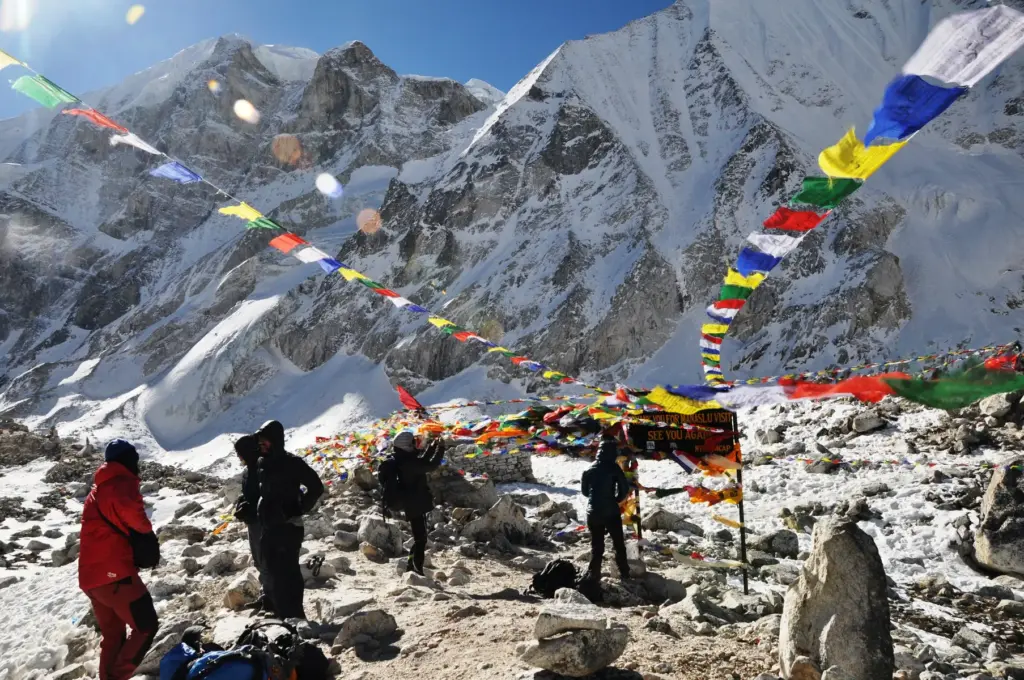
Trekking in Nepal has changed significantly over the past few years. By 2026, the romantic idea of the completely independent “lone trekker” has largely given way to a more structured approach best described as supported independence. While the Himalayan trails remain just as breathtaking, regulations around who can trek, and under what conditions are now much stricter.
Below is a clear breakdown of guided versus independent trekking holidays in Nepal as they stand today.
The 2026 Reality: Can You Still Trek Solo in Nepal?
Before comparing options, it’s essential to understand the legal framework. Since 2023, and firmly enforced through 2026, foreign trekkers are required to be accompanied by a licensed guide in most National Parks and Conservation Areas, including Annapurna, Langtang, and Manaslu.
- What “Independent” Now Means: For travelers who value flexibility, independent trekking typically means hiring a private guide, rather than trekking entirely alone or joining a large group.
- The Everest Region Exception: The Khumbu (Everest) region sometimes operates under local regulations, but the broader trend in 2026 is clear, no guide, no permit. Digital tracking systems at checkpoints increasingly enforce this rule.
Advantages of Guided Trekking Holidays in Nepal
In today’s landscape, choosing a guided trekking holiday is about far more than convenience, it’s about legality, safety, and deeper access to the region.
- Permits & Legal Compliance: Trekking agencies handle all required permits. In many regions, the old TIMS card has been replaced by digital permits issued only through registered agencies.
- Safety & Altitude Monitoring: Licensed guides are trained to recognize early symptoms of Acute Mountain Sickness (AMS). They often carry oximeters and are authorized to arrange helicopter evacuations, something extremely difficult for solo trekkers to manage independently.
- Cultural Insight: A guide adds depth to the journey. What might look like a simple stone wall becomes a sacred mani wall, rich with Buddhist meaning. Guides help bridge cultural gaps with Sherpa, Gurung, Tamang, and other local communities.
- Accommodation Advantage: During peak trekking seasons, teahouses frequently prioritize guides they know well, meaning better rooms and smoother logistics for guided trekkers.
When “Independent” Trekking Still Makes Sense
For experienced trekkers who value autonomy, independent trekking in Nepal now works best as a private guided experience, you gain freedom without sacrificing safety or legality.
- Flexible Daily Pace: With a private guide, you’re not tied to group schedules. You can linger for photography, rest longer, or walk farther when energy allows.
- Less-Touristed Routes: Fully unguided trekking is now generally limited to low-altitude, non-protected areas, such as certain community trails near Kathmandu that fall outside national park boundaries.
- Budget Awareness: While you can choose simpler teahouses and meals, you’ll still need to cover your guide’s daily fee, typically around USD 30–45 per day, depending on region and experience.
Comparison: Safety, Navigation, and Support
| Feature | Guided/Group Trek | Independent (with Private Guide) |
|---|---|---|
| Safety | High. Constant monitoring and established evacuation protocols | High. One-on-one attention; the guide focuses solely on your health. |
| Navigation | Zero effort. You just follow the leader. | Collaborative. You choose the route; the guide ensures you don’t miss a turn. |
| Local Support | Seamless. Logistics, food, and beds are pre-arranged. | High effort. You (or your guide) must negotiate for beds on arrival. |
| Social Aspect | High. You’ll have a built-in “trekking family.” | Low/Intimate. Better for deep reflection or bonding with a partner |
| Permit Ease | Handled entirely by the agency. | Requires agency registration for the permit to be valid. |
The Final Verdict
For most travelers in 2026, guided trekking holidays in Nepal, whether in a group or with a private guide, are the only legal and responsible way to explore the high Himalayas. While the era of true solo trekking has mostly passed, the rise of supported independent trekking offers a practical and rewarding alternative.
You retain flexibility and personal space, while gaining local expertise, safety support, and a trusted companion who helps ensure that your Himalayan adventure ends exactly as it should, with safe memories and a journey home.
Trekking Costs in Nepal (2026): What to Expect Each Day
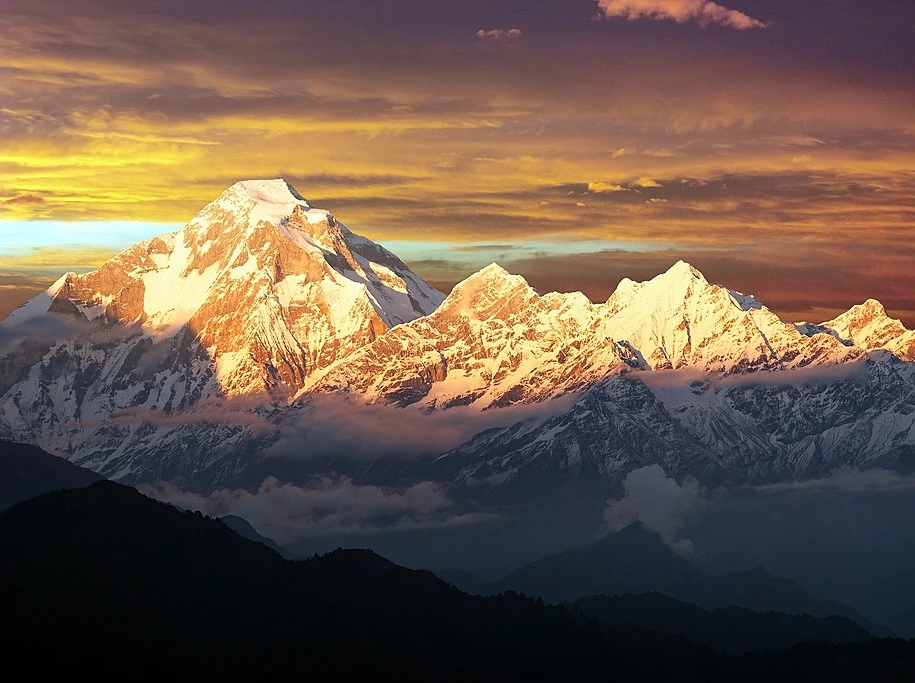
By 2026, trekking holidays in Nepal have become more structured, with guided travel now the norm across most major trails. While trekking remains affordable for different travel styles, many first-time visitors underestimate the small daily expenses that quietly add up. Knowing these costs in advance is the key to a smooth and worry-free trekking experience.
Typical Daily Expenses on a Nepal Trek
When budgeting for a trekking holiday in Nepal, it helps to break daily spending into four core categories. On average, trekkers spend $40 to $80 per day, depending on altitude, comfort level, and support services.
1. Accommodation and Lodging
Teahouse accommodation remains inexpensive by global standards. A basic twin-share room usually costs $5 to $15 per night. In lower-altitude villages, rooms can be as cheap as $3, while high-altitude settlements such as Gorak Shep may charge up to $20 due to supply challenges.
Most teahouses keep room prices low with the expectation that guests eat their meals on-site. Choosing to dine elsewhere often results in an added “room surcharge” of around $10 or more.
2. Meals and Drinking Water
Food is typically the largest daily expense on trekking routes. Expect to spend $25 to $45 per day on meals. At trailheads, dishes cost around $5–$7, while at higher elevations prices can exceed $12 as supplies must be transported by air or mule.
Bottled water costs $1 to $4 per liter, increasing with altitude. To cut costs and reduce plastic waste, many trekkers invest about $15 in water purification tablets or a filtered bottle, allowing access to free drinking water throughout the trek.
3. Guide and Porter Costs
Under updated 2026 regulations, hiring a licensed guide is standard practice. Guide fees typically range from $25 to $40 per day, covering wages, meals, accommodation, and insurance.
For lighter trekking, porters can be hired for $20 to $25 per day, carrying up to 20kg. Two trekkers often share one porter. A popular middle option is a porter-guide, costing around $30 per day, who assists with navigation while carrying a lighter load.
4. Extras and Daily Comforts
Small comforts in the mountains come at a price. Budget $5 to $15 per day for extras such as:
- Hot showers: $3–$7
- Device charging: $2–$5 per item
- Wi-Fi cards (Everest Link): $10 per day or $20 for a data package
Mobile signals are generally free but unreliable above 3,000 meters.
Budget vs Luxury Trekking Holidays in Nepal
One of Nepal’s biggest advantages is that travelers with very different budgets can walk the same trails, yet enjoy completely different experiences.
Budget Trekking Holidays ($800–$1,200 total)
- Accommodation: Simple teahouses with shared bathrooms
- Transport: Local buses or shared jeeps
- Meals: Mostly Dal Bhat (best value with free refills)
- Support: Shared guide, no porter
Mid-Range Trekking ($1,400–$2,200 total)
- Accommodation: Best available teahouses, often with private bathrooms at lower altitudes
- Transport: Domestic flights such as Kathmandu–Lukla
- Meals: Greater variety including pasta, pizza, and bakery items
- Support: Experienced English-speaking guide and one porter per two trekkers
Luxury Trekking Holidays ($3,500–$6,000+)
- Accommodation: Premium lodges like Yeti Mountain Home or Everest Summit Lodges
- Transport: Private helicopter transfers
- Meals: Gourmet dining with espresso coffee
- Support: Private guide team, assistant guides, and personal porters
What Trekking Packages Usually Include (and Don’t)
If you book a full-board trekking package in Nepal, reviewing the inclusions is essential.
Common Inclusions:
- Permits: National park and local fees ($50–$70)
- Staff Costs: Guide and porter wages, insurance, and equipment
- Accommodation: Teahouses on the trail plus 2–3 nights in Kathmandu
- Meals: Breakfast, lunch, and dinner during the trek
Common Exclusions (Hidden Costs):
- Nepal Tourist Visa: $50 for 30 days
- Travel Insurance: Must cover high-altitude trekking and helicopter evacuation (up to 6,000m)
- Tips: Typically 10–15% of total trek cost
- Wi-Fi & Charging: $20 for data cards, $3–$5 per charge
- Drinking Water: Bottled water costs add up quickly without purification tools
Responsible & Sustainable Trekking Holidays
By 2026, Nepal has firmly embraced a high-value, low-impact tourism model. Responsible trekking is no longer optional, it is built directly into trekking permits and national regulations. As a traveler, your choices play a real role in protecting the Himalayas while still enjoying a meaningful and authentic trekking holiday.
Here’s how you can trek responsibly in Nepal and leave a positive footprint behind.
Honoring Local Culture and Mountain Traditions
The Himalayan trails are far more than hiking routes. They pass through sacred landscapes and living communities shaped by centuries-old traditions. Many newer trekking routes now emphasize community-based tourism, making cultural respect an essential part of the experience.
- Walk the Sacred Way: When passing Mani walls, chortens, or stupas, always keep them on your left side (clockwise). This is a long-standing Buddhist practice observed throughout the mountains.
- Use the Right Hand: In Nepali culture, the right hand symbolizes respect. Use it, or both hands together, when offering or receiving money, food, or gifts.
- Dress Respectfully: Trekking is active, but villages remain conservative. Covering shoulders and knees, especially near monasteries and homes, shows cultural awareness.
- A Simple “Namaste” Goes Far: Greeting locals with “Namaste” and pressed palms is more than politeness, it reflects mutual respect and human connection.
Environmental Responsibility: Leaving No Trace in the Himalayas
With the introduction of the Green Fee in 2026 (an added NPR 1,000 to several conservation permits), Nepal has strengthened its commitment to protecting fragile mountain ecosystems.
- Say No to Single-Use Plastic: Plastic bottles are now restricted or banned in popular trekking regions like Everest and Annapurna. Carry a reusable water bottle with a built-in filter or purification tablets.
- Stay on Marked Trails: Avoid stepping off the path or taking shortcuts around muddy sections. This practice, known as trail braiding, causes erosion and damages alpine plants that take decades to regenerate.
- Carry Your Waste Out: Recycling options are limited at high altitudes. Bring a small waste pouch and carry non-biodegradable trash back to Pokhara or Kathmandu.
- Use Energy Thoughtfully: Most teahouses rely on solar or micro-hydro power. Turn off lights when not needed, opt for short bucket showers, and avoid ordering meat at high elevations, where transport requires extra fuel and resources.
Supporting Local Guides and Mountain Communities
The mandatory guide regulation introduced in 2026 aims to ensure trekking tourism directly benefits local people and improves safety across the trails.
- Hire Ethically: Booking a licensed guide or porter through a registered agency ensures fair wages, insurance coverage, and safe working conditions. Porter weight limits are now strictly enforced, typically capped at 20–25kg, pack responsibly.
- Eat Local Food: Choosing traditional meals like Dal Bhat supports local farmers and minimizes environmental impact. It’s also one of the most nutritious and energy-rich options for trekking.
- Buy Direct from Villages: Purchase handicrafts, wool products, tea, or souvenirs directly from local artisans along the trail. This keeps income within the community instead of tourist hubs.
- Tip with Appreciation: While guides receive regulated wages, tipping remains an important part of their income. A fair guideline is 10–15% of your total trek cost, given at the end of the journey.
Trekking Holidays in Nepal: More Than a Trip, a Life Experience
Choosing a trekking holiday in Nepal is far more than booking an adventure, it’s a journey to the heart of the Himalayas. In 2026, better trail systems, increasingly comfortable teahouses, and a strong focus on cultural preservation have elevated Nepal as the world’s premier destination for trekkers seeking both adventure and inner clarity.
Whether you come for the peaks or the people, Nepal offers an experience that stays with you long after the trek ends.
Why Nepal Remains the World’s Top Trekking Destination
Nepal stands apart because it blends dramatic landscapes with living traditions. Few places on Earth allow you to walk through lush rhododendron forests in the morning and gaze at towering 8,000-meter Himalayan giants by evening.
What truly sets Nepal apart is its teahouse trekking culture. This unique system lets you explore remote mountain regions without camping gear, while still enjoying warm meals, local hospitality, and a safe place to rest each night. It creates the perfect balance between raw wilderness and human connection, something no other trekking destination offers at this scale.
The key to an unforgettable Himalayan journey is selecting a trek that matches your time, fitness level, and travel style.
- Limited time? Short treks like Poon Hill or Mardi Himal (4–6 days) deliver spectacular Annapurna views without a long commitment.
- Ready for a challenge? Classic routes such as Everest Base Camp or the Annapurna Circuit (12–18 days) offer iconic scenery, high passes, and deep cultural immersion.
- Looking for quiet trails? Remote adventures like Upper Dolpo or the Manaslu Circuit take you far from crowds and closer to ancient Himalayan lifestyles.
- A Trek That Changes You
As Sir Edmund Hillary famously said, “It is not the mountain we conquer, but ourselves.” Trekking in Nepal is as much an inner journey as a physical one. Each step, whether gentle or demanding, offers space for reflection, resilience, and renewal.
You may come for the mountains, but you’ll return with memories of kind strangers, peaceful moments above the clouds, and a deeper understanding of your own strength.
FAQs About Trekking Holidays in Nepal
When is the best time for trekking holidays in Nepal?
The best time is Autumn (September–November) for clear skies and stable weather, and Spring (March–May) for blooming rhododendrons and longer trekking days.
Do I need a guide to trek in Nepal?
Yes. As of 2026, most treks in National Parks and Conservation Areas require a licensed guide for safety, permits, and cultural guidance.
What permits are required for trekking in Nepal?
You typically need a National Park or Conservation Area permit and a local municipality permit, costing between $20–$30 per region.
How fit do I need to be for trekking in Nepal?
Trek difficulty ranges from easy to strenuous. Prepare with cardio, leg exercises, and endurance hikes. Expect 4–8 hours of trekking per day.
What accommodation is available on Nepal treks?
Most trekkers stay in teahouses offering twin rooms and meals. Luxury lodges with hot showers, heated rooms, and Wi-Fi are available in popular areas.
What should I pack for a Himalayan trek?
Bring layered clothing, broken-in trekking boots, wool socks, a 4-season sleeping bag, trekking poles, and a headlamp. Layering helps with fluctuating temperatures.
How much does trekking in Nepal cost?
Daily costs range from $40–$80. Full trek costs vary: Budget ($800–$1,200), Mid-range ($1,400–$2,200), Luxury ($3,500–$6,000+).
Can I trek independently in Nepal?
Solo trekking in protected areas is largely not allowed in 2026. You can opt for supported independent trekking with a private guide or explore low-altitude community-managed trails.
How can I prevent altitude sickness?
Follow the “climb high, sleep low” rule, stay hydrated, avoid alcohol, and acclimatize gradually. Guides monitor symptoms like headache, nausea, and insomnia.
How do I trek responsibly in Nepal?
Respect local culture, stay on marked trails, reduce waste, use reusable bottles, hire licensed guides, support local businesses, and tip 10–15% of your trek cost.
Are meals included in trekking packages?
Most full-board packages cover breakfast, lunch, and dinner, but snacks, specialty meals, and drinks may cost extra.
Is Wi-Fi available on the trails?
Yes, most teahouses offer Free Wi-Fi and solar-powered charging, though speeds slow above 3,000–4,000 meters.