
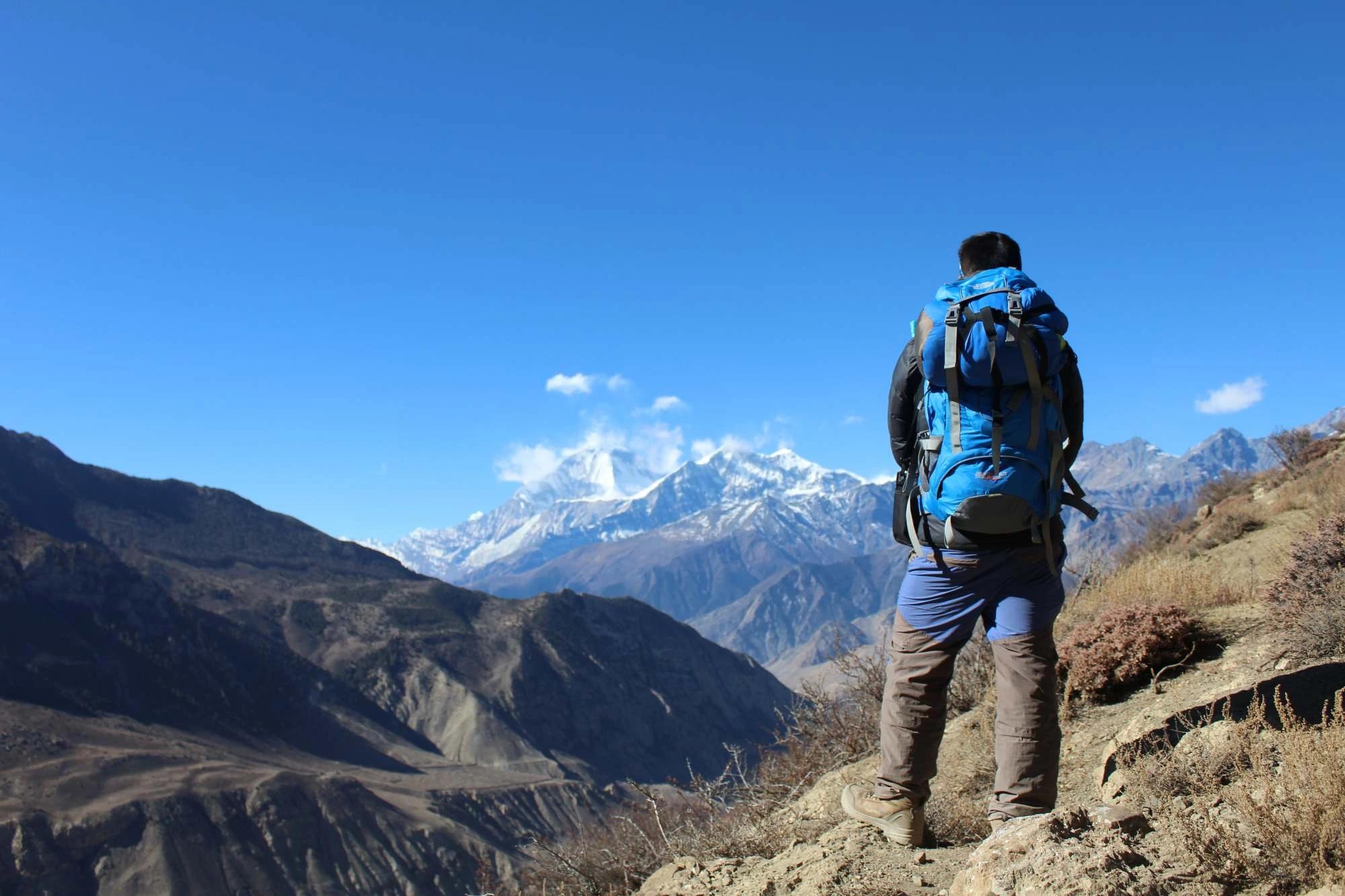
Nepal is a paradise for hikers, and not just for serious trekkers with mountaineering ambitions. Whether you have a free afternoon in Pokhara or two weeks to explore the high Himalayas, Nepal offers a trail perfectly sized for you.
From short, scenic walks through Gurung villages with Annapurna framed overhead, to multi-day ridge hikes above the clouds, Nepal’s trails take you through ancient forests, terraced farmland, Buddhist monasteries, glacial valleys, and some of the most dramatic mountain scenery on Earth. The country shelters eight of the world’s ten highest peaks, yet hiking here is surprisingly accessible to beginners.
This guide covers the top places for hiking in Nepal organized by difficulty: easy, moderate, and challenging, so you can pick the right adventure for your fitness level, available time, and interests. We’ve included honest trail stats, local expert notes, and practical planning advice to help you make the most of every step.
Why Nepal Is One of the Best Hiking Destinations in the World?
Few countries on Earth pack such diversity of landscape, culture, and altitude into one compact region. Here’s what makes Nepal stand apart from every other hiking destination:
The Himalayas + Mid-Hills: Nepal is home to eight of the world’s ten 8,000m+ peaks, yet the mid-hill trails between 1,000–3,500m offer equally stunning views with far less altitude stress. You don’t need to go high to be surrounded by Himalayan grandeur.
Living Cultural Villages: Trails pass through Gurung, Tamang, Sherpa, and Newari villages where centuries-old traditions are still actively practiced. Your hike is also a cultural immersion, you’ll walk through working farms, past ancient monasteries, and alongside locals going about daily life.
Incredible Biodiversity: From subtropical jungles in the Terai to alpine meadows above 4,000m, Nepal hosts 180+ orchid species, red pandas, snow leopards, and over 900 bird species along its trails. The rhododendron forests alone, blazing red and pink in spring, are worth a trip.
Trails for Every Level: Two-hour village walks, one-day forest hikes, three-day ridge treks, and epic 10-day high-altitude adventures, Nepal has a trail calibrated to every fitness level and every timeframe.
Year-Round Hiking Options: Unlike many mountain destinations, Nepal offers viable hiking in all four seasons, spring rhododendrons, autumn clarity, winter low-altitude walks, and lush monsoon greens in the hills.
Outstanding Value: Nepal remains one of the most affordable hiking destinations globally. Local teahouses, guides, and permits make guided hiking here exceptionally cost-effective compared to the Alps, Patagonia, or New Zealand.
Plan Your Nepal Hiking Trip with Hi Nepal Travels & Treks→
Hiking Difficulty Levels Explained

Understanding difficulty ratings before you choose a trail is crucial, especially in Nepal where altitude dramatically changes how your body performs. Here’s how we classify hikes throughout this guide:
Easy: Mostly day hikes. Altitude under 2,500m. Distance of 4–12 km per day. Well-marked paths with tea houses available throughout. No prior hiking experience needed, suitable for families and first-timers.
Moderate: 1–5 day hikes. Altitude between 2,500–3,500m. Distance of 10–18 km per day. Some steep sections with regular teahouse accommodation. Basic fitness required, you should comfortably walk 5+ hours in hilly terrain.
Challenging: Multi-day hikes of 5–12 days. Altitude between 3,500–5,500m. Long daily stages with altitude acclimatization essential. Variable weather exposure. Good fitness is non-negotiable and previous hiking experience is strongly recommended.
What Actually Affects Difficulty in Nepal
Altitude is the single biggest factor, your body uses roughly 30% more energy at 3,500m than at sea level. Daily elevation gain matters more than total distance. A 10 km day with 800m of ascent is considerably harder than a 16 km flat walk. Trail surface, weather exposure, and the availability of proper rest days for acclimatization also define how challenging a hike feels in practice.
Top Places for Hiking in Nepal
Easy Hiking Places in Nepal (Beginner Friendly)
These trails are suitable for all fitness levels, require no previous hiking experience, and can generally be completed as day hikes or short overnights from Pokhara or Kathmandu.
Australian Camp (Annapurna Region)
Difficulty: Easy
Location: Near Pokhara
Distance: 7–10 km round trip
Duration: 3–5 hours
Max Altitude: 2,060m
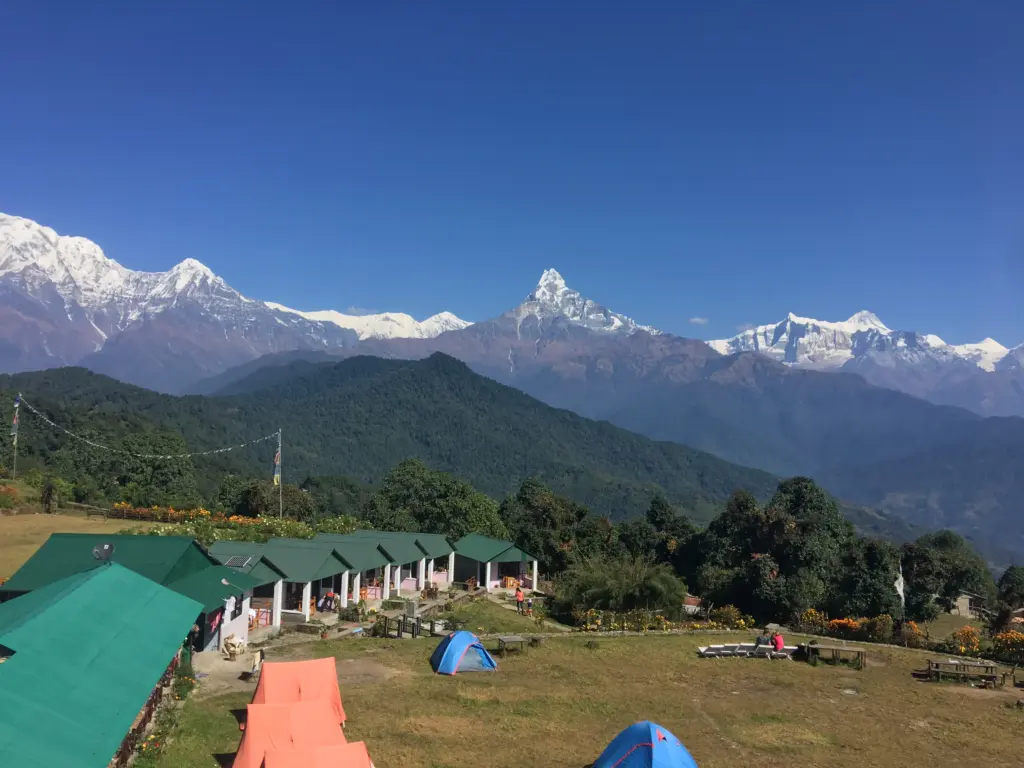
One of the most rewarding short hikes near Pokhara, the trail to Australian Camp begins at Phedi village and climbs steadily through rhododendron forests, terraced farms, and traditional Gurung settlements. The reward at the top is extraordinary: a sweeping panorama of the Annapurna massif including Machapuchare (Fishtail Mountain), Hiunchuli, and Annapurna South, especially breathtaking at sunrise when the peaks glow pink above the clouds.
The trail is well-maintained, clearly marked, and lined with teahouses where you can rest with a cup of masala tea. This is an ideal first Himalayan hiking experience for families, first-timers, and those short on time. Many hikers combine it with nearby Pothana village for a longer loop.
Local Tip: Stay the night at Australian Camp for an unforgettable sunrise over Annapurna. The camp has comfortable tea houses and the pre-dawn light show is worth every extra hour.
Dhampus Village Hike

Difficulty: Easy
Location: Annapurna Foothills, near Pokhara
Distance: 6–8 km
Duration: 2–4 hours
Max Altitude: 1,650m
Dhampus is a traditional Gurung village perched on a hillside above Pokhara, offering a beautiful combination of cultural walking and mountain scenery. The trail winds through stone-paved lanes, past slate-roofed homes, communal water spouts, and small gompa (Buddhist monasteries). The Gurung people are known for their warmth and many families open their homes to visitors.
The Annapurna range fills the northern horizon on clear days, creating stunning backdrops for photography. This easy trail is suitable for children and seniors, making it one of Nepal’s best family hiking options. It pairs perfectly with a visit to the World Peace Pagoda above Pokhara.
Shivapuri National Park Day Hike
Difficulty: Easy
Location: North Kathmandu (10 km from Thamel)
Distance: 8–16 km (various route options)
Duration: 3–6 hours
Max Altitude: 2,732m (Shivapuri Peak summit)
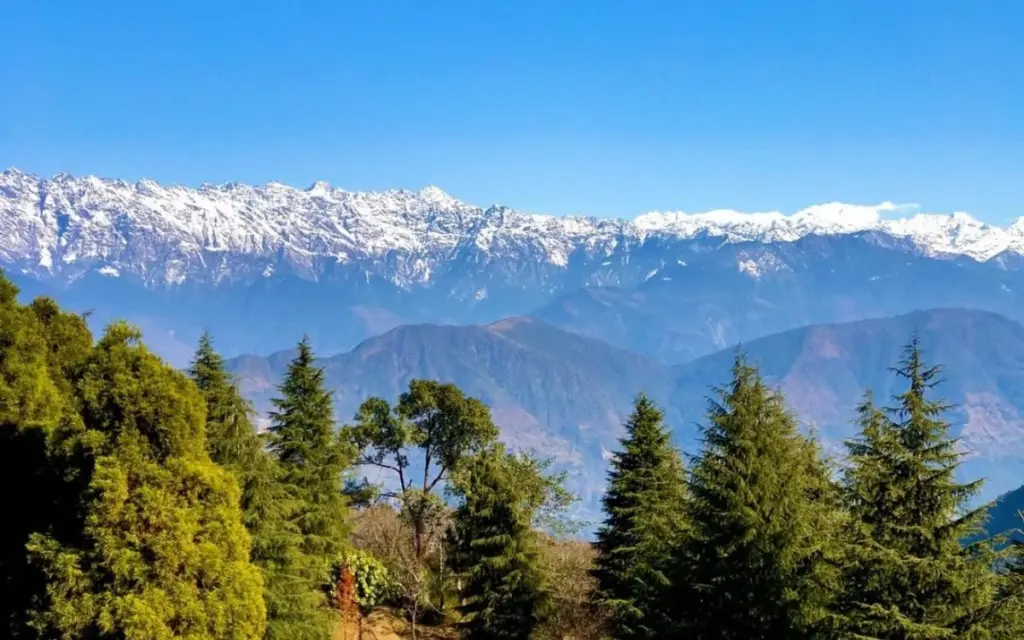
Shivapuri Nagarjun National Park is Kathmandu Valley’s most accessible wilderness escape, a protected forest zone just 10 km from Thamel. Dense oak, rhododendron, and pine forest provide a cool, serene environment year-round, making this an excellent hike for those arriving or departing Kathmandu with a spare day.
Trails vary from easy forest walks to the summit of Shivapuri Peak (2,732m), which offers sweeping views of the entire Kathmandu Valley and the Himalayan horizon on clear days. The park hosts over 300 recorded bird species, making it one of the best birdwatching areas near the capital. The revered Nagi Gompa monastery near the summit adds a meaningful cultural dimension to the hike.
Practical Note: A park entry ticket is required (NPR 500 for foreign visitors). Carry all the water you need, shops are limited inside the park boundary..
Nagarkot to Changu Narayan Ridge Walk
Difficulty: Easy to Moderate
Location: Kathmandu Valley Rim
Distance: 14–16 km one-way
Duration: 5–7 hours
Start Altitude: 2,175m
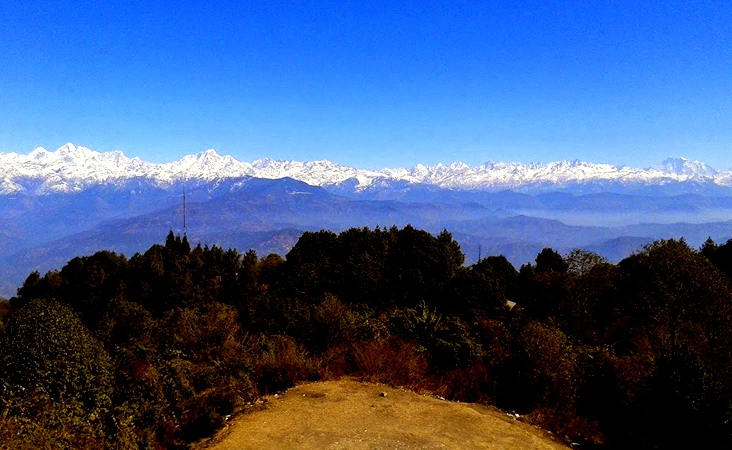
The Nagarkot to Changu Narayan ridge walk is arguably the finest Himalayan panorama hike accessible from Kathmandu within a single day. The trail begins at Nagarkot’s famous viewpoint, one of the best spots in Nepal to see a 180° sweep of peaks from Dhaulagiri to Everest, and follows the valley rim through forests, farming villages, and open ridgelines.
The destination, Changu Narayan Temple, is a UNESCO World Heritage Site and one of Nepal’s oldest surviving temples, dating to the 4th century CE. This makes the hike a compelling blend of Himalayan panorama and living cultural heritage. A local vehicle can collect you at Changu Narayan for the return to Kathmandu, completing a satisfying point-to-point adventure.
Moderate Hiking Places in Nepal
These hikes require reasonable fitness and span multiple days. Teahouse accommodation is available throughout, and altitude ranges from 2,500–3,500m. Expect 5–7 hours of hiking per day on hilly terrain.
Ghorepani Poon Hill Trek
Difficulty: Moderate
Location: Annapurna Region
Duration: 4–5 days round trip
Daily Hiking: 5–7 hours
Max Altitude: 3,210m
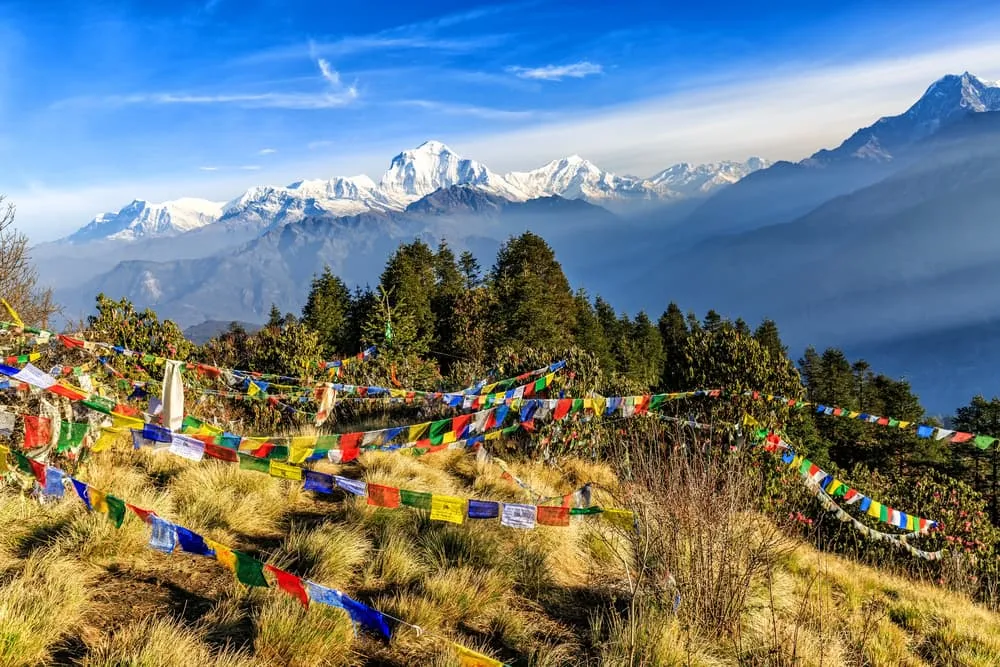
The Ghorepani Poon Hill trek is the most popular short hike in Nepal, and for very good reason. This 4–5 day loop from Nayapul near Pokhara delivers one of the most celebrated sunrise panoramas in the Himalayas. From Poon Hill viewpoint (3,210m), you watch golden light illuminate a panorama of 12+ peaks including Dhaulagiri, Annapurna I, Annapurna South, Machapuchare, Nilgiri, and Hiunchuli.
The trail passes through Ghorepani, a high-altitude Magar village, and on to the enchanting rhododendron forests between Ghorepani and Tadapani that blaze crimson and pink in spring. Teahouse accommodation is excellent throughout, making this an ideal first multi-day hiking experience. Fitness requirement is moderate, expect long uphill days, but nothing technically demanding.
Best Season: March–April (rhododendrons in bloom) and October–November (clearest skies) are peak times, but this trail is hikeable nearly year-round.
Explore the Full Poon Hill Itinerary →
Panchase Hill Trek
Difficulty: Moderate
Location: Pokhara Region
Duration: 2–3 days
Daily Hiking: 4–6 hours
Max Altitude: 2,517m
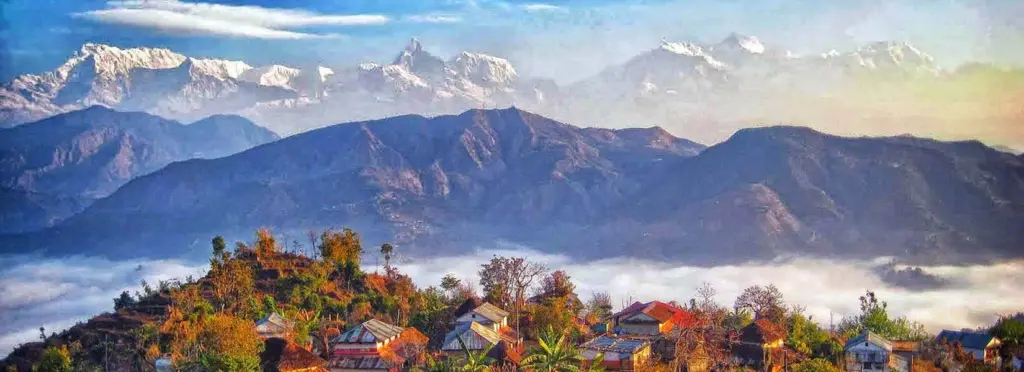
Panchase Hill is one of Nepal’s most underrated short treks, a quiet, forested alternative to the famous Poon Hill route that offers comparable Annapurna views without the crowds. The trail winds through one of the densest rhododendron forests in the Pokhara region, with over 40 species of rhododendrons recorded on the slopes.
From the Panchase viewpoint, you enjoy a clear line-of-sight to Annapurna South, Hiunchuli, Machapuchare, and the glittering Phewa Lake below Pokhara. The hike starts and ends near the lakeshore, making it easy to combine with a day in Pokhara. Excellent for travelers seeking solitude, photography, or a nature-focused experience away from the busier routes.
Langtang Valley Hike
Difficulty: Moderate to Challenging
Location: Langtang Region
Duration: 7–10 days
Daily Hiking: 5–8 hours
Max Altitude: 3,870m (Kyanjin Gompa)
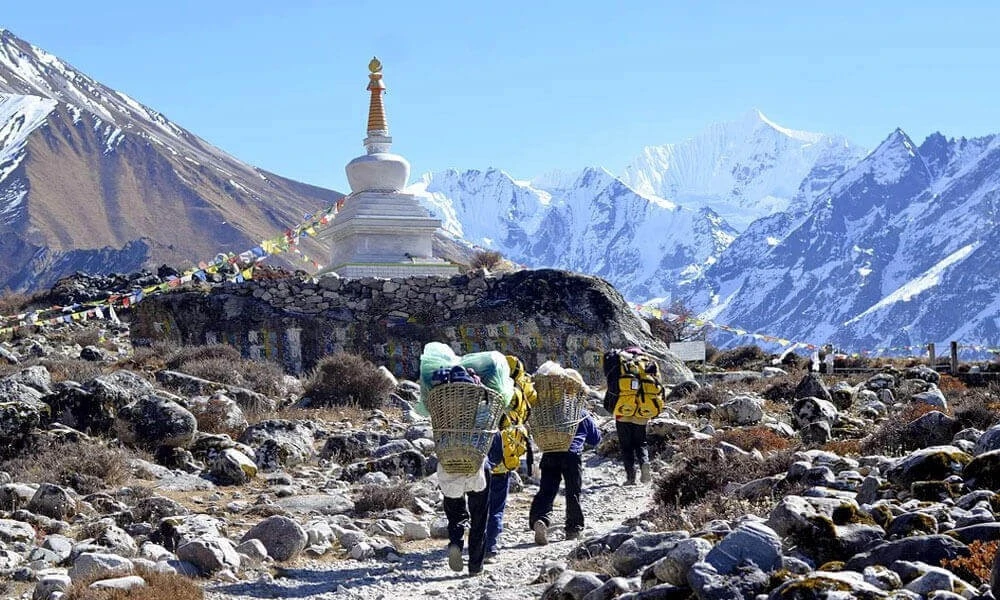
The Langtang Valley is Nepal’s most accessible mountain valley hike from Kathmandu, just 3 hours by jeep to the trailhead at Syabrubesi. The valley is framed by the dramatic wall of Langtang Lirung (7,234m) and filled with high pastures, glaciers, yak herds, and Tamang villages. It’s one of the few hikes in Nepal where the journey into the mountains feels genuinely wild and remote.
Beyond Langtang village, the trail climbs to Kyanjin Gompa (3,870m), a cluster of stone buildings including an ancient monastery and a local yak cheese factory. Ambitious hikers can scramble to Kyanjin Ri or Tsergo Ri for extraordinary 360° panoramas of the Langtang massif.
Expert Note: Langtang hosts a unique Tamang culture of Tibetan origin. Their traditions, cuisine (particularly thukpa noodle soup and yak butter tea), and gompa architecture are distinct from other Himalayan regions. The valley was heavily affected by the 2015 earthquake, hiking in Nepal supports rebuilt local communities directly.
Learn More About Langtang Trek →
Helambu Region Trek

Difficulty: Moderate
Location: Near Kathmandu
Duration: 5–7 days loop
Daily Hiking: 5–7 hours
Max Altitude: 3,650m
The Helambu trek offers an excellent multi-day hiking experience within two hours of Kathmandu, making it ideal for travelers with limited time or those combining hiking with city sightseeing. The circuit passes through Hyolmo (Yolmo) Sherpa villages characterized by intricately painted monasteries, prayer wheel paths, and traditional farmhouses decorated with Buddhist symbols.
The landscapes range from subtropical forests in the lower valleys to open alpine ridges with views of Langtang, Jugal Himal, and on clear days, even the Everest range. This is a culturally rich, less-crowded alternative to the Annapurna and Everest regions, one that rewards hikers interested in Buddhist heritage and mountain community life equally.
Challenging Hiking Places in Nepal
These are serious multi-day hikes at high altitude requiring good fitness, proper acclimatization, and ideally a licensed local guide. Altitude ranges from 3,500–5,500m. Helicopter evacuation travel insurance is essential.
Annapurna Base Camp (ABC)
Difficulty: Challenging
Location: Annapurna Region
Duration: 10–14 days round trip
Daily Hiking: 6–8 hours
Max Altitude: 4,130m
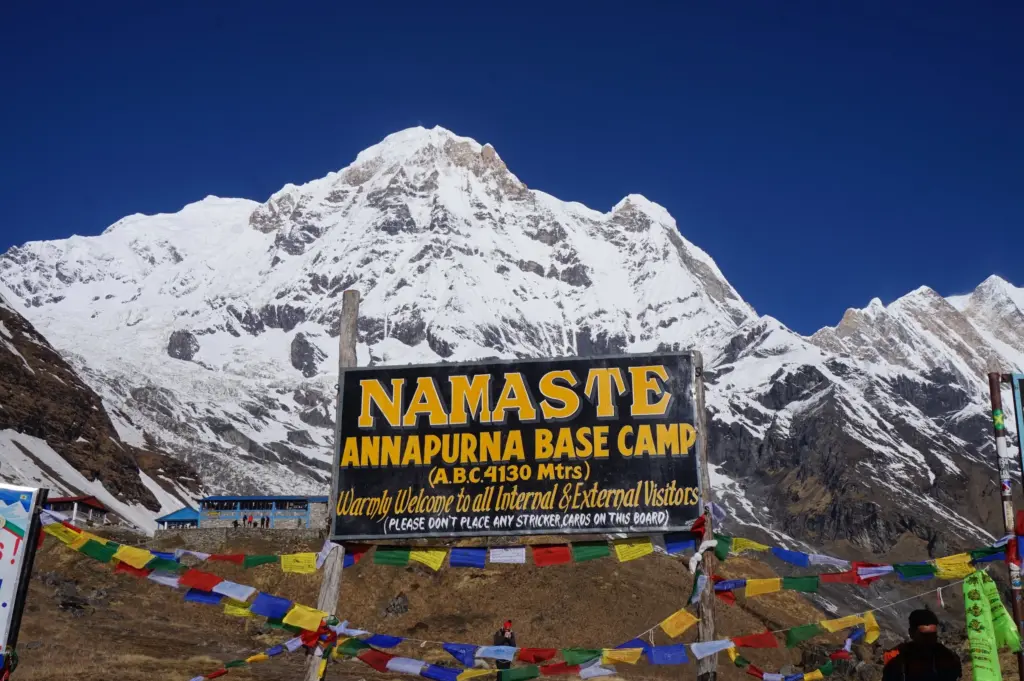
The Annapurna Base Camp trek is one of the world’s great mountain experiences, a journey through the Modi Khola gorge into the extraordinary Annapurna Sanctuary, a natural amphitheater surrounded by 360° Himalayan walls. At base camp, you stand surrounded by Annapurna I (the world’s 10th highest peak), Annapurna South, Machapuchare, Hiunchuli, and Gangapurna, all within breathtaking proximity.
The route from Nayapul passes through the Modi Khola valley, the rhododendron forests of Chomrong, and the Modi Khola gorge, one of the deepest river gorges in the world. The final approach to base camp crosses open glacial moraines with extraordinary close-up views of the South Face of Annapurna. This is a physically demanding but non-technical hike accessible to fit hikers without mountaineering experience.
Planning Note: The Annapurna Conservation Area Permit (ACAP) and TIMS card are both required. Teahouse accommodation is available throughout. The gorge section is susceptible to avalanche in heavy snowfall, always hike with a licensed local guide.
Explore the Full Annapurna Base Camp Itinerary →
Everest View Trek
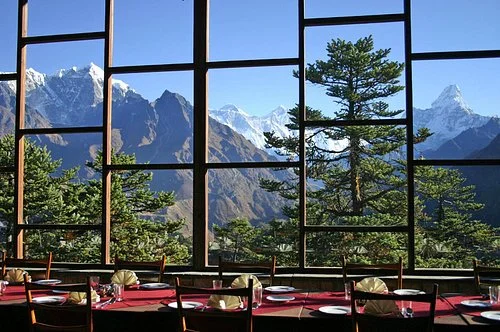
Difficulty: Challenging
Location: Khumbu / Everest Region
Duration: 7–10 days
Daily Hiking: 5–7 hours
Max Altitude: 3,880m (Namche Bazaar area)
The Everest View Trek brings you face-to-face with Sagarmatha (Mt. Everest, 8,849m) without committing to the full Everest Base Camp route. Flying into Lukla (2,860m) and hiking through Phakding, Namche Bazaar, and Tengboche to the Hotel Everest View (3,880m), you achieve unobstructed views of the world’s highest peak alongside Lhotse, Nuptse, Ama Dablam, and dozens of other giants.
The Khumbu valley is also one of the most culturally rich areas of Nepal, home to the Sherpa people, whose monasteries, mani walls, stupas, and mountaineering heritage permeate every village. Namche Bazaar, the main Sherpa trading hub, has excellent cafes, a fascinating mountaineering museum, and a weekend market. Acclimatization days in Namche are essential; this trek demands patience as much as physical fitness.
Discover the Full everest View Trek Itinerary →
Mardi Himal Ridge Trek
Difficulty: Challenging
Location: Annapurna Region
Duration: 5–7 days
Daily Hiking: 5–8 hours
Max Altitude: 4,500m
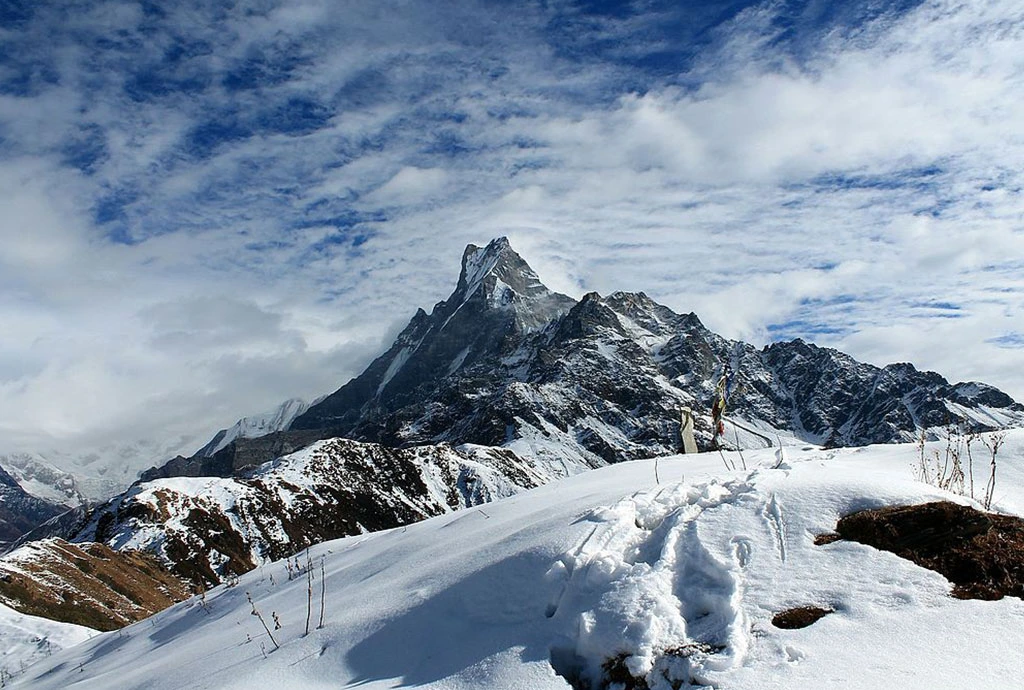
Mardi Himal Trek is Nepal’s most exciting off-the-beaten-path short high-altitude hike. The trail runs along a dramatic, narrow ridge overlooking the Modi Khola valley with jaw-dropping views of Machapuchare (Fishtail Mountain), the sacred peak that has never been climbed, at seemingly arm’s length. Mardi Himal Base Camp at 4,500m sits directly below the summit snows of Machapuchare, creating one of the most intimate mountain viewpoints in the entire Annapurna region.
The ridge route passes through dense rhododendron forests in the lower sections, emerges above the treeline into yak pastures, and narrows to exposed ridgeline as you gain altitude. The reward, solitude, scenery, and the feeling of genuinely exploring a less-traveled Himalayan trail is exceptional.
Learn More About Mardi Himal Trek →
Khopra Danda (Khopra Ridge)
Difficulty: Challenging
Location: Annapurna South Region
Duration: 7–10 days
Daily Hiking: 6–8 hours
Max Altitude: 4,740m
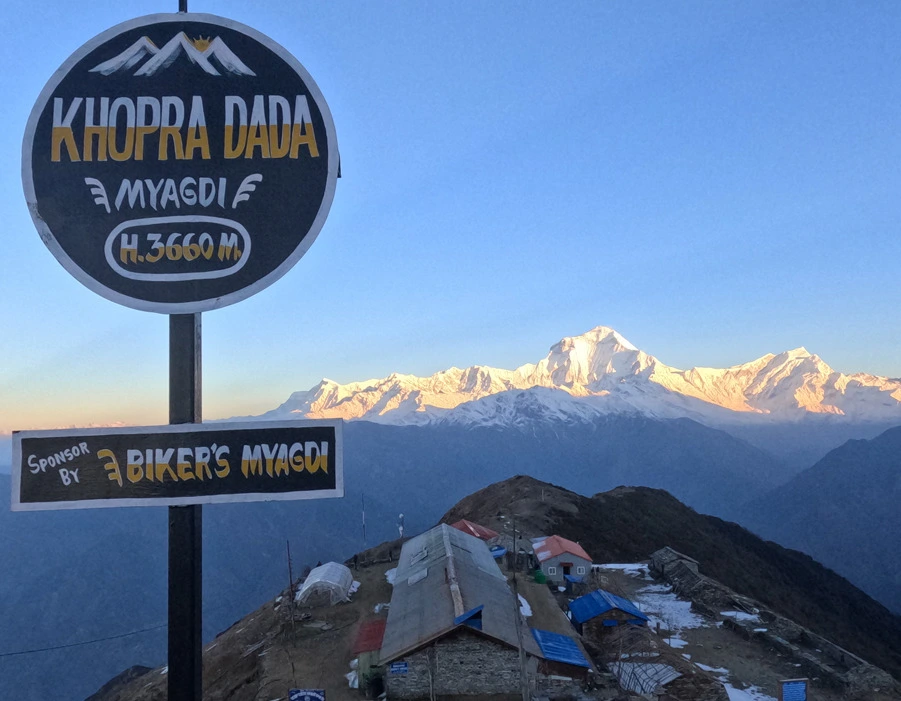
Khopra Danda (also called Khopra Ridge) is among the finest off-beat treks in the Annapurna region, a community-managed hiking route that takes you to a high ridge between Dhaulagiri and Annapurna with extraordinary views of both massifs simultaneously. At 4,740m, the Khopra Danda community lodge sits at the junction of two of the world’s greatest mountain ranges, offering a panorama very few trekkers ever see.
The optional extension to Khayer Lake (4,700m), a sacred glacial lake used for Hindu pilgrimage, adds a deeply spiritual and visually stunning dimension to this hike. All accommodation on this route is managed by local community lodges, meaning your hiking fees directly support Himalayan village economies.
Best Hiking Regions in Nepal
Nepal’s hiking geography divides into several distinct regions, each with its own character, culture, and mountain scenery. Understanding these regions helps you match your interests to the right part of the country.
Annapurna Region: Nepal’s most popular hiking region, offering extraordinary variety, from easy village hikes to high-altitude base camps. The best teahouse infrastructure in the country. Accessible from Pokhara within 1–2 hours.
Everest / Khumbu Region: Home of Sherpa culture and the world’s highest peak. Dramatic high-altitude terrain, culturally rich villages, legendary mountain views, and a mountaineering heritage unlike anywhere else on Earth.
Langtang Region: The closest Himalayan valley to Kathmandu. Tibetan Buddhist culture, glaciers, yak pastures, and excellent birdwatching in pristine forests. Ideal for Kathmandu-based travelers.
Kathmandu Valley: Day hikes through UNESCO heritage villages, forest reserves, and ridgelines with Himalayan panoramas. Perfect for short layover hikes of 4–8 hours without leaving the valley.
Manaslu / Tsum Valley: A remote restricted trekking region with dramatic Manaslu (8th highest peak) views and ancient Tibetan Buddhist culture virtually unchanged for centuries. For hikers seeking genuine remoteness.
Eastern Hills & Ilam: Nepal’s most overlooked region, tea gardens, rhododendron forests, and views of Kanchenjunga (the world’s 3rd highest peak) without the Everest crowds.
Best Time for Hiking in Nepal

Unlike many mountain destinations, Nepal offers good hiking conditions throughout the year. Each season brings different experiences, trail conditions, and crowd levels. Here are the best seasons to hike in Nepal:
Spring (March–May): The best overall season for most hikes. Rhododendron forests blaze with color. Stable weather, excellent visibility, and long daylight hours. Most popular season, book accommodation and guides in advance. Temperatures warm quickly at altitude from April onward.
Autumn (September–November): The premier trekking season. Post-monsoon skies are crystal clear with outstanding mountain visibility. Cool, stable temperatures and trails freshly washed green by the monsoon. September–October is the peak window for serious high-altitude hikes.
Winter (December–February): Best for low-altitude hikes. High passes may close with snow, but lower trails near Pokhara and Kathmandu remain excellent. Fewer crowds, lower teahouse prices, and crisp clear days with exceptional mountain views on sunny mornings.
Monsoon (June–August): Best for lush greenery and solitude. Rain brings impossibly green hillsides and dramatic waterfalls. Higher trails remain viable in rain shadow regions like Mustang and Dolpo. Leeches are present on lower jungle trails, pack gaiters and salt accordingly.
Expert Recommendation: For a first hiking trip to Nepal, aim for October–November (best clarity) or late March–April (best color). These windows combine stable weather, open trails, and the most dramatic mountain visibility of the year.
Permits & Entry Requirements for Nepal Hiking
Most hiking areas in Nepal require one or more permits. Knowing what you need before arriving saves time and avoids being turned away at trail checkpoints.
- TIMS Card: Required for most trekking areas. Cost: USD 10–20. Available at TAAN offices in Kathmandu or Pokhara.
- ACAP Permit (Annapurna Conservation Area): Required for all Annapurna region hikes. Cost: NPR 3,000 (~USD 23). Available at NTNC offices or online.
- Sagarmatha National Park Entry: Required for Everest region hikes. Cost: NPR 3,000 (~USD 23). Collected at the entry checkpoint at Monjo.
- Langtang National Park Entry: Required for Langtang region hikes. Cost: NPR 3,000 (~USD 23). Collected at Syabrubesi checkpoint.
- Shivapuri National Park Entry: Required for Shivapuri day hikes. Cost: NPR 500 (~USD 4). Collected at the park entry gate.
- Special Area Permit: Permit required for Manaslu, Tsum Valley, and Dolpo. Cost: USD 70–100+ per week depending on season. Must be arranged through a registered agency in Kathmandu.
Important note: Permit requirements and fees are updated by the Nepal government annually. Your guide or local trekking agency will always have the most current information. Since 2023, hiring a licensed guide is legally mandatory for trekking in several areas including the Annapurna and Everest circuits.
Tips for Hiking in Nepal

Altitude Awareness: Above 3,000m, ascend slowly, no more than 300–500m per day once past this threshold. Recognize the symptoms of Acute Mountain Sickness (AMS): persistent headache, nausea, dizziness, and loss of appetite. Descend immediately if symptoms worsen. Never ascend with AMS symptoms present.
Guides vs. Solo Hiking: A licensed local guide dramatically improves your experience, they navigate, handle permits, translate, and provide vital safety backup. For trails above 3,000m or in remote regions, a guide is strongly recommended. For easy day hikes near Pokhara, fit and experienced solo hiking is viable with proper maps and preparation.
Essential Gear: Pack layered clothing (temperatures swing 20°C between valley and ridge), a waterproof jacket, broken-in hiking boots with ankle support, trekking poles (invaluable on steep descents), UV protection sunscreen and sunglasses, water purification tablets or a filter, and a basic first aid kit including blister care.
Permits & Travel Insurance: Secure all required permits before hitting the trail. Travel insurance with helicopter evacuation cover is essential for any hike above 3,000m. Rescue costs without insurance can exceed USD 5,000.
Fitness Preparation: For moderate and challenging hikes, begin cardiovascular training at least 6–8 weeks before your trip. Walking, running, and cycling all help. Building stair-climbing into your daily routine is the most effective Nepal-specific preparation, strong legs mean happy knees on long descents.
Hydration and Food: Drink 3–4 liters of water daily at altitude, dehydration accelerates altitude sickness significantly. Dal bhat (lentil rice with vegetables and curry) is the ideal trail food: high energy, available everywhere on major trails, and nutritionally complete. Eat plenty of carbohydrates at altitude.
Connectivity and Communication: Nepal Telecom and Ncell SIM cards work on major trails up to roughly 3,500m. Above that, connectivity becomes unreliable. Download offline maps (Maps.me or Gaia GPS) before departing your base. For remote high-altitude routes, consider renting a satellite communicator.
Leave No Trace: Nepal’s mountain ecosystems are fragile. Carry out all plastic waste, use established toilet facilities at teahouses, stay on marked trails to prevent erosion, and avoid picking wildflowers or disturbing wildlife.
Plan Your Hiking Adventure in Nepal
Whether you want a two-hour sunrise walk above Pokhara or a ten-day high-altitude ridge expedition in the Annapurna Sanctuary, our local experts are ready to build the perfect Nepal hiking trip around your time, fitness, and interests.
We offer:
- Custom-designed hikes for any duration and difficulty level
- Day hikes from Pokhara and Kathmandu with no advance booking required
- Short 2–5 day treks with all teahouse accommodation arranged
- Licensed, English-speaking local guides with first-aid training
- All permit procurement and logistics handled on your behalf
- Small private groups for a personalized mountain experience
Frequently Asked Questions About Hiking in Nepal
-
Do I need a guide for hiking in Nepal?
For easy day hikes near Pokhara and Kathmandu, experienced hikers can manage independently with a good map. For moderate and challenging hikes above 3,000m, a licensed local guide is strongly recommended. Guides provide navigation, emergency medical support, cultural context, and permit management. Since 2023, guides are legally required for certain trekking areas including the Annapurna and Everest circuits.
-
How fit do I need to be for hiking in Nepal?
Easy trails require no special fitness, if you walk regularly, you’ll manage fine. Moderate hikes like Poon Hill require you to comfortably walk 5–6 hours per day over hilly terrain. Challenging hikes like Annapurna Base Camp or Everest View demand a solid cardio base built over at least 6–8 weeks of preparation. Altitude, not distance, is the primary challenge. Your body’s acclimatization capacity matters more than your walking speed.
-
What is the best time of year to hike in Nepal?
October–November offers the clearest mountain views and most stable weather, making it the optimal choice for high-altitude hikes. March–May is the second peak season, famous for rhododendron blooms throughout the trail forests. Low-altitude hikes near Pokhara and Kathmandu are viable in all seasons, including winter and monsoon.
-
How much does hiking in Nepal cost?
Budget hiking can cost as little as USD 25–40 per day including accommodation, meals, and a guide on simpler routes. Guided day hikes near Pokhara typically cost USD 50–100 with a local company. Multi-day guided hikes like Poon Hill range from USD 300–600 total. Challenging hikes like Annapurna Base Camp or Everest View run USD 800–1,500 with guide, permits, and teahouse accommodation included.
-
Is hiking in Nepal safe?
Nepal’s major hiking trails are generally very safe when approached with proper preparation. The primary risks are altitude sickness (manageable with slow ascent), trail injuries (minimized with proper footwear and trekking poles), and weather changes (managed with layered clothing). Hiring a licensed guide, purchasing helicopter evacuation insurance, and informing your guesthouse of your daily route are the three most important safety practices.
-
Can I hike in Nepal as a complete beginner?
Absolutely. Australian Camp, Dhampus, Shivapuri, and the Nagarkot to Changu Narayan trail are all designed for first-timers and require no previous hiking experience. These trails have clear paths, teahouse rest stops, and manageable elevation gains. They deliver an authentic Nepal mountain experience within hours of arriving in Pokhara or Kathmandu.