
A Manaslu Circuit Trek packing list need a few things that you might not need in other Nepal terk. You’ll start in warm, humid river valleys, spend night in cold teahouses around Samagaon (3,530 m), and eventually leave Dharamsala in the dark for crossing of Larkya La at 5,106 m.
The remote location also means that packing mistakes can be difficult to fix. Teahouses are basic and shops become limited as you go higher. After Jagat, there are fewer chances to replace some things you have forgotten.
At the same time packing too little can leave you cold,wet or dealing with painful feet. While packing too much will make those long descents harder on your knee.
That said, the answer isn’t a longer list. It’s the right one. This guide covers what to pack for the Manaslu Circuit Trek, why each item matters at different altitudes, and what to leave behind.
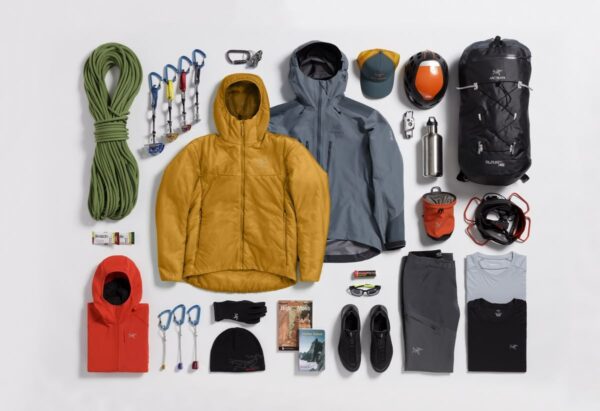
Manaslu Trek Packing List at a Glance
Here’s a quick look at the Manaslu trek packing list before we get into the details.
| Category | What goes in it |
| Must-have | Broken-in trekking boots, down jacket, waterproof shell jacket and pants, warm sleeping bag, base layers, insulated gloves, warm hat, sun hat, sunglasses, sunscreen, headlamp with spare batteries, water bottles and purification, personal medicines, basic first-aid kit |
| Strongly recommended | Trekking poles, sleeping-bag liner, gaiters, power bank, dry bags, camp shoes, blister kit, earplugs, offline maps, cash in small notes |
| Optional | Microspikes (season-dependent), camera or action cam, book or journal, lightweight shorts, extra power bank, thermal sleeping layer |
| Leave behind | Jeans, cotton hoodies, extra “just in case” shoes, bulky toiletries, hair dryers, laptops, multiple heavy books, more than one change of off-trail clothes |
Weight targets:
This is where a good Manaslu trek gear list becomes more than just a list of things to buy. You also need to think about how much you are actually carrying. a real packing plan.
- Daypack: Aim around 5 to 8 kg. It should contain the things you will need during the day, nothing more.
- Porter bag: Weight limits can vary depending on the operator and how many trekkers are sharing a porter. As a rough guide, many treks work well at around 10 to 12 kg per trekker, but confirm the exact limit with your agency before packing.
Documents, Permits and Money
Keep your document in the small folder or waterproof pouch in your daypack not in your porter bag. Your guide will usually handle the permit paperwork, but you still need to carry the right document with you.
- Passport and visa :Carry your original passport. Photocopies are not accepted for permits.
- Trekking permits: Manaslu is a restricted area, so permits are arranged through a licensed agency. Depending on your exit route, that can include extra permits if you finish via Dharapani. Your operator will confirm what applies. For packing purposes, just make sure the originals stay and are protected from getting wet.
- Travel insurance: Check that your insurance covers trekking at altitude and helicopter evacuation. Keep the policy number and emergency contact details somewhere easy to find. If you want to understand what an evacuation involves, read about rescue flights in Nepal.
- Cash: There are no reliable ATMs along the trail. Carry enough Nepali rupees for teahouse meals, charging, hot showers, tips and snacks. Small notes are much more useful than large ones.
- Emergency information: Write your insurer’s contact number, your guide’s number and an emergency contact on a card in your passport pouch.
A zip-lock bag or small waterproof pouch is enough to keep all of these things together and protected.
Clothing for the Manaslu Circuit Trek
Clothing makes up a large part of your Manaslu Circuit Trek gear, but the challenge isn’t simply dealing with the extreme cold. It’s dealing with changing conditions along the route.
Jagat and Deng can be warm and humid, while nights around Samagaon (3,530 m) and Samdo (3,875 m) can get properly cold. By the time you reach Dharamsala (4,460 m) you’ll probably be wearing most of the layers you packed.
- Base layers: Two to Three moisture-wicking tops (merino or synthetic), 1 thermal bottom and 1 sleep set. They manage sweat, and wet cotton at altitude gets cold fast. Thermals are mainly for higher camps and past days, and the sleep set keeps clothes out of your sleeping bag.
- Mid layers: Pack 1 warm wool or synthetic jacket and 1 heavier insulating layer. These provide your warmth beneath the down jacket. They will be especially useful for Namrung onward, including chilly teahouse dining rooms where the stove may be the source of heat.
- Outer layers: 1 down jacket, 1 waterproof and windproof shell, and waterproof overtrousers. The down jacket is essential above Samagaon. The shell stops wind on exposed sections. Overtrousers are light and rarely used. Are worth carrying on any Manaslu trek packing list.
- Trekking pants and shorts: 2 quick-dry trekking pants, plus optional lightweight shorts. Pants protect against sun, brush and cold wind, and can be washed and reused. Shorts are usually only worn for the days in the lower valleys.
- Headwear:Sun hat or cap, warm winter hat and a buff: The sun hat is useful for exposed valleys and sunny climbs, while the winter hat keeps your head warm in the mornings. The buff helps shield your face from dust and wind.
- Gloves and hand protection: Thin liner gloves and insulated, windproof gloves or mittens. Liners work for early mornings and pole use, while the warmer pair is for pass days and camps. Mittens are usually warmer than gloves, and spare liners help if you lose things easily
- Socks: 3 to 4 pairs of merino-blend trekking socks, 1 warm sleeping pair.Your feet do the most work, so don’t cut corners here. Rotate socks and keep one pair dry for sleeping.
Footwear for the Manaslu Trek
- Broken-in trekking boots: Your boots should be waterproof or water-resistant, with good ankle support and reliable grip. Wear them on several long training hikes before you leave for the trek. Getting blisters on the second can affect the rest of the journey and the descent from Dharamsala (4,460 m) down to Bhimtang (3,720 m) can be especially demanding on your feet and knees.
- Trekking socks: Pair your boots with the same socks you’ll wear on the trail, and test the combination at home.
- Camp shoes: Lightweight sandals or sneakers are useful for evenings. Your feet will thank you, and they also help dry out after a wet day.
- Gaiters: These are useful on snowy or muddy sections during monsoon conditions and on pass day if there’s fresh snow. They help keep water, snow and debris from getting inside your boots.
- Microspikes or traction: Not needed in every season. They are worth considering if you’re trekking in the winter or early spring or if your guide expert carries them if you’re trekking in winter or early spring, or if your guide expects icy ground on the pass. Check the condition with your operators before deciding whether to carry them.
Sleeping Gear and Teahouse Essentials
Manaslu teahouses are simpler than those on some of Nepal’s better-known trekking routes, and rooms are rarely heated. Once you are at the high camp you should be prepared for cold nights.
- Sleeping bag: Bring a warm bag suited to freezing nights. A comfort rating around -15°C is a common recommendation for autumn and spring, with a warmer rating for winter. If you’re renting one, check it carefully before you leave.
- Sleeping-bag liner: Adds a few degrees of warmth, keeps the bag cleaner and gives you something between you and shared teahouse blankets.
- Teahouse blankets: Many lodges provide extra blankets, but don’t build your plan around them. Treat them as a bonus.
- Small comfort items: A book, a small notebook, a few tea bags or a favourite snack can make evenings in a cold teahouse much easier, especially if weather delays your day.
Daypack vs Porter Bag: What Goes Where?
This is one of those areas where good packing makes the trek much easier. Your porter bag travels separately and will usually reach the teahouse either before or after you. So, If something isn’t in your daypack, assume you won’t see it until evening.
Aim for a daypack of around 5 to 8 kg, and keep the porter duffel as light as you can.
What to Keep in Your Daypack
- Water: Carry bottles or a hydration system and fill them each morning.
- Snacks: Energy bars, nuts, chocolate or anything else you’ll actually enjoy eating at altitude.
- Layers: Keep a fleece or mid layer with you, along with your down jacket on colder days.
- Rain protection: Your shell jacket stays in the daypack, along with overtrousers if the forecast looks uncertain.
- First aid: Carry a small blister kit, painkillers, any personal medicines you need during the day.
- Documents: Keep your passport, permits and cash in a waterproof pouch.
- Camera or phone: Plus a small power bank.
- Headlamp: Always, even on a “normal” day. Delays happen.
- Sun protection: Sunscreen, lip balm, sunglasses and a hat.
What to Put in the Porter Duffel
- Extra clothing :Spare base layers, warm socks, evening clothes.
- Sleeping gear: Sleeping bag and liner.
- Less frequently needed items: Camp shoes, spare batteries, a book, chargers, anything you only use at night.
Note: If you won’t need it before you reach the teahouse, it goes in the duffel. If you might need it in the next five hours, it stays with you.
Essential Trekking Gear
These are the items you will find on almost every Manaslu trek equipment list, but each one has a practical reason for being there.
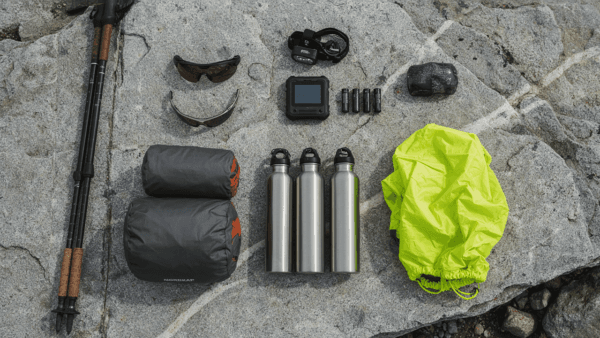
- Trekking poles : These are especially useful during the long descent from Larkya La and on rocky moraine sections. They give you extra stability on narrow trails and can take some pressure off your knees.
- Headlamp and batteries: You’ll need a headlamp for pre-dawn starts and for getting around teahouse power cuts. Carry spare batteries and keep them warm at night because cold temperatures can drain them fast.
- Water bottles: Two one-litre bottles are usually fine. In freezing conditions insulated sleeves can help or you can keep a bottle upside down to reduce the chance of opening freezing.
- Sunglasses: Choose good quality lenses with strong UV protection and some side protection. Snow and high-altitude sunlight can be hard on your eye.
- Offline maps: Download maps before you leave, as mobile coverage is unreliable along much of the route.
- Rain cover and dry bags: A rain cover for your daypack and dry bags inside your duffel protect your sleeping bag and clothes from wet weather and river crossings.
Health, First Aid and Personal Hygiene
Pack this part of your bag for yourself, not as if you are preparing for a hospital. Pharmacies are limited along the route,so bring you personally rely on.
- Personal medicines: Bring enough for the whole trek, plus a few extra days.
- Basic first-aid kit: Plasters, bandages, antiseptic wipes, painkillers, anti-diarrhoea tablets, rehydration salts and tape.
- Foot irritation care and prevention: Carry protective plasters and tape, and cover any hot spots early before they develop into painful sores.
- Altitude-related medication: Talk to a doctor before you go about whether altitude medication suits you. Don’t start any prescription without medical advice.
- Personal hygiene items: Wet wipes, toilet paper, small tissues and a few zip-lock bags for waste.
What to Pack for Different Seasons
What to pack for the Manaslu trek doesn’t actually change as much as you might expect from season to season.
The basic list stays fairly similar, while the biggest difference is how much warmth and waterproof protection you”ll need.
For help choosing when to go, see our guide to the best season for the Manaslu Circuit Trek.
Spring and Autumn
These are the main trekking seasons. You can generally expect clear mornings, cold nights and relatively stable weather. A normal layering system works well: base layers, fleece, down jacket, shell and a warm sleeping bag. Autumn is typically drier and spring can bring more afternoon cloud.
Monsoon
Monsoon isn’t generally recommended for Manaslu because of landslides and slippery trails. If you decide to trek during this period anyway, your packing needs to focus heavily on staying dry.
- Waterproof protection: A good rain jacket, overtrousers and a pack cover.
- Dry bags: Line your duffel and keep your sleeping bag in a separate dry bag.
- Extra protection from wet conditions: Spare socks, quick-dry clothing and gaiters.
- Leech protection: Wear gaiters, use repellent, and tuck your pants into your socks when walking through damp, lower sections of the trail.
Winter
Winter trekking is possible for experienced trekkers, but you”ll need to prepare for colder conditions and potentially more snow.
- Extra insulation: A warmer down jacket and thermal layers.
- Warmer gloves: Insulated mittens and spare liners.
- Heavier layers: Warm mid layers, a thicker beanie and warm sleeping bag.
- Microspikes or traction: Snow and ice on the pass make these much more important.
| Item | Spring/Autumn | Monsoon | Winter |
| Down jacket | Yes | Yes | Heavier |
| Waterproof shell | Yes | Essential | Yes |
| Gaiters | Optional | Strongly recommended | Strongly Recommended |
| Microspikes | Rarely needed | No | Often needed |
| Sleeping bag | Warm | Warm and dry | Very Warm |
| Dry bags | Recommanded | Essential | Recommanded |
Packing for the Larkya La Pass Day
Pass day is the day you should pack backwards. Think about what you”ll need at 3 a.m., at 5,106 m, and during the six or so hours that follow.Then make sure those things are packed in your daypack and easy to reach.
Our Larkya La Pass guide covers the route and conditions in more detail.
You’ll typically leave Dharamsala very early, often around 3 a.m., to avoid stronger afternoon winds and icy conditions. It’s a long day of walking followed by a steep descent towards
Bhimtang.
Keep these in your daypack, easy to reach:
- Extra warm layers: Down jacket, fleece, hat and buff.
- Headlamp: With fresh batteries, and a spare in a pocket.
- Water: At least a full day’s supply, kept from freezing.
- Snacks: Easy to eat, things like chocolate, nuts or bars you can eat with gloves on.
- Gloves: Liner plus insulated gloves or mittens.
- Sunglasses and sunscreen: The sun gets strong quickly once it rises, especially on snow.
- Traction: Carry microspikes if conditions require them, based on your guide’s advice.
- Poles: Your knees will need them on the descent.
Put the warmest layer on top of your pack rather than burying it underneath everything else. When your hands are cold and you’re standing in the dark, you don’t want to empty your entire bag just to find your jacket.
Water, Charging and Power on the Manaslu Trek
How much water to carry: Aim for roughly 2 to 3 litres a day, carry more on particularly strenuous days. Staying hydrated becomes especially important at altitude, and you’ll be able to refill at teahouses along the route.
Purification options: Tablets or drops are lightweight and reliable. A filter is another option if that is what you prefer. The best method is simply the one you”ll actually remember to use consistently.
Cold-weather considerations: Water can freeze at higher camps and during pass day. Keep your bottles insulated, store them upside down and, when necessary, keep one inside your jacket to stop it from freezing.
Charging availability: Teahouses usually charge for device charging, and electricity can be limited or unreliable, particularly at the higher altitude. Don’t plan on being able to charge everything every night.
Power banks: One or two reliable power banks are better than assuming you”ll always find a working socket. Whenever you do have access to power,charge them fully.
Phone and camera battery management: Cold drains batteries quickly. Keep them in an inner pocket during the day and in your sleeping bag at night. Switch your phone to airplane mode when you don’t need signal.
What to Pack for Side Trips and Optional Activities
Keep it simple. Most side trips need a little extra rather than a whole new kit.
- Manaslu Base Camp: Warm layers, sun protection, water and snacks. It’s a long, high-altitude day, so pack as you would for a lighter version of pass day.
- Birendra Lake: A shorter outing near Samagaon. A warm layer, windproof jacket, water and sunglasses are usually enough.
- Hot springs: If you’re passing one, a quick-dry towel and a spare change of clothes make it more enjoyable. Check beforehand whether it’s open to visitors.
- Cultural visits: Wear respectful clothing in villages and monasteries, keep some small notes for donations, and pass mani walls and chortens clockwise. Always ask permission before taking photos of people or religious ceremonies.
If you want a longer cultural extension, the Manaslu & Tsum Valley trek adds more days, so plan your clothing and supplies accordingly.
What to Rent vs Buy for the Manaslu Trek
Not everything on your Manaslu trek equipment list needs to be bought . Pokhara have shops that rent trekking gear. Quality varies, so inspect everything before you commit
Items Worth Bringing From Home
- Trekking boots
- Personal clothing
- Personal medicines
- Sunglasses, headlamp and poles you already use
Items You Can Rent in Pokhara
- Sleeping bag
- Down jacket
- Duffel bag
- Trekking poles
- Other suitable equipment
Common Manaslu Trek Packing Mistakes
Most problems with a Manaslu Circuit Trek packing list come from the same few mistakes.
- Overpacking: If you wouldn’t want to carry it for two weeks, leave it behind.
- Carrying too much in the daypack: More than a few extra kilos adds up across 6 to 8 hour days.
- Taking unbroken-in boots: The easiest way to ruin your trek.
- Not packing for the pass: Forgetting that Larkya La needs its own planning, with warm layers, headlamp and snacks within reach.
- Too few warm layers: Nights at higher teahouses are colder than many people expect.
- Forgetting waterproof protection: Even in good seasons, weather can change quickly.
- Ignoring charging limitations: Assume you’ll have limited power, and pack accordingly.
- Carrying unnecessary items: Spare shoes, a large book collection, and “maybe” gadgets all add weight without adding value.
Frequently Asked Questions
What should I pack for the Manaslu Circuit Trek?
Pack layers for warm valleys and cold high camps: base layers, fleece, down jacket, waterproof shell, warm sleeping bag, broken-in boots, headlamp, water purification and personal medicines. Add trekking poles and a power bank. Keep weight low.
How much should my Manaslu trek daypack weigh?
Aim for about 5 to 8 kg. It should hold water, snacks, layers, rain protection, first aid, documents, camera or phone and a headlamp.
What kind of sleeping bag do I need for Manaslu?
A warm bag rated for freezing temperatures. A comfort rating around -15°C is a common recommendation for autumn and spring, with a warmer one for winter. A liner adds warmth.
Do I need microspikes for the Manaslu Trek?
Not always. They’re most useful in winter, early spring or after fresh snowfall on Larkya La. Ask your operator about conditions before your trek.
Can I rent trekking gear in Kathmandu?
Yes. Sleeping bags, down jackets, duffels and poles can usually be rented in Kathmandu or Pokhara. Check quality carefully before you commit.
What should I pack for the Larkya La Pass?
Extra warm layers, headlamp, gloves, water, snacks, sunglasses, sunscreen and traction if conditions require it. Keep everything in your daypack, with the warmest layer easiest to reach.
What should I keep in my daypack on the Manaslu Trek?
Water, snacks, layers, rain gear, first aid, documents, camera or phone, headlamp and sun protection. Anything you won’t need until you reach the teahouse goes in the porter bag.
What should I pack for the Manaslu Trek in winter?
Add a warmer down jacket, heavier mid layers, insulated mittens, a warmer sleeping bag and microspikes. Extra thermal layers help too.
What changes when packing for Manaslu during monsoon?
Waterproof protection becomes the priority: a good shell, overtrousers, pack cover, dry bags and gaiters. Leech protection is also worth considering. Monsoon isn’t generally recommended for this route.
Ready to Plan Your Manaslu Circuit Trek?
Once your Manaslu trek packing list is sorted, the rest is logistics. If you’d like help with permits, guides and planning, Hi Nepal Travels & Treks can help you plan your Manaslu Circuit Trek from Pokhara.