
Annapurna Region
.webp&w=3840&q=75)
Discover the Magic of Annapurna Region Trekking
Widely regarded as one of the finest trekking destinations on Earth, Annapurna region trekking offers an experience that is both incredibly diverse and deeply rewarding. Nestled in north-central Nepal, this iconic region is centered around the mighty Annapurna massif, which includes Annapurna I (8,091 m), the 10th highest mountain in the world.
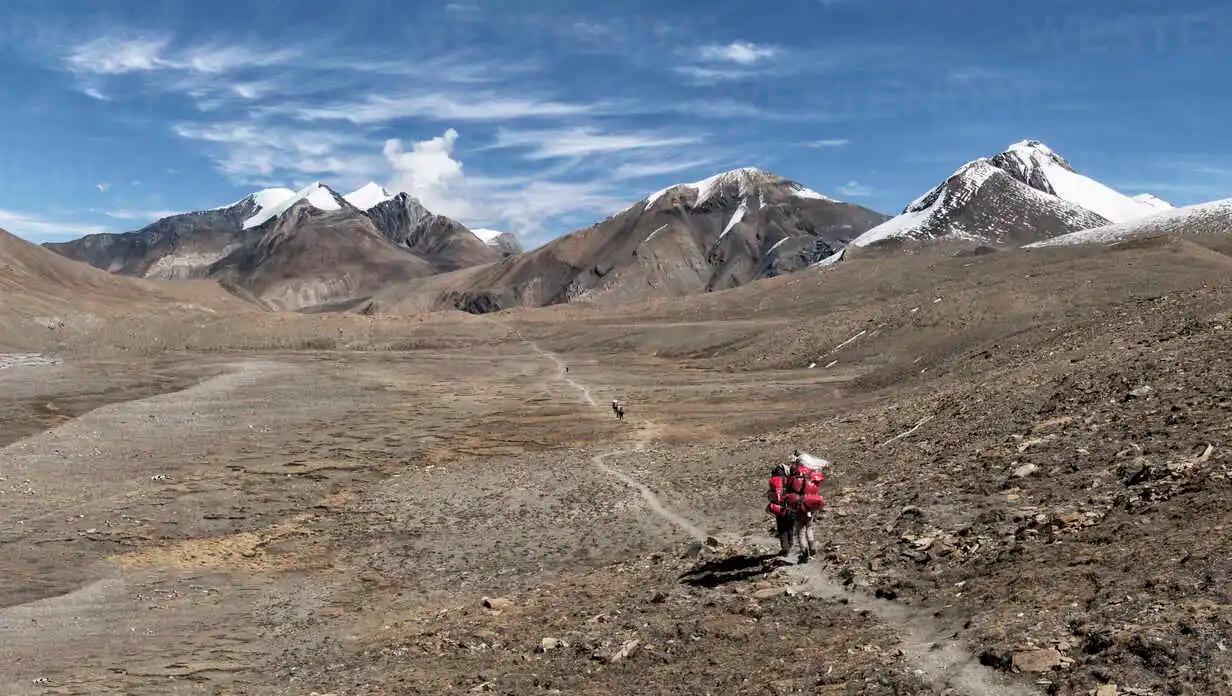
What truly sets trekking in Annapurna Nepal apart is the remarkable contrast you encounter along the trails. Within just a matter of days, trekkers can journey from lush subtropical landscapes filled with banana trees and terraced rice fields to rugged alpine terrain that feels closer to the Tibetan plateau. This dramatic shift in scenery creates a trekking experience unlike anywhere else in the Himalayas.
But the Annapurna region is more than just breathtaking landscapes, it is a place where culture and nature are deeply intertwined. The trails pass through traditional villages inhabited by Gurung and Magar communities, where warm hospitality and a slower pace of life offer a meaningful cultural connection. Staying in locally run tea houses, sharing stories by the fire, and enjoying home-cooked meals are all part of what makes this journey so memorable.
Why the Annapurna Region Stands Out?
The Annapurna Conservation Area (ACA), Nepal’s largest protected region, continues to attract trekkers from around the world, and for good reason. Here’s what makes it truly special:
-
Exceptional Landscape Diversity
Few trekking regions offer such an incredible range of natural beauty. From dense rhododendron forests in bloom during spring to dramatic river gorges and high-altitude deserts, every day on the trail brings a new environment to explore.
-
Easy Accessibility
Unlike more remote Himalayan regions, the Annapurna trails are easily accessible via Pokhara, a scenic lakeside city that serves as the main gateway. Whether you’re planning a short 3–4 day trek or a multi-week expedition, there are numerous Annapurna trekking routes to suit your schedule and experience level.
-
Rich Cultural Experience
The Annapurna region offers a rare opportunity to trek through living, vibrant communities. Along the way, you may encounter yak caravans transporting goods, visit centuries-old monasteries, and unwind in natural hot springs after a long day’s hike. The blend of Hindu and Buddhist traditions adds a unique spiritual dimension to the journey.
-
Iconic Routes for Every Adventurer
One of the greatest strengths of the Annapurna region is its variety of trekking options, making it suitable for both beginners and experienced hikers:
-
Annapurna Circuit Trek
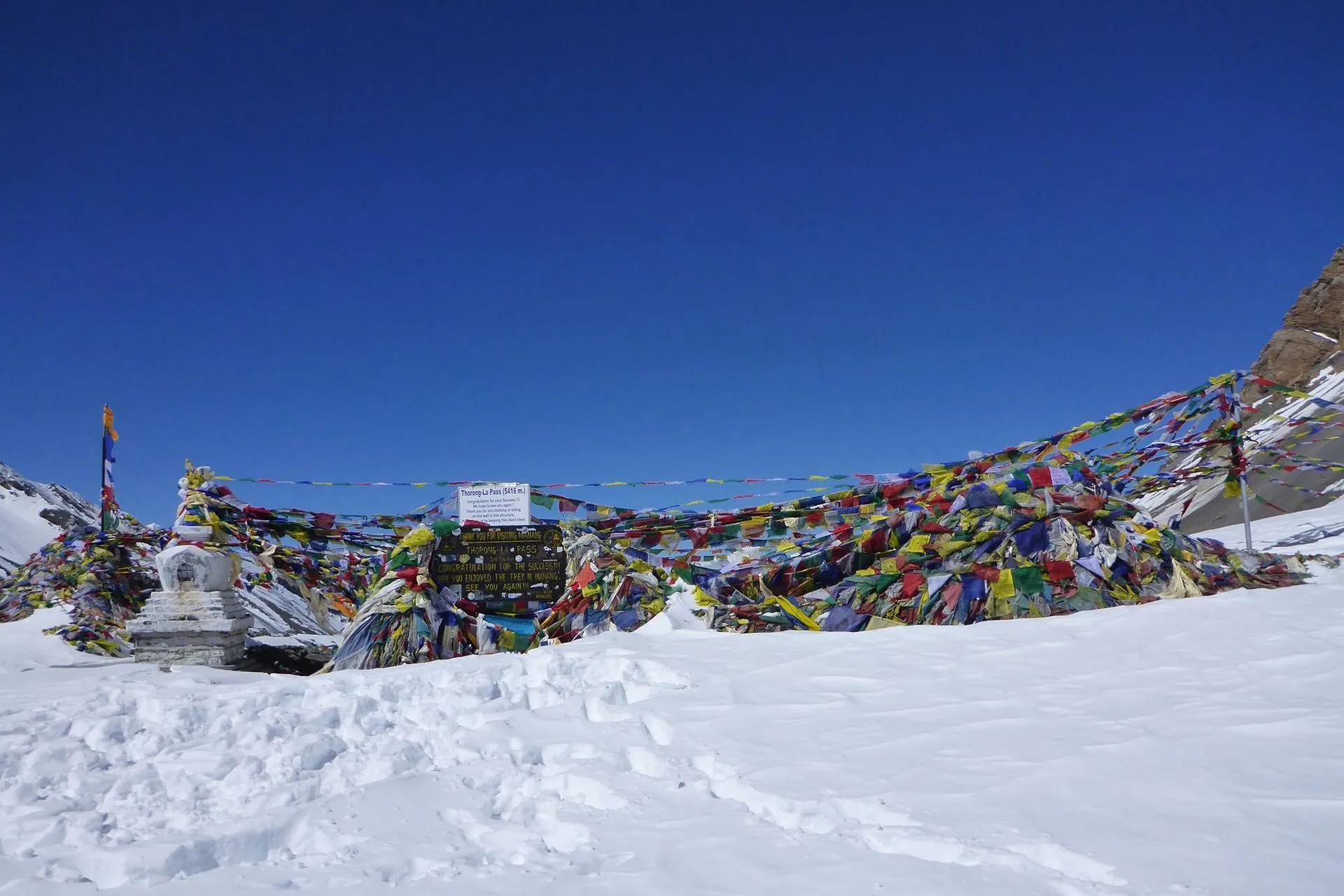
A legendary journey that circles the Annapurna massif, crossing the high-altitude Thorong La Pass (5,416 m). This trek is known for its dramatic landscapes and cultural diversity.
-
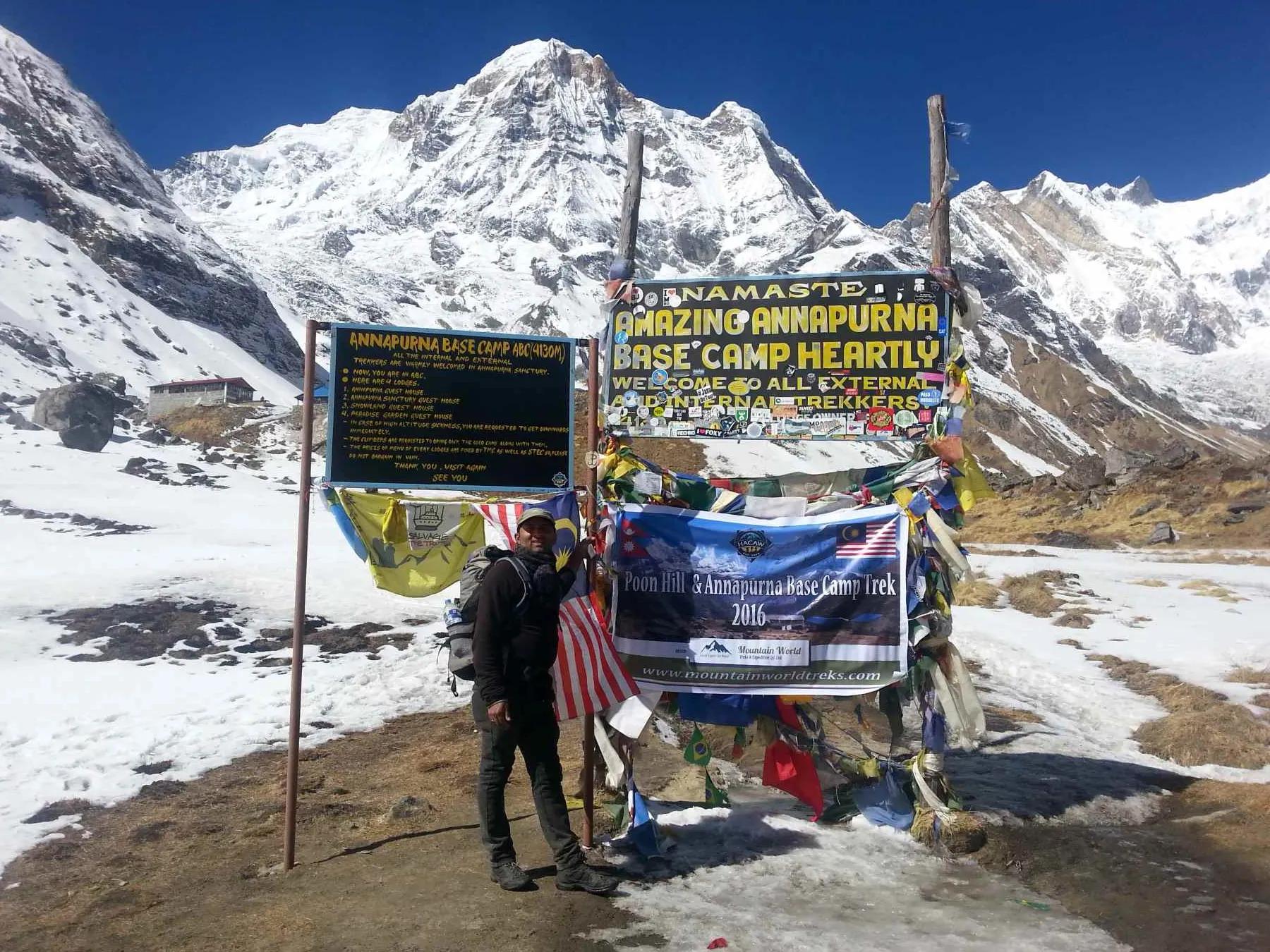
Annapurna Base Camp (ABC) Trek
A spectacular route that leads deep into the Annapurna Sanctuary—a natural amphitheater surrounded by towering Himalayan peaks, offering stunning 360-degree views.
-
Ghorepani Poon Hill Trek
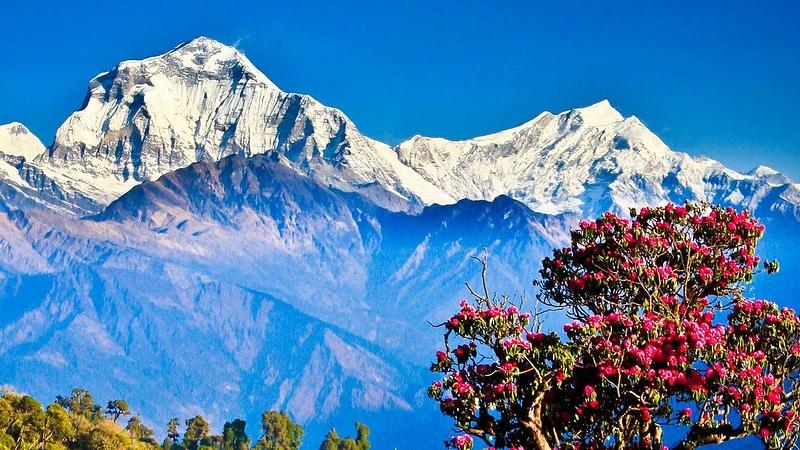
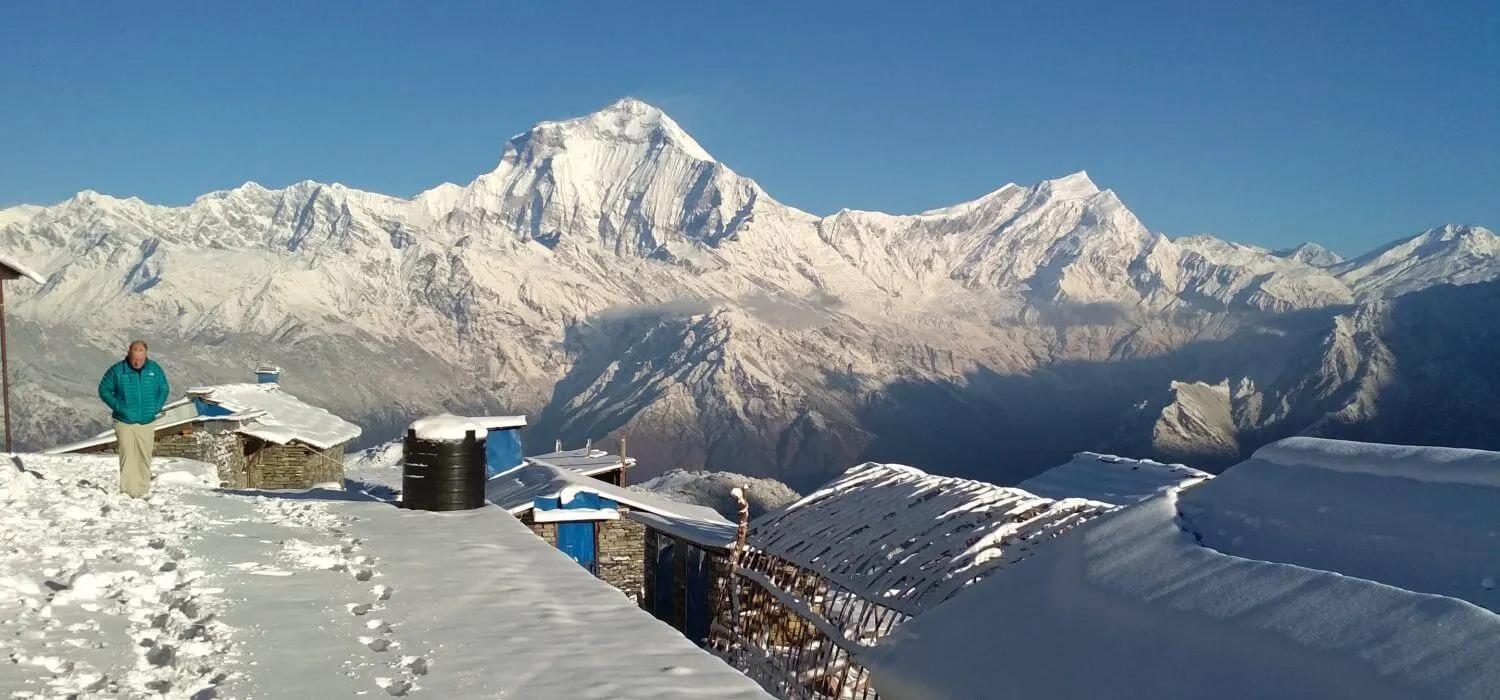
Ghorepani Poon Hill trek is perfect for those with limited time, this short yet rewarding trek is famous for its unforgettable sunrise views over the Annapurna and Dhaulagiri ranges.
At Hi Nepal Treks and Travels, we combine local knowledge with professional service to create trekking experiences that are safe, authentic, and tailored to your needs. From arranging permits to providing experienced guides who understand the mountains intimately, we take care of every detail, so you can fully immerse yourself in the journey and enjoy every step along the trail.
Popular Trekking Routes in the Annapurna Region
The Annapurna Conservation Area is home to one of the most diverse and well-established trekking networks in the Himalayas. From short, scenic hikes to high-altitude adventures, the region offers something for every type of traveler. At Hi Nepal Treks and Travels, we use our local expertise to guide you toward the most rewarding Annapurna trekking routes based on your time, fitness level, and travel goals.
Annapurna Base Camp (ABC) Trek
Often referred to as the Annapurna Sanctuary Trek, this route takes you deep into a stunning natural amphitheater surrounded by towering Himalayan peaks. The journey gradually transitions from lush farmland and dense forests into a dramatic high-altitude landscape.
-
Duration: 7 to 11 days (from Pokhara)
-
Difficulty Level: Moderate
-
Key Highlights:
-
Standing within the breathtaking Annapurna Sanctuary at 4,130 meters
-
Close-up views of Annapurna I, Annapurna South, and Machhapuchhre (Fishtail)
-
Relaxing in the natural hot springs at Jhinu Danda
Annapurna Circuit Trek
Annapurna Circuit Trek is recognized globally as one of the greatest long-distance treks, this classic route circles the Annapurna massif and showcases an extraordinary range of landscapes and cultures.
-
Duration: 12 to 18 days
-
Difficulty Level: Challenging to strenuous
-
Key Highlights:
-
Crossing the iconic Thorong La Pass (5,416 m), the highest point of the trek
-
Exploring the culturally rich village of Manang
-
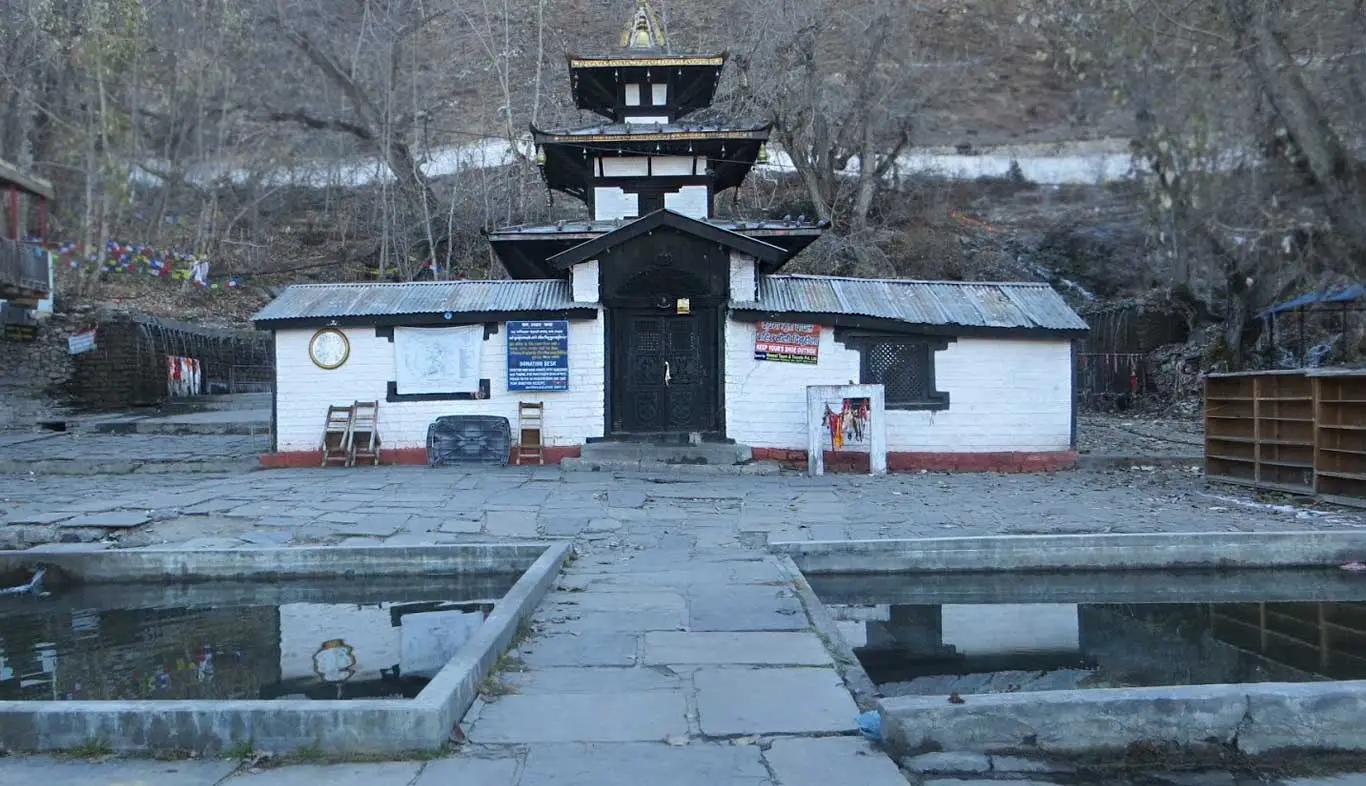
Visiting the sacred pilgrimage site of Muktinath Temple
Ghorepani Poon Hill Trek
Ghorepani Poon Hill trek is ideal for beginners or those with limited time, this short trek delivers some of the most iconic mountain views in Nepal without the challenges of extreme altitude.
-
Duration: 4 to 5 days
-
Difficulty Level: Easy to moderate
-
Key Highlights:
-
Sunrise from Poon Hill (3,210 m) with panoramic Himalayan views
-
Trekking through charming villages like Ulleri
-
Walking through vibrant rhododendron forests, especially stunning in spring
Mardi Himal Trek
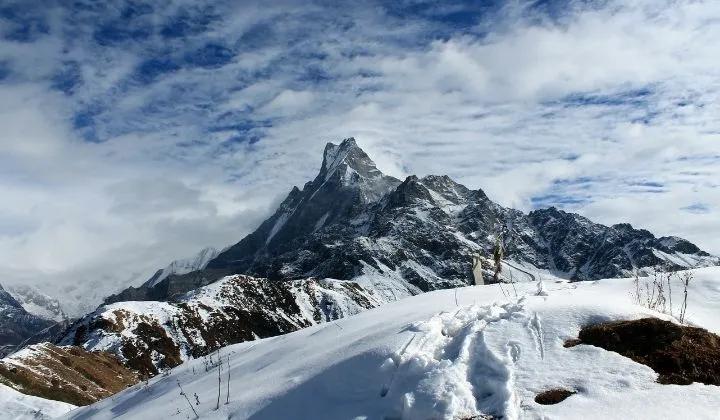
A quieter and less crowded alternative, the Mardi Himal Trek follows scenic ridgelines with continuous mountain views, especially of the iconic Fishtail peak.
-
Duration: 5 to 7 days
-
Difficulty Level: Moderate
-
Key Highlights:
-
Peaceful, off-the-beaten-path trails
-
Stunning ridge walks with views of the Annapurna range
-
Reaching Mardi Himal Base Camp (4,500 m) for close-up mountain views
Tilicho Lake Trek
This adventurous route is often combined with the Annapurna Circuit and leads to one of the highest lakes in the world, offering a truly unique Himalayan experience.
-
Duration: 10 to 14 days
-
Difficulty Level: Challenging
-
Key Highlights:
-
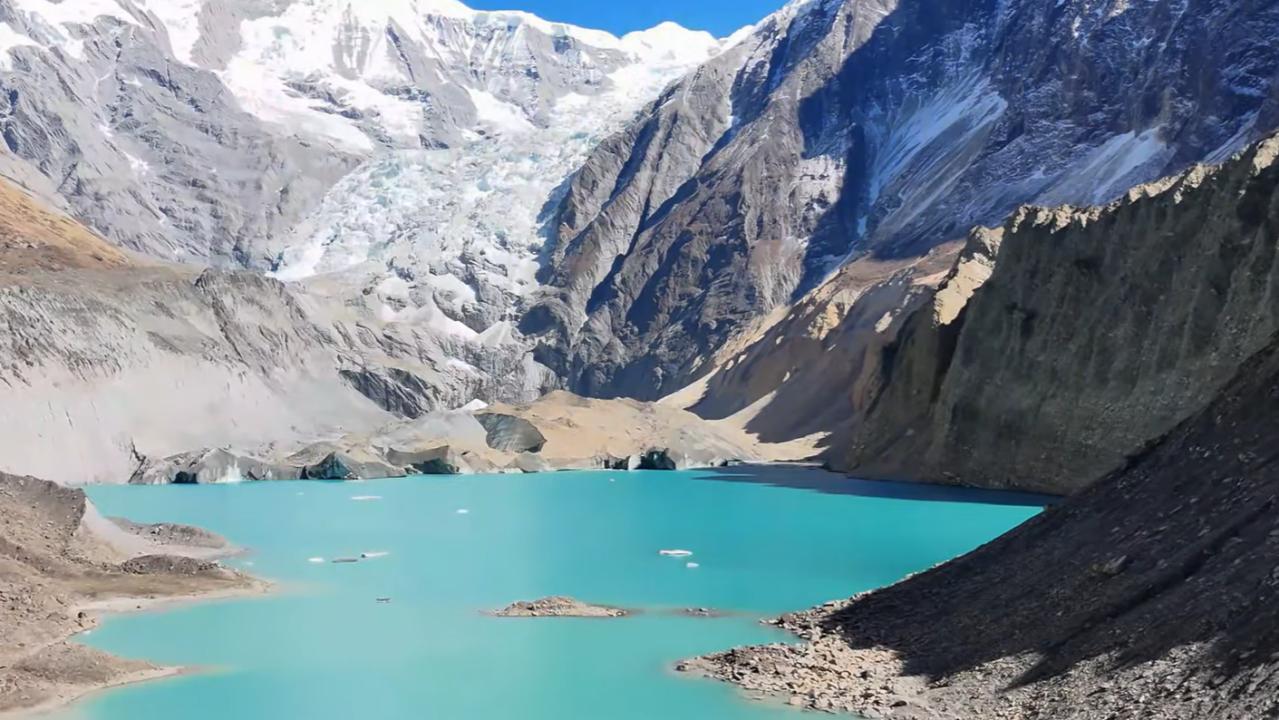
Visiting Tilicho Lake (4,919 m), one of the highest lakes on Earth
-
Crossing rugged terrain beneath dramatic rock formations
-
Experiencing remote, high-altitude landscapes away from the main trail
Khopra Ridge (Khopra Danda) Trek
This lesser-known route offers a more peaceful trekking experience with exceptional views, especially of the Dhaulagiri range, while supporting local communities.
-
Duration: 6 to 8 days
-
Difficulty Level: Moderate
-
Key Highlights:
-
Staying in community-managed lodges that support local development
-
Incredible views from Khopra Danda (3,660 m), overlooking the Kali Gandaki Gorge
-
Optional hike to Khayer Lake (4,660 m), a high-altitude pilgrimage site
North Annapurna Base Camp Trek
For trekkers seeking a raw and less-commercial Himalayan experience, the North Annapurna Base Camp route offers a true sense of adventure. Unlike the more popular southern approach, this trail follows a remote and historically significant path, famously used during the 1950 expedition led by Maurice Herzog, who first summited Annapurna I.
-
Duration: 8 to 10 days
-
Difficulty Level: Strenuous
-
Key Highlights:
-
Reaching the historic North Base Camp (4,190 m), a site of early Himalayan exploration
-
Trekking through untouched wilderness along the Miristi Khola
-
Close-up views of Tilicho Peak and the dramatic northern face of the Annapurna massif
Dhaulagiri Circuit Trek
The Dhaulagiri Circuit Trek is one of the most challenging and rewarding adventures in the Annapurna region. Designed for experienced trekkers, this expedition-style journey involves glacier crossings, high mountain passes, and remote camping in extreme alpine conditions.
-
Duration: 18 to 21 days
-
Difficulty Level: Strenuous / Technical
-
Key Highlights:
-
Crossing the demanding French Pass (5,360 m) and Dhampus Pass (5,244 m)
-
Camping near Dhaulagiri Base Camp on glacial terrain
-
Spectacular views of Dhaulagiri I (8,167 m), the world’s seventh-highest mountain
Jomsom Muktinath Trek
Following an ancient trans-Himalayan trade route, the Jomsom–Muktinath Trek blends cultural discovery with striking landscapes. This trail runs along the Kali Gandaki Gorge, the deepest gorge in the world, offering a unique trekking experience shaped by both nature and spirituality.
-
Duration: 7 to 12 days
-
Difficulty Level: Moderate
-
Key Highlights:
-
Visiting the sacred Muktinath Temple (3,800 m), revered by both Hindus and Buddhists
-
Walking through the wind-swept, arid landscapes of Mustang
-
Exploring traditional villages like Marpha and Jomsom, known for their apple orchards and Tibetan-influenced culture
Khumai Danda Trek (The Great Machhapuchhre Trek)
A relatively new addition to Annapurna region trekking, the Khumai Danda Trek is quickly gaining popularity for its unmatched proximity to the sacred Machhapuchhre (Fishtail). This short yet rewarding trek offers dramatic ridge-line views without the crowds of mainstream routes.
-
Duration: 3 to 5 days
-
Difficulty Level: Moderate
-
Key Highlights:
-
Exceptional close-up views of Machhapuchhre, often considered the best in Nepal
-
Peaceful trails with basic tea houses or camping options
-
Sunrise views from Khumai Viewpoint (3,245 m)
Kapuche Lake Trek
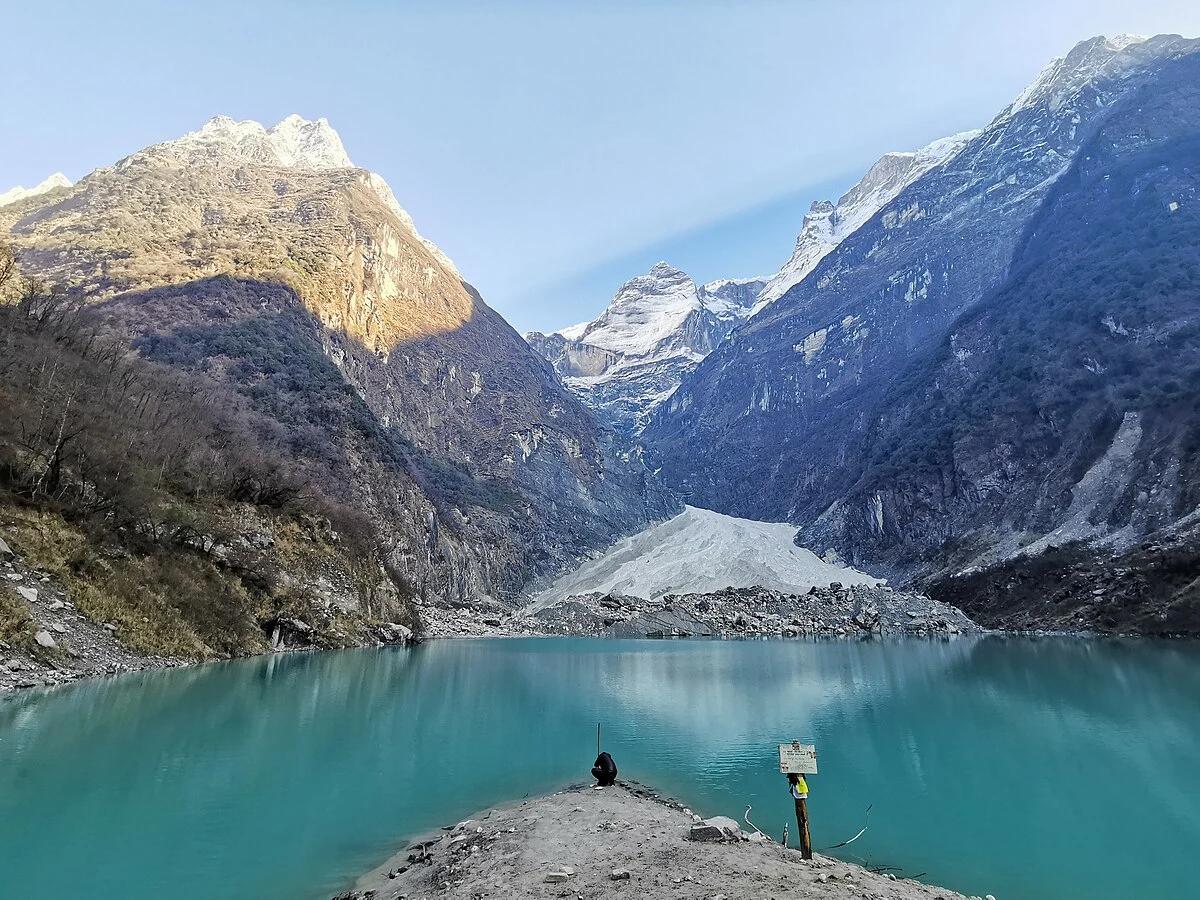
Hidden within the less-explored Madi region, the Kapuche Lake Trek offers a short and refreshing Himalayan escape. It leads to one of the world’s lowest-altitude glacier lakes, making it accessible while still delivering impressive mountain scenery.
-
Duration: 4 to 5 days
-
Difficulty Level: Easy to Moderate
-
Key Highlights:
-
Visiting Kapuche Lake (2,450 m), known for its striking turquoise waters
-
Experiencing authentic Gurung culture in Sikles, one of Nepal’s largest traditional villages
-
Witnessing natural avalanches cascading down surrounding peaks from a safe distance
Kori Danda Trek
The Kori Danda Trek is a hidden gem that offers a peaceful alternative to busier Annapurna trails. Located above Sikles, this route provides a natural vantage point with sweeping views of both the Annapurna and Manaslu ranges.
-
Duration: 5 to 7 days
-
Difficulty Level: Moderate
-
Key Highlights:
-
Reaching Kori Hill (3,800 m), a vast alpine meadow with panoramic mountain views
-
Stunning vistas of Annapurna II, Lamjung Himal, and Manaslu
-
Cultural immersion in the traditional Gurung settlement of Sikles
-
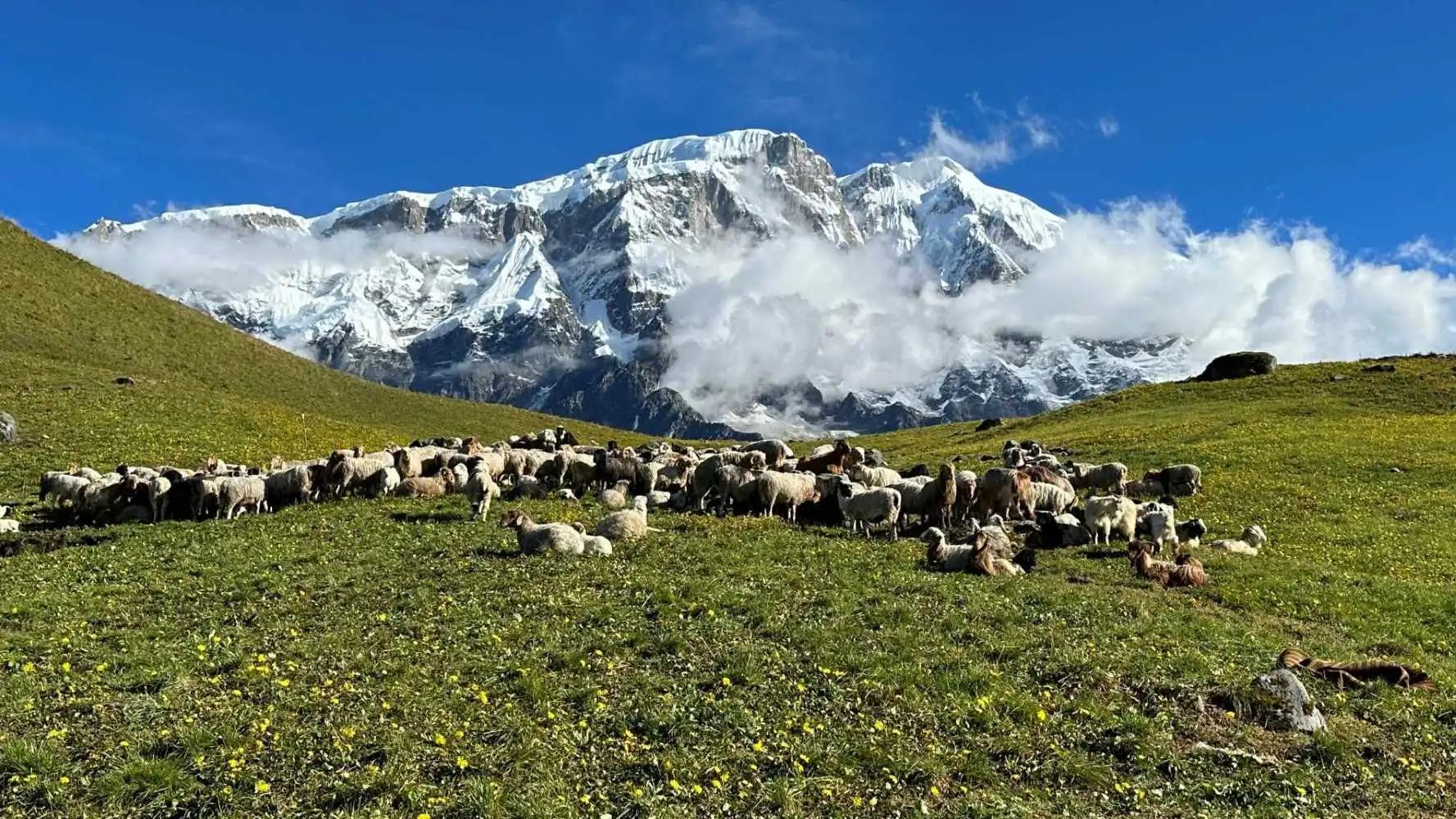
Experiencing serene high-altitude pastures used by local herders
Each of these treks offers a unique perspective of the Annapurna region, whether you’re seeking a short scenic escape or a challenging Himalayan adventure. With the right planning and expert guidance, your journey can be tailored to match both your ambitions and your comfort level.
Not sure which trek is right for you?
We can help you choose the perfect route and even design a personalized itinerary based on your schedule and fitness level.
Annapurna Conservation Area
The Annapurna Conservation Area (ACA) stands as one of Nepal’s greatest environmental and cultural achievements. Covering an expansive 7,629 square kilometers, it is the largest protected area in the country and a globally recognized model for sustainable conservation. Established in 1986 and managed by the National Trust for Nature Conservation (NTNC), the ACA was the first conservation area in Nepal to actively involve local communities in protecting and managing their natural resources.
What makes the ACA truly unique is its people-centered approach. Unlike traditional protected areas, conservation here is not enforced from the outside, it is driven by the communities who live within it. This has created a powerful balance between environmental protection, cultural preservation, and sustainable tourism.
A Landscape of Extremes
One of the most fascinating aspects of the Annapurna Conservation Area is its extraordinary geographical range. Within a relatively compact region, the elevation rises dramatically from just 790 meters to the summit of Annapurna I (8,091 m). This vertical diversity creates a wide spectrum of ecosystems, climates, and landscapes, making the region feel like multiple worlds within one destination.
Some of the most remarkable natural features found within the ACA include:
-
Kali Gandaki Gorge
Widely regarded as the deepest river gorge in the world, it cuts dramatically between the Annapurna and Dhaulagiri ranges, creating a powerful natural corridor. -
Tilicho Lake (4,919 m)
One of the highest freshwater lakes on Earth, known for its striking turquoise color and remote alpine setting. -
Ghorepani Rhododendron Forests
Among the largest and most vibrant rhododendron forests in the world, especially breathtaking during the spring blooming season. -
High Mountain Passes
Including iconic crossings like Thorong La, offering panoramic Himalayan views and a true sense of high-altitude adventure.
Sustainable Tourism and Your Role
The Annapurna region pioneered Nepal’s “Integrated Conservation and Development Program,” which links tourism directly with sustainability. Every trekker who visits contributes to preserving the environment and supporting local livelihoods.
As a responsible traveler, your choices matter:
-
Staying in locally operated tea houses
-
Hiring licensed local guides and porters
-
Respecting wildlife and natural habitats
-
Minimizing plastic waste and environmental impact
By trekking responsibly, you become part of a long-term conservation success story, one that benefits both nature and future generations.
Required Permits (ACAP)
To enter the Annapurna Conservation Area, all international trekkers must obtain the Annapurna Conservation Area Permit (ACAP).
-
Cost (2026):
-
NPR 3,000 (approx. USD 25) for foreign nationals
-
NPR 1,000 for SAARC nationals
-
Purpose:
Permit fees directly fund conservation programs, trail improvements, and community development projects within the region. -
Where to Obtain:
Permits can be issued in Kathmandu or Pokhara through authorized offices or trekking agencies. -
Guide Requirement:
As of recent regulations, trekkers are strongly encouraged, and in many routes required, to be accompanied by a licensed government guide for safety and better management of trekking activities.
Culture and Local Lifestyle in the Annapurna Region
Trekking through the Annapurna region is far more than a journey across mountains, it is a meaningful cultural experience that connects you with the people who have lived in these landscapes for generations. The trails you follow today were once ancient trade routes, linking Nepal with Tibet and India, and they continue to serve as lifelines for local communities.
At Hi Nepal Treks and Travels, we believe that the true essence of Annapurna region trekking lies not only in its scenery but in its people. The warmth of a smile, the sharing of a meal, and the stories exchanged in mountain villages often become the most cherished memories of your trek.
A Tapestry of Ethnic Communities
The Annapurna region is home to a rich blend of ethnic groups, each contributing to the cultural identity of the Himalayas. As you move from lower valleys to higher altitudes, you’ll notice subtle shifts in language, architecture, clothing, and daily life.
-
The Gurung (Tamu):
Found primarily in villages like Ghandruk and Landruk, the Gurung people are known for their deep-rooted traditions and strong community bonds. Many have served as Gorkha soldiers, earning global respect for their bravery. Their culture is expressed through traditional dances like Ghatu and Sorathi, as well as their connection to pastoral life and farming. -
The Magar:
In the lower hills around Poon Hill, the Magar community thrives. Known for their warm hospitality and simple lifestyle, they live in traditional stone houses and rely heavily on agriculture. Their villages offer a peaceful glimpse into rural Himalayan life. -
The Thakali:
Originating from the Kali Gandaki Valley, the Thakali people have long been associated with trade and entrepreneurship. Today, they are widely respected for their hospitality and culinary expertise. Many of the best lodges and restaurants along the trekking routes are run by Thakali families.
Spiritual Harmony: Buddhism and Hinduism
One of the most fascinating aspects of trekking in Annapurna Nepal is the harmonious coexistence of different religions. The spiritual landscape evolves as you gain altitude, reflecting the cultural diversity of the region.
-
Hindu Traditions:
In the lower regions, you’ll encounter small shrines, temples, and sacred trees dedicated to Hindu deities. Daily rituals and offerings are an integral part of village life. -
Tibetan Buddhism:
As you ascend toward areas like Manang and Mustang, Buddhist influence becomes more prominent. Trails are lined with prayer flags fluttering in the wind, Mani walls carved with sacred mantras, and ancient monasteries known as gompas. -
Shared Sacred Spaces:
Places like Muktinath Temple hold deep spiritual significance for both Hindus and Buddhists. This shared reverence reflects a long-standing tradition of religious harmony and mutual respect.
The Heart of the Trek: Tea House Culture
The famous tea house culture is at the core of the Annapurna trekking experience. What began as simple shelters for traders has evolved into a well-established network of cozy mountain lodges.
-
A Place to Connect:
Each evening, trekkers gather in communal dining halls, often centered around a warm stove fueled by wood or yak dung. These spaces become hubs of conversation, laughter, and shared experiences. -
Comfort in the Mountains:
Tea houses provide essential comfort, warm meals, a place to rest, and a chance to recharge before the next day’s journey. Despite their simplicity, they offer a welcoming and homely atmosphere. -
A Global Meeting Point:
You’ll meet travelers from around the world, creating a unique cultural exchange that adds another layer to your trekking experience.
Food, Flavors, and Daily Life
Food plays a central role in the Annapurna experience, offering both nourishment and cultural insight.
-
Dal Bhat:
The staple meal of Nepal, consisting of rice, lentil soup, vegetables, and pickles. It is nutritious, filling, and often served with unlimited refills, perfect for long trekking days. -
Local Specialties:
In regions like Marpha, you can taste locally produced apple products, including cider and brandy. In higher areas, dishes made with yak cheese are common and highly recommended. -
Traditional Drinks:
Trying local beverages such as butter tea (Su-Chya) offers a deeper connection to Himalayan culture, even if the taste takes some getting used to.
A Culture of Hospitality
Hospitality in the Annapurna region is deeply rooted in tradition. The philosophy of “Atithi Devo Bhava” meaning “The Guest is God” is not just a saying but a way of life.
Whether you are staying in a remote village or a popular trekking hub, you will be welcomed with genuine kindness. Locals are often eager to share stories, traditions, and a glimpse into their daily lives, making your journey feel personal and meaningful.
Living Traditions in a Changing World
While modernization has reached parts of the Annapurna region, many communities continue to preserve their traditional ways of life. Farming, animal husbandry, and seasonal trade remain essential to their livelihoods. At the same time, sustainable tourism has created new opportunities, allowing locals to benefit economically while maintaining their cultural identity.
More Than Just a Trek
The culture of the Annapurna region transforms trekking into something far deeper than a physical adventure. It becomes a journey of connection, between people, traditions, and landscapes.
From sharing meals in tea houses to witnessing ancient rituals and everyday village life, these experiences stay with you long after the trek is over.
If you’re looking for a truly immersive experience, we can help you plan a trek that includes authentic village stays, cultural encounters, and local festivals for a deeper connection to the Annapurna region.
Best Time for Annapurna Region Trekking
Choosing the right season can make a significant difference in your overall trekking experience in the Annapurna region. From crystal-clear mountain views to blooming forests and peaceful off-season trails, each time of year offers something unique.
At Hi Nepal Treks and Travels, we help trekkers align their travel plans with the best seasonal conditions, ensuring both safety and an unforgettable Himalayan journey. Here’s a detailed breakdown of what to expect throughout the year when planning your Annapurna region trekking adventure.
Spring (March to May): The Season of Bloom
Spring is one of the most rewarding times for trekking in Annapurna Nepal, especially for nature lovers and photographers. As winter fades, the region bursts into life with vibrant colors and pleasant weather.
-
Weather:
Daytime temperatures in lower regions range from 10°C to 22°C, making it comfortable for trekking. Higher elevations remain cooler, particularly in the early mornings and evenings. -
Visibility:
Mornings are typically clear, offering stunning views of peaks like Annapurna I and Dhaulagiri. Light clouds or haze may appear in the afternoon, especially at lower altitudes. -
Trail Conditions:
Trails are generally dry, stable, and easy to navigate. This makes it ideal for both beginner and experienced trekkers. -
Natural Highlights:
-
Rhododendron forests in full bloom, especially around Ghorepani
-
Lush greenery and active wildlife
-
Colorful landscapes that enhance the trekking experience
-
Cultural Experience:
Spring often coincides with festivals like Holi and the Nepali New Year, offering opportunities to witness local traditions and celebrations.
Autumn (September to November): The Golden Standard
Autumn is widely considered the best time for Annapurna trekking and is the most popular season among international travelers. After the monsoon rains, the environment is fresh, clean, and incredibly scenic.
-
Weather:
Stable and predictable, with daytime temperatures ranging from 15°C to 20°C. Nights are cooler but generally comfortable. -
Visibility:
Exceptional. The skies are deep blue, and mountain views are at their sharpest. This is the best time for photography, with clear views of the entire Annapurna range. -
Trail Conditions:
Well-maintained and dry, making trekking safe and enjoyable. However, popular routes can be busy due to peak season demand. -
Atmosphere:
Tea houses are lively, filled with trekkers from around the world. While this adds energy to the experience, early booking is recommended. -
Cultural Highlights:
Major Nepali festivals such as Dashain and Tihar fall during this season, offering a rich cultural immersion.
Winter (December to February): Quiet and Serene
Winter trekking in the Annapurna region is ideal for those seeking solitude and crisp mountain views. While conditions are more challenging, the rewards are equally unique.
-
Weather:
Cold, especially at higher altitudes where temperatures can drop below -15°C at night. -
Visibility:
Often the clearest skies of the year, providing stunning panoramic views. -
Trail Conditions:
Snow can accumulate at higher elevations, sometimes blocking passes like Thorong La Pass. Lower elevation treks remain accessible. -
Experience:
-
Fewer trekkers, offering a peaceful and quiet journey
-
Snow-covered landscapes creating a magical Himalayan atmosphere
-
Best For:
Shorter treks like Poon Hill or lower Annapurna routes.
Monsoon (June to August): Lush and Underrated
The monsoon season transforms the Annapurna region into a vibrant, green paradise. While it comes with challenges, it also offers a unique and less crowded experience.
-
Weather:
Frequent rainfall, humid conditions, and warmer temperatures in lower areas. -
Visibility:
Often limited due to clouds and mist, especially in forested regions. -
Trail Conditions:
Slippery trails, occasional landslides, and leeches in lower elevations. -
Natural Beauty:
-
Dense greenery and flowing waterfalls
-
Fewer tourists, creating a more peaceful atmosphere
-
Special Advantage:
Areas like Upper Mustang fall within a rain shadow, meaning they remain relatively dry and are excellent trekking options during this season.
Choosing the Right Season for You
Each season in the Annapurna region offers a different kind of experience:
-
Spring: Best for flowers, moderate weather, and vibrant landscapes
-
Autumn: Best for clear views, stable weather, and cultural festivals
-
Winter: Best for solitude and snowy scenery
-
Monsoon: Best for lush greenery and off-the-beaten-path experiences
Ultimately, the best time depends on your priorities, whether it’s photography, cultural immersion, or avoiding crowds.
Planning your trek at the right time ensures not just better views, but a safer and more enjoyable journey overall.
Need help deciding when to go? We can recommend the ideal season based on your chosen trekking route, fitness level, and travel preferences.
Trekking Difficulty and Preparation
Trekking in the Annapurna region is accessible to a wide range of travelers, but it is not a "walk in the park." The difficulty varies significantly depending on your chosen route, the altitude, and the time of year. Success in the Himalayas is built on two pillars: physical preparation and altitude awareness.
Understanding Difficulty Levels
To choose the right adventure, it is helpful to categorize the major routes by their physical and technical demands:
| Trek Name | Difficulty Level | Max Altitude | Key Challenge |
| Poon Hill (4–5 Days) | Easy to Moderate | 3,210m | Thousands of stone stairs (Ulleri). |
| Annapurna Base Camp (7–11 Days) | Moderate | 4,130m | Sustained ascent; cold at base camp. |
| Annapurna Circuit (12–18 Days) | Strenuous | 5,416m | Crossing Thorong La Pass; high altitude. |
| Upper Mustang (12–14 Days) | Moderate | 3,840m | High winds and dry, dusty desert terrain. |
Altitude Sickness (AMS) Awareness
Altitude is the "Great Equalizer", it can affect anyone regardless of fitness level. In 2026, safety protocols are stricter than ever to ensure trekker wellbeing.
-
The Golden Rule: Never ascend more than 300m to 500m in sleeping elevation per day once above 3,000m.
-
Climb High, Sleep Low: Use your acclimatization days in Manang or Dingboche to hike to a higher viewpoint during the day, then return to a lower altitude to sleep.
-
Hydration & Nutrition: Drink 3 to 4 liters of water daily. Stick to a high-carbohydrate diet; Dal Bhat is the perfect fuel as it is easily digestible at altitude.
-
Listen to Your Body: If you experience a persistent headache, nausea, or dizziness, inform your guide immediately. Early intervention prevents serious complications like HAPE or HACE.
Basic Preparation Tips for 2026
-
Mandatory Licensed Guides: As of recent regulations, solo trekking is no longer permitted in the Annapurna Conservation Area. You must be accompanied by a licensed government guide, who serves as your primary safety and navigation officer.
-
Electronic TIMS (e-TIMS): Ensure your trekking agency has processed your digital permits. These are checked at biometric scanners in Birethanti and Besisahar to track trekker safety.
-
Insurance is Essential: Your travel insurance must cover high-altitude trekking (up to 6,000m) and emergency helicopter evacuation. You will need to provide proof of this for your permit issuance.
-
Break in Your Boots: Never start a trek with brand-new boots. Wear them for at least 50km of walking before arriving in Kathmandu to avoid debilitating blisters.
Ready to Experience the Majesty of the Annapurna?
Don't just dream of the Himalayas, walk them. At Hi Nepal Treks and Travels, we transform your bucket-list aspirations into a seamless, soul-stirring reality. From the rugged challenge of the Thorong La Pass to the serene beauty of the Annapurna Sanctuary, our Kathmandu-based team provides the local expertise and logistical precision you need for a safe and authentic journey.
Whether you are a solo adventurer or planning a group expedition, we specialize in customized Annapurna trekking itineraries tailored to your fitness level and timeframe. Let us handle the permits, the logistics, and the safety protocols while you focus on the horizon.
Take the first step toward the roof of the world today. Book Your Annapurna Adventure Now!
Contact us: [email protected], +977 9856035091
Frequently Asked Questions: Annapurna Region Trekking
To help you prepare for your Himalayan adventure, the team at Hi Nepal Treks and Travels has compiled this comprehensive FAQ based on local expertise and the latest 2026 trekking guidelines.
Q1: How difficult is Annapurna region trekking?
Annapurna trekking difficulty varies depending on the route you choose. Short treks like the Poon Hill trek are considered easy to moderate and suitable for beginners with basic fitness. In contrast, longer routes like the Annapurna Circuit or Dhaulagiri Circuit are strenuous, requiring 6–8 hours of daily hiking on steep and rugged terrain. Proper physical preparation, including cardio and stair training, is highly recommended before your trip.
Q2: Do I need prior trekking experience?
No, prior trekking experience is not mandatory for many Annapurna trekking routes. Beginners can successfully complete treks like Annapurna Base Camp or Mardi Himal with good physical fitness and determination. However, for longer and more challenging routes, some prior hiking experience is beneficial. Starting with shorter treks is a great way to build confidence.
Q3: What permits are required for the Annapurna trek?
You will need the Annapurna Conservation Area Permit (ACAP) and, in some cases, a TIMS card. The ACAP permit costs around NPR 3,000 for foreign nationals. For restricted areas like Upper Mustang, a special permit is required. At Hi Nepal Treks and Travels, we handle all permit arrangements for a smooth experience.
Q4: Do I need a guide for Annapurna trekking?
Yes, trekking with a licensed guide is now mandatory for international trekkers in conservation areas like Annapurna. This regulation enhances safety, ensures proper navigation, and supports the local economy. Trekking with a guide also enriches your experience through cultural insights and local knowledge.
Q5: What is the best time for Annapurna trekking?
The best seasons are Spring (March–May) and Autumn (September–November). Spring offers blooming rhododendron forests and pleasant weather, while Autumn provides crystal-clear mountain views and stable conditions. Winter is quieter but colder, and Monsoon brings lush greenery but also rain and limited visibility.
Q6: How long are Annapurna treks?
Trek duration varies widely. Short treks like Poon Hill take 4–5 days, while the Annapurna Base Camp trek typically takes 7–11 days. The full Annapurna Circuit can take 12–18 days. Longer customized itineraries are also available depending on your preferences.
Q7: What is the risk of altitude sickness?
Altitude sickness (AMS) can occur above 3,000 meters. Proper acclimatization, hydration, and a gradual ascent are key to prevention. Our itineraries include rest days to help your body adjust, and our guides are trained to monitor symptoms and ensure your safety
Q8: What kind of accommodation is available?
Accommodation is mainly in tea houses, locally run lodges offering basic but comfortable facilities. Rooms are usually twin-sharing, with shared bathrooms at higher altitudes. Lower regions may offer attached bathrooms and hot showers.
Q9: Is WiFi and electricity available on the trail?
Most tea houses provide electricity for charging devices, often for a small fee. WiFi is available in many areas but can be slow and unreliable. A local SIM card with a data plan is recommended for better connectivity.
Q10: What should I pack for the trek?
Packing should focus on layering. Essentials include moisture-wicking clothes, a warm jacket, waterproof gear, sturdy trekking boots, sunglasses, sunscreen, and a reusable water bottle. A detailed packing list is provided upon booking with us.