
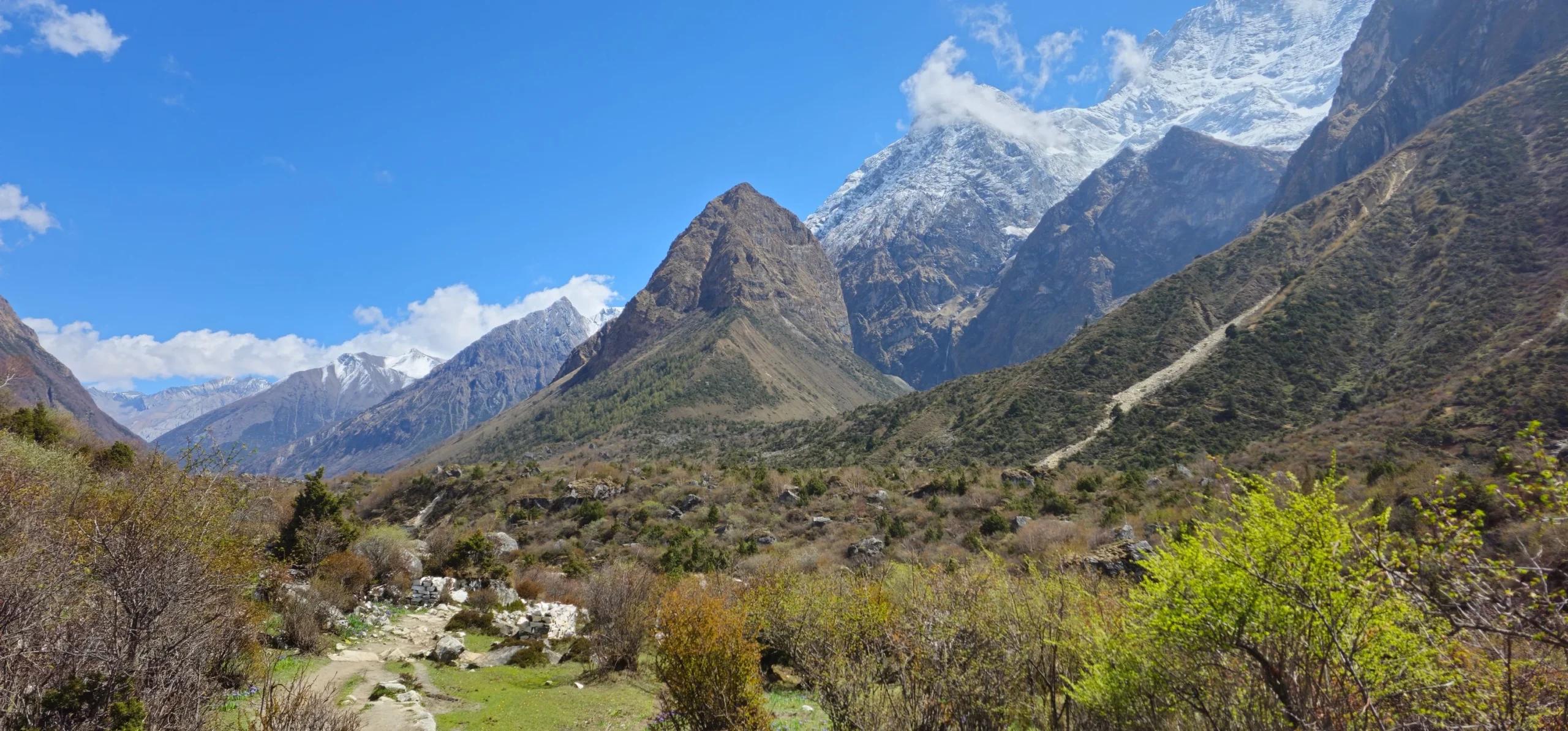
The Manaslu Circuit Trek is known for its dramatic mountain scenery, remote trails and the challenging crossing of Larkya La Pass. But there’s another side of this journey that makes it special, the culture and traditions of the communities living along the trail.
As you walk through the Budhi Gandaki Valley, you’ll pass traditional mountain villages, Buddhist monasteries, prayer-flag-covered trails and settlements where daily life is still closely connected to local customs. The higher you travel, the more noticeable the Tibetan cultural influence becomes.
From the traditional villages of Nubri to the Buddhist heritage of Sama Gaun and Samdo, the Manaslu region offers a chance to experience a way of life that has developed over generations in the Himalayas.
Let’s explore the cultural highlights you can discover along the Manaslu Circuit Trek.
Understanding the Cultural Diversity of the Manaslu Region
The Manaslu region is home to several ethnic communities, each with its own traditions, languages and way of life. The cultural landscape gradually changes as you move from the lower Budhi Gandaki Valley towards the higher Himalayan settlements.
Two communities particularly associated with the upper region are the Nubri and Tsumba people. Both have strong connections with Tibetian Buddhist culture, although they have distinct identities, languages and local traditions.
Nubri Communities and Their Tibetan Heritage
The Nubri Valley occupies the upper western section of the Budhi Gandaki Valley, including traditional villages such as Lho, Sama Gaun and Samdo.
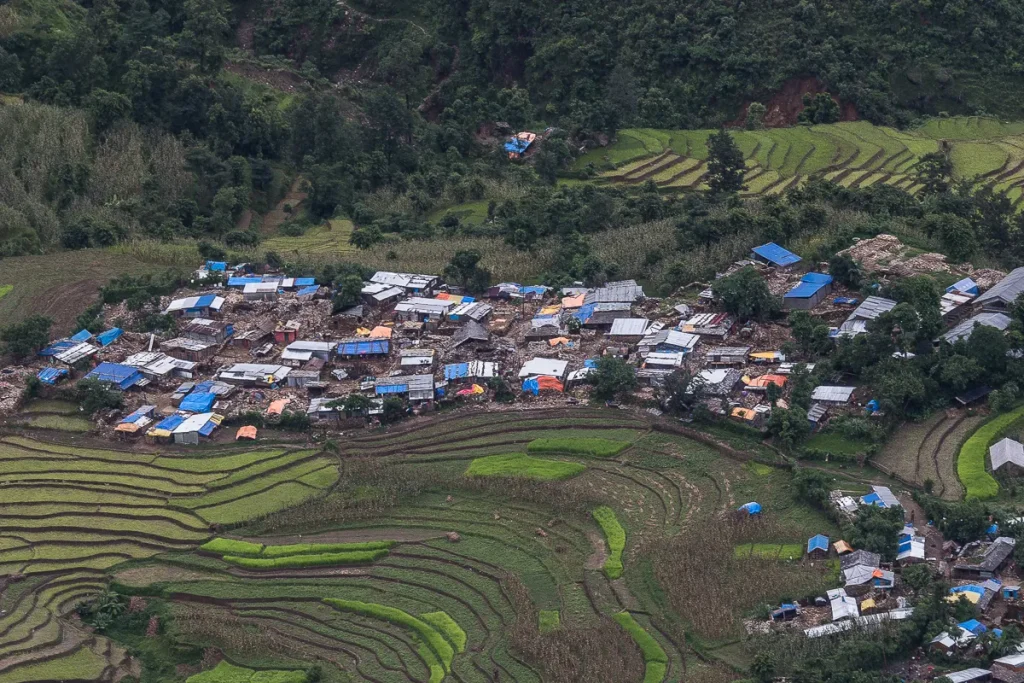
The people of Nubri, often called Nubri or Nhubri people, have maintained strong cultural and historical connections with Tibet, reflected in their Buddhist practices, traditional architecture, clothing and everyday customs. Agriculture and livestock farming, particularly yak herding, have long been important parts of their lifestyle.
Although tourism has introduced new opportunities, many communities continue to preserve their traditional lifestyle and cultural practices.
Tsumba Communities and Their Distinct Cultural Identity
The Tsumba people belong to the neighbouring Tsum Valley, known for its Tibetan Buddhist heritage and traditional commitment to non-violence.
Their culture is closely connected with Buddhism, monasteries and local traditions. One distinctive practice is Shagya, a community tradition that promotes non-violence and the protection of living beings.
Tsum Valley is often associated with the Manaslu region, but it is not part of the standard Manaslu Circuit Trek. It is a popular side trip known for its traditional villages, Tibetan-influenced culture, and ancient monasteries. Exploring the valley requires taking a separate detour from the main circuit.
If you want to explore this cultural heritage more deeply, consider the Manaslu and Tsum Valley Trek, which combines both regions.
Traditional Villages and Cultural Experiences Along the Manaslu Circuit
One of the best ways to understand Manaslu’s culture is to pay attention to the villages along the trail. Each settlement offers a slightly different glimpse into mountain life, from traditional stone houses and agricultural practices to Buddhist religious landmarks.
Jagat and Deng: The Beginning of Cultural Immersion
Jagat is an important settlement along the Manaslu route and a familiar stop for trekkers entering the Manaslu Conservation Area.
As you continue towards Deng, the landscape and cultural atmosphere gradually begin to change. You’ll encounter traditional settlements, stone houses, local farms and small community spaces that reflect the lifestyle of people living in this part of Gorkha.
Lower villages have a mix of cultural influences, including Gurung and other communities. Further along the trail, Tibetan Buddhist traditions become increasingly visible.
Rather than expecting a sudden cultural change, take time to notice the differences in village architecture, religious symbols and everyday activities as you move higher.
Namrung: Traditional Nubri Architecture and Village Life
Namrung is one of the first villages where the cultural character of upper Nubri becomes particularly noticeable.
The settlement features traditional stone houses, wooden details and buildings designed to suit the cold mountain environment. You’ll also begin seeing more Buddhist symbols, prayer flags and religious structures around the village.
Local life remains closely connected to agriculture and livestock. During the trekking season, you may see residents working in their fields, preparing food or going about their daily routines.
Namrung is also a good place to slow down and appreciate the differences between the lower Budhi Gandaki settlements and the traditional villages further up the valley.
Lho: Buddhist Heritage and Ribung Gompa
Lho is among the most culturally interesting villages on the Manaslu Circuit. Its traditional houses, Buddhist monuments and mountain setting create a distinctive atmosphere.
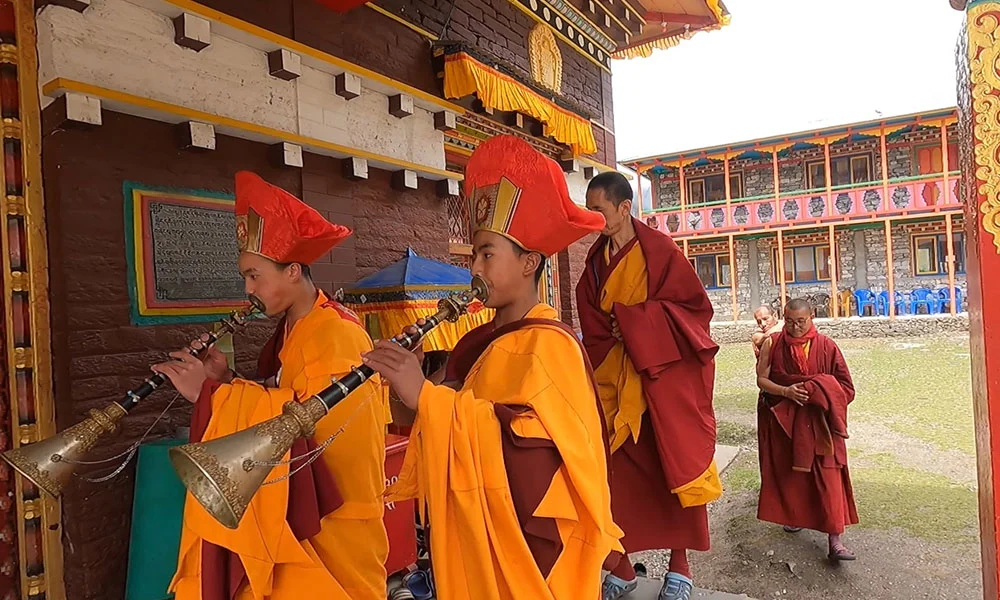
One of its main cultural attractions is Ribung Gompa, an important monastery overlooking the village. The monastery reflects the strong Buddhist influence in the region and provides an opportunity to learn more about local religious practices.
Prayer flags flutter around the settlement, while chortens and other Buddhist structures can be seen along the village paths.
Lho is also known for its impressive views of Mount Manaslu. The combination of mountain scenery and traditional Buddhist heritage makes it a memorable stop on the journey.
If you have time, take a walk around the village and appreciate its architecture and peaceful surroundings rather than simply passing through on your way to the next stop.
Sama Gaun: A Glimpse into Traditional Himalayan Life
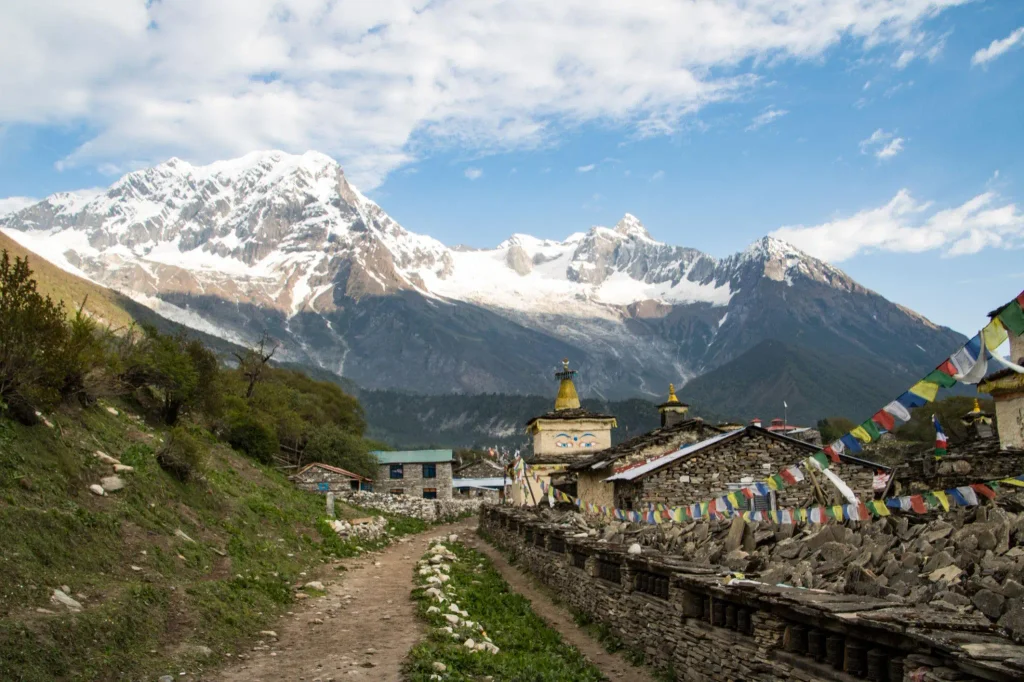
Sama Gaun is one of the most important cultural settlements along the Manaslu Circuit. Located beneath the towering mountains of the region, the village offers a closer look at the traditional lifestyle of the Nubri communities.
Stone houses, agricultural fields, livestock and Buddhist religious structures are all part of the village landscape. Farming and animal husbandry remain important, with residents adapting their activities to the short growing season and harsh mountain winters.
Sama Gaun is also an excellent place to explore local Buddhist heritage. You may notice prayer wheels, mani walls and small religious structures around the settlement.
Many trekkers spend an extra day here for acclimatisation. This gives you more time to explore the village and its surroundings, rather than treating it as just another overnight stop.
Many trekkers spend an extra night here to acclimate before healing towards Samdo. Understanding the difficulty of the Manaslu Circuit Trek can help you prepare for the altitude and long walking days.
Samdo: Tibetan Influence Near the Border
Samdo is one of the highest permanent settlements on the standard Manaslu Circuit route. Its location near the Tibetan border has contributed to strong cultural and historical connections with the Tibetan plateau.
The village has a distinct high-altitude character, with traditional stone houses, livestock enclosures and an environment shaped by cold weather and limited agricultural opportunities.
Historically, cross-border trade and movement have influenced the lives of communities in this area. Although modern border arrangements have changed how people travel and trade, Tibetan cultural influences remain visible in local customs, architecture and religious practices.
Spending time in Samdo gives you a better understanding of how people have adapted to life in this remote mountain environment.
The trail passes through several traditional settlements, each offering a different perspective on local life. You can follow these villages along the Manaslu Circuit Trek route from Machha Khola to Dharapani.
Buddhist Monasteries and Religious Heritage
Along the Manaslu Circuit, you will encounter Buddhist heritage through monasteries, religious paintings, prayer ceremonies and traditional architecture.
Ribung Gompa in Lho
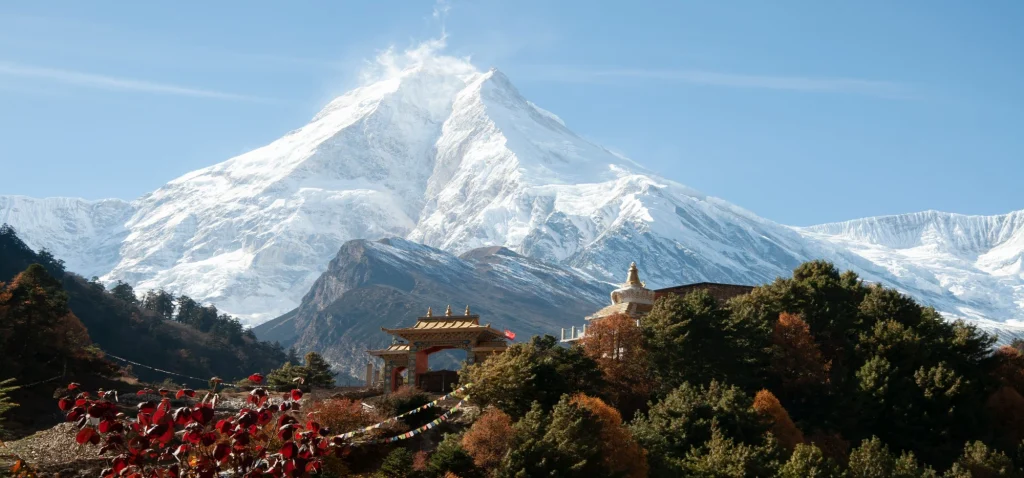
Ribung Gompa is one of the notable religious landmarks along the standard circuit. It is located on a hill above Lho village, at around 3,180 metres, along the main Manaslu Circuit route between Namrung and Sama Gaun. Its elevated position offers beautiful views of the village and Mount Manaslu.
The monastery is an important centre of Buddhist learning and practice for the Lho community. It helps preserve local religious traditions and reflects how closely Buddhism is connected to everyday life in the Nubri Valley. Inside, visitors can see traditional religious artwork and a large Buddha statue.
When visiting, remember that Ribung Gompa is an active place of worship, not just a tourist attraction. Remove your shoes before entering, keep your voice low and ask permission before taking photographs, especially during prayers or ceremonies.
Monasteries around Sama Gaun and Pungyen Gompa
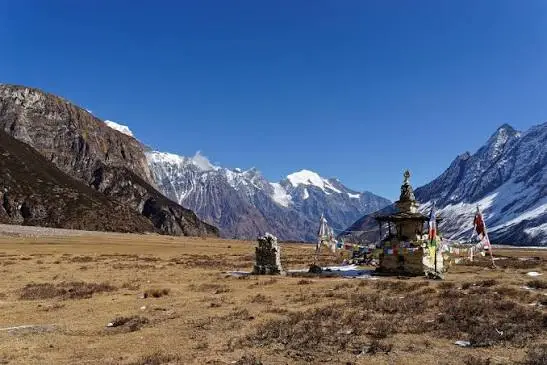
Sama Gaun and its surrounding area have a strong Buddhist heritage. One particularly interesting site is Pungyen Gompa, a monastery located above the village in a beautiful mountain setting.
Reaching Pungyen Gompa requires an additional excursion from Sama Gaun, so it is worth discussing the available time and conditions with your trekking guide before making the visit.
These monasteries offer more than beautiful surroundings. They provide a glimpse into the religious beliefs and traditions that continue to shape life in the upper Manaslu Valley.
When visiting, remember that these are active religious places. Follow local instructions, dress respectfully and ask permission before photographing people or religious activities.
Buddhist Traditions and Symbols You Will See on the Trail
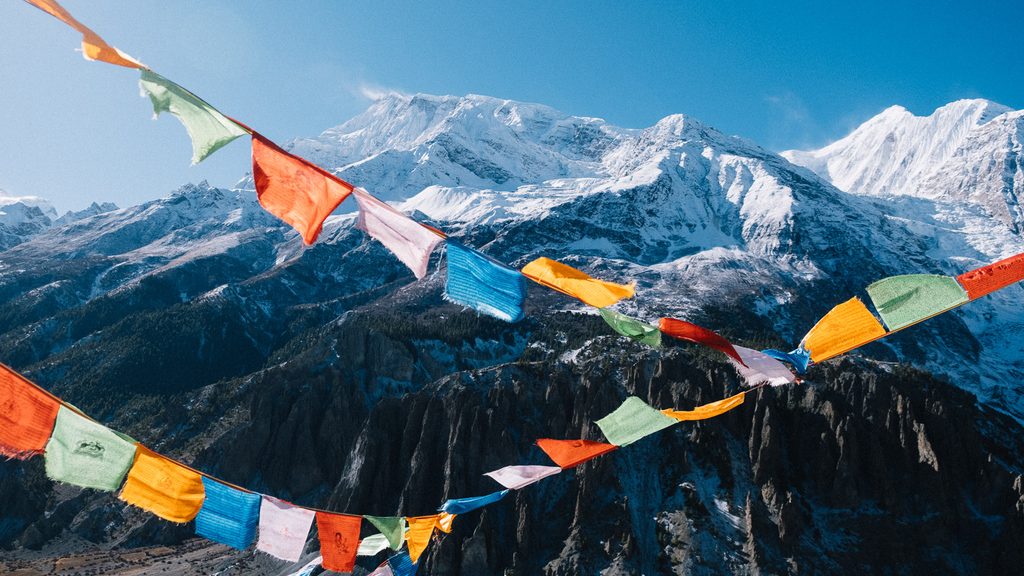
As you walk through Manaslu’s traditional villages, you’ll notice colourful flags, stone walls, small shrines and prayer wheels along the paths. These are not simply decorations. Each has a religious meaning and an important place in local Buddhist traditions.
Here are some of the common symbols you’ll encounter.
Prayer Flags: Colourful prayer flags are often placed on rooftops, bridges, mountain passes and religious structures. They carry Buddhist prayers and mantras, which are traditionally believed to spread blessings and goodwill as the wind moves through them.
Mani Walls: These are stone walls engraved with Buddhist mantras, particularly the sacred mantra Om Mani Padme Hum. They are commonly found along village paths and trekking trails. As a sign of respect, walk around them on the left, keeping them to your right.
Chortens: Chortens are Buddhist religious monuments that represent important aspects of Buddhist teachings and spiritual practice. You’ll often find them near villages, trails and monastery entrances.
Prayer Wheels: Prayer wheels contain sacred mantras and are commonly found near monasteries, mani walls and village paths. Turning them clockwise is a traditional Buddhist practice.
Take a moment to notice these features as you walk. Understanding their meaning adds another layer to the cultural experience of the Manaslu Circuit.
Traditional Food and Everyday Lifestyle in Manaslu
Food and daily routines offer a closer look at the culture of the Manaslu region. Life at high altitudes has shaped local diets, farming practices and traditional livelihoods.
During the trek, you may notice:
- Traditional food: Tsampa (roasted barley flour) and butter tea, a warm drink made with tea, butter and salt, are common in Tibetan-influenced Himalayan communities.
- Locally grown crops: Potatoes and barley have traditionally been important food sources in mountain villages.
- Daily activities: Depending on the village and season, you may see residents working in fields, drying crops, preparing meals and caring for livestock.
- Livestock farming: Yaks and other animals have long supported local livelihoods by providing milk, meat, wool and transportation.
When staying in local teahouses, try regional dishes and observe how meals are prepared and served. These everyday experiences offer a meaningful way to connect with local life beyond the usual trekking route.
If you’re planning to explore these remote mountain villages, make sure you’re prepared for changing temperatures and basic trekking conditions. Our Manaslu Circuit Trek packing list covers the essentials to bring.
Local Festivals and Cultural Celebrations
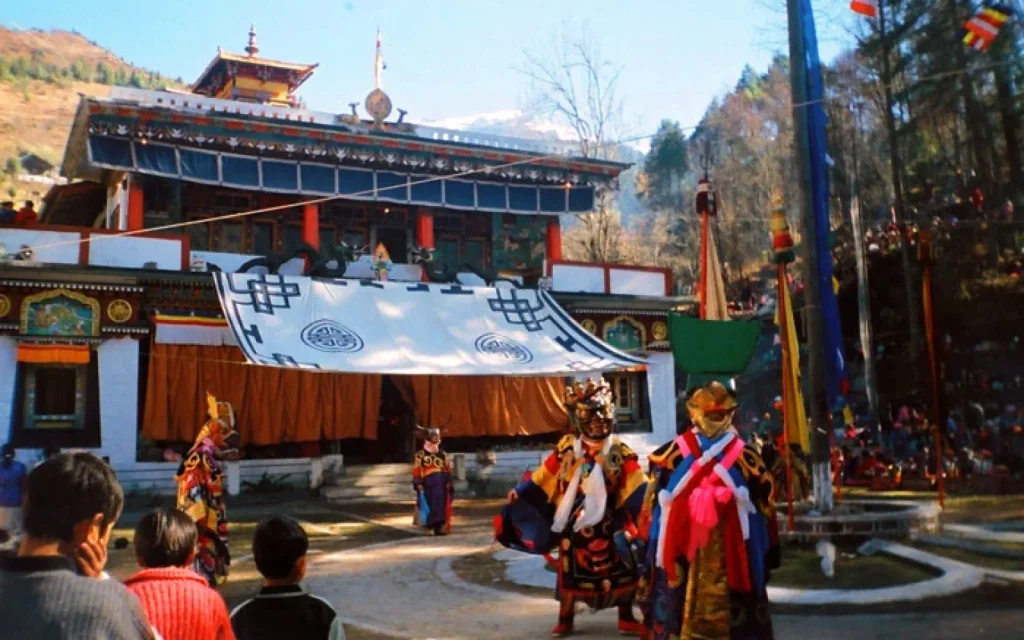
Festivals are an important part of community life in the Manaslu region. Many celebrations are connected with Buddhist beliefs, seasonal changes, religious ceremonies and traditional gatherings.
If your trekking dates clash with a local celebration, you may have an opportunity to see a different side of Himalayan culture. However, festival dates vary according to lunar calendars and local customs, so they should not be treated as guaranteed trekking experiences.
Lhosar: Tibetan New Year
Lhosar is one of the major celebrations among Tibetan Buddhist communities. It marks the beginning of a new year and is generally celebrated with family gatherings, prayers, traditional food, music and cultural activities.
Different Himalayan communities observe different forms of Lhosar, and celebrations can vary between villages.
For communities in the Manaslu region, it is an important occasion to come together, honour traditions and welcome a new year.
Saga Dawa and Other Buddhist Celebrations
Saga Dawa is an important Buddhist festival associated with the birth, enlightenment and passing of Gautam Buddha. It is observed during the fourth month of the Tibetan lunar calendar.
Religious activities may include prayers, offerings and other acts of devotion. The festival also reflects Buddhist values such as compassion and kindness towards living beings.
Other local celebrations and monastery ceremonies may take place throughout the year. Their timing and observance differ between communities, making local knowledge particularly useful when planning a cultural visit.
Dhachyang and Traditional Community Gatherings
Dhachyang is a traditional celebration associated with parts of the Tsum Valley and the wider cultural heritage of the region. It is connected with traditional archery, community gatherings, music and local festivities.
It is worth noting that Tsum Valley has its own distinct cultural traditions. Dhachyang should not be presented as a festival that every village along the standard Manaslu Circuit celebrates.
These celebrations show how local communities continue to maintain their cultural identity and pass traditions between generations.
How to Respect Local Culture During the Manaslu Circuit Trek
Visiting traditional Himalayan villages and monasteries is a privilege. A little cultural awareness can help you interact respectfully with local people and make your experience more meaningful.
Here are a few simple things to remember:
- Walk clockwise around religious structures: Keep mani walls, chortens and other Buddhist monuments to your right.
- Turn prayer wheels clockwise: Follow the traditional direction when passing prayer wheels.
- Ask before taking photographs: Always seek permission before photographing residents, monks or religious ceremonies.
- Dress respectfully: Wear modest clothing when visiting monasteries and religious sites.
- Follow monastery rules: Remove your shoes when requested and avoid entering restricted areas.
- Respect local customs: Be mindful of religious activities and avoid loud conversations or disruptive behaviour.
- Support local communities: Choose local teahouses, buy locally made products where available and treat residents with courtesy.
Remember that these villages are people’s homes, not simply attractions along a trekking route. Being respectful and open to learning makes the cultural experience more rewarding for everyone.
Experience the Culture of Manaslu with Hi Nepal Travels & Treks
The Manaslu Circuit is more than a journey around one of the world’s highest mountains. It is also an opportunity to experience traditional Himalayan villages, Buddhist heritage and the everyday lifestyle of communities living in the mountains.
With Hi Nepal Travels & Treks, you can explore the region through our 14-day Manaslu Circuit Trek, accompanied by an experienced local trekking team familiar with the route and its communities.
We help arrange the essential trekking logistics, permits, accommodation and guide services, allowing you to focus on the journey and the experiences along the way.
Whether you’re interested in exploring traditional villages, learning about Buddhist traditions or simply experiencing a different side of Nepal, Manaslu has plenty to offer.
Ready to explore Manaslu? View our Manaslu Circuit Trek itinerary or contact Hi Nepal Travels & Treks to start planning your Himalayan journey.