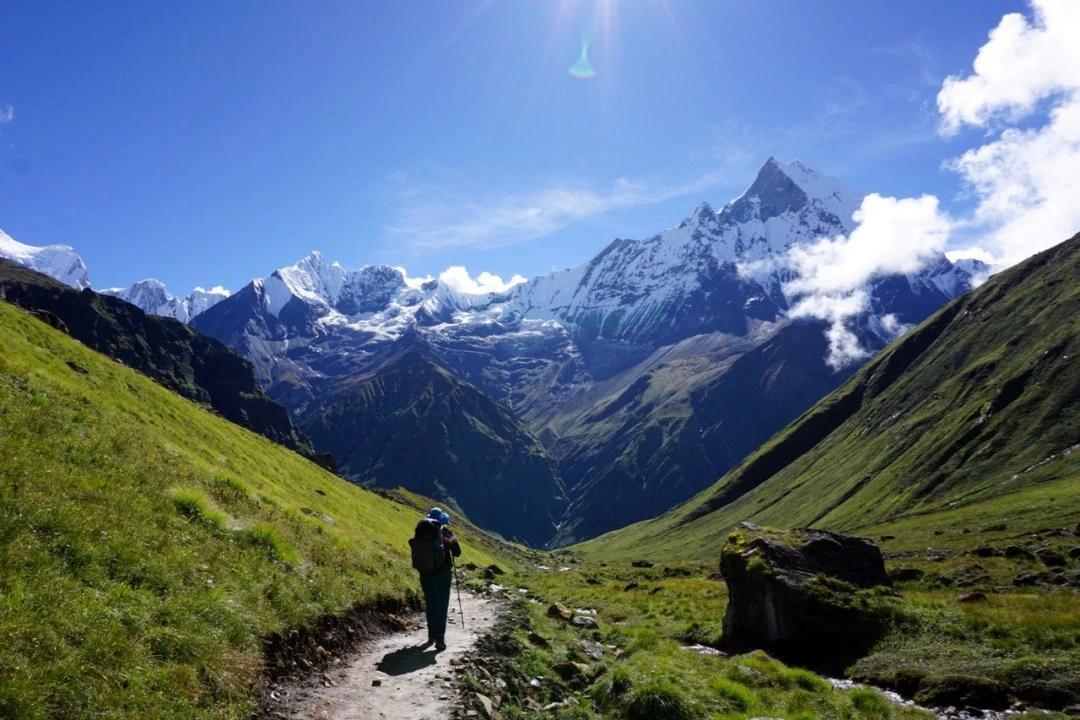
Ask most travelers when to trek in Nepal, and they’ll tell you to wait for autumn. But here’s a secret that seasoned guides have known for generations: some of the most spectacular trekking in the entire Himalaya happens during the monsoon months of June, July, and August. The myth that the whole country shuts down under torrential rain simply isn’t true.
The key is understanding the rain shadow effect. As monsoon clouds sweep north from the Indian Ocean, they slam into the great Himalayan wall and dump their moisture on the southern slopes. By the time the air climbs over the 8,000-meter giants, it has nothing left to give. The land beyond becomes arid, Tibetan-style high desert, where skies stay blue, trails stay dry, and wildflowers and barley fields burst into bloom while the rest of the region drips.
In this 2026 guide, we’ll walk you through the seven best monsoon treks in Nepal, plus the honest logistics, safety considerations, and packing strategies you need to make a summer trek a success.
Why the Rain Shadow Changes Everything
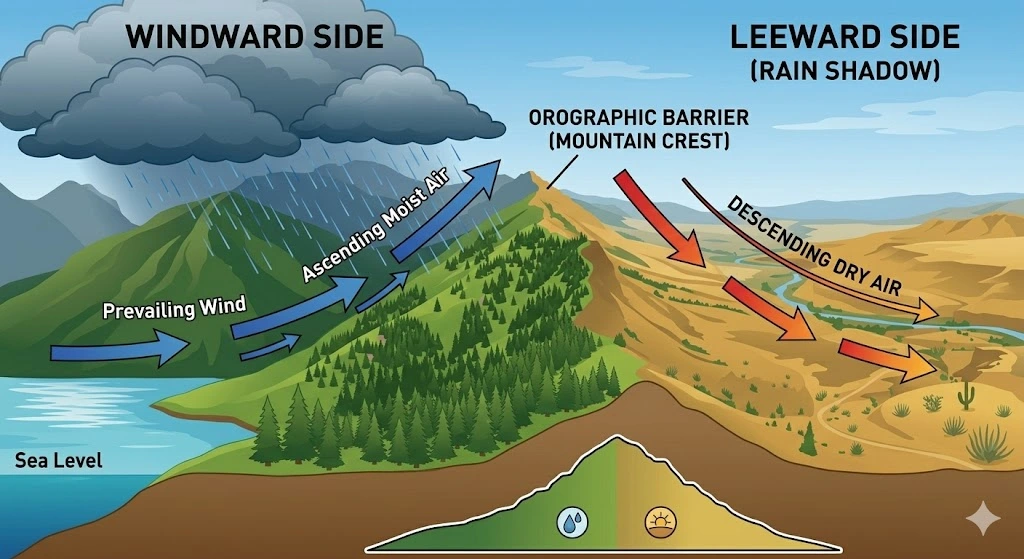
The rain-shadow regions sit in the trans-Himalayan zone, tucked behind ranges like the Annapurna, Dhaulagiri, and Manaslu massifs. These barriers act as natural umbrellas. While Kathmandu and Pokhara see daily downpours, places like Upper Mustang receive a fraction of that rainfall, often just a few overcast hours rather than days of rain.
The reward is a trekking experience few people ever see: empty trails, lush lower valleys, dramatic cloud-and-shadow photography, and cultural festivals like Tiji that breathe life into ancient walled kingdoms. Let’s get into the routes.
1. Upper Mustang: The Forbidden Kingdom of Lo
| Trip Facts | Details |
|---|---|
| Duration | 10–14 Days |
| Difficulty | Moderate |
| Maximum Elevation | 3,840 m (Lo Manthang) / 4,230 m (Marang La Pass) |
| Permit Requirements |
Restricted Area Permit (RAP): USD 50 per person per day (no minimum 10-day block required). ACAP Permit: NPR 3,000 (Approx. USD 25–30). TIMS Card: NPR 2,000 (Approx. USD 20) – required if traveling overland. |
| Accommodation | Teahouses / Local Lodges |
| Best Monsoon Feature | Completely dry, desert-like landscape with clear blue skies while the rest of Nepal experiences heavy rainfall. |
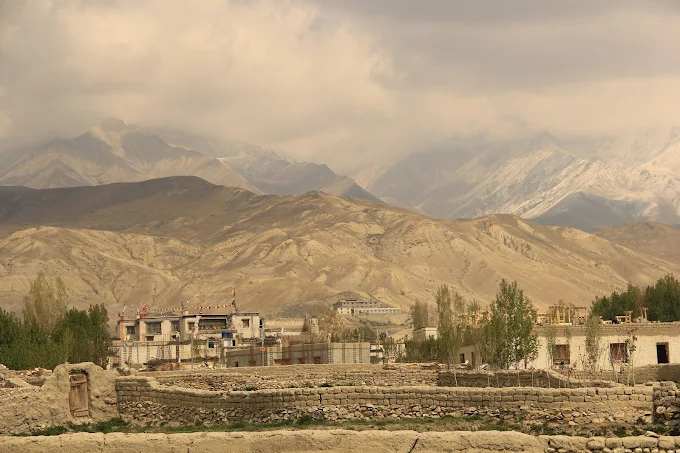
If there is one definitive monsoon trek in Nepal, it is Upper Mustang. This former Tibetan kingdom of Lo sits deep in the rain shadow of the Annapurna and Dhaulagiri ranges, making it one of the driest inhabited regions on earth. Eroded ochre cliffs, hidden sky caves, whitewashed monasteries, and the walled capital of Lo Manthang await.
Summer is also when the famed Tiji festival sometimes falls, filling the desert towns with masked dancers and ceremonial color. Because the landscape is so arid, monsoon barely registers here, you’ll trek under wide blue skies while the foothills below are soaked. Note that Upper Mustang is a restricted area requiring a special permit and a licensed guide.
Bonus 2026 Fact: The Department of Immigration also lifted the strict two-person minimum rule for Upper Mustang. Solo travelers can now legally get an Upper Mustang RAP, provided they still hire a mandatory licensed guide through an authorized agency.
2. Upper Dolpo: Pristine, Remote, and Rain-Free
| Trip Facts | Details |
|---|---|
| Duration | 20–25 Days |
| Difficulty | Strenuous / Challenging |
| Maximum Elevation | 5,360 m (Kang La Pass) |
| Permit Requirements |
Restricted Area Permit (RAP): USD 500 per person for the first 10 days, then USD 50 per person per day for additional days. Shey Phoksundo National Park Entry Permit: NPR 3,000 (Approx. USD 25 per person). |
| Accommodation | Camping / Tent Expedition (very limited teahouses) |
| Best Monsoon Feature | Total isolation in an untouched rain-shadow wilderness with virtually no tourist crowds. |
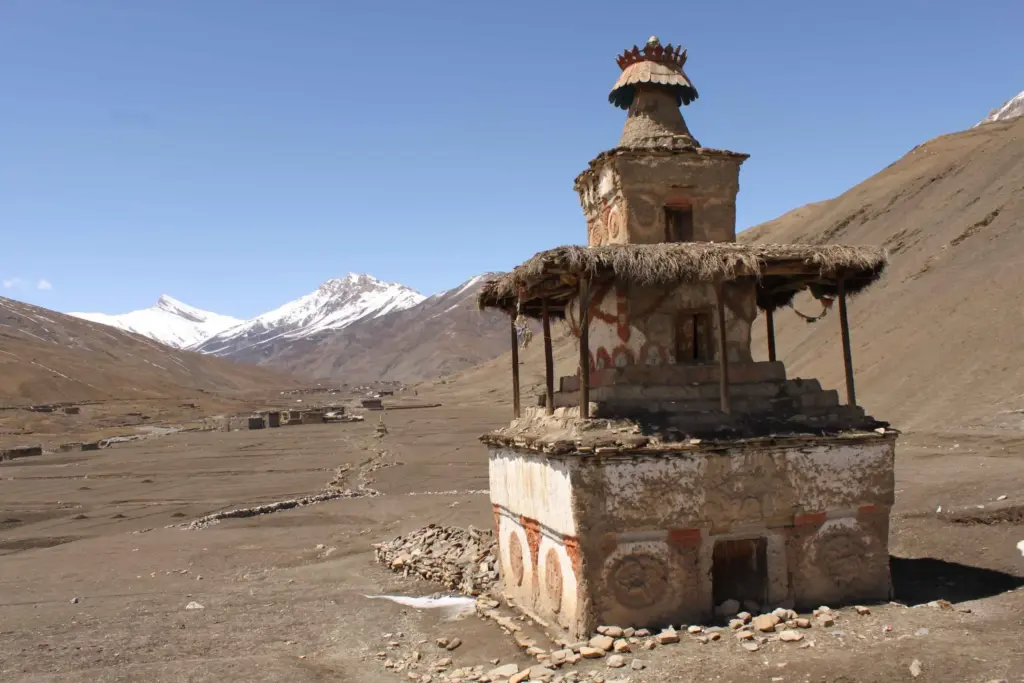
Few places on the planet feel as untouched as Upper Dolpo. Sealed off behind the Dhaulagiri massif, this remote region is almost entirely shielded from heavy rainfall. Ancient Bon-Po culture, yak caravans, and centuries-old monasteries make it a journey back in time.
This is a serious, committing expedition reserved for experienced trekkers who crave true wilderness. The trails are long, the villages sparse, and the rewards immense. Because services are limited, going with a well-organized local team is not optional, it’s essential.
Note: A registered trekking agency must process this RAP, and a licensed guide is strictly mandatory (no solo trekking allowed).
3. Lower Dolpo: Turquoise Phoksundo Without the Downpour

| Trip Facts | Details |
|---|---|
| Duration | 12–15 Days |
| Difficulty | Moderate to Strenuous |
| Maximum Elevation | 5,310 m (Numala Pass) / 5,214 m (Bagala Pass) |
| Permit Requirements |
Restricted Area Permit (RAP): USD 20 per person per week. Additional days beyond 7 days are charged at USD 5 per person per day. Shey Phoksundo National Park Entry Permit: NPR 3,000 (Approx. USD 25 per person). TIMS Card: NPR 2,000 (Approx. USD 15) per person. |
| Accommodation | Combination of teahouses and camping |
| Best Monsoon Feature | Phoksundo Lake reaches its deepest and most surreal turquoise color due to summer glacier melt. |
For those who want a taste of Dolpo’s magic with a slightly shorter commitment, Lower Dolpo delivers. The crown jewel here is Phoksundo Lake, a surreal turquoise alpine lake framed by dramatic cliffs and pine forests. During monsoon trek, the lake’s color is at its most vivid, and the surrounding rain-shadow terrain stays comfortably dry.
Lower Dolpo combines accessible scenery with genuine remoteness, offering a perfect balance for adventurous travelers who don’t want to brave the full Upper Dolpo expedition.
4. Nar Phu Valley: Hidden Villages Behind Annapurna

| Trip Facts | Details |
|---|---|
| Duration | 9–12 Days (often combined with the Annapurna Circuit) |
| Difficulty | Strenuous |
| Maximum Elevation | 5,320 m (Kang La Pass) |
| Permit Requirements |
Restricted Area Permit (RAP): • Autumn (September–November): USD 100 per person per week, plus USD 15 per person per day beyond one week. • Rest of the Year (December–August): USD 75 per person per week, plus USD 15 per person per day beyond one week. ACAP Permit: NPR 3,000 (Approx. USD 25). |
| Accommodation | Teahouses |
| Best Monsoon Feature | Experience a dramatic transition from lush, rain-soaked lower gorges to a completely dry Tibetan-style high valley. |
Tucked away behind the Annapurna range, the Nar Phu Valley is a secret world of medieval stone villages, narrow gorges, and high-altitude pastures. The valley sits in a partial rain shadow, so while the approach can see some greenery and showers, the upper sections stay far drier than the southern trails.
This is a culturally rich, less-trodden route where you’ll encounter Tibetan Buddhist communities living much as they have for centuries. Like Upper Mustang and Dolpo, Nar Phu is a restricted area requiring permits and a guide.
Note to avoid confusion: The Annapurna region has its own Kang La Pass entirely separate from the one in Dolpo!
5. Limi Valley, Humla: Wild Borderland Trekking
| Trip Facts | Details |
|---|---|
| Duration | 15–18 Days |
| Difficulty | Strenuous |
| Maximum Elevation | 4,990 m (Nyalwa Lagna Pass) or 5,000 m+ depending on specific ridges |
| Permit Requirements |
Restricted Area Permit (RAP): USD 50 per person per week, plus USD 10 per person per day beyond one week. Local/National Park Fees: Applicable entry fees at Simikot or Namkha checkpoints. |
| Accommodation | Primarily Camping |
| Best Monsoon Feature | The ultimate frontier trek experience—very likely to encounter no other trekking groups throughout the entire valley. |
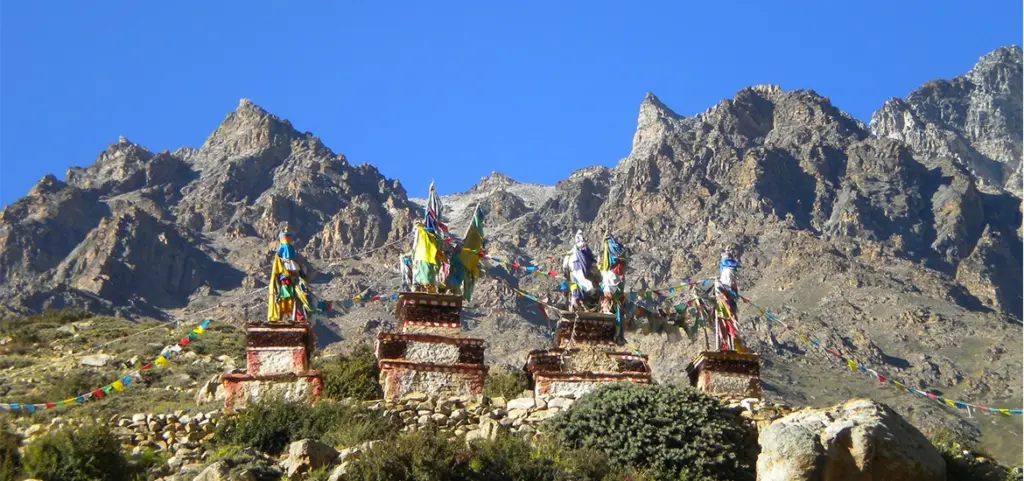
For the truly intrepid, the Limi Valley in far-northwestern Humla is one of Nepal’s last great frontiers. Bordering Tibet, this raw and remote region offers untouched landscapes, traditional Tibetan villages, and the kind of solitude that has all but vanished from more popular trails.
Limi sits firmly in the rain shadow, making summer a viable window to explore it. Access involves flights to Simikot and careful logistical planning, so this trek is best undertaken with an agency that knows the region intimately.
6. Ghorepani Poon Hill: The Lush Monsoon Exception
| Trip Facts | Details |
|---|---|
| Duration | 4–5 Days |
| Difficulty | Easy to Moderate |
| Maximum Elevation | 3,210 m (Poon Hill Viewpoint) |
| Permit Requirements |
ACAP Permit: NPR 3,000 (Approx. USD 22–25). TIMS Card: NPR 2,000 (Approx. USD 15). |
| Accommodation | Comfortable Teahouses |
| Best Monsoon Feature | Thundering waterfalls, neon-green terraced hillsides, and a legendary viewpoint almost entirely to yourself. |
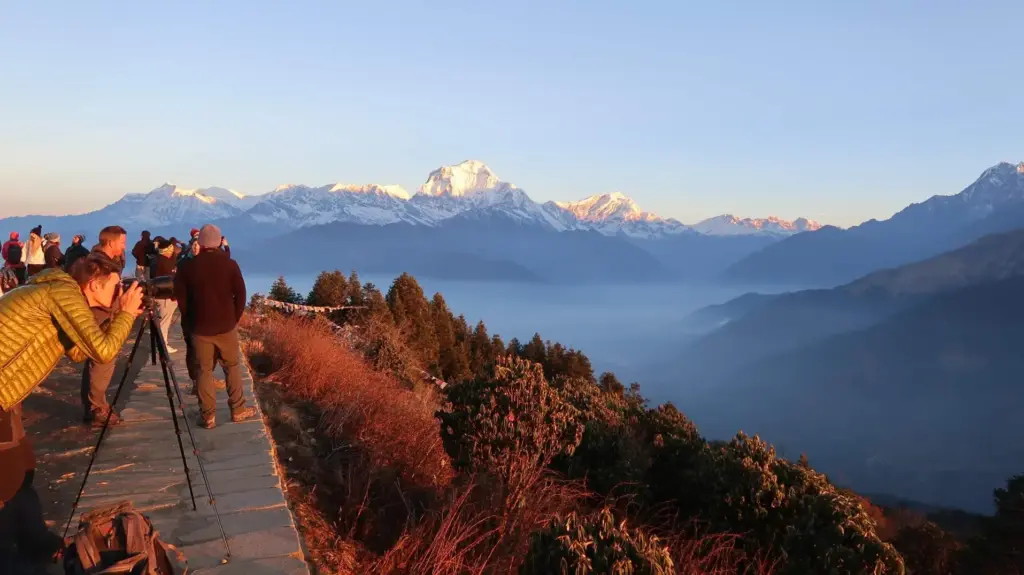
Not every great monsoon trek is in the rain shadow. The classic Ghorepani Poon Hill trek is the notable exception on this list. Yes, it sits in the monsoon belt and you should expect occasional showers, but the trade-off is glorious. The hills explode in green, waterfalls thunder at full force, and rhododendron forests glisten after the rain.
Best of all, the trails are blissfully quiet. If you don’t mind getting a little wet and you want a shorter, scenic trek with sweeping Annapurna and Dhaulagiri views from the Poon Hill viewpoint, summer can be a magical (and crowd-free) time to go. Just come prepared for leeches in the lower forests with waterproof trail runners or boots with a solid grip.
7. Jomsom to Muktinath: High Desert Made Easy
| Trip Facts | Details |
|---|---|
| Duration | 5–7 Days (or 3–4 days if using jeeps) |
| Difficulty | Easy to Moderate |
| Maximum Elevation | 3,760 m (Muktinath Temple) |
| Permit Requirements |
ACAP Permit: NPR 3,000 (Approx. USD 22–25). TIMS Card: NPR 2,000 (Approx. USD 15). |
| Accommodation | High-quality, comfortable teahouses |
| Best Monsoon Feature | The most logistically flexible trek in summer—if flights to Jomsom are cancelled, you can switch to a 4×4 jeep journey through the dry Kali Gandaki Valley. |
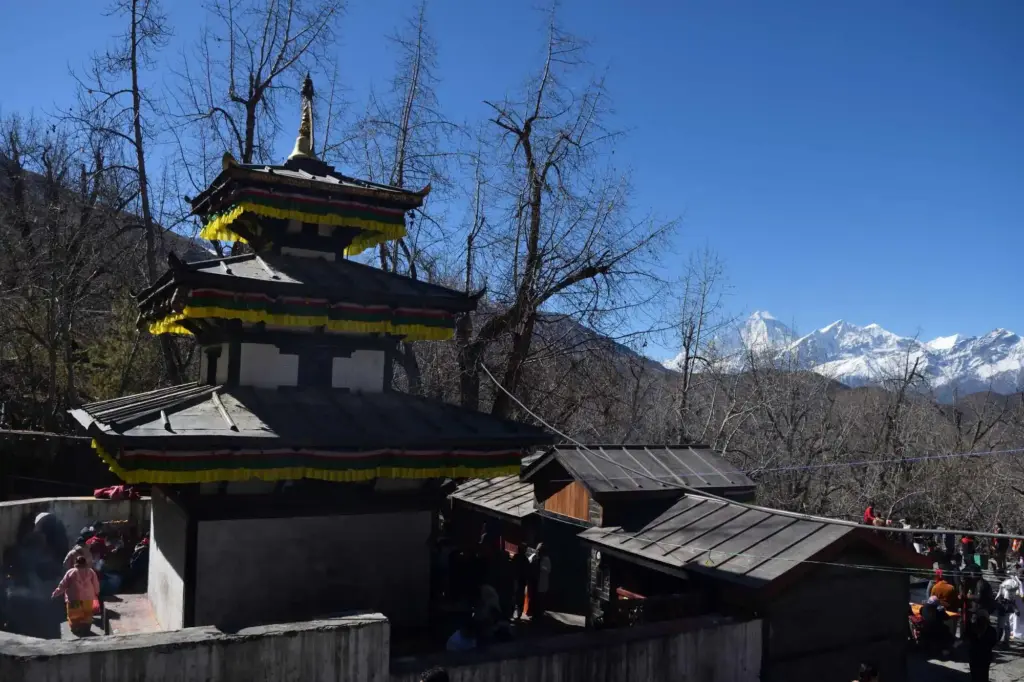
The Jomsom–Muktinath route offers rain-shadow trekking that is remarkably accessible. Flying into Jomsom (or reaching it by Jeep) drops you straight into the arid Kali Gandaki valley, where the dramatic high-desert scenery rivals Upper Mustang at a fraction of the permit cost.
The sacred Muktinath Temple, holy to both Hindus and Buddhists, sits at the head of the trek and is a pilgrimage highlight. For travelers short on time who still want dry skies and dramatic landscapes, this is an ideal monsoon trek choice. You can even reach the region via the popular Pokhara to Muktinath Jeep route if flights are disrupted.
Logistics & Safety: The Honest Truth
Monsoon trekking is rewarding, but only if you go in with realistic expectations. Here are the real-world challenges we want you to understand:
- Flight delays: Domestic flights to Pokhara and Jomsom are weather-dependent and can be delayed or cancelled during monsoon. Always build buffer days into your schedule.
- Highway landslides: Road access to regions like Mustang and Dolpo can be affected by landslides on mountain highways. A flexible itinerary and an experienced team make all the difference.
- The value of a local guide: An experienced local guide can read changing conditions, reroute around problem zones, and secure reliable lodging, turning potential disruptions into smooth adventures.
For deeper insight into how these mountain journeys are organized, our overview of high-altitude trekking logistics is a useful read. And if you’re weighing your overall options, the trekking routes guide helps you compare regions.
Essential Monsoon Trek Packing Tips
Smart packing separates a frustrating wet trek from a comfortable one. Prioritize these items:
- Lightweight waterproof shell: A breathable, packable rain jacket and pants are non-negotiable, even in rain-shadow zones where afternoon showers can surprise you.
- Quick-dry layers: Synthetic or merino base layers dry fast and prevent the misery of damp cotton.
- Robust trekking poles: Slippery, muddy trails demand stability, poles save knees and prevent falls.
- Leech protection: In lower forests (especially around Ghorepani), use gaiters, tuck in your layers, and carry salt or a leech repellent.
- Dry sacks: Waterproof bags protect electronics, documents, and spare clothing inside your pack.
For a complete checklist, see our detailed trek packing list.
Plan Your 2026 Monsoon Adventure
The monsoon doesn’t have to mean missing out on Nepal. With the rain shadow on your side and the right local team behind you, summer can deliver some of the most rewarding, crowd-free trekking of your life.
Ready to chase blue skies behind the Himalaya? Explore Hi Nepal Treks’ tailored summer itineraries or message our travel experts to check real-time trail conditions and build a flexible monsoon trek designed around your goals. Our deep local network is your insurance against the unexpected.
Frequently Asked Questions
-
Is monsoon a good time for first-time trekkers?
Rain-shadow routes like Jomsom–Muktinath are very approachable for beginners. The remote Dolpo and Limi treks, however, are best left to experienced trekkers.
-
Will I see mountain views?
Yes, in the rain-shadow regions, mornings are typically clear with stunning visibility before clouds build in the afternoon.
-
Do I need permits?
Restricted areas like Upper Mustang, Dolpo, Nar Phu, and Limi require special permits and a licensed guide. We handle all of this for you.
-
Can I trek solo in these restricted regions if I have a guide?
Yes! The Department of Immigration officially removed the old rule requiring a minimum group size of two foreign nationals for restricted areas like Upper Mustang, Dolpo, and Nar Phu. You can absolutely do these treks as a solo traveler, provided you are accompanied by a government-licensed guide and your permits are processed through a registered trekking agency.
-
How do I get to the rain-shadow areas if monsoon flights are canceled?
This is a huge factor during the summer. Regular domestic mountain flights, especially the Pokhara-to-Jomsom sector, are frequently suspended for months during the peak monsoon due to low visibility and high winds. To ensure your trip goes smoothly, your itinerary should rely on overland 4×4 Jeeps via the Beni route to reach Mustang, or you should build 2–3 buffer days into your schedule if you are heading to far-western hubs like Simikot (Humla) or Juphal (Dolpo).
-
Are there leeches on rain-shadow trekking trails?
Inside the true rain shadow (like the deep desert valleys of Upper Mustang and Upper Dolpo), there are zero leeches because the climate is too arid for them to survive. However, you will encounter them during the initial “approach days” when walking through the lower, lush green valleys (like the lower section of the Nar Phu approach or the lower forests of the Ghorepani Poon Hill trail) before you cross past the mountain walls into the dry zones.
-
Why do I need a mandatory licensed guide for standard trails like Poon Hill or Jomsom?
Nepal enforces a strict safety policy across all national parks and conservation areas. Even though trails like Ghorepani Poon Hill and Jomsom–Muktinath are straightforward and have highly developed teahouse infrastructure, they sit within the Annapurna Conservation Area (ACAP). Checkpoints along these routes rigorously verify that every foreign trekker is accompanied by an authorized, licensed guide.
-
What kind of travel insurance do I need for a monsoon trek?
Your policy must specifically cover emergency helicopter evacuation up to 5,000 m. Landslides in the lower valleys can occasionally block road networks during heavy summer downpours, making air rescue the only option if a medical emergency or severe altitude sickness occurs. Always verify that your policy does not have a “monsoon exclusion” clause.