
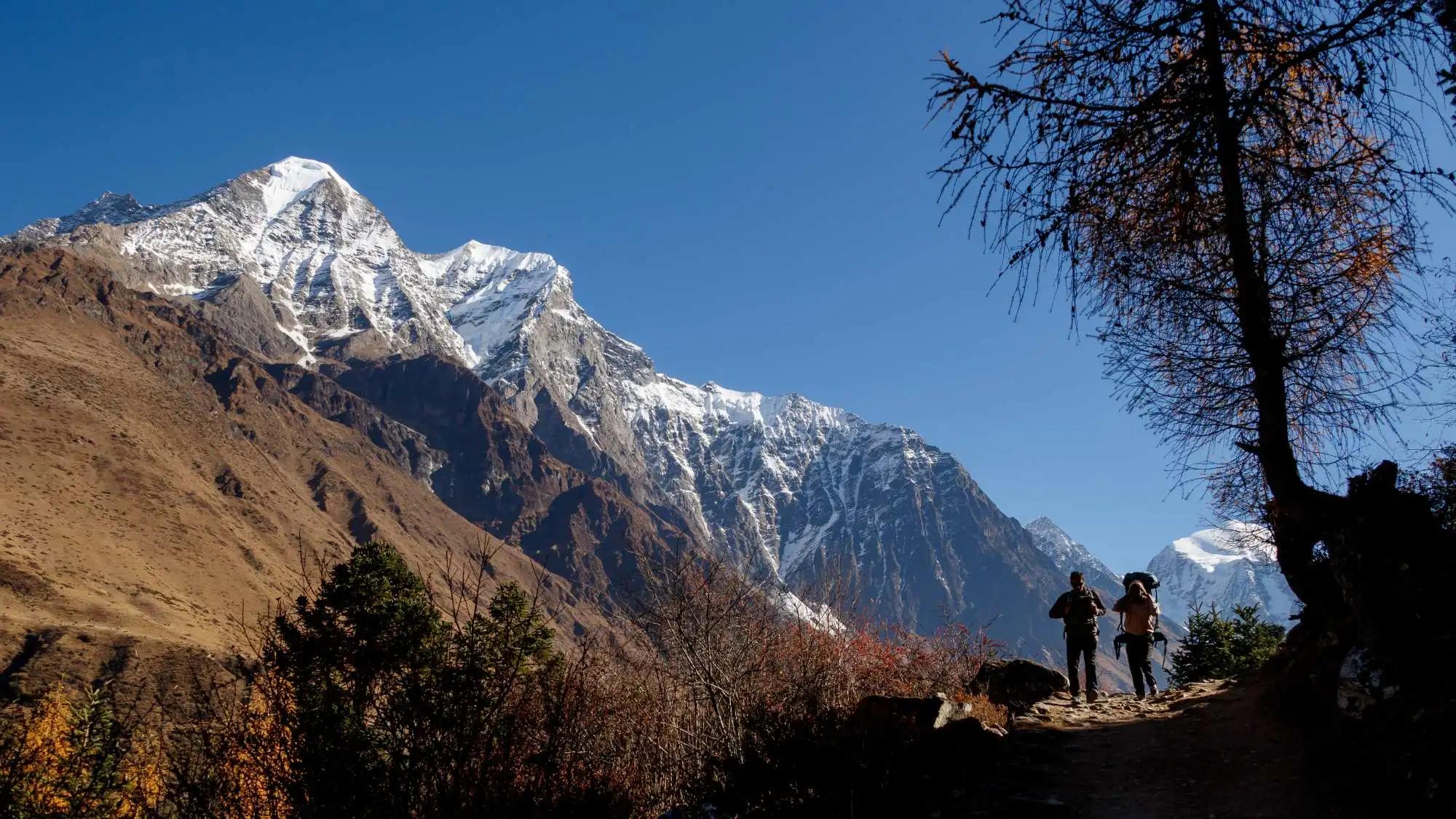
Are you dreaming of trekking through one of Nepal’s most remote and breathtaking Himalayan circuits? The Manaslu Circuit Trek offers an unforgettable adventure around Mt. Manaslu, the eighth-highest mountain in the world at 8,163 meters, with far fewer crowds than the popular Everest Base Camp or Annapurna Circuit routes. But before lacing up your boots, the most important question every trekker asks is: How much does the Manaslu Circuit Trek cost?
This comprehensive guide breaks down every expense you can expect, from permits and guide fees to food, accommodation, and transport, so you can plan your Manaslu adventure with confidence and zero financial surprises.
Overview: How Much Does the Manaslu Circuit Trek Cost?
The Manaslu Circuit Trek cost in 2026/2027 ranges from approximately USD 900 to USD 2,500 per person, depending on the type of package, group size, season, and level of comfort. For a standard 14–16 day all-inclusive trekking package, most trekkers can expect to budget between USD 1,200 and USD 1,900 per person. Budget group-joining treks start from around USD 950–1,200, while private packages typically run USD 1,500–2,200.
Here is a quick cost summary at a glance:
1. Manaslu Circuit Trek Permit Costs
The Manaslu region is a restricted trekking area, which means obtaining the right permits is mandatory, and non-negotiable. All Manalsu Circuit Trek permits must be arranged through a registered trekking agency. As of March 22, 2026, individual solo foreign tourists are now permitted to obtain the Restricted Area Permit, however, a licensed Nepali guide remains mandatory at all times. One guide may accompany a maximum of 7 trekkers per group
a) Manaslu Restricted Area Permit (MRAP)
This is the most critical and expensive permit for the trek. The cost varies by season:
- Peak Season (September to November): USD 100 per person for the first 7 days, then USD 15 per additional day
- Off-Season (December to August): USD 75 per person for the first 7 days, then USD 10 per additional day
b) Manaslu Conservation Area Permit (MCAP)
This permit promotes conservation and biodiversity in the Manaslu region. Cost: NPR 3,000 (approximately USD 25) per person.
c) Annapurna Conservation Area Permit (ACAP)
Required because the Manaslu Circuit trail connects with the Annapurna region near Dharapani or Besisahar at its conclusion. Cost: NPR 3,000 (approximately USD 25) per person.
d) Chumnubri Rural Municipality Permit
An additional local permit required for trekking through certain villages in the circuit. Cost: approximately USD 10 per person.
Total Estimated Manaslu Circuit Permit Cost: USD 160 – 200 per person (peak season)
New (March 22, 2026): Trekkers can now apply for the Restricted Area Permit digitally from their home country using their Visa Application Submission ID, before arriving in Nepal. Your registered trekking agency can initiate this process on your behalf as soon as your booking is confirmed.
Note: If you plan to visit Tsum Valley as an extension, an additional Tsum Valley Permit is required, USD 40 per person for the first 7 days (peak season), then USD 7 per additional day.
2. Guide and Porter Costs

Hiring a licensed guide is mandatory as per Nepal government regulations introduced in April 2023. Beyond being a legal requirement, a knowledgeable guide enriches your experience with cultural insights, local knowledge, and logistical support.
Licensed Trekking Guide
- Standard English-speaking guide: USD 25 – 40 per day
- Highly experienced senior guide: up to USD 50 per day
Porter
- Standard porter (carries up to 20 kg): USD 20 – 30 per day
- Guide-porter (one person serving both roles): USD 25 – 30 per day
For a 14-day trek with one guide and one porter, you should budget approximately USD 630, 1,120 for guide and porter services combined, including their meals and accommodation (which trekking agencies typically cover).
Note: As per the updated DoI regulations effective March 22, 2026, one licensed guide may accompany a maximum of 7 trekkers. Groups larger than 7 must arrange an additional licensed guide, which will affect the overall guide cost.
3. Transportation Costs
The Manaslu Circuit Trek typically begins at Sotikhola or Machha Khola, which is about 160 km northwest of Kathmandu. There are no direct flights to the trailhead, so all transportation is by road.
Kathmandu to Trailhead
- Public bus (local): USD 10 – 15 per person (8–9 hour journey, budget-friendly but less comfortable)
- Private jeep: USD 200 – 350 per vehicle (faster and more comfortable, ideal for small groups)
Return Journey (Dharapani/Besisahar to Kathmandu)
- Shared jeep/bus: USD 15 – 30 per person
- Private jeep: USD 180 – 300 per vehicle
Most standard trekking packages include round-trip public bus transportation in the cost. If you prefer a jeep for comfort, this will be an additional charge. It is recommended to book private jeeps in advance through your trekking agency.
4. Food and Meal Costs
During the Manaslu Circuit Trek, all meals are prepared fresh in local teahouses and lodges. The food options are hearty and nourishing, with the classic Nepali dal bhat being both the most popular and the best value for money on the trail.
- Dal Bhat (staple Nepali meal with rice, lentils, vegetables, and pickles): USD 5 – 10 per meal
- Breakfast (Tibetan bread, eggs, potato curry, tea or coffee): USD 4 – 8
- Snacks and hot drinks throughout the day: USD 2 – 5
- Daily food budget estimate: USD 20 – 40 per person per day
Important note: Food prices increase significantly at higher altitudes due to the difficulty of transporting supplies into remote mountain areas. Budget more per day as you gain elevation, especially around Samagaun and Samdo.
5. Accommodation Costs
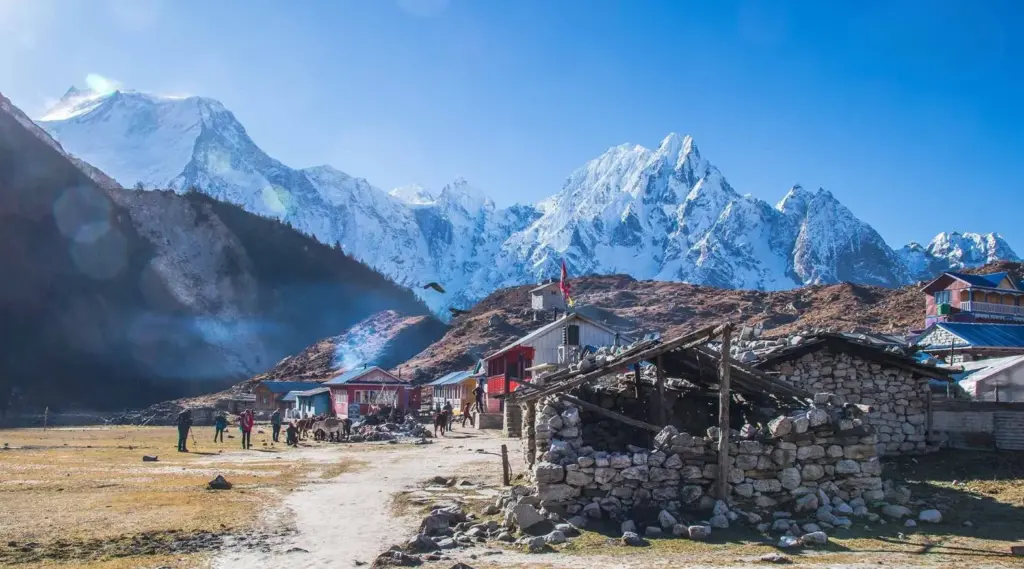
Accommodation along the Manaslu Circuit is provided by locally-owned teahouses and mountain lodges. While luxury is not on the menu here, the teahouses are comfortable and cozy enough for a good night’s rest after a long day of trekking.
- Basic teahouse/lodge room (twin sharing): NPR 500 – 1,500 per night (approximately USD 4 – 12)
- Better facilities at lower elevations: USD 5 – 15 per night
- Higher altitude lodges: prices tend to increase due to remoteness
Most trekking packages include accommodation for the entire duration of the trek. If you are trekking independently, budget around USD 4 – 15 per night. Many teahouses offer free or discounted rooms when you dine at their establishment.
6. Travel Insurance Costs
Travel insurance is absolutely essential for the Manaslu Circuit Trek, and in practice, most trekking agencies require proof of insurance before confirming your booking. Given the remote nature of the trek and the altitude involved, your policy must cover high-altitude helicopter evacuation and medical emergencies.
- Standard travel insurance for 30 days: USD 150 – 200 per person
- Ensure your policy covers helicopter rescue, altitude sickness treatment, and trip cancellation
7. Trekking Gear and Equipment Costs
The Manaslu Circuit is a physically demanding, high-altitude trek that requires proper gear. If you do not already own trekking equipment, Kathmandu’s Thamel district offers excellent options for renting or buying it.
Essential Gear (Rent or Buy in Kathmandu)
- Four-season sleeping bag: Rent for USD 2 – 5/day or buy for USD 50 – 150
- Down jacket: Rent for USD 2 – 4/day or buy for USD 40 – 120
- Trekking boots (sturdy, waterproof): USD 50 – 200
- Trekking poles: Rent for USD 1 – 2/day
- Headlamp, sunglasses, sunscreen, water purification tablets, power bank
- Thermal layers and rain gear
8. Additional and Miscellaneous Costs
Beyond the major cost categories, trekkers should budget for several additional expenses:
- Hot showers along the trail: USD 1 – 3 per shower (not always available)
- Device charging fees: USD 1 – 3 per charge at higher altitude teahouses
- WiFi or internet access: USD 1 – 5 per session
- Tips for guide and porter: USD 10 – 20 per day is the customary and appreciated tip
- Bottled water: USD 1 – 3 per bottle (use purification tablets instead to save money)
- Kathmandu hotel (before and after the trek): USD 20 – 80 per night depending on comfort
9. Complete Manaslu Circuit Trek Cost Breakdown (2026)
Here is a realistic total budget breakdown for a standard 14-day Manaslu Circuit Trek in 2026:
- Permits (MRAP + MCAP + ACAP + local permit): USD 160 – 200
- Licensed guide (14 days at USD 30/day): USD 420
- Porter (14 days at USD 25/day): USD 350
- Transportation (bus both ways): USD 20 – 30
- Food (14 days at USD 25–35/day): USD 350 – 490
- Accommodation (14 nights at USD 5–10/night): USD 70 – 140
- Travel insurance: USD 150 – 200
- Miscellaneous and personal expenses: USD 100 – 200
Total estimated budget: USD 1,620 – 2,030 per person (self-arranged)
For all-inclusive packages through a trekking agency, expect prices to start from around USD 1,081 and go up to USD 1,900+, depending on the level of service and inclusions.
10. Key Factors That Affect the Total Cost

Season
Spring (March–May) and autumn (September–November) are the peak trekking seasons with the best weather, clearest skies, and most vibrant scenery, but also higher permit fees and more expensive packages. Trekking in winter or monsoon (off-season) reduces permit costs and overall expenses, but conditions are more challenging.
Group Size
Joining a Manaslu Circuit group trek is significantly cheaper than going private. Costs like guide fees and transportation can be split among the group, reducing per-person expenses. Solo or private treks offer more flexibility but come at a premium.
As of March 22, 2026, solo foreign tourists can now officially obtain the Restricted Area Permit individually through a registered agency, no minimum group size is required.
Package Type
Budget packages typically cover basic teahouse accommodation, local bus transport, and shared guides. Premium packages may include better-quality lodges, private transportation, additional trekking days, or Kathmandu sightseeing. Always check what is included and excluded before booking.
11. Money-Saving Tips for the Manaslu Circuit Trek
- Consider Joining a group: While solo trekking is now officially permitted, sharing costs for guides, porters, and transport in a group can cut per-person expenses significantly. Groups of up to 7 trekkers can share one licensed guide.
- Trek in the off-season: Lower permit fees and fewer crowds from December to August
- Rent gear in Kathmandu: Renting sleeping bags, down jackets, and trekking poles is far cheaper than buying
- Carry a water purification bottle: Avoid buying bottled water; purification tablets or a filter bottle save money and reduce plastic waste
- Buy snacks in Kathmandu: Stock up on energy bars, nuts, and chocolate before heading out, they cost much more on the trail
- Use a local SIM card: A Ncell or NTC SIM card is cheap and gives you mobile data without relying on expensive teahouse WiFi
- Bring a power bank: Avoid paying USD 1-3 per device charge at higher-altitude lodges
- Stay at mid-range hotels in Kathmandu: Budget guesthouses in Thamel offer great value compared to expensive hotels
12. What is Typically Included vs. Excluded in a Package?
Usually Included:
- All required trekking permits (MRAP, MCAP, ACAP)
- Licensed trekking guide and porter
- Teahouse accommodation throughout the trek
- Three meals per day (breakfast, lunch, and dinner) during the trek
- Round-trip public bus transportation from Kathmandu
- Airport pick-up and drop-off in Kathmandu
Usually Excluded:
- International flights and Nepal visa fees
- Travel and medical insurance
- Personal trekking gear and equipment
- Alcoholic and non-alcoholic beverages, tea, coffee
- Hot showers, WiFi, and device charging fees
- Tips for guide and porter
- Helicopter evacuation costs (covered by travel insurance)
13. Is the Manaslu Circuit Trek Worth the Cost?
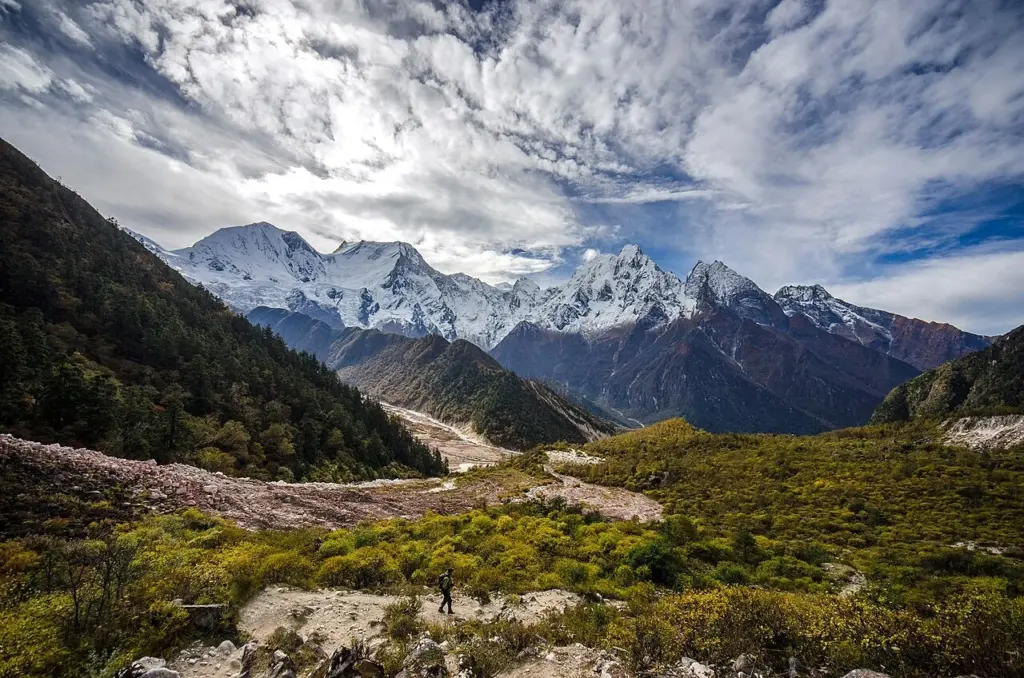
Absolutely, and trekkers who have completed the Manaslu Circuit unanimously agree. While it may be slightly more expensive than Annapurna or Langtang due to permit requirements and the restricted area status, the Manaslu Circuit delivers an experience that is more authentic, more serene, and more rewarding.
You will walk through untouched Tibetan-influenced villages, witness the dramatic grandeur of Mt. Manaslu (8,163 m), cross the thrilling Larkya La Pass (5,106 m), and encounter ancient monasteries, yak herders, and glacial landscapes that feel entirely removed from the modern world. All of this with far fewer trekkers on the trail compared to the famous Everest or Annapurna circuits.
With proper planning, smart budgeting, and the right trekking agency by your side, the Manaslu Circuit Trek is not just a physically rewarding challenge, it is one of the most profound and memorable Himalayan journeys you will ever undertake.
Final Thoughts
Planning your Manaslu Circuit Trek comes down to knowing your budget, understanding what permits you need, and choosing a reliable trekking company that can handle the logistics of this restricted region. Whether you opt for a budget group package starting around USD 950 or a more comfortable private trek at USD 2,000+, the key is to plan well in advance, especially for peak season treks between September and November when spots fill up fast.
Prepare your permits, gear up properly, invest in good travel insurance, and get ready for one of the most extraordinary trekking adventures in the world. The Manaslu Circuit Trek is not just a trip, it is a journey that will stay with you for a lifetime.
Frequently Asked Questions (FAQs) About Manaslu Circuit Trek Cost
-
How much does the Manaslu Circuit Trek cost in total?
The total cost of the Manaslu Circuit Trek ranges from approximately USD 950 to USD 2,500 per person, depending on the package type (budget group vs. private), trekking season, and level of comfort. A standard 14-day all-inclusive package typically costs between USD 1,200 and USD 1,900 per person.
-
Is a guide mandatory for the Manaslu Circuit Trek?
Yes, hiring a licensed guide is legally mandatory as per Nepal government regulations. As of March 22, 2026, solo foreign tourists are now permitted to trek the Manaslu Circuit individually, however, trekking without a licensed guide remains illegal regardless of group size. A single guide may accompany a maximum of 7 trekkers. All permits must be arranged through a registered trekking agency.
-
How much does the Manaslu Restricted Area Permit (MRAP) cost?
The Manaslu Restricted Area Permit (MRAP) costs USD 100 per person for the first 7 days during peak season (September to November), with an additional USD 15 for each extra day. During the off-season (December to August), the permit costs USD 75 per person for the first 7 days, with USD 10 per additional day.
-
Can I do the Manaslu Circuit Trek on a budget?
Yes, budget trekking is possible on the Manaslu Circuit. The most effective ways to reduce costs include joining a group trek (starting from USD 950–1,200 per person), trekking in the off-season (December–August) when permits are cheaper, renting gear in Kathmandu, carrying a water purification bottle, and buying snacks in Kathmandu before the trek begins.
-
What is the best season for the Manaslu Circuit Trek?
The best seasons for the Manaslu Circuit Trek are spring (March to May) and autumn (September to November). These months offer the most stable weather, clear mountain views, and ideal trekking conditions. Autumn is particularly popular due to post-monsoon clarity and vibrant landscapes. Spring brings blooming rhododendrons and slightly warmer temperatures at lower elevations.
-
Is travel insurance required for the Manaslu Circuit Trek?
While travel insurance is not enforced by law, it is strongly recommended and most reputable trekking agencies require proof of insurance before confirming a booking. Your policy must cover high-altitude helicopter evacuation (up to at least 5,500 m) and emergency medical treatment. Standard travel insurance for 30 days typically costs USD 150–200.
-
How long is the Manaslu Circuit Trek?
The standard Manaslu Circuit Trek takes 14 to 16 days, not including travel to and from Kathmandu. The trek starts at Sotikhola or Machha Khola and ends at Dharapani or Besisahar, covering approximately 177 km in total. The route crosses the Larkya La Pass (5,106 m), the highest and most challenging point of the trek.
-
Do I need to pay tips to my guide and porter?
Tipping is not mandatory, but it is a deeply appreciated and widely practiced custom in Nepal’s trekking culture. A standard tip of USD 10–20 per day for the guide and USD 8–15 per day for the porter is considered appropriate and respectful. Guides and porters often depend on tips as a meaningful part of their income, especially during off-season periods.
-
What is included in a standard Manaslu Circuit Trek package?
A standard all-inclusive package typically covers all trekking permits (MRAP, MCAP, ACAP), a licensed guide and porter, teahouse accommodation throughout the trek, three meals per day during the trek, round-trip public bus transportation from Kathmandu, and airport transfers. Items not usually included are international airfare, Nepal visa fees, personal travel insurance, personal gear, alcoholic drinks, WiFi, hot showers, and tips.
-
How do I get to the starting point of the Manaslu Circuit Trek?
The trek typically begins at Sotikhola or Machha Khola, approximately 160 km northwest of Kathmandu. There are no flights to the trailhead, so you must travel by road. Public bus options cost USD 10–15 per person for an 8–9 hour journey, while a private jeep charter ranges from USD 200–350 per vehicle and takes around 7–8 hours. Most standard packages include public bus transportation.
-
Is the Manaslu Circuit Trek more expensive than the Annapurna Circuit?
Yes, the Manaslu Circuit Trek is generally more expensive than the Annapurna Circuit due to the restricted area permit requirements, the mandatory guide rule, and the more remote and undeveloped nature of the trail. However, many trekkers find the higher cost absolutely worth it for the superior experience of fewer crowds, more authentic villages, and a raw Himalayan adventure that the busier Annapurna Circuit can no longer offer.
-
Can I combine the Manaslu Circuit with the Tsum Valley Trek?
Yes! The Tsum Valley Trek is a popular extension of the Manaslu Circuit. The Tsum Valley is an ancient Tibetan Buddhist valley with sacred monasteries, unique culture, and stunning scenery. Combining both treks adds approximately 7–10 days and requires an additional Tsum Valley Restricted Area Permit costing USD 40 per person for the first 7 days during peak season (USD 30 in the off-season), plus USD 7 per additional day. The combined Manaslu Circuit and Tsum Valley Trek typically runs 20–24 days and costs USD 1,800–3,000+ per person depending on the package.